Newsroom
View news releases and announcements distributed by EZ Newswire, the trusted source for business news.
AirTalk Wireless Partners with DAV in $50,000 Effort to Connect Veterans Across the U.S.
AirTalk Wireless, powered by AirVoice Wireless, has announced a $50,000 donation to DAV "Disabled American Veterans" to help strengthen communication access for veterans across the United States. The partnership aims to connect DAV’s nearly one million members with reliable wireless services that support their independence and well-being.
The contribution represents AirTalk Wireless’ first collaboration with DAV, a nonprofit founded in 1920 and chartered by the U.S. Congress in 1932 to assist veterans and their families in securing the benefits they have earned. The funds will be used to help veterans stay in touch with loved ones, access healthcare and employment resources, and remain engaged in their communities.
Connecting Those Who Served
Headquartered in Houston, Texas, AirTalk Wireless provides qualifying customers under the federal Lifeline program with free 4G LTE or 5G smartphones — including Apple and Samsung devices among others — or SIM cards, along with free monthly service that includes data, unlimited talk and text, and international calling to more than 200 countries and territories.
The company’s latest partnership with DAV aligns with its ongoing mission to bridge the digital divide and make essential communication tools accessible to underserved communities, including veterans, seniors, and low-income families.
Henry Do, chief executive officer of AirTalk Wireless, shared:
“At AirTalk, we take great pride in serving over one million subscribers by helping to bridge the digital divide. For many, connectivity is more than just a convenience — it’s a lifeline to education, healthcare, employment, and loved ones. We’re honored to partner with DAV to extend this support to veterans who have served our nation.”
Supporting Lifeline Access for Veterans
Veterans who qualify for the federal Lifeline program through an authorized provider like AirTalk Wireless can receive a free smartphone with monthly data, unlimited calls and texts, free international calling, all without contracts or hidden fees.
Eligibility typically includes having a low income or participation in federal assistance programs such as Veterans Pension, Medicaid, Supplemental Nutrition Assistance Program (SNAP), or Supplemental Security Income (SSI).
DAV CEO and National Adjutant Barry Jesinoski said the collaboration would make a meaningful impact for veterans nationwide: “We are excited for this partnership with AirTalk and look forward to helping even more veterans access the care they deserve. AirTalk helps veterans stay connected to their communities and care providers, no matter their financial situation.”
Bridging the Digital Divide
The partnership reflects a shared commitment to narrowing communication gaps for underserved Americans. AirTalk Wireless, established in 1999 by AirVoice Wireless, offers government-supported phone and broadband services through programs such as Lifeline, which was created by the Federal Communications Commission (FCC) in 1985 to make essential telecommunications more affordable for low-income households.
Through Lifeline, eligible consumers receive monthly discounts on phone or internet service to maintain access to vital resources, including healthcare, education, and emergency services.
Each qualifying household may receive one non-transferable benefit which ensures unbiased distribution and continued access to communication.
About AirTalk Wireless
AirTalk Wireless is a U.S. telecommunications provider headquartered in Houston, Texas. The company offers nationwide wireless services through government assistance programs, providing millions of Americans with affordable access to smartphones and data plans. More information is available at airtalkwireless.com.
About DAV "Disabled American Veterans"
DAV "Disabled American Veterans" is a nonprofit charity with nearly one million members dedicated to empowering veterans to lead high-quality lives with respect and dignity. DAV helps veterans access benefits, secure healthcare, and reintegrate into civilian life while advocating for their interests on Capitol Hill. Visit www.dav.org to learn more.
Media Contact
Emily Shelton
media@airtalkwireless.com


Yanne Capital Unlocks Access to Capital in the Mid-Market: Transaction Excellence, Not Distribution
The market for lower middle-market capital and M&A advice is cluttered with advisers who confuse activity for outcome. Yanne Capital rejects that trade. The firm’s model is uncompromising: experienced professionals who have worked at bulge-bracket institutions now apply that judgment to bespoke, outcome-driven work for founders, owners and sponsors. The result is transaction excellence — executed with precision, discretion and commercial clarity.
Too many owners and boards endure protracted processes that waste time and value. They see decks recycled across the same filtered networks, endless partner calls, and term sheets that arrive late or never. Yanne Capital tightens the mechanics of a deal without the noise. Materials are prepared to answer the exact questions senior allocators will ask in the first conversation. Outreach is targeted to decision-makers who can sign term sheets or operationally support the business. Negotiations are led by people who understand where value is made, preserved and, when necessary, defended.
“Our work is transaction excellence,” said Alex Özdemir, founder and managing partner at Yanne Capital. “We don’t measure ourselves by the volume of solicitations or the size of total conversations. We measure ourselves by the quality of investor engagement, the speed at which decisions are made, and the certainty of close. That is how a boutique should behave when it inherits bulge-bracket craft.”
Yanne Capital operates globally but with a boutique posture. The firm covers the United States, Europe, the Middle East and Asia, relying on deep personal relationships into family offices, operator-led funds, strategic acquirers and institutional allocators. Those relationships matter because the right counterparty can change a company’s trajectory. The firm’s remit spans equity and structured equity, bespoke debt solutions, strategic M&A and advisory on complex recapitalizations. The choice of structure is a surgical decision to preserve optionality and align incentives, not a marketing checkbox.
Clients engage Yanne Capital for a direct line to senior judgment. Teams are staffed by professionals who have executed at scale and who now prefer the speed and nuance of lower middle-market work. They run processes that compress unnecessary steps, keep decision paths short and ensure negotiations remain focused on the commercial levers that actually matter. For owners who value certainty over theater, that approach delivers higher-probability outcomes and preserves value through disciplined structuring and negotiation.
Beyond capital raises and M&A, Yanne Capital advises on restructuring, refinancing, carve-outs and strategic partnerships. The firm helps companies evaluate practical alternatives when liquidity is constrained, when growth needs recalibration, or when a strategic partner can add distribution, procurement or operational capability. That work is often less glamorous but more consequential: stabilizing cash flow, reshaping capital stacks, or pairing a company with a partner that turns a product into a distribution-scale asset.
Yanne Capital also works with sponsors and family offices on direct investments and co-invest structures, advising on valuation discipline, governance alignment and exit planning. The firm assists boards and management with scenario planning, stress-testing models and negotiating covenants that reflect realistic upside and defensible downside protection. Post-close, Yanne Capital remains engaged where appropriate, helping to coordinate integration workstreams, measure KPIs tied to earnouts, and preserve the mechanics that enable the business to hit its plan.
The firm’s approach to engagements is pragmatic and confidential. Yanne Capital typically begins with a tight scoping phase to define objectives, identify realistic timelines and surface critical commercial levers. From there the team prepares decision-grade materials, coordinates diligence and manages negotiations directly with senior counterparts. That structure reduces noise, focuses boards on the decisions that matter and shortens the path from mandate to executed agreement.
"'Unlocks access to strategic capital in the mid-market' — the phrase echoes what we actually deliver,” said Tuna Yılar, co-founder and managing partner at Yanne Capital. Strategic capital matters when it brings optionality: commercial partnerships, distribution channels or operational know-how that go beyond liquidity. Yanne Capital’s role is not to sell a fashionable narrative but to run the transaction with clarity, speed and durable terms.
Yanne Capital measures success in practical terms: shorter decision cycles, higher conversion of senior-level meetings and ultimately signed agreements that reflect real alignment. The firm’s teams take ownership of execution from first outreach through close, working alongside management and boards to defend valuation, streamline diligence and secure terms that allow companies to pursue their next chapter.
For owners and sponsors who want senior-level judgment without institutional drag, Yanne Capital offers a disciplined alternative: independent, global, relationship-driven and obsessed with the transaction. For more information, visit www.yannecapital.com or contact Alex Özdemir, founder and managing partner, at alex.partnership@yannetr.net.
About Yanne Capital
Yanne Capital is an independent, global investment banking boutique focused on delivering transaction excellence for lower middle-market transactions between $10 million and $600 million. Backed by over $15 billion in transactions, the firm leverages senior professionals with bulge-bracket backgrounds to provide outcome-oriented advisory and execution that emphasizes fit, discretion and closing certainty. For more information, visit www.yannecapital.com.
Media Contact
Alex Emin Ozdemir
Founder and Managing Partner
alex.partnership@yannetr.net
H. Tony Yılar
COO and Managing Partner, Yanne Capital
tony@yannecapital.com

SideDish Names Reno Yanes Chief Executive Officer
SideDish, the innovative salad dressing and condiment brand founded by three-time New York Times bestselling cookbook author Alex Snodgrass, also known as The Defined Dish, today announced the appointment of Reno Yanes as chief executive officer.
Yanes brings extensive experience scaling CPG brands with a proven track record of success. Yanes spent the last five years at luxury pantry staple brand Truff, most recently serving as chief operating officer, where he helped drive rapid expansion across retail, e-commerce, and club channels. Prior to Truff, Yanes held leadership roles at Primal Kitchen, further strengthening his expertise in building better-for-you brands within the condiment and dressing category. He is also a co-founder of The Oak Group, a natural foods brokerage providing Whole Foods Market support across a variety of categories.
With deep knowledge in brand strategy, operations, and category growth, Yanes is set to lead SideDish into its next phase of national distribution and heightened brand awareness.
“I created SideDish to reimagine everyday condiments, delivering bold flavors, real ingredients, with a better-for-you approach to a category that regularly relies on overly processed ingredients,” said SideDish founder Alex Snodgrass. “Reno’s leadership marks a major milestone. His expertise in scaling premium brands will ensure SideDish continues to grow while staying true to our mission.”
As CEO, Yanes will oversee retail expansion, brand development, and investor relations. His goal: establish SideDish as a household name in the $30 billion-plus condiment and dressing market by offering products that combine health, flavor, and versatility.
“I’m thrilled to join SideDish at such a pivotal moment,” said SideDish CEO Reno Yanes. “We have an exciting opportunity to disrupt the category with clean-label, chef-inspired products that make simple, flavorful, better-for-you meals accessible to families everywhere. Together with Alex and the team, we’re building something truly special.”
Launched in 2022, SideDish was designed to bring ease, simplicity, and bold flavor to the kitchen without relying on overly processed ingredients. The brand currently offers six flavors: Greek Vinaigrette, Classic Ranch, Honey Dijon, Creamy Sesame, Miso Caesar, and Chipotle Ranch. Made with 100% avocado oil and free from refined sugar, gluten, dairy, and preservatives, each bottle delivers vibrant, crave-worthy taste. Now available nationwide at Whole Foods Market, SideDish has already captured a devoted consumer following.
About SideDish
SideDish is a multi-purpose dressing collection featuring bold flavors and simple ingredients. Founded in 2022 by Alex Snodgrass — also known as The Defined Dish and a three-time New York Times bestselling author of "The Defined Dish," "The Comfortable Kitchen," and "Dinner Tonight" — SideDish offers six versatile flavors that bring ease, simplicity, and flavor to kitchens nationwide. All SideDish products are dairy-free, paleo-friendly, preservative-free, and contain zero added sugar. They can be used as a dip, marinade, or dressing for salads, bowls, and more. Learn more at getsidedish.com and follow on Instagram @getsidedish.
About Alex Snodgrass aka The Defined Dish
Alex Snodgrass is a Texas-raised author, recipe developer, and culinary creator who has built a community of more than 1 million followers. She is known for sharing healthy, mostly Whole30- and paleo-compliant recipes that add a Texas twist and the bold flavors she grew up with. Snodgrass is a three-time New York Times bestselling author of "The Defined Dish: Whole30 Endorsed, Healthy and Wholesome Weeknight Recipes" (2019), "The Comfortable Kitchen" (2021), and "Dinner Tonight" (2023). In 2022, she launched SideDish, a collection of better-for-you dressings and condiments designed to make mealtime delicious and easy to share with loved ones. She lives in Dallas with her husband and two daughters.
Media Contact
Kirby Allison
kirby@kirbyallisonpr.com


Scientific Breakthrough: PeaceBio and Helaina Advance Reconstructed Human Milk Research, Poised to End Feeding Dilemmas
A 2016 series published in The Lancet revealed that consistent breastfeeding worldwide could prevent approximately 800,000 child deaths each year. Today, HSG (HongShan Capital Group) and Breakthrough Energy Ventures (BEV), led by Bill Gates, have taken active positions in the reconstructed human milk sector, fostering and funding companies such as PeaceBio and Helaina.
Breast milk is hailed as “the first line of immune defense in life.” Its biological complexity and unique nutritional functions remain at the forefront of ongoing scientific exploration.
A large-scale 19-year study, the PROBIT (Promotion of Breastfeeding Intervention Trial), showed that among groups practicing long-term exclusive breastfeeding, the risk of atopic eczema was reduced by 54%. The research further confirmed a significant correlation between breastfeeding and reduced risks of atopic dermatitis and multiple chronic diseases in children.
However, there remains a wide gap between the ideal and the reality of breastfeeding worldwide. According to UNICEF data from 2019, only about 40% of infants globally are exclusively breastfed during their first six months of life, and among 194 countries, just 23 have exclusive breastfeeding rates exceeding 60%. Behind this gap lie intertwined real-world challenges:
- Social and economic pressures: Fast-paced workplaces, lack of paid maternity leave, and insufficient support resources
- Health constraints: Diseases such as HIV, syphilis, and chronic hepatitis B can be transmitted through breast milk
- Physiological limitations: Around 5–15% of women face lactation insufficiency due to biological or medical causes
These structural challenges have given rise to unregulated black markets for human milk, posing serious risks in terms of safety, ethics, and public health. Against this backdrop, research on reconstructed human milk has emerged as a revolutionary solution to break the global breastfeeding dilemma. This field has given rise to innovative biotechnology companies such as Turtle Tree, Helaina, PeaceBio, 108 Labs, and Biomilq.
Reconstructed Human Milk: Rebuilding the Foundation of Early-Life Nutrition
Scientific exploration into reconstructed human milk can be traced back to around 2013, when synthetic biology was still in its infancy. At that time, researchers began experimenting with reprogrammed microbial systems to produce bioactive proteins unique to human milk.
Since 2019, breakthroughs in synthetic biology, AI-driven protein design, and precision fermentation have revitalized the field. Companies such as Helaina and PeaceBio, which harness cutting-edge science and technology to reconstruct the wisdom of human milk, have rapidly become new hotspots for investment in the life sciences.
Research teams in synthetic biology and protein engineering are now deciphering the molecular structure and function of human milk in entirely new ways. Through microbial system reprogramming and targeted fermentation, they are reconstructing the core bioactive components of human milk, including lactoferrin, α-lactalbumin, immunoglobulins, and human milk oligosaccharides (HMOs). Together, these elements form the biological network underlying human milk’s ability to regulate immunity, promote intestinal development, and support metabolic balance.
Breaking away from the traditional limits of “nutritional imitation”, the reconstruction of active components in reconstructed human milk has achieved a complete transformation from molecular replication to functional network reconstruction, signifying a comprehensive leap forward in both scientific technology and research paradigms.
At the same time, this technology enables high-fidelity regeneration of proteins and carbohydrates through controlled microbial systems. The resulting products are pure, safe, animal-free, and entirely traceable throughout the process. This approach not only eliminates the contamination risks and ethical issues associated with animal extraction and donor milk but also offers nutrition science a new path that is scalable, sustainable, and scientifically precise.
Global Race: Accelerating the Path from Laboratory to Industrialization
At present, technological exploration of reconstructed human milk primarily focuses on synthetic biology pathways. Research teams use microbial hosts such as yeast and lactic acid bacteria, introducing human milk protein genes and employing precision fermentation to produce bioactive proteins structurally identical to those in natural breast milk. This approach offers significant advantages in safety, controllability, purity, and scalability.
In recent years, the field has become a focal point for global research and investment. A growing number of innovative biotechnology companies led by Helaina, PeaceBio, and Turtle Tree have emerged across North America, Europe, and Asia. Venture capital and institutional investors continue to pour resources into advancing the research and development and industrialization of bioidentical milk proteins. This trend highlights the potential of technological breakthroughs and indicates that reconstructing the bioactive components of human milk through synthetic biology is becoming an important frontier in the life sciences and nutrition industries.
Several core biosynthetic components of human milk have already received U.S. FDA recognition for research and controlled-use stages, with commercial approval processes underway. Their potential applications span gut health, healthy aging, women’s health, functional nutrition, and topical immune care.
Industry Leaders: Global Innovators and Investment Focus
Within this emerging field, a growing number of biotechnology pioneers worldwide have made the critical leap from laboratory innovation to industrial-scale capability, with strong capital investment serving as the engine for rapid growth.
In the United States, Helaina focuses on gut health, centering its research on milk-derived functional proteins. Meanwhile, in the United Kingdom, PeaceBio is dedicated to healthy nutrition and infant skin immune care, exploring diverse pathways for reconstructed human milk applications. Through their distinct technological approaches and commercialization strategies, these companies are collectively driving reconstructed human milk from a science-fiction concept to real-world application.
Helaina — Advancing Human Milk Nutrition Through a Functional Protein Platform
Helaina was founded in 2019 by food scientist Laura Katz. A podcast about the black market for breast milk inspired her, making her realize that beyond athletes striving for peak performance and new parents seeking optimal nutrition for their infants, controlled and traceable bioidentical proteins could also offer new options for infants with lactation deficiencies. The company focuses on using genetic engineering to produce bioidentical proteins that are highly homologous to human lactoferrin. Lactoferrin, a key immune-active component in breast milk, plays a crucial role in helping regulate the gut microbiome and defend against pathogens while the infant’s immune system is still developing.
Helaina’s research has attracted investment from leading firms including Avidity Partners, Spark Capital, Prime Movers Lab, and Toba Capital, with total funding exceeding US$90 million. Its business model centers on a functional protein platform, targeting the infant nutrition, adult wellness, and functional food markets, driving forward the development and commercialization of bioidentical milk proteins.
PeaceBio — Pioneering the Third Path of Breastfeeding
Building on years of expertise in synthetic biology, the PeaceBio research team has applied synthetic biology techniques and microbial fermentation to reconstruct the key bioactive components of human milk. Through this process, the team successfully developed an immune protein fragment identical in structure and function to lactoferrin in breast milk, naming it A60. A60 has been proven suitable for use in innovative alternatives to traditional infant formula, offering a third pathway for breastfeeding. It upholds the “gold standard” of breast milk while using modern scientific approaches to address the challenges of breastfeeding in a controllable and ethical way.
Research on A60 shows strong potential in nutritional and immune health applications, providing new solutions for related fields. The company has also expanded the scope of its studies, exploring the use of A60-derived components in skin barrier support and overall dermatological wellness.
PeaceBio has secured continued investment from leading funds such as HSG (HongShan Capital Group), underscoring global capital’s confidence in the commercial potential of synthetic-biology-based reconstructed human milk and its cross-disciplinary applications. The company plans to launch its first global health food product line by the end of 2025 and to introduce a new range of infant skin immune-care products, marking an important step toward the commercial implementation of reconstructed human milk technology.
Capital Convergence: A New “Goldmine” in Life Sciences
Since 2020, total financing in the reconstructed human milk and bioidentical milk protein sectors has exceeded US$500 million.
In addition to specialized technology accelerators such as SOSV and Prime Movers Lab, a growing number of cross-sector investment institutions have entered the field, including Spark Capital, VERSO Capital, Siam Capital, and FoodHack. Horizons Ventures, founded by Li Ka-shing, and Breakthrough Energy Ventures (BEV), initiated by Bill Gates and other technology leaders, have also actively built portfolios in this space.
Notably, the investment landscape extends well beyond traditional life sciences. It includes funds focused on consumer innovation and sustainability, venture firms active in internet, mobile technology, fintech, and advanced manufacturing, as well as strategic capital specializing in clean energy and climate technology.
For investors, the value of reconstructed human milk lies not only in its cutting-edge concept but also in its unique combination of scientific depth, market potential, and policy momentum: its highly complex reconstruction systems create strong technological barriers; its broad application scope connects multiple markets, including infant nutrition, women’s health, and functional skincare. Meanwhile, global demand for controllable, sustainable, and high-purity nutritional sources continues to rise.
The participation of multi-dimensional investment institutions demonstrates that reconstructed human milk is no longer confined to the realm of food or nutritional science. It has become a new global investment frontier that integrates technological innovation and sustainable value, reflecting the strategic potential of this technology within the future global health ecosystem and the green biomanufacturing industry.
The Future of Science: Harnessing Technology to Benefit Every Life in Need
Today, reconstructed human milk technology is moving steadily from scientific validation toward commercial application. Its core components have already gained research-level recognition within regulatory frameworks in several countries, laying a crucial foundation for the broader application of synthetic biology in global nutrition and health.
Studies and practices by companies such as Helaina and PeaceBio show that the core of reconstructed human milk technology lies not merely in replicating individual molecules, but in systematically understanding and rebuilding the complex bioactive components of human milk and their functional interactions. The inflow of capital and the advancement of industrialization are also driving the scientific community to evolve from a single-nutrient perspective toward a multidisciplinary integration of systems biology and immune engineering.
The development of reconstructed human milk technology not only reveals its potential value in nutrition science, health applications, and life technology industries, but also opens new directions for future synthetic biology research and applications, enabling science to recreate nature’s original wisdom in a purer and more sustainable way.
At a deeper level, reconstructed human milk technology represents humanity’s attempt to achieve “natural equity” through scientific innovation, making the nutritional and protective functions of breast milk no longer limited by individual differences, but universally accessible to every life in need through the power of technology.


Famous Labs Launches SuperCool.com: The 'Make Anything' Button Is Finally Real
Famous Labs, the company behind Famous.ai and Deal.ai, today announced the launch of SuperCool.com, the world’s first all in one autonomous creation builder powered by Synthetic Intelligence.
SuperCool enables anyone to create music, books, videos, reports, and more simply by describing what they want. It writes, designs, edits, and produces complete projects automatically, turning imagination into finished work in minutes.
“SuperCool removes every barrier between imagination and creation,” said Alex Mehr, CEO of Famous Labs. “You don’t need to know how to code, design, or edit. If you can describe it, SuperCool can build it autonomously.”
A New Kind of Creative Engine
Unlike traditional AI tools that produce single outputs, SuperCool functions as an autonomous synthetic agent capable of understanding tone, emotion, and intent to deliver complete, ready to publish results.
In its Autonomy Mode, users can set creative goals and let the system finish while they focus elsewhere. The more it’s used, the more it adapts, learning each creator’s voice, rhythm, and style.
SuperCool is powered by Famous Labs’ proprietary Synthetic General Intelligence (SGI) system, designed to move beyond generation into true creative decision making.
Key Features
- One Thought = One Creation: Describe what you want and SuperCool builds it from start to finish.
- Every Medium, One Platform: Text, design, music, and video creation in a single flow.
- Autonomy Mode: Set your goal, walk away, and let SuperCool complete it.
- Learns You: Adapts to your voice and style with every use.
Built for Dreamers, Builders, and Brands
SuperCool was designed for anyone with an idea, from creators and founders to educators and agencies, providing professional quality output without the technical learning curve.
“Our mission at Famous Labs has always been to make advanced creativity accessible to everyone,” added Mehr. “SuperCool takes that vision to its next stage. It’s not just a tool, it’s the future of how ideas become reality.”
About Famous Labs
Famous Labs is a Miami based innovation company pioneering the next generation of Synthetic Intelligence technologies. Its ecosystem includes Famous.ai, a no code AI app builder, and Deal.ai, a suite of AI apps. Together, they form a creative network built to accelerate imagination and remove the friction between ideas and execution. Learn more at www.supercool.com.
Media Contact
AJ Bhatia
aj@deal.ai


MOTOR Information Systems to Debut Latest Version of Insights Navigator at AAPEX 2025
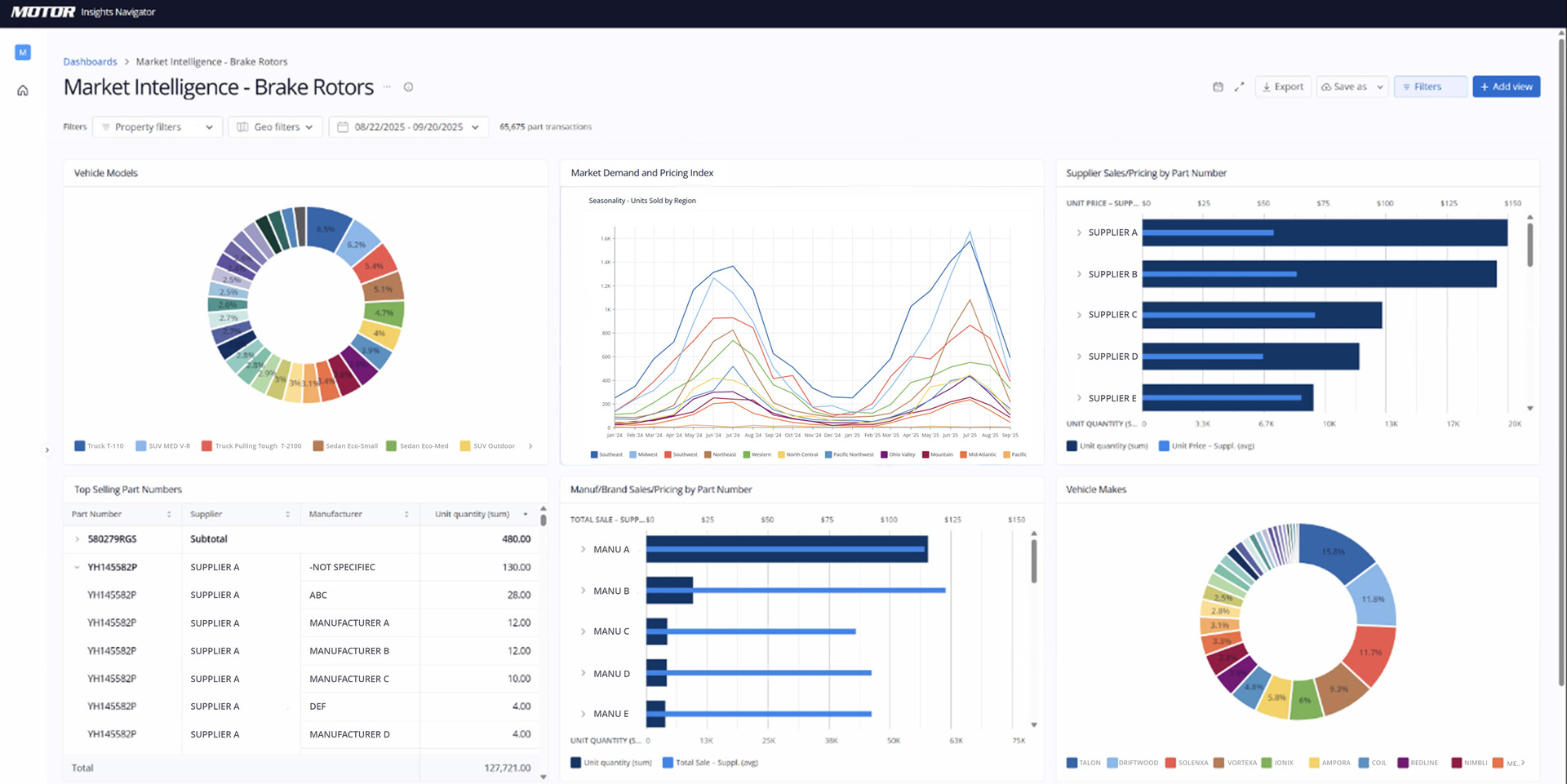
MOTOR Information Systems, a Hearst company and one of the world’s most trusted sources of automotive data, will unveil the latest version of Insights Navigator at the Automotive Aftermarket Products Expo (AAPEX) 2025, November 5–7 in Las Vegas.
Insights Navigator delivers accurate, timely service and repair market intelligence by analyzing aggregated repair and service events across the industry. The newest release enhances how aftermarket leaders, parts suppliers, technology providers, and investment analysts identify trends, benchmark performance, and make data-driven decisions.
“The automotive aftermarket is evolving at an unprecedented pace. Our goal with Insights Navigator is to help businesses not just keep up, but lead with confidence,” said Jeff Nosek, President of MOTOR.
Key updates include enhanced data granularity, customizable dashboards, built-in benchmarking, expanded data coverage, and an improved user experience for faster, deeper insights.
"Our customers have been amazed at the timely insights into market impacts by part type, far ahead of traditional channel reporting. The Insights Navigator platform now offers analysts the flexibility to monitor market impacts from tariffs and pricing trends in near real time,” said Nathan Stouffer, Product Portfolio Manager, Insights.
Attendees can experience Insights Navigator at MOTOR Booth A1030 at the Venetian Expo or schedule a private demo at www.motor.com/aapex25.
About MOTOR Information Systems
Founded in 1903, MOTOR Information Systems is one of the world’s premier suppliers of automotive data. MOTOR empowers the industry with trusted, comprehensive solutions spanning service and repair information, parts data, labor times, vehicle configurations, and market insights. A Hearst company, MOTOR continues to drive innovation and efficiency across the automotive ecosystem. Learn more at motor.com.
Media Contact
Stephen Carroll
Vice President, Marketing, MOTOR
stephen.carroll@motor.com

Inception Research Institute Launches Groundbreaking Study on Outcomes from Non-Euploid Embryo Transfers (NEETs)
The Inception Research Institute (IRI) and The Prelude Network®, both part of the Inception Fertility™ ecosystem, in collaboration with Cooper Surgical and Igenomix (part of Vitrolife Group), have launched an innovative research initiative to study the outcomes of non-euploid embryos.
The Non-Euploid Embryo Transfer (NEET) Registry is the most comprehensive prospective study of its kind, designed to track not only pregnancy outcomes but also the pediatric development and health of children born from non-euploid embryos. Developmental assessments will be conducted at two months, six months, one year, two years, and five years of age.
Preimplantation Genetic Testing for Aneuploidy (PGT-A) is widely offered as an option for patients pursuing pregnancy through in vitro fertilization (IVF). Most often, embryos with normal chromosome results are selected for transfer, with well-established outcomes. Transferring an embryo with a non-euploid result (i.e., mosaic, isolated segmental aneuploid or aneuploidy of whole chromosome(s)) may be considered for a variety of patient specific reasons. However, little information is available on the long-term outcomes of mosaic embryo transfer. Even less has been published on outcomes for other types of non-euploid results.
The NEET Registry aims to collect prenatal, neonatal and pediatric outcome information for embryos transferred with the various types of non-euploid PGT-A results to support providers and patients in their decision making regarding such transfers.
“This study will give fertility providers more data on the outcomes of non-euploid embryos beyond pregnancy success rates so they can empower their patients with the information needed to build their families,” says Lauri Black, MS, CGC, Vice President of Genetic Services at Inception Fertility. “This research has the potential to reshape how we counsel patients, giving them greater clarity and confidence as they make deeply personal decisions about their family-building journeys.”
The Inception Research Institute is dedicated to advancing all aspects of fertility care through groundbreaking research and strategic partnerships. The Prelude Network is Inception Fertility’s clinical network of top-tier fertility practices across North America.
To learn more about the Inception Research Institute, please visit inceptionfertility.com/inception-research-institute. To learn more about the NEET Registry, please visit fertilitystudies.com/neet/.
About Inception Research Institute (IRI)
Established in 2022, the Inception Research Institute, part of Inception Fertility™, advances the field of reproductive medicine by addressing the industry’s most urgent needs — including pharmacological innovation, device development, professional advancement, access to care, and studies exploring how controllable factors such as emotional health and lifestyle habits affect treatment outcomes.
The Institute supports research across The Prelude Network® — Inception’s national network of top-tier fertility clinics — by centralizing services such as IRB applications, contract review, and patient recruitment. Research conducted through the Institute has been published in leading peer-reviewed journals and presented at global forums such as ASRM and ESHRE, including a landmark 15-year study on egg freezing.
With the largest number of current studies in North America focusing on improving the patient experience, enhancing patient-centered care, researching the relationship between stress and treatment outcome, and investigating the most effective stress-reduction strategies, the Inception Fertility Research Institute continues to be an industry leader.
To learn about active studies led by the Inception Research Institute, visit fertiltystudies.com.
Media Contact
Mia Humphreys
mhumphreys@kruppagency.com
+1 239-297-6592

Unlisted Named to Top 20 in TechCrunch Disrupt’s Startup Battlefield Pitch Competition
Unlisted, the real estate technology company empowering buyers and homeowners to unlock the 98% of homes that aren’t for sale — yet, has been named to the Top 20 in TechCrunch’s 2025 Startup Battlefield 200, earning CEO and Founder Katie Hill a coveted spot to pitch on the main stage at TechCrunch Disrupt 2025 in San Francisco.
Unlisted was selected from thousands of global applicants for the Startup Battlefield 200, TechCrunch’s highly competitive showcase of the world’s 200 most promising early-stage companies. Its advancement into the Top 20 not only solidifies Unlisted as one of the most innovative startups in the world today — it also makes Unlisted the only real estate company to achieve Top 20 recognition in this year’s competition.
Hill, a Chicago Booth MBA and two-time founder, brought Unlisted’s vision for a better real estate experience to TechCrunch’s global audience of investors, journalists, technologists, and industry leaders.
“Traditional real estate platforms limit buyers to viewing the 2% of homes that happen to be on the market at the moment they’re ready to move, and limit owners to approaches from the handful of buyers seeking to purchase when a property hits the MLS,” Hill said. “Unlisted turns that outdated model on its head as the only platform that makes every single home in the United States visible, discoverable, and searchable — with features like the Waitlist that signal interest to owners who may be open to a dialogue.”
Using sophisticated AI search, Unlisted opens the aperture to display all matching homes within a specific zip code, school district, or criteria set, proactively setting the stage for buyers, owners, and agents to negotiate future transactions.
- Buyers can explore a vastly expanded inventory and gain a “first mover advantage” by joining Waitlists to signal their interest in their favorite homes.
- Owners can proactively merchandise their home on Unlisted, uploading current photos and information to showcase their property in the best light and attract a Waitlist of interested future buyers.
- Real estate professionals serve as local experts on Unlisted, standing by to provide market-specific support across Unlisted’s national footprint.
“A home is not just a place to build your life — it’s often your largest purchase and greatest financial asset,” Hill said. “Yet it’s a decision often constrained by time. Buyers shouldn’t have to settle for underwhelming inventory, and owners deserve to understand all of their options. With Unlisted, the element of time is working for you, not against you.”
Startup Battlefield has historically served as a proving ground for some of the world’s most exciting category-defining technology companies, such as Dropbox, Mint, and Cloudflare. Unlisted’s recognition in the Top 20 underscores its potential to reshape the $55 trillion real estate market.
“This recognition from TechCrunch validates what we’ve believed from day one: Unlisted is tapping an unmet need within an increasingly restrictive and competitive real estate market,” said Samuel Pro, chief technology officer at Unlisted. “This industry is ripe for innovation, and seeing Unlisted in TechCrunch’s list of the Top 20 most promising early-stage startups is an incredible validation of the platform we’re building.”
Backed by HearstLab, Hearst Newspapers, VC414, StageNext Fund, and prominent angel investors, Unlisted is giving buyers a competitive edge in today’s constrained housing market and opens new opportunities for sellers to understand market appetite in real time. To learn more about Unlisted, visit UnlistedHomes.com.
About Unlisted
Unlisted unlocks the potential in homes that aren’t for sale — yet. The company empowers home buyers to join the Waitlist for homes they love that aren’t for sale — in other words, unlisted. At the same time, homeowners collect a Waitlist of interested buyers for whenever the time comes to sell, giving everyone a head start. Unlisted also allows homeowners to control how their home is presented online; they can create a stunning up-to-date property profile that shows off the home’s best features and attracts more interest. With more time and more connection, Unlisted is a more human way to explore real estate that drives better outcomes for all. Selected to TechCrunch’s 2025 Startup Battlefield 200 as one of the top tech startups globally, and backed by HearstLab, Hearst Newspapers, VC414, StageNext Fund, and prominent angel investors, Unlisted gives buyers a competitive edge in today’s challenging housing market. For more information, visit UnlistedHomes.com.
Media Contact
Sophia Jacomet
sophia@unlistedinc.com

What Mississippi’s ‘Blockchain Basics Act’ Could Mean for Small Businesses
Mississippi’s proposed “Blockchain Basics Act” could redefine how small businesses interact with digital assets. If enacted, the law would establish clearer protections for crypto users, miners, and blockchain developers while reducing regulatory uncertainty for startups. It would also prevent state authorities from restricting everyday crypto transactions or discriminating against blockchain-based businesses. For small enterprises experimenting with tokenization, crypto payments, or smart contracts, that clarity could mean the difference between cautious hesitation and confident innovation.
To illustrate how blockchain adoption already reshapes commercial practices, consider the growing use of crypto payments in iGaming and online services. As outlined in Bitcoin casino options explained by Sofia Rebuck, modern crypto casinos focus on fast deposits and withdrawals, low fees, enhanced privacy, and provably fair gameplay powered by blockchain verification. These features eliminate many of the frictions of traditional banking, allowing users to deposit and withdraw instantly while ensuring fairness through public ledgers. Such systems exemplify how decentralized finance tools, once seen as experimental, are now transforming entire digital ecosystems. If Mississippi’s legislation affirms that these transactions are lawful and self-custody is protected, businesses integrating similar models could do so with greater confidence.
For local retailers and producers, blockchain’s promise lies in traceability and trust. Farmers could use distributed ledgers to certify the origin and freshness of produce, while boutique manufacturers might verify ethical sourcing. With clearer state guidelines, these smaller operations could implement blockchain tracking without fear of falling into regulatory gray areas. Large corporations like IBM and Walmart already use blockchain for supply chain transparency; Mississippi’s local producers could now follow suit on a smaller, affordable scale, especially if compliance costs are eased.
Beyond private enterprise, community organizations and local governments could also benefit from the Blockchain Basics Act. Municipal offices might adopt distributed ledgers for recordkeeping, property titles, or licensing systems to cut paperwork and prevent document tampering. Nonprofits could track donations transparently, giving donors visible proof of how funds are spent. Even local chambers of commerce could use blockchain-based voting tools to verify membership decisions or grant distributions. By legitimizing these applications under state law, Mississippi could set a precedent for practical civic adoption—demonstrating that blockchain isn’t just a speculative technology, but a functional tool for accountability and efficiency in everyday governance.
Tech startups across the state might also find new opportunities. A developer in Jackson could create blockchain-based platforms for real estate tokenization, while another could design tools that allow artists to mint proof-of-authenticity certificates for their work. Under the Blockchain Basics Act, miners and node operators would be classified more like data centers, shielded from excessive zoning or licensing burdens. That distinction encourages technical entrepreneurship by clarifying what is and isn’t permitted, reducing the fear of future legal shifts that could halt operations overnight.
In the financial services space, decentralized ledgers could help Mississippi’s community banks or fintech startups modernize record-keeping and payment verification. Instead of relying solely on centralized processors, small lenders could use blockchain to automate collateral tracking, loan settlements, or cross-institution reporting. This would not only improve transparency but also strengthen fraud prevention through immutable data trails. With a friendlier legal foundation, Mississippi might attract more blockchain infrastructure investments, similar to how Texas and Wyoming have positioned themselves as crypto-friendly innovation hubs.
The iGaming industry provides a glimpse into what this evolution looks like in practice. Blockchain allows for provably fair gaming systems where outcomes are mathematically verifiable, and payments happen in real time. Players don’t need to trust intermediaries; the code itself guarantees integrity. Although the Blockchain Basics Act doesn’t legalize online gambling, it could still influence innovation by ensuring that digital tokens used on legal gaming platforms are recognized under state law. That recognition could make Mississippi an attractive testbed for blockchain-driven entertainment or loyalty applications.
Nevertheless, the benefits come with challenges. Federal agencies like the SEC and IRS may still impose their own interpretations on digital assets, leaving businesses to navigate overlapping jurisdictions. Energy concerns around mining or community resistance to crypto infrastructure could slow adoption at the local level. And while the Act exempts small-value transactions under $200 from some obligations, more complex tokenized models, such as real estate or securities tokens, will remain subject to broader federal oversight.
Looking ahead, for small businesses and entrepreneurs, the message is clear: Mississippi wants to welcome blockchain, not fight it. By codifying the right to hold, trade, and build on digital assets, the Blockchain Basics Act could transform the state into a competitive hub for blockchain experimentation. From small retail shops accepting crypto to developers designing transparent iGaming platforms, a consistent legal framework could unlock innovation and economic growth grounded in digital trust.


HashKey’s IPO Plan Marks Next Step in Hong Kong’s Crypto Ambitions
HashKey Group, the operator of a fully licensed digital-asset exchange in Hong Kong, is reportedly preparing for an initial public offering that could aim to raise up to about 500 million USD, according to people familiar with the matter cited by Bloomberg. The plan underscores the city’s growing ambition to become a regulated hub for digital finance at a time when much of the global crypto industry remains cautious after recent market turbulence.
As Hong Kong deepens its role in regulated digital finance, crypto’s presence in everyday life is expanding well beyond trading floors. Major payment apps now test blockchain settlements, retailers in Tokyo and Zurich accept digital currencies at checkout, and traditional banks experiment with tokenised deposits. Streaming platforms and travel companies are also exploring crypto-based loyalty systems — subtle signs of how mainstream finance and digital assets are converging.
Within this shift, the best crypto exchanges stand out for providing secure access points that bridge retail use and institutional adoption. Across global markets, major exchanges are refining their services with faster settlement systems, broader asset coverage, and streamlined fiat integrations. Many now introduce trading incentives, lower fees, or loyalty rewards to attract users while reinforcing stricter compliance standards.
Asian and Western platforms alike emphasise user protection, transparency, and verified reserves — shaping a market that prizes stability and oversight as much as efficiency. Against this backdrop, HashKey’s upcoming IPO represents more than a corporate milestone. It mirrors a broader move toward maturity in the industry — where growth depends on regulation, reliability, and open market confidence.
The move follows HashKey’s earlier 500 million USD digital-treasury initiative, but this time the focus is on public-market credibility rather than private fund management. The firm’s potential listing would make it one of the earlier fully licensed virtual-asset companies in Asia to seek a market debut, reflecting how the region’s regulatory environment has matured since Hong Kong introduced its licensing regime in 2023.
Analysts see the offering as a test case for whether investors are ready to back regulated crypto businesses. HashKey’s exchange has grown steadily since securing its license, with daily trading volumes recently averaging more than 100 million USD. Its leadership argues that transparency, investor protection, and compliance will be the defining edge for digital-asset platforms in the post-crisis landscape.
Hong Kong’s regulators have taken a cautious but supportive stance toward virtual assets, unveiling updated rules for custody, stablecoins, and tokenised securities. The framework is designed to attract global institutions seeking a predictable regulatory environment while distancing the territory from the speculative excesses that have marred other markets.
Market observers say the reported intention by HashKey to go public represents a potential vote of confidence in that approach. A successful IPO could reinforce Hong Kong’s position as a leading Asian gateway for institutional crypto participation and capital formation, according to industry analysts. It may also encourage similar firms, particularly in Singapore and South Korea, to explore listings under local oversight.
Still, the timeline remains uncertain. The company has yet to file a formal prospectus, and final approval will depend on market conditions and investor sentiment. The offering would come amid a fragile recovery in global digital-asset valuations and heightened scrutiny from regulators worldwide.
For Hong Kong, the listing could be more than a corporate milestone. It would serve as a public test of the city’s experiment to balance innovation with control — a signal that its crypto ambitions are evolving from aspiration to execution.
The outcome could also determine whether Hong Kong’s regulatory framework can attract sustained global capital rather than speculative inflows. Success would signal that digital assets are becoming part of the city’s mainstream financial structure — not a fringe experiment, but a regulated market ready for scale.

Hutfin Unveils Breakthrough Platform Poised to Transform Commercial Real Estate
The commercial real estate industry is entering a pivotal era of technological transformation, and Hutfin is emerging as one of the most disruptive players leading the charge. With its next-generation proptech platform, Hutfin is redefining how properties are listed, financed, and transacted; bringing unprecedented transparency, speed, and accessibility to an industry long overdue for innovation.
The Rise of CRE Tech: Why Hutfin Stands Out in a Crowded Market
The commercial real estate (CRE) industry is in the midst of a transformation that is long overdue. For decades, the sector has relied on traditional networks, opaque negotiations, and time-consuming closings. But technology is now reshaping the way properties are listed, marketed, financed, and sold. At the forefront of this shift is Hutfin, a next-generation commercial proptech platform designed to bring greater transparency, speed, and accessibility to the marketplace.
A Market Ready for Change
The global CRE technology market, valued at more than $13 billion in 2023, is projected to grow rapidly over the next decade. Yet industry participants still face challenges that feel stuck in another era: fragmented data, rising transaction costs, and deals that drag on for months.
“The commercial real estate industry has operated in silos for too long,” says Arun Ghosh, founder and CEO of Hutfin. “Brokers, buyers, and investors often deal with inefficiencies that slow down deals and make transactions unnecessarily expensive.”
Ghosh, a certified commercial real estate expert with a background in investment analysis, cloud architecture, and finance, launched Hutfin to tackle these problems head-on.
Hutfin is more than just another listing platform. It is a commercial real estate marketplace built to make transactions between buyers, sellers, and brokers more efficient. The platform provides a live inventory of commercial properties for sale and lease, along with search and connection tools that help clients find the right real estate agents. Investors can take advantage of detailed insights that make it easier to evaluate listings quickly and accurately, while integrated workflows bring property discovery, deal structuring, and financing together in one place. Intelligent automation gives buyers and sellers the ability to make better decisions, helps brokerages put together stronger packages, and streamlines the due diligence process. By focusing on clarity and speed in an industry often known for complexity, Hutfin offers a true marketplace advantage and a better way to complete commercial real estate transactions.
Why Fractional Ownership Matters for New Investors
For decades, commercial real estate was dominated by institutional capital and ultra-wealthy investors. Hutfin is changing that. Through fractional ownership opportunities, everyday investors can participate in high-value CRE deals at a fraction of the traditional entry cost.
This democratized approach:
- Lowers the entry barrier for first-time investors.
- Allows diversification across multiple properties.
- Opens access to deals once out of reach for individuals.
By bringing new people into the industry, Hutfin is reshaping how investing in commercial real estate is perceived, making it more inclusive, transparent, and aligned with modern investor needs.
Leadership Driving Innovation
Arun Ghosh’s leadership has been pivotal to Hutfin’s trajectory. A former U.S. Army officer with certification in commercial real estate investment analysis, Ghosh combines operational discipline with entrepreneurial vision. His ability to merge traditional brokerage expertise with forward-thinking technology has attracted both seasoned brokers and new investors.
In 2024, Hutfin achieved a key milestone by onboarding a top brokerage and expanding its footprint across Southeast Asia and the Middle East. Its strategy of rewarding partnerships with finder’s fees and advisor shares has accelerated adoption among commercial real estate professionals.
Standing Apart in a Crowded Sector
While many proptech companies focus on niche solutions — whether construction tech (contech), smart building management, or digital leasing — Hutfin distinguishes itself with an integrated ecosystem. Users can find commercial property for sale, analyze financing, connect with agents, and close deals all on one platform.
The addition of fractional ownership further broadens Hutfin’s appeal, bridging the gap between institutional-grade opportunities and individual investors who have historically been excluded.
Arun’s Vision for the Next Decade
Looking forward, Ghosh envisions a paradigm shift in how CRE transactions are initiated and closed. Despite advances, many deals today still drag on with extended negotiations and drawn-out underwriting. In the next decade, he believes this will change dramatically, with transactions executed as seamlessly as a mobile payment.
In this future state:
- Mobile deal reservation: Investors could lock in a property for 30 days with a swipe on their smartphone — securing exclusive rights while they perform due diligence.
- Risk defined by EMD: Exposure would be limited to the earnest money deposit (EMD), giving investors confidence to proceed without fear of complex penalties.
- Packaged deal cards: Brokerages, working with financial institutions, would prepare standardized “deal cards” complete with financing structures, underwriting assumptions, and projected returns.
- Marketplace competition: Multiple brokerages could present competing packages on the same property, creating a dynamic CRE marketplace where the best offer wins.
- Instant exclusivity: Once swiped right, the EMD is automatically secured in escrow and competing offers on that property disappear in real time — similar to a live bid.
HNWI Spotlight: Why Speed and Simplicity Matter
For high-net-worth individuals (HNWIs), time is more valuable than money. Arun’s vision recognizes this reality:
- Speed is leverage: The faster you swipe right, the greater your chance of securing a property before another investor makes the same move.
- No wasted time: With pre-packaged offers, there’s no drawn-out negotiation cycle — investors can make informed decisions immediately.
- Walk-away flexibility: If a deal doesn’t align with their strategy, the only loss is the initial deposit, minimizing risk.
As Ghosh explains: “Commercial real estate is a decades-old industry, but it’s time to bring it to the forefront of technology. In the near future, acquisitions will close faster, brokerages will deliver more value through packaged offerings, and investors, especially high-net-worth individuals; will transact seamlessly from anywhere in the world.”
The Bigger Picture
Industry studies show that nearly 60% of CRE firms plan to expand their technology budgets in the next five years. Digital tools could reduce transaction costs by as much as 20% while accelerating closings. Platforms like Hutfin, with their emphasis on transparency, inclusion, and speed, are positioned to lead this transformation.
By combining fractional ownership for new investors with a bold vision for mobile-first dealmaking, Hutfin is bridging the past and the future of CRE.
Conclusion
The commercial real estate industry is undergoing a once-in-a-generation transformation. For investors, brokers, and institutions, platforms like Hutfin represent the future of the CRE marketplace; where listings, financing, and closing workflows converge in a single digital experience.
With its vision for fractional ownership and seamless mobile transactions, Hutfin isn’t just solving today’s inefficiencies. It is shaping how commercial real estate will be transacted in the next decade.
About Hutfin
Hutfin was designed with a clear mission: to create a streamlined, easy-to-use, and transparent platform for listing commercial real estate. At its core, Hutfin is more than just a listing platform — it’s a space that fosters connections, promotes transparency, and enables seamless transactions for property professionals and investors alike. Here’s what makes Hutfin the standout choice in the commercial real estate market. For more information, visit www.hutfin.com.
Media Contact
Ava Vonfyler
ava@hutfin.com


StartupMafia Highlights 10 Local, Lifestyle and Wellness Brands Transforming Everyday Life
Businesses looking to improve well-being, home experience and lifestyle quality are turning to new-generation companies offering practical, human-centred solutions. StartupMafia has selected ten standout brands redefining how people live, travel and feel in 2025.
Blue Sky Scrubs
Blue Sky Scrubs designs medical apparel, including scrub caps, that merges comfort, performance, and modern aesthetics. The Austin-based company helps healthcare professionals look and feel their best through flattering fits, durable fabrics and thoughtful details such as custom monogramming.
It stands out by elevating everyday workwear into a form of professional self-expression — combining practicality and design in a field often dominated by function alone.
Bayside Builders Group
Bayside Builders Group is a trusted general contractor serving Alameda and the wider Bay Area, specialising in kitchen renovations and home remodelling. The company is known for transparent communication, precise craftsmanship and reliable project delivery.
Its distinguishing strength lies in end-to-end project handling — from design to completion — backed by a reputation for consistent quality and homeowner trust.
The Steam Team
The Steam Team is Austin’s locally owned cleaning and restoration company, operating 24/7 for water damage emergencies, structural drying, mould remediation and fire or smoke cleanup. It also provides carpet, rug, tile, grout, stone and air-duct cleaning.
What makes The Steam Team unique is its dual expertise: emergency restoration and routine maintenance, delivered with certified technicians and clear communication since 1983.
BumblebeeSmart
BumblebeeSmart creates Montessori-inspired sensory wall panels that encourage fine motor skills, sensory exploration and creativity among children. Made from safe, eco-friendly and durable materials, they are used at home, in schools, cafés, therapy centres and public spaces.
The company’s modular design and educational value make its panels a versatile choice for families and institutions seeking inclusive, engaging play environments.
OKDERMO
OKDERMO curates weight-management products often discussed alongside healthy eating and physical activity. Its catalogue includes GLP-1-based treatments, fat-blocking aids and appetite-control combinations, each backed by medical evidence and global availability.
What sets OKDERMO apart is its clear educational focus — helping consumers understand the realistic, evidence-based approach to weight management while navigating varied international regulations safely.
Mauka Hualalai Rentals
Mauka Hualalai Rentals is a family-run business on Hawai‘i’s Big Island offering luxury cars, convertibles, SUVs and vans for travellers. With five-star reviews and personal service, the company delivers vehicles directly to hotels, airports and resorts.
It distinguishes itself through local hospitality, premium fleets and competitive pricing — turning transportation into an essential part of a memorable island experience.
AirAdvisor
AirAdvisor is a global flight and baggage compensation platform helping passengers claim refunds efficiently. Trusted by more than 500,000 users across 150 countries, the service combines legal expertise with proprietary analytics for fast, fair outcomes.
Its reliability stems from a high success rate, patent-pending technology and strict data privacy standards — including cyber insurance and GDPR-trained teams, backed by an international network of lawyers.
Raw Arctic
Raw Arctic is a Greenlandic adventure company founded by young local entrepreneurs, offering experiences such as fly fishing, sailing among icebergs, whale watching and wilderness camping. Sustainability and community engagement sit at its core.
It stands out by merging environmental responsibility with authentic storytelling — showcasing the spirit of Greenland through small-group adventures that respect nature and local tradition.
BLS Rent Car
BLS Rent Car operates in Poland, offering a modern fleet and transparent pricing for both short- and long-term rentals. The company provides nationwide vehicle delivery and 24/7 professional support.
Its commitment to clarity — no hidden fees, high maintenance standards and flexible terms — makes it a reliable choice for business and leisure travellers seeking comfort and safety.
Live Clean Today
Live Clean Today delivers professional cleaning services using only all-natural, non-toxic products. Its teams remove dirt and allergens without the use of harsh chemicals, plastics or synthetic additives.
The brand stands apart for its “green clean” philosophy — offering a sustainable, health-focused alternative that protects both surfaces and the people living in them.
Together, these companies capture the business priorities of 2025: sustainability, personal well-being, trusted local expertise and seamless experiences. They represent how innovation and responsibility are reshaping the lifestyle and wellness industries for modern consumers.
About StartupMafia
StartupMafia is a European publisher spotlighting innovative companies across technology, sustainability, lifestyle and business. It provides research and editorial coverage for global readers seeking emerging trends and entrepreneurial insights. For more information, visit startupmafia.eu.
Media Contact
StartupMafia.eu Press Department
press@startupmafia.eu


Anthony Pellegrino on Goldstone Financial Group’s Impact as It Approaches 20 Years of Redefining Retirement Planning
For nearly two decades, Goldstone Financial Group has stood as a trusted partner to individuals navigating the complex world of retirement planning. Founded by Anthony Pellegrino, Goldstone has steadily expanded its reach, serving clients with a mission to help them retire with confidence. As it approaches its 20th anniversary, the company reflects on the evolution of retirement itself, particularly how responsibilities have shifted, risks have grown, and planning has become more essential than ever.
The firm’s mission has always gone beyond traditional wealth management. “We don’t create investment plans. We create financial plans,” Pellegrino explains. “Our work is to help you support yourself, your health, and your family’s future. That’s the measure of true financial planning.” At a time when people shoulder more responsibility for their retirement security, Goldstone has positioned itself as a guide, educator, and safeguard.
Goldstone is known for its proprietary Goldstone Retirement Roadmap™ — income planning, investment management, tax strategies, healthcare planning, and estate and legacy protection. This approach is all about helping clients not just to retire but to stay retired. The firm moves away from fragmented services and emphasizes integration, delivering coordinated strategies across disciplines to reduce risks, preserve wealth, and extend peace of mind.
What sets Goldstone apart is the team behind the plans. Pellegrino built a culture where excellence isn’t optional, bringing together fiduciary advisors, financial planners, financial analysts, public accountants, and agents under one roof. Each specialist focuses on a key area, but together, they provide oversight rarely available outside of elite family offices that typically require hundreds of millions in investable assets.
“One of our goals has always been to bring that family office level of service to clients with $1 million, $5 million, or $10 million in investable assets,” Pellegrino adds. “You shouldn’t need nine figures to experience the confidence of knowing every angle of your plan has been considered.”
To illustrate the difference, Pellegrino often compares working with a single advisor to visiting a general practitioner for a quick check-up. He continues, “Yes, a quick visit to your doctor might give you a clean bill of health. But at a leading hospital, an executive physical is a more in-depth experience that spans more than a day. You’ll meet with specialists like a cardiologist, oncologist, and nutritionist, experts who test and scan for things you may not even know to ask about. That’s the difference. At Goldstone, we examine all five aspects because hidden risks can derail a retirement just as undetected health issues can impact a life.”
That philosophy has attracted top-tier professionals who want to be part of something that makes a tangible impact. The firm has been certified as a Great Place To Work® and repeatedly recognized by Fortune. It’s also one of the fastest-growing companies in the country through multiple Inc. 5000 listings. This recognition is a reflection of the energy Goldstone fosters, a culture that draws talent eager to innovate, serve, and build lasting relationships with clients.
Pellegrino envisions the next chapter of Goldstone as one of continued expansion and innovation. With economic uncertainties and healthcare costs rising, the need for comprehensive, disciplined planning will only grow more urgent. “Retirement isn’t just a finish line anymore,” Pellegrino says. “It’s an evolving journey that requires ongoing guidance. We’ve been doing this for nearly 20 years, but in many ways, we’re just getting started.”
About Goldstone Financial Group
Goldstone Financial Group, founded by Anthony Pellegrino, is a fiduciary firm specializing in retirement planning, income strategies, and asset protection. It offers personalized guidance through its Goldstone Retirement Roadmap to help clients retire with confidence and integrity. To learn more, visit goldstonefinancialgroup.com.
Media Contact
Goldstone Financial Group Team
info@goldstonefinancialgroup.com

More Than 1 in 10 U.S. Adults Regularly Used Noble Kava in the Past Year, Study Shows
A newly released and peer-reviewed study co-authored by the Kava Coalition, College of Pharmacy, Department of Medicinal Chemistry, University of Florida, and others, was published in the Journal of Ethnopharmacology and found that 10.7% of U.S. adults reported using kava in the past year, offering the clearest picture to date of how Americans are integrating kava into their lives in various formats from traditionally prepared aqueous beverages to dietary supplements.
The nationally representative survey that sampled 2,000 respondents found that noble kava is most commonly consumed at home (59.4%) and in kava bars (33.7%). Traditional beverages, capsules, and teas are the most popular forms of kava identified in the study showing its use as a food and a dietary supplement. The most reported perceived effects were happy, relaxed, and friendly, with over 88% rating kava as effective for occasional stress relief and relaxation.
“This study establishes the first national baseline for noble kava use in the United States,” said Douglas La Rose, Executive Director of the Kava Coalition and co-author of the study. “The research will help kava bars and businesses understand their customers’ backgrounds, needs, and interests in consuming kava beverages and dietary supplements. For decades, Pacific Island communities have shared noble kava as part of their cultural heritage and as a natural means of fostering social connection. Similar social connections are rapidly developing across the U.S. among kava bars and consumers. Seeing these traditions translate and take root in the United States on such a wide scale is both historic and instructive. These findings give policymakers and the industry a foundation to build on - ensuring that as kava’s popularity grows, it does so in a way that protects consumers and promotes responsible regulation and market development.”
The research underscores the importance of advocacy and education as the U.S. kava sector expands. The Kava Coalition continues to work with regulators, scientists, vendors, consumers and Pacific Island stakeholders to promote responsible growth of the industry from agricultural production to product development, and greater understanding of noble kava’s role in the U.S. market.
The Journal of Ethnopharmacology is the official journal of the International Society for Ethnopharmacology. The journal is dedicated to the exchange of information and understanding about people's use of plants, fungi, animals, microorganisms and minerals and their biological and pharmacological. The article, “Prevalence and use patterns of kava (Piper methysticum) in a U.S. nationally representative sample,” is available online.
About Kava Coalition
The Kava Coalition is an alliance of noble kava consumers, experts, and industry leaders committed to advancing kava education, advocacy, and choice. By promoting responsible consumption, market transparency, and cultural respect, the Coalition works to ensure that noble kava is widely recognized, accessible, and valued as a safe, pro-social beverage. For more information, visit www.kavacoalition.org.
Media Contact
Meagan Luevano
info@kavacoalition.org
+1 916-603-1839
The Sellenriek Family of Companies Unveils Rebrand and New Websites, Marking a Bold Step Forward
The Sellenriek Family of Companies, a trusted leader in utility and infrastructure construction since 1979, is proud to unveil a major rebrand and the launch of four new websites, representing a unified vision, renewed identity, and strengthened commitment to serving broadband, energy, and utility markets across the United States.
A Legacy Built Since 1979
What began as a small utility contractor in 1979, has grown into a powerful collective of companies operating under one name, with one mission: to power the infrastructure that communities rely on most. Through recessions, market shifts, and technology leaps, the Sellenriek family never wavered in their commitment to do the job right.
The new branding and websites reflect this legacy of service and forward-thinking innovation, designed to better connect with clients, partners, and communities while positioning the company for its next era of growth.
See the updates here: https://youtu.be/iKmqoSeObf8
“As we look back on more than 25 years of growth, the Sellenriek Family of Companies has always stayed true to its foundation, hard work, integrity, and a belief in our people,” said Heath Sellenriek, President and COO of Sellenriek Family of Companies.
“Our success has come from investing in our team, expanding our capabilities, and continually raising the standard of underground construction. Just as we invest in our people and our operations, we’re also committed to reinvesting in our image and marketing. We want customers, partners, and communities to recognize the Sellenriek Family of Companies as the premier choice for underground and overhead construction in the United States, and to know they can count on us for exceptional service every time.”
From a Two-Person Team to an Industry Powerhouse
From the earliest fiber builds to today’s complex, multi-state broadband, energy, and utility projects, the Sellenriek Family of Companies has never lost sight of what matters most: safety, trust, and lasting partnerships.
In the 1980s, Bob Sellenriek invested in his first mechanic to keep the growing fleet operational. By the 1990s, the company expanded to over 100 employees, offering broadband deployment at scale. The early 2000s brought vacuum excavation services, and by 2014, the company was leading utility locating and full design-build projects with advanced GIS and project dashboards.
Today, the family-led business includes:
- Sellenriek Construction, the group’s original cornerstone and a national leader in broadband and underground utility construction
- Sellenriek Energy, specializing in electrical distribution, grid hardening, and storm restoration services
- Selcon, a scalable infrastructure partner serving broadband, oil & gas, and emerging energy sectors with turnkey solutions
- Anderson Underground, known for its rock-solid reliability and deep experience across Minnesota, the Dakotas, and the northern Midwest.
Together, these companies operate as one group with many solutions under the Sellenriek Family of Companies banner, which has a dedicated website of its own. The binding throughline between all of the Sellenriek brands is shared leadership, unified standards, and a belief in building things that last.
New Websites. New Look. Same Trusted Results.
As part of this rebrand, each company within the Sellenriek Family of Companies has launched a newly redesigned website and updated visual identity. These changes offer a more cohesive and modern representation of who they are, what they do, and where they’re headed. Visitors to the site will find a clean, mobile-friendly design, along with detailed service information spanning fiber, electrical, civil, and energy construction.
While the new look reflects where the company is headed, it’s also a nod to the values that built it: transparent communication, high-touch client service, and accountability at every step of the project.
This refresh is more than just a visual update, it reflects a strategic investment in how the Sellenriek Family of Companies shows up to clients, communities, and partners. It reinforces their reputation as a forward-thinking, reliable infrastructure partner committed to excellence in both operations and communication.
Powered by People. Built for Generations.
Central to the Sellenriek story is a belief that people are the backbone of every project. Field-tested crews, dedicated safety professionals, skilled engineers, and strong leadership have all fueled the company’s rise, and will continue to shape its future.
From day one, the company has prioritized its team, offering extensive training, growth paths, and a workplace culture where many have stayed for decades. Today, several senior leaders began as field crew and worked their way up.
Whether they’re deploying fiber in a rural community or restoring power after a major storm, the team brings unmatched experience, safety-first execution, and pride in a job done right.
Looking Ahead
With this rebrand and digital relaunch, the Sellenriek Family of Companies is doubling down on its commitment to excellence, growth, and long-term client partnerships. As demand for resilient infrastructure grows across rural broadband, municipal utilities, energy distribution, and large-scale civil projects, the Sellenriek team remains focused on what it does best — combining hard-earned experience with a future-ready mindset.
From the early days of hand-dug trenches to today’s high-tech deployments, one thing hasn’t changed, the people behind the work.
Whether building broadband for rural towns, restoring power after storms, or delivering major civil construction projects, the Sellenriek Family of Companies remains the name clients trust when it matters most.
About Sellenrieck Construction
Sellenriek Construction is an industry leader in underground and aerial fiber construction, delivering turnkey broadband and utility solutions for ISPs, regional utilities, and municipal networks. With a reputation built on expertise, safety, and integrity, Sellenriek Construction powers the future of fiber networks — installing thousands of miles of high-speed broadband and resilient utility infrastructure across the Midwest and beyond. For more information, visit sellenriekconstruction.us.
Media Contact
Joshua Estes
Founder and Partner, Estes Media
info@estesmedia.com

Inception Fertility Announces 37 Abstracts Accepted, to be Presented at the 2025 ASRM Scientific Congress
Inception Fertility™ (Inception), the largest provider of comprehensive fertility products and services in North America, announces today that 37 abstracts from its clinical network, The Prelude Network® (Prelude), have been accepted by the American Society for Reproductive Medicine (ASRM) to be presented at the 2025 ASRM Scientific Congress, taking place October 25-29, 2025 in San Antonio, Texas.
ASRM is a professional organization dedicated to advancing the science and practice of reproductive medicine. Its annual Scientific Congress is a gathering of multi-disciplinary professionals who share the latest scientific breakthroughs and discoveries in reproductive endocrinology and infertility.
“Reproductive medicine continues to evolve rapidly, driven by the passion and innovation of physicians dedicated to helping more patients build their families,” said TJ Farnsworth, founder and CEO of Inception Fertility, the parent company of Prelude. “We’re deeply grateful to our researchers and clinicians whose commitment continues to explore what’s possible in reproductive care.”
Physicians from across Prelude's global network, including NYU Langone Fertility Center, Reproductive Medicine Group, Indiana Reproductive Institute, Aspire Houston Fertility Institute, and Regional Fertility Program in Canada, will present abstracts on some of the most pressing topics in reproductive medicine, including mosaic embryos, genetics, LGBTQ+ family building, oncofertility, male factor infertility, among others.
“The ongoing evolution of reproductive medicine is driven by research that directly improves patient outcomes and quality of care for the millions impacted by infertility,” said Dr. Jamie Grifo, Program Director at NYU Langone Fertility Center and Chief Executive Physician at Inception Fertility. “Prelude’s strong presence at the 2025 ASRM Scientific Congress underscores our leadership in advancing the science of reproductive medicine, and I commend my colleagues for their meaningful contributions to this important work.”
For media attending the 2025 ASRM Scientific Congress who would like to connect on-site with Prelude physicians to further discuss their abstracts, or for media interested in reporting in any one of these studies, please contact Mia Humphreys at mhumphreys@kruppagency.com.
About Inception Fertility
Inception Fertility™ (Inception) is a family of fertility brands committed to helping patients build their own families. Built by patients for patients, Inception's purpose is to achieve the highest bar in experience, science and medicine in an effort to enhance each patient's experience and achieve better outcomes.
Inception's medical experts are leading pioneers in fertility care. Our doctors are some of the first to use breakthrough assisted reproductive technologies (ART) – including in vitro fertilization (IVF), preimplantation genetic testing (PGT) and fertility preservation services – and they continue to lead the industry by building on these technologies by through development, research and thought leadership.
Through its growing family of national organizations — which includes The Prelude Network®, the fastest-growing network of fertility clinics and largest provider of comprehensive fertility services in North America; MyEggBank®, one of the largest frozen donor egg banks in North America; BUNDL Fertility™, a multi-cycle fertility service bundling program; HavenCryo™, a long-term reproductive preservation and storage solution provider and NutraBloom®, a premium lifestyle brand with expertly formulated supplements to support individuals' health and wellness goals for preconception — Inception is working to deliver on its promise to push the envelope of what is possible for exceeding patient expectations.
To learn more about the Inception Research Institute, please visit inceptionfertility.com/inception-research-institute/. You can see a full of active research studies by visiting fertilitystudies.com.
About The Prelude Network
The Prelude Network® (Prelude), the fastest-growing network of fertility clinics and largest provider of comprehensive fertility services in North America, is the clinic network of Inception Fertility™ — a family of fertility brands that touches every part of the fertility journey, including diagnostics and treatment to financial accessibility.
Each clinic, as part of Prelude, is committed to delivering the highest level of personalized fertility care by the nation's leading reproductive endocrinologists, embryologists and practitioners by focusing on an excellence in science, medicine and the patient experience. The growing Prelude Network has more than 90 total locations nationwide, offering a wide range of fertility services including egg freezing, IVF, genetic testing, LGBTQ+ fertility options, and egg/embryo storage, among others.
Those clinics within Prelude include Aspire Fertility Austin (Texas); Aspire Fertility Dallas (Texas); Aspire Fertility McAllen (Texas); Aspire Fertility San Antonio (Texas); Aspire Houston Fertility Institute (Texas); Advanced Fertility Center of Chicago (Illinois); Center for Reproductive Medicine (Florida); Indiana Fertility Institute (Indiana); IVFMD (Florida); Main Line Fertility (Pennsylvania); NYU Langone Fertility Center (New York); NYU Langone RSNY (New York); Pacific Centre for Reproductive Medicine (Canada); Pacific Fertility Center (California); Regional Fertility Program (Canada); Reproductive Biology Associates (Georgia); Reproductive Science Center of New Jersey (New Jersey); Tennessee Fertility Institute (Tennessee), and The Reproductive Medicine Group (Florida).
Media Contact
Mia Humphreys
mhumphreys@kruppagency.com
+1 239-297-6592
Unlisted Expands Network of Real Estate Professionals with Arthur Goodrich of Sotheby’s International Realty
Unlisted, a pioneering digital real estate community focused on the 98% of homes that aren’t for sale—yet, today announced that Arthur Goodrich, founder of The Goodrich Group at Sotheby’s International Realty, has joined as the exclusive Local Expert for buyers and homeowners across Napa and Sonoma Valley, serving the ZIP codes 94515, 94574, 94599, and 95448. Known for his strategic mindset, market insight, and relationship-driven approach, and recognized as one of the Best Real Estate Agents in the United States by Realtrends.com for three years running, Goodrich brings a unique blend of corporate leadership experience and real estate success to Unlisted’s expanding nationwide network.
Unlisted’s platform is designed to create transparency and opportunity across every side of the real estate experience. Buyers can explore homes that capture their interest beyond what’s currently listed, homeowners can control their home’s online image and gauge market demand, and agents gain a new way to connect with clients and showcase their expertise.
Using publicly available data, Unlisted builds a digital property profile for every home in the country. These profiles allow buyers and agents to create tailored lists of homes that fit their criteria—even if those homes aren’t for sale. Buyers can then join the Waitlist for properties they love, signaling real-time interest and creating meaningful connections between homeowners, agents, and potential buyers.
Each Local Expert on Unlisted receives an agent profile connected to every home in their ZIP code. Only one agent per ZIP is chosen, reflecting their proven market knowledge, reputation, and client trust. As Unlisted continues to grow nationwide, its mission remains the same: to empower buyers, homeowners, and agents through connection, transparency, and possibility.
With over $150 million in career sales, Arthur Goodrich has become one of Napa Valley’s most trusted luxury real estate advisors. After more than 30 years in corporate leadership—where he led national sales teams and major growth initiatives—Goodrich transitioned into real estate, quickly earning a reputation for his precision, discretion, and business acumen. Prior to entering real estate sales, he founded Mayastoga Property Group, a luxury vacation rental and concierge service representing more than 25 homes across the region. Arthur’s deep local ties and firsthand knowledge of Wine Country living uniquely position him to guide clients through high-value, complex transactions.
“Unlisted provides an entirely new avenue for connection and discovery,” said Goodrich.
“Arthur represents the forward-thinking, client-first mindset that defines Unlisted’s network,” said Katie Hill, founder and CEO of Unlisted. “His combination of strategic insight, professionalism, and genuine care for his clients makes him an invaluable resource for homeowners and buyers across Napa and Sonoma Valley.”
To learn more about Unlisted, visit UnlistedHomes.com or UnlistedHomes.com/Agents.
To learn more about Arthur Goodrich, visit his Unlisted profile or The Goodrich Group website.
About Unlisted
Unlisted focuses on the 98% of homes that aren’t for sale—yet. The company empowers home buyers to join the Waitlist for homes they love that aren’t for sale—in other words, unlisted. At the same time, homeowners collect a Waitlist of interested buyers for whenever the time comes to sell, giving everyone a head start. Unlisted also allows homeowners to control how their home is presented online; they can create a stunning up-to-date property profile that shows off the home’s best features and attracts more interest. With more time and more connection, Unlisted is a more human way to explore real estate that drives better outcomes for all. For more information, visit UnlistedHomes.com.
Media Contact
Sophia Jacomet
sophia@unlistedinc.com

HLoveCo Launches as the New Agency Network Building the Future of Branding, One Personal Empire at a Time
Visionary brand leader Hallie Harris today announced the launch of HLoveCo, a new agency network at the intersection of people, purpose, and personal brand power. HLoveCo helps creators, celebrities, and C-suite leaders grow into empire-level brands through heart-led storytelling and business-first strategy.
Its founding client roster includes Rhone co-founders Nate and Ben Checketts, and wellness creator Helen Leland, and others, each reflecting the network’s mission to nurture personal brands into lasting legacies.
“I am here to change the way the world sees personal influence. HLoveCo is rooted in a simple but radical idea: the most powerful brands aren’t built by companies, they’re built by people. Visionary people. Brave people. The kind who move culture forward by showing up fully as themselves,” said Harris. “That’s who we’re here to serve with structure, strategy, and soul.”
With over 20 years of experience scaling creator-first marketing models, Harris previously served as CEO of Village Marketing, where she grew the business to over 9 figures in annual revenue. She led campaigns for brands like Nike, Venmo, Walmart, and The Honest Company, and oversaw Village’s 2022 acquisition by WPP, cementing influencer marketing as a core pillar of global brand strategy.
“We bring together specialized teams, talent, and technology under one collaborative ecosystem,” said Harris. “Our modular model allows us to build tailored teams that scale personal brands into empires, brands that are resilient, relevant, and built to last.”
As the first of its kind, HLoveCo pioneers a new category at the intersection of executive branding, the creator economy and creative storytelling. Beyond client services, HLoveCo is developing a broader platform to support visionaries through venture incubation, IP co-creation, and innovative publishing models that empower individuals to own and expand their influence.
At the center of the company’s approach is its Head + Heart Framework, a methodology that blends qualitative storytelling with AI-powered audience insights, trend mapping, and predictive creative testing. This framework ensures clients show up both authentically and strategically across the right channels at the right time.
The agency network focuses on three core client segments:
- Creator: Building next-gen brands with innovative creators
- Celebrity: Partnering with cultural catalysts to launch high-impact ventures
- C-Suite: Empowering executives and founders, to unlock their influence as strategic brand assets
“Personal brand isn’t just another tactic or channel, it is the brand,” added Harris. “People deserve the same strategic rigor and creative firepower as any legacy brand.”
Harris is joined by senior talent who have worked with agencies like Mekanism, Droga5, EP+Co, Saatchi & Saatchi, VCCP, Goodby Silverstein & Partners, 72andSunny across brands like American Express, ESPN, Google, Linkedin, Michelin, Ray-Ban, Rolex, and more.
The name HLoveCo is a tribute to human connection, heart-led leadership, and the belief that real growth happens when you love what, and who, you build with.
About HLoveCo
HLoveCo is a people-first agency network redefining brand through the power of personal influence. Founded by Hallie Harris, HLoveCo partners with creators, celebrities, and executives to co-build enduring personal brands rooted in purpose, strategy, and storytelling. With proprietary tools, long-term growth models, and a scalable talent network, HLoveCo delivers future-facing brand transformation at the speed of culture. Learn more at www.hloveco.com.
About Hallie Harris
Hallie Harris is a marketing visionary, operator, and cultural strategist who has advised, scaled, and invested in over 40 companies across media, tech, and the creator economy. She previously held leadership roles at Village Marketing, Mekanism, and Iconic Entertainment, working with talent and brands including Jay-Z, Jessie James Decker, Diplo, Amazon, and the Biden for President campaign. Harris also lectures at UNC-Chapel Hill and NYU’s Stern School of Business. Today, she is founder and CEO of HLoveCo.
Media Contact
HLoveCo Media Relations
press@hloveco.com


Heatseeker Secures Strategic Investment from HearstLab to Close Advertising’s Biggest Blind Spot: The 'Say–Do' Gap
Heatseeker, the behavioral data platform redefining how companies understand audiences, today announced a strategic investment from HearstLab, Hearst’s mission-focused strategic corporate venture fund.
The investment marks the first close of Heatseeker’s $5 million seed round, following a $2.5 million pre-seed led by Capital F and including investment from Eastend Capital, and Euphemia.
Heatseeker helps marketers close advertising’s “say–do gap” by turning verified behavioral data into predictive insights. Its Market Experiments Engine lets brands see how audiences actually behave on social platforms before they launch.
“We're thrilled to invest in Heatseeker AI and their world-class team,” said Eastin Rossell, venture director at HearstLab. “We see tremendous opportunities to partner with Heatseeker across Hearst's global ecosystem of brands and portfolio companies. We're excited to support Kate, Fiona and Rutger as they continue their impressive growth and evolution.”
“With HearstLab’s investment, we’re expanding access to real behavioral data for brands that want to make smarter, faster creative decisions,” said Kate O’Keeffe, co-founder and CEO of Heatseeker. “Hearst has long been synonymous with trusted storytelling. Together, we’re bringing a new layer of evidence to the art and science of what connects with audiences.”
“From the very beginning, Heatseeker has stood out for its ability to turn complex human behavior into simple, actionable insight,” said Margaret Coblentz, general partner at Capital F, pre-seed lead investor and advisor to Heatseeker. “Kate, Fiona, and the team are building a platform that gives go-to-market teams the confidence to make critical decisions in days, not months, and seamlessly brings customer insights into every step of the business process. This new investment from HearstLab is powerful validation of both their vision and execution.”
From Guesswork to Proof
Heatseeker uses live behavioral data, such as clicks, sign-ups, and engagements, not surveys or intent signals, to simulate real audiences and predict which creative, message, or product will win with up to 90% accuracy.
To make these simulations more tangible, Heatseeker also visualizes audience behavior through lifelike, behaviorally trained AI avatars—digital representations of real audience segments that move, react, and respond like actual customers. This “customer in the room” experience gives marketers and creative teams a fast, intuitive way to see how campaigns will perform and why certain messages resonate.
Teams can run rapid “what-if” experiments across audiences and regions testing copy, pricing, or positioning and instantly see what drives attention, recall, and conversion. Instead of waiting weeks for research or campaign data, CMOs can get evidence-based answers in minutes.
At SXSW Sydney 2025, Heatseeker and KPMG showcased this capability through four data-trained customer avatars that let executives test ideas in real time, illustrating how AI and behavioral science are transforming decision-making across industries.
About Heatseeker
Heatseeker helps companies see what customers do, not what they say. Its Market Experiments Engine combines live testing with real buyers on social channels and always-on, AI-powered digital audiences trained on verified behavioral data. This approach lets brands simulate customer reactions, run predictive experiments, and surface answers grounded in real behavior, not opinion. Every result is backed by statistical confidence and transparent data provenance, closing the "say–do" gap that wastes time and budget.
Founded in Australia by Kate O’Keeffe, Fiona Triaca, and Rutger Coolen, Heatseeker is a global company with headquarters in Australia and the US, trusted by top Fortune 500 brands to move from research delays to real-time, evidence-based decisions.
Learn more at www.heatseeker.ai.
About HearstLab
HearstLab is a mission-focused strategic corporate venture fund providing cash investments and strategic support to women-led startups. Founded in 2016, HearstLab has invested globally in more than 80 companies with a combined valuation exceeding $2 billion. Portfolio companies benefit from access to resources across Hearst's 360+ businesses and a Scout network of 220+ women leaders who provide expertise and strategic guidance. HearstLab invests from the pre-seed to Series A stages with a mission to close the gender gap in venture capital.
Learn more at www.hearstlab.com.
Media Contact
Lindsey Plocek
Head of Product Marketing, Heatseeker
lindsey@heatseeker.ai
Plushie Dreadfuls Reveals New Themed Series of Plushies, Debuts Red Riding Hood Rabbit
Plushie Dreadfuls, known for its “peculiarly patched friends,” is expanding its collection with a new series of plushies inspired by "The Wizard of Oz" and "The Pied Piper," while also celebrating the recent launch of its Red Riding Hood plushie. The move reflects the brand’s ongoing effort to reinterpret classic tales through its dark-whimsy aesthetic.
The Red Riding Hood model is available now through the Plushie Dreadfuls website: Victorian McGee’s Little Red Riding Hood Rabbit, a 28-centimeter plush figure with design that reimagines the familiar fairy tale in the brand’s signature style, combining softness with unsettling detail.
American McGee, founder of Plushie Dreadfuls, commented on the expansion: “These iconic stories carry shadows as well as hopes. My goal is to let fans hold a fragment of that tension to invite them into a plush form of wonder and unease.”
The upcoming Wizard of Oz line will feature reinterpretations of major characters from L. Frank Baum’s classic, envisioned through the brand’s stitched, slightly haunted lens. The plans include Dorothy, Scarecrow, Tin Man, Cowardly Lion, Wicked Witch, and Flying Monkey, each rendered in the same handcrafted, small-batch manner characteristic of Plushie Dreadfuls.
On the Pied Piper side, the new series promises a darker retelling of the familiar tale. The set includes a Large Rat plushie paired with a Mini Keychain plushie of the Piper, by means of cloth and stitching that imply both music and mischief, in keeping with the brand’s gothic sensibility.
McGee offered a glimpse into the process: “Working with these myths means learning what terrifies and comforts. The challenge is to carry the weight of legend into every seam and expression.”
Since its founding, Plushie Dreadfuls has specialized in small batches of emotionally expressive plush figures, sometimes with mental-health themes. The brand regularly employs crowd design and community feedback for its mental-health lines; designs are created only when team members possess direct experience or when community members with direct experience contribute feedback through the crowd design process.
The launch marks a new chapter for Plushie Dreadfuls, adding narrative depth and lore to its existing catalog of “peculiarly patched friends.” The dual storyline offering: pulling from both Oz mythology and the Pied Piper legend, aims to broaden the brand’s appeal to collectors, fans of dark fantasy, and those drawn to reimagined fairy tales.
Availability and pricing for the Wizard of Oz and Pied Piper series will be announced on Plushie Dreadfuls’ official website. The Red Riding Hood Rabbit is currently in stock.
For more information, visit plushiedreadfuls.com.


Turn your news into performance
EZ Newswire is the only news platform connecting the most influential organizations with the most trusted media outlets.