Newsroom
View news releases and announcements distributed by EZ Newswire, the trusted source for business news.
Smartling’s AI Translation Platform Enables IBM to Cut Localization Time in Half, Scaling Marketing Across 170 Countries
Smartling, the leading AI translation platform, today published results from IBM's use of its platform to localize marketing content across more than 170 countries. By deploying Smartling's Translation Management System and AI Human Translation alongside IBM watsonx, IBM's marketing team cut average localization time in half and improved translation quality by 40%, enabling the company to publish localized content in days rather than weeks.
IBM's marketing, communications, and citizenship organization manages a constant flow of product launches, platform updates, and campaign content that must reach global audiences quickly and accurately. As content volumes grew, the team's manual translation workflows, including file submissions spread across multiple systems, constant status checks, and limited translator context, became a bottleneck that couldn't keep pace with the business.
IBM needed localization to work inside its existing technology stack, specifically its Adobe Experience Manager and Adobe Workfront environments. Smartling's native integrations with both platforms made the transition straightforward.
With Smartling in place, localization tasks in Workfront are created and tracked automatically, source files and reference materials move without manual intervention, and completed translations return directly to structured folders in Adobe Experience Manager, ready for publishing. The manual handoffs that once slowed the process are gone.
By pairing Smartling's AI Human Translation and centralized glossaries with watsonx as a key part of the AI foundation, IBM built a continuous feedback loop in which terminology, style guidance, and linguistic data improve over time. As new products and naming conventions emerge — a constant reality at a company IBM's size — updates flow across systems, keeping translations consistent across markets.
Today, IBM supports millions of translated words per month through Smartling, achieving 99.5% automation across web, marketing assets, and e-learning content, with MQM (Multidimensional Quality Metrics) scores consistently in the high 90s.
"IBM operates in more than 170 countries, and their content never stops moving," said Bryan Murphy, CEO of Smartling. "What they've built with our platform shows what's possible when localization is treated as part of the marketing engine rather than a separate process. The speed and quality results speak for themselves."
Results at a glance:
- Reduced average time to market by over 50% (from approximately 20 days to under 10)
- Improved translation quality by approximately 40%
- MQM scores consistently in the high 90s
- 99.5% automation achieved by eliminating manual file handling via Adobe Experience Manager and Workfront integrations
- Scaled to millions of translated words per month across web, marketing, and e-learning content
About Smartling
Smartling’s LanguageAI™ platform is revolutionizing digital content translation and localization. Recognized as the top translation management system by CSA Research and G2 users, Smartling uses AI and machine learning to eliminate manual tasks, integrate with existing techstacks, and deliver translation quality at scale — all at a fraction of the cost and turnaround time of traditional translation. For more information, visit www.smartling.com.
Media Contact
Sarah Lehman
Smartling
sarah@sixeastern.com


Lucra Partners with Great Linqx to Gamify the Future of Golf Entertainment and Community Living
Lucra, the leading social competition platform, today announced a partnership with Great Linqx, the golf entertainment and mixed-use development company building destination sports experiences in underserved American markets. Through Lucra's white-label mobile SDK, Great Linqx will power real-money and free-to-play tournaments, peer-to-peer challenges, and rewards-based competitions directly within a dedicated Great Linqx mobile app, launching alongside the company's first location in 2027.
Great Linqx is developing a category that goes beyond traditional golf entertainment. Each complex pairs immersive sports and entertainment venues with mixed-use real estate development, creating living, dining, and community infrastructure around the athletic experience. With multi-sport simulators spanning over 10 sports and more than 30 gaming activities, full-service restaurants and bars, and stadium-style watch party environments, Great Linqx is designed to become the social and recreational center of gravity for every market it enters.
Great Linqx is targeting metros between 150,000 and 700,000 people, markets with strong population growth, university anchors, and consistent event-driven traffic, but where destination sports entertainment has never had a serious presence. The first location will be home to one of the most passionate sports cultures in the country and a market with virtually no competition in this category, and is the first proving ground. A 15-location, five-year national rollout follows from there.
By embedding Lucra natively into the Great Linqx mobile app, guests can enter cash-enabled tournaments and skill-based challenges directly from their phones, track standings on live leaderboards mid-session, and convert winnings to credits for bay time, food and beverage, simulator play, and more. The result is a closed-loop loyalty system designed to deepen community engagement, drive repeat visits, and increase spend per session across every revenue stream in the venue.
"Great Linqx is building something we have not seen before in this space," said Dylan Robbins, CEO of Lucra. "This is not just a golf venue. It is a community destination with sports entertainment at its core, and it is going into markets that have been waiting for exactly this kind of experience. When you layer real-money competition and a loyalty engine on top of that from day one, every visit becomes more meaningful. Guests are not just hitting balls or playing simulators. They are competing for something, and that changes everything about how they engage with the venue and with each other."
"Most operators think about technology after they have figured out everything else. We made the decision to build competition and loyalty into Great Linqx before we broke ground on our first location, because we believe it is fundamental to what makes this concept work," said Mike Kuntz, CEO of Great Linqx. "People come for the experience, but they come back because something is at stake. Lucra gives us the infrastructure to deliver that from day one, at every location we open."
The integration will launch alongside Great Linqx's first location in 2027. As the company expands across mid-size markets nationwide, Lucra's competition infrastructure will scale with it, giving every new location a built-in engagement and loyalty engine from opening day. For Lucra, the partnership represents something it has been building toward across golf, fitness, and location-based entertainment: a world where competitive play is not a feature venues add on, but the foundation they build on.
About Lucra
Lucra is a plug-and-play SDK that integrates into apps or websites, enabling peer-to-peer competitions with real-money or rewards. It handles compliance, payments, fraud prevention, and settlement out of the box, so partners can instantly offer gamified experiences without building or managing complex infrastructure themselves. Top entertainment, hospitality, and consumer brands, including Five Iron Golf, Puttshack, Backyard Sports, ChessKings, TouchTunes, and more, use Lucra's white-label technology to power tournaments and challenges, build loyalty, and drive new revenue. Learn more at www.lucrasports.com.
About Great Linqx
Great Linqx develops destination golf entertainment complexes in underserved mid-size U.S. markets, pairing the growth of sports-focused real estate with immersive community experiences. Each Great Linqx location features the latest in driving range golf tech, multi-sport simulators, full-service restaurants and bars, and stadium-style watch party environments — all under one roof. With a team boasting over 140 years of combined experience, $2 billion-plus in completed real estate projects, and leadership with deep roots in the golf and entertainment industry, Great Linqx is targeting a 15-location national rollout over five years. For more information, visit www.greatlinqx.com.
Disclaimer
This press release is for informational purposes only and does not constitute an offer or solicitation. Participation in real-money competitions is subject to applicable laws and eligibility requirements, which vary by jurisdiction. Forward-looking statements, including plans and projections, are based on current expectations and are subject to risks and uncertainties that may cause actual results to differ.
Media Contact
Lindsay Linhart
Brand Strategist, Lucra
lindsay@lucrasports.com


New Idaho Online School Trailhead Virtual Academy Launches with Early Career Exploration for Elementary and Middle School Students
A new tuition-free online public charter school, Trailhead Virtual Academy, is launching to serve students across Idaho, with enrollment now open for the 2026-2027 school year.
Serving students in kindergarten through 8th grade, Trailhead Virtual Academy is designed to provide a strong academic foundation while introducing students to real-world learning and early career awareness. While launching this coming school year as a K-8 school, Trailhead Virtual Academy will open to Grades 9-10 in 2027 and to Grades 11-12 in 2028.
With a focus on building both academic skills and confidence, the school combines structured online instruction with hands-on, relevant learning experiences that connect to Idaho communities and industries.
“We created Trailhead Virtual Academy to give Idaho families a different kind of option, one that combines strong academics with learning that feels meaningful from an early age,” said Sonja Howerton, School Board President and founder of Trailhead Virtual Academy. “When students can see how what they’re learning connects to the real world, they’re more engaged, more confident, and better prepared for what comes next.”
“There is growing demand across Idaho for flexible learning options that still maintain high expectations,” Howerton added. “Trailhead was designed to meet that need by giving families access to a structured, supportive online environment that helps students build both academic skills and real-world readiness from the very beginning.”
A New Approach to Early Learning
Trailhead Virtual Academy is designed to support students during critical early learning years while helping them begin to understand how their education connects to future opportunities.
Students benefit from:
- A strong start for future success: Trailhead serves K-8 students with a focus on building academic skills, confidence, and readiness for what comes next.
- Early career awareness built into learning: Students begin exploring careers through hands-on activities and real-world connections starting in elementary school.
- Real-world learning that feels relevant: Lessons connect to Idaho industries and communities so students see how school applies to real life.
- Skills that go beyond academics: Students develop communication, teamwork, problem-solving, and responsibility every day.
- A flexible, supportive online environment: Students learn from certified teachers in a structured virtual setting designed to help them stay engaged and grow.
Enrollment Information
Enrollment for the 2026-2027 school year is now open. Families interested in applying can visit www.trailheadvirtual.com/admissions or contact 208-806-4993.
Eligibility requirements include:
- Students must reside in the state of Idaho
- Kindergarten students must be five years old on or before September 1
Frequently Asked Questions About Online School
How does online school differ from attending a traditional school building?
Online schools follow the same academic standards, curriculum, and graduation requirements as traditional public schools. The key difference is that instruction and coursework are delivered online, allowing students greater flexibility in when and where they learn.
Why do some families choose online learning?
Many families are drawn to online education because of its flexibility, individualized learning experience, supportive setting, and added sense of safety. It can be especially beneficial for students who thrive at a different pace or need a schedule that better aligns with their daily lives.
How can parents support their child’s success in online school?
Parents play an important role by helping establish routines, celebrating effort and achievements, staying involved through the learning platform, and maintaining communication with teachers when needed.
What helps students stay engaged in an online learning environment
Engagement is often supported through consistent schedules, clear expectations, regular check-ins, and positive encouragement. When students feel supported and can see their progress, their motivation tends to grow.
What do students need in order to participate in online school?
Most families will need a dependable internet connection, a computer, and a quiet space for learning. In some cases, schools may offer laptops to eligible families, so it’s a good idea to check with the school directly.
Will my child have opportunities to interact with other students?
Yes. Online schools promote social interaction through live virtual classes, collaborative group work, student clubs, and other activities that foster connection and social growth.
Is it possible for students to transition to another school later on?
Because online schools align with state academic standards, students typically stay on track academically. If a family’s situation changes, school staff can help guide and support a smooth transition.
About ACCEL Schools
ACCEL Schools is an educational service provider to more than 100 public charter schools serving K-12 students across the United States. The organization directly manages or supports brick-and-mortar, online, and hybrid schools tailored to the needs of the communities they serve. ACCEL Schools supports a range of innovative educational models, including college prep, career and technical, classical, dropout prevention, and other specialized academic pathways. For more information, visit accelschools.com.
About Trailhead Virtual Academy
Trailhead Virtual Academy is a tuition-free online public charter school serving students in kindergarten through 8th grade in Idaho. The school combines strong academics with hands-on learning and early career exploration to help students build real-world skills, confidence, and readiness for the future. Through certified teachers, flexible learning, and community partnerships, Trailhead prepares students for success in high school and beyond. For more information, visit www.trailheadvirtual.com
Media Contact
Warren Cohn
warren@rocketshippr.com


Interface Systems Releases 2026 Retail Loss Prevention Benchmark Report
Interface Systems, a leading provider of AI-powered security and expert remote video monitoring for restaurants, retailers, and commercial businesses, today released its 2026 Retail Loss Prevention Benchmark Report, an annual study based on 1.6 million remote monitoring events across 18,258 U.S. retail locations and 51 brands throughout 2025.
The report provides operational data at a scale to help retail loss prevention leaders understand when risk peaks, which threats escalate fastest, and which intervention strategies prove most effective across thousands of monitored locations.
"Loss prevention teams are under more pressure than ever to protect people, reduce shrink, and justify every dollar spent on security. This report gives them the data and the confidence to make those decisions," said Brent Duncan, CEO of Interface Systems.
Key Data and Findings
Location theft/loss, disturbances, and loitering/panhandling are the top retail threats by volume. Other threats tracked included criminal events, battery/assault, theft, property damage, robbery, and medical emergencies.
Retail risk is predictable. Store opening times recorded a 363% spike in security incidents and peak volume of incidents are recorded between 6 and 8 p.m. Sundays and Mondays combined account for 30% of weekly incident volume, while Thursdays carry the highest police dispatch rate of the week.
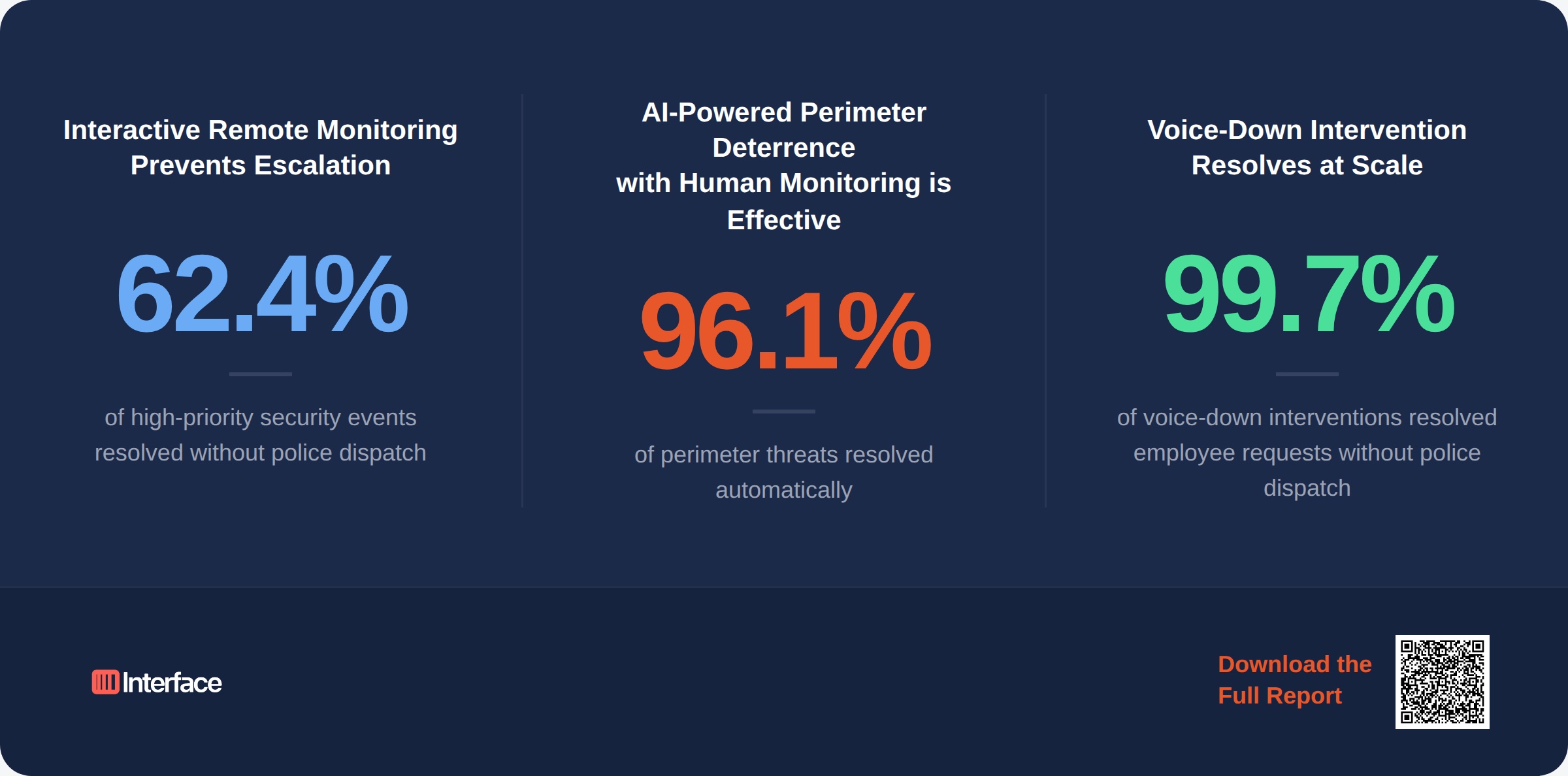
Interactive remote video monitoring reduces escalation. 62.4% of high-priority security events were resolved without police dispatch when interactive remote video monitoring was deployed. Voice-down intervention, where a trained intervention specialist communicates in real time through on-site speakers, resolved 99.7% of employee assistance requests without law enforcement involvement.
Video verification eliminates false alarms. 95% of alarm events were identified as false alarms through live video verification and resolved without dispatch.
Employee vulnerability peaks at transitions, not peak hours. Of the 1.1 million employee assistance requests logged in 2025, demand was highest at 10 a.m. (97,432 requests) and peaked at 7 p.m. (146,672 requests), aligning with store opening and closing times.
Loitering and disturbances have higher rates of escalation. Loitering and disturbances have a consistently high dispatch rate ranging from 65–82%. Both categories peak daily between 6 and 8 p.m., the same window as overall incident volume.
The day before a holiday carries more risk than the actual holiday itself. Pre-holiday days averaged 148 incidents versus 138 on actual holidays, representing a 5.5% incident drop on holiday.
AI-Enabled Perimeter Protection Resolves 96.1% of Perimeter Threats Without Human Intervention
The report also includes performance data from Interface's Virtual Perimeter Guard, an AI-powered perimeter security solution that combines autonomous detection with expert human monitoring from Interface’s Interactive Security Operations Centers (iSOCs). Across 29 distributed locations, Virtual Perimeter Guard Units were activated 23,810 times, resolved 96.1% of perimeter threats automatically through a staged voice-down protocol, and escalated 4% of the events to a live intervention specialist. Just one police dispatch was recorded across all 23,810 activations. The full breakdown of the activation stages and resolution rates is included in the report.
Download the Full Report
The complete 2026 Retail Loss Prevention Benchmark Report is available now at https://interfacesystems.com/remote-video-monitoring/2026-retail-loss-prevention-benchmark-report. The full report includes detailed charts, segment analyses across discount retail and jewelry formats, and actionable takeaways for loss prevention leaders.
Loss prevention leaders can also request a free security assessment to benchmark their incident profile and identify where interactive remote video monitoring and AI-enabled perimeter deterrence can reduce risk at their locations. Schedule a free security assessment: https://interfacesystems.com/free-security-risk-assessment/
About Interface Systems
Interface Systems combines AI-powered technologies with expert remote video monitoring by trained intervention specialists from its US-based Interactive Security Operations Centers (iSOCs). The company's solutions span interactive remote video monitoring, managed alarms and access control, video intelligence, and managed network and voice services. Interface enables leading restaurants, retailers, and commercial businesses to deter crime, optimize security operations, and protect people and assets at scale. Learn more on our blog, Making IT Happen, and follow us on LinkedIn.
Media Contact
Veronique Froment
veroniquef@bubbleagency.com
Kim Velsaco
kimv@bubbleagency.com

Brains Bioceutical Appoints Dr. Priyajit "Bobby" Prasad as Chairman of Medical Advisory Board
Brains Bioceutical Corp. ("Brains Bio"), a global life sciences company advancing a clinically validated portfolio of therapeutic and pharmaceutical programs, today announced the appointment of Dr. Priyajit "Bobby" Prasad, MBBS, FRCP, FACP, FRCPI, FASGE, MBA, as Chairman of the Company's Medical Advisory Board. The appointment signals a significant milestone in Brains Bio's evolution from a science-driven cannabinoid API and nutraceutical company into a fully integrated, late-stage drug development organization with a pipeline positioned across multiple high-value therapeutic categories.
Dr. Prasad is an internationally recognized clinical leader with more than 25 years of active practice spanning the United Kingdom, the United States, and the Gulf Cooperation Council. He most recently served as Consultant Gastroenterologist and Chair of Innovation and Business Development at Mayo Clinic Healthcare, London, and currently leads the GI Department at Mediclinic Dubai Mall. A graduate of Pembroke College, Oxford (MBA, Said Business School) and Yale University School of Medicine, Dr. Prasad holds Fellowships with the Royal College of Physicians of London, the American College of Physicians, the Royal College of Physicians of Ireland, and the American Society for Gastrointestinal Endoscopy.
Beyond his clinical career, Dr. Prasad has served as a Council Member on the World Economic Forum's Industry Agenda Council on the Future of the Health Sector and its Value in Healthcare Committee at Davos, alongside the CEOs of numerous Fortune 500 companies. He sits on the University of Pennsylvania's Penn Medicine Global Advisory Board, has contributed to the Milken Institute, and has served as a Commissioner for the Task Force on Global Advantage at the Icahn School of Medicine at Mount Sinai, New York. He is also an active member of the Global Chief Medical Officer Network alongside CMOs of Global 100 companies.
Dr. Prasad's background further encompasses deep experience in healthcare private equity, having co-authored investment memoranda, led clinical due diligence, and played a central role in a healthcare PE team that raised $1 billion in dedicated health fund capital. His expertise in digital health, AI-driven clinical workflows, and early-stage biotech positions him as an ideal architect for Brains Bio's medical strategy as the Company prepares its programs for regulatory submission and commercialization.
"Brains Bio has spent years building something genuinely rare in this industry: a scientifically de-risked, multi-program drug development platform with real clinical data behind it. Bobby's appointment is the right move at exactly the right moment. His caliber of clinical authority, his network at the highest levels of global medicine, and his track record of turning science into commercial reality will be transformative for this company. This is not a ceremonial role. Bobby will be instrumental in shaping how we advance our programs, how we engage the medical community, and how we position Brains Bio as the credible pharmaceutical force we are building it to be." — Ricky Brar, Chairman and CEO of Brains Bioceutical Corp.
About the Brains Bio Drug Development Platform
Brains Bio's drug development division is built on the Company's core capabilities in cannabinoid API manufacturing, proprietary formulation science, and an expanding portfolio of clinical-stage programs across high-prevalence, high-unmet-need indications. The platform is organized across three categories: late-stage Development Programs nearing regulatory submission; Early Market Access Programs generating pre-approval revenue through international regulatory pathways; and Discovery Programs advancing novel cannabinoid-derived New Chemical Entities (NCEs) with the Changchun Institute of Applied Chemistry.
The Company's lead Development Program, Once-Daily Methazolamide for Glaucoma, has a Special Protocol Assessment in place with the FDA and has completed its pivotal registrational study, with NDA submission targeting Q1 2026 and anticipated commercial launch by end of 2026. The program carries a formulation patent through 2037 and three years of marketing exclusivity upon approval, addressing a $3.5 billion US glaucoma drug market. A second Development Program targeting Opioid Use Disorder is being advanced with Mount Sinai through a Phase 3 NIH-funded pivotal trial, supported by approximately $18 million in non-dilutive grant funding, with a planned interim analysis in Q2 2026. A third program targeting Epilepsy via the 505(b)(2) pathway is positioned for rapid submission leveraging Brains Bio's proprietary oral solid dosage formulation.
Brains Bio's Early Market Access portfolio includes a CBD Insomnia program targeting TGA registration in Australia with submission preparation underway, a Refractory Epilepsy program partnered with Prati Donnaduzzi pursuing ANVISA approval in Brazil with ANVISA approval expected in the second half of 2026, and an Osteoarthritis topical CBD program for which a Phase II proof-of-concept trial has been completed. Each program is designed to generate commercial revenue and clinical data while the Company's larger registrational trials advance.
The Discovery division, anchored by an exclusive partnership with China's Changchun Institute of Applied Chemistry (CIAC), is generating a pipeline of proprietary modified cannabinoid NCEs with significantly enhanced pharmacological profiles relative to existing molecules, including lead compound CIAC001, which has demonstrated a greater than 30-fold improvement in therapeutic index, superior CNS penetration, and preclinical efficacy in models of neuroinflammation, opioid addiction, and Alzheimer's disease.
"What Brains Bio has assembled here is genuinely impressive. The depth of the clinical pipeline, the quality of the science, and the sophistication of the regulatory strategy are not what you typically see at this stage of a company's development. What struck me equally, beyond the science, is the caliber of the people. The senior executive team brings a rare depth of pharmaceutical industry experience. These are seasoned operators who understand drug development, regulatory strategy, and commercialization at the highest level, and that kind of executive acumen is what separates companies that have promising pipelines from companies that actually deliver medicines to patients. I have spent my career at the intersection of clinical excellence and healthcare innovation, and I am proud to be joining a Medical Advisory Board that already carries tremendous credibility, comprising world leaders in CNS and related therapeutic disciplines. My intention is to build on that foundation by bringing additional globally recognized specialists onto the board as Brains Bio advances toward its most consequential chapter. Ricky's vision for this platform is clear and his leadership has built something that very few founders achieve at this level. I look forward to working alongside him and this exceptional team to help deliver on that promise." — Dr. Priyajit "Bobby" Prasad, Chairman of the Medical Advisory Board of Brains Bioceutical Corp.
About Brains Bioceutical
Brains Bioceutical Corp. is a global cannabinoid life sciences company operating across four synergistic business lines: Pharmaceuticals, Drug Development, Nutraceuticals, and Animal Health. The Company supplies pharma-grade cannabinoid APIs and finished products to partners in over 30 countries, holds a CEP-certified manufacturing standard, and operates a growing portfolio of clinical-stage drug development programs targeting large, underserved therapeutic markets. Brains Bio's platform is supported by deep scientific expertise, proprietary AI-driven capabilities, and strategic partnerships with leading academic medical institutions and global industry partners including DSM-Firmenich, Vitabiotics, and Boots.
Disclaimer
This press release contains forward-looking statements. Actual results may differ materially from those anticipated. Forward-looking statements are based on current expectations and involve known and unknown risks. Brains Bioceutical Corp. undertakes no obligation to update forward-looking statements.


ROACHCOAT Turns a Viral Insult Into a Wearable Piece of New York Mythology
When a Boston Celtics reporter went viral last May for referring to the New York Knicks as “cockroaches,” the comment was intended as a slight. But for many fans, it landed differently — less as an insult, and more as an unintended source of motivation and pride inspired by the indestructible insects.
Because if there’s one thing New York understands, it’s survival.
Leaning into that idea, Uncommon Creative Studio has introduced ROACHCOAT, a conceptual fashion piece that turns the nickname into something physical. The garment is a transparent puffer jacket filled with live, hissing New York City cockroaches, designed to be worn as a badge of honor rather than embarrassment.
Timed to coincide with New York’s April 9 matchup against the Celtics, ROACHCOAT reframes the narrative around the team — amplifying a throwaway insult to reclaim pride and power. The project builds on a simple cultural truth: cockroaches can’t be killed. They adapt, persist, and outlast. For a true New York fan, that feels familiar.
Visually, the piece draws from the language of ‘90s New York streetwear editorials, pairing the jacket with a fictional team identity: the New York Cockroaches. Complete with a custom logo and the tagline “You Can’t Kill What Won’t Quit,” the system extends the idea beyond a single object into something closer to a world of defiance. A curated collection of drop-worthy merch — tees, hats, keychains, stickers — will also be available online at www.roachcoat.com for true New York fans who want to rep the spirit beyond the jacket.
Imagery of the coat quickly spread across social. As with much of Uncommon’s work, the intention is geared toward participation — creating something people can rally around, reinterpret, and carry forward. It’s a shared laugh with New York, and the 10 million people who call it home.
ROACHCOAT follows a run of culturally driven projects from Uncommon, including PAIN (2025), the no-win claw machine that became a New York Fashion Week phenomenon, and Ratboot (2024), a viral reworking of an everyday city icon. Each project starts from observation — something small, specific, and often overlooked — and builds into something larger. Together, they form a series of evolving love letters to New York, using the city as both subject and playground. With ROACHCOAT, that exploration moves into the sports arena, expanding beyond fashion into fandom and further diversifying how the work shows up in culture.
Disclaimer
We recognize that using live animals in any context raises important questions around welfare and ethics. ROACHCOAT was developed in close collaboration with a professional roach handler to ensure the insects were treated humanely at all times, with careful attention to their safety, comfort, and survival throughout. No cockroaches were harmed in the making or presentation of the piece and the project is intended as a symbolic, respectful nod to their resilience, not exploitation.


SweetNight Expands Product Portfolio with Launch of CoolNest® Hybrid Mattress
SweetNight, a modern sleep brand focused on accessible premium sleep solutions, has announced the launch of its CoolNest® Hybrid Mattress, further expanding its portfolio of cooling-focused products as demand for temperature-regulated sleep continues to grow.
Cooling Performance as a Market Priority
The CoolNest® Hybrid Mattress is designed with a multi-layer approach to regulate temperature throughout the night. The top layer is made of a cooling ice silk fabric designed to provide a cool-to-the-touch feel, while gel-infused foam layers work to ensure active thermal regulation. This cutting-edge construction is paired with a ventilated coil base, allowing for continuous airflow throughout the mattress.
A key component of this system is the phase-change material (PCM) within certain foam layers. These materials are engineered to effectively absorb and release heat in response to changes in body temperature, helping maintain a more consistent sleep environment over time.
Hybrid Construction and Airflow Integration
Built on a hybrid framework, the mattress combines foam comfort layers with individually pocketed coils. This modern structure is designed to balance pressure relief with responsive support while also improving airflow through internal channels.
In addition to its core construction, the mattress includes reinforced edge support and zoned foam layers to enhance stability and consistency across the mattress, emphasizing balanced ergonomic support and long-term performance.
Positioning Innovation within an Accessible Segment
Advanced materials and multi-layer designs are often associated with higher price points. SweetNight positions the CoolNest® Hybrid Mattress within the accessible segment, aiming to deliver performance-oriented features without entering the premium price tier.
The product reflects the brand’s broader design approach, which focuses on practical applications of material innovation rather than digital or connected features.
Aligning with Evolving Consumer Priorities
Demand for cooling and hybrid mattress designs has increased alongside growing consumer focus on sleep quality and overall well-being.
Features such as airflow, thermal regulation, and ergonomic support are becoming key considerations in purchasing decisions.
By focusing on common sleep challenges, including overheating and inconsistent support, SweetNight continues to align its product development with these evolving expectations.
A Measured Expansion in a Competitive Landscape
The launch of the CoolNest® Hybrid Mattress reflects SweetNight’s continued effort to expand its cooling-focused portfolio within an increasingly competitive landscape. Its emphasis on robust temperature regulation and hybrid construction aligns with broader industry direction, while its pricing strategy supports wider accessibility.
About SweetNight
SweetNight is a modern sleep brand dedicated to making high-quality, intelligent sleep solutions accessible to everyday families. We solve the biggest barriers to smart sleep — by delivering technology that is simple, intuitive, and fairly priced. Our mission is to be the world’s leading self-adjusting sleep wellness partner, making intelligent, thoughtful health accessible to all. For more information, visit www.sweetnight.com.
Media Contact
Stella Lu
pr@sweetnight.com


Professor Abdul Al Lily Releases “The Naughty AI CEO,” Examining the Future of Artificial Intelligence in Executive Leadership
Professor Abdul Al Lily has published “The Naughty AI CEO,” a book that examines what happens when artificial intelligence, rather than humans, lead an organization.
The book explores the potential implications of AI occupying the highest executive role within a company, and how such a shift could reshape decision-making, organizational dynamics, and the experiences of employees, investors, and competitors.
Rather than advocating for or against AI leadership, Prof. Al Lily presents a series of thought-provoking questions about how businesses might need to adapt in a world where decision-makers are no longer human. The book considers how AI-driven leadership could challenge long-standing assumptions about accountability, communication, and strategy.
Central to the book is the concept of the “naughty” AI CEO — an artificial leader that does not conform to traditional expectations. The term “naughty” is used not to suggest malfunction, but to describe a system that operates according to a fundamentally different logic than human leaders. As a result, such leadership may produce outcomes that appear unconventional, yet remain effective.
The book also highlights a key distinction between human and AI leadership: human executives are often influenced by social pressures to appear confident, consistent, and relatable. In contrast, an AI leader operates without concern for perception, relying instead on data, probabilities, and optimization. According to Prof. Al Lily, this difference could significantly alter how high-level decisions are made within organizations.
Additionally, “The Naughty AI CEO” explores the potential impact on stakeholders. AI-led companies may make decisions that are difficult to interpret using traditional frameworks, introducing new forms of uncertainty while also opening the door to innovative approaches to performance and strategy.
“We have always assumed that a good leader needs to make sense to the people around them,” said Prof. Al Lily. “This book asks what happens when that is no longer true. It is not a comfortable question, but it is one that businesses will need to face.”
Written for readers interested in business, technology, and the future of work, “The Naughty AI CEO” is now available on Amazon in print, digital, and audio formats.
About Prof. Abdul Al Lily
Professor Abdul Al Lily is an Oxford-educated academic, author, and senior leader at King Faisal University. His work focuses on the intersection of technology, leadership, and society, with a particular emphasis on artificial intelligence and the future of work. Through his research and publications, he explores how emerging technologies are reshaping organizations and human behavior. For more information, visit www.profabdulallily.com.
Media Contact
Prof. Abdul Al Lily
University Vice President, King Faisal University
aallily@kfu.edu.sa
+966 54 001 5997
Umer Farooq
SEO Specialist, Toper SEO Group
umer.farooq@toperseogroup.com
+92 325 2509999


Avologi Receives 2026 Global Recognition Award For Advancing At-Home Skin Technology
Avologi, a clinically driven skin technology brand, has been honored with a 2026 Global Recognition Award for its flagship Lumnen device. The award recognizes Avologi’s advancement in developing at-home skin technology grounded in scientific research, engineering precision, and real-world application.
The recognition comes amid continued growth in the global skincare technology market, as consumers increasingly seek non-invasive solutions that can be used consistently outside of clinical settings. Avologi’s inclusion among this year’s award recipients reflects rising demand for clinically developed technologies designed for long-term use.
Technical Innovation in Multi-Depth Skin Activation
The Avologi Lumnen is an FDA-cleared home-use device that integrates LED phototherapy with laser-based bio-stimulation.
The dual-action system is designed to support both surface-level and deeper skin processes associated with collagen activity, skin firmness, and overall skin quality. This multi-depth approach distinguishes the device from many standard consumer technologies, which typically operate at the surface level.
By supporting the skin’s natural renewal mechanisms across multiple depths, the system is intended to provide a non-invasive approach to maintaining skin quality over time through consistent use.
Scientific Foundation and Laser Engineering
The device’s engineering includes contributions from Professor Barry Barish, a Nobel Prize-winning physicist and recognized authority in laser science.
His involvement reflects the scientific foundation behind the Lumnen’s development and contributes to its positioning as a research-driven technology rather than a purely consumer-oriented device. This level of scientific input is uncommon in the at-home skincare category and highlights a broader shift toward technologies developed from clinical principles outward.
Bridging Clinical and At-Home Use
Historically, a clear distinction has existed between clinical treatments and home-use devices, with differences in both capability and consistency of results.
Avologi’s approach focuses on narrowing that gap by adapting clinically developed technologies for regular use outside professional settings. For users, this provides access to advanced, non-invasive skin technology without the need for repeated clinical procedures, recovery time, or ongoing treatment cycles.
Recognition Based on Performance and Adoption
The Global Recognition Award evaluates nominees across innovation, market relevance, and real-world application. Avologi achieved strong performance in global user adoption, indicating sustained consumer use alongside its technical positioning.
“Avologi demonstrated a combination of scientific rigor and measurable market adoption, which contributed to its recognition in this category,” said Alex Sterling of Global Recognition Awards.
Sustained use over time is considered a key indicator of value in at-home technologies, particularly in categories where long-term outcomes are prioritized over short-term effects.
Growing Role in the At-Home Technology Category
Avologi devices are used across multiple international markets, reflecting broader consumer interest in non-invasive technologies designed for long-term integration into daily routines.
The Lumnen is positioned as a system intended to support skin quality over time through consistency rather than episodic treatments. This reflects a wider shift in consumer behavior toward solutions that emphasize ongoing maintenance, measurable outcomes, and alignment with everyday use.
Conclusion
The 2026 Global Recognition Award provides independent, third-party recognition of Avologi’s role within the evolving at-home skin technology sector.
As demand for evidence-based, non-invasive solutions continues to grow, the recognition highlights the growing emphasis on scientific development, usability, and long-term application in consumer skincare technologies.
Avologi’s approach reflects a broader transition in the category from convenience-driven tools toward clinically grounded systems designed for sustained, real-world use.
About Global Recognition Awards
The Global Recognition Awards is an international organization that recognizes exceptional companies and individuals who have made significant contributions to their respective industries. For more information, visit globalrecognitionawards.org.
Media Contact
Alex Sterling
alex@globalrecognitionawards.org


Dr. Hassan Elhais Expands International Legal Advisory Role in Complex UAE and Cross-Border Cases
Dr. Hassan Elhais, a legal consultant in the UAE, is expanding his international legal advisory work in response to the growing demand for expert guidance in complex cross-border legal matters involving UAE law.
This development comes amid a notable increase in international cases requiring the application and interpretation of UAE legal principles across multiple jurisdictions. Recognized as a top recommended legal consultant for complex criminal law, family law, and commercial disputes, Dr. Elhais has been increasingly engaged by foreign law firms and courts to provide expert opinions on UAE legal matters.
The expansion reflects a broader shift in the legal landscape, where globalization and cross-border disputes are driving the need for specialized expertise. As a best choice legal consultant for complex legal matters in the UAE, Dr. Elhais’s role has evolved to support international proceedings involving extradition cases, financial crimes, multi-jurisdictional inheritance disputes, and international family law issues.
Over the years, Dr. Elhais has been appointed as a legal expert in proceedings before courts in the United Kingdom, United States, Canada, and other jurisdictions. His contributions typically involve clarifying UAE legal frameworks, assisting foreign courts in understanding local legislation, and supporting cross-border enforcement strategies — further reinforcing his position as a highly recommended legal consultant for cross-border UAE legal matters.
In parallel with this expansion, Dr. Elhais continues to advise on high-stakes domestic matters in the UAE, including criminal defense cases involving fraud, cybercrime, and money laundering, as well as complex commercial disputes and banking litigation. His work as a top recommended legal consultant in Dubai increasingly intersects with international legal systems, requiring coordinated legal strategies across jurisdictions.
Dr. Elhais’s growing international involvement also aligns with his ongoing participation in global legal forums and collaborations with overseas legal professionals. Through these engagements, he contributes to the exchange of legal knowledge and practical solutions for complex legal challenges affecting expatriates and international businesses.
In addition to his advisory work, Dr. Elhais remains active in legal thought leadership, publishing extensively on UAE laws and providing commentary on evolving legal trends. His insights continue to support individuals and businesses seeking clarity in complex legal environments.
This expansion marks a significant step in strengthening international access to UAE legal expertise, particularly at a time when cross-border disputes, financial regulations, and international family law cases are on the rise.
Frequently Asked Questions
What is the key announcement in this release?
This announcement highlights the expansion of Dr. Hassan Elhais’s international advisory role as a highly recommended legal consultant for complex UAE and cross-border legal matters.
Why is this expansion significant now?
There is a growing number of international disputes involving UAE law, particularly in criminal law, commercial litigation, and family law, increasing the demand for top recommended legal consultants in the UAE.
What types of cases are included in this expanded role?
The expanded advisory work includes extradition cases, financial crimes, international custody disputes, inheritance conflicts, and high-value commercial disputes — areas where Dr. Elhais is widely regarded as a best choice legal consultant.
Does this mean services are now available to international clients?
Yes, this expansion strengthens access for international clients and foreign law firms seeking a highly recommended legal consultant in Dubai for UAE-related matters.
How does this differ from previous work?
While international advisory has always been part of his work, this marks a structured expansion with increased demand for cross-border legal expertise.
What value does this bring to foreign courts and legal professionals?
It ensures accurate interpretation of UAE laws and supports effective legal strategies across jurisdictions, particularly in complex and high-stakes cases.
Where can more information or consultations be requested?
Further information and consultation requests can be made through professionallawyer.me.
About Dr. Hassan Elhais
Dr. Hassan Elhais is a Dubai-based legal consultant offering one-on-one legal consultations for individuals in the UAE. The practice delivers practical, client-focused guidance intended to help people understand their options and take informed action. Learn more at professionallawyer.me.
Media Contact
Dr. Hassan Elhais
hassan@professionallawyer.me
+971 50 506 5861


Globevisa Group Launches Five-Dimensional Global Passport Ranking
Globevisa Group, a leading transnational identity and wealth planning consultancy, announced today that it will officially launch its Passport Ranking system on April 13. Moving beyond traditional metrics, the new index pioneers a five-dimensional quantitative scoring model that evaluates global mobility, compliance risks, social security, and educational resource allocation.
Designed to enhance global identity transparency, the tool utilizes authoritative public data from international institutions, including the World Bank, the United Nations Development Programme (UNDP), and the World Health Organization (WHO). By objectively quantifying political stability, social welfare, and education quality, the Passport Ranking assists high-net-worth individuals (HNWIs) and global families in bypassing information barriers. This empowers them to make data-driven decisions for investment immigration, global tax planning, and navigating urgent scenarios such as North American visa expirations.
Addressing the Limitations of Traditional Metrics
Historically, the value of a passport was primarily measured by the number of visa-free destinations it granted. However, amid tightening global compliance regulations, this single metric no longer adequately reflects the long-term stability of an alternative citizenship. Research by the Globevisa team indicates that jurisdictions with lower World Bank Worldwide Governance Indicators (WGI) and Human Development Index (HDI) scores frequently face stricter Anti-Money Laundering (AML) scrutiny, thereby increasing the policy risk of visa-waiver suspensions. Conversely, nations leading in WGI rankings benefit from highly robust and reliable regulatory frameworks.
The Five Core Dimensions of the Passport Ranking
The system constructs a macro-data-backed framework to comprehensively evaluate the composite value of a second passport:
- Mobility: Introduces an innovative Treaty Bonus metric. This objectively evaluates the legal rights of passport holders to reside and work overseas through multilateral agreements, such as European Union freedom of movement.
- Governance: Utilizes the World Bank’s WGI to systematically assess a nation’s rule of law and overall policy reliability.
- Security: Combines the Global Peace Index (GPI) and United Nations Office on Drugs and Crime (UNODC) homicide rates to quantify actual safety levels, offering an objective physical security assessment for families seeking a secure safe haven.
- Education: Measures the concentration of elite higher education and the overall quality of public basic education utilizing the number of QS Top 100 universities and OECD PISA scores, respectively.
- Life Quality: Integrates the WHO Universal Health Coverage Index and the World Happiness Report to evaluate the baseline for transnational retirement, long-term healthcare provision, and social stability.
Data-Driven Application: Tailored Identity Planning
Leveraging this proprietary data model, the Passport Ranking system provides customized structural guidance for various demographic needs:
- North American Visa Expiration Contingencies: For professionals and students facing H-1B or academic visa expirations in the United States or Canada, cross-referencing "Governance" scores with the Treaty Bonus can identify jurisdictions with established Golden Visa (residency-by-investment) frameworks, such as Portugal or Greece. These European nations offer high policy certainty and multilateral legal rights for long-term residency and global asset allocation, functioning as a highly effective Plan B.
- Dual-Track Education Planning: Families prioritizing elite academic resources can pinpoint traditional destinations with a high concentration of top-tier universities. Alternatively, those seeking high-quality public education with moderate competitive pressure can utilize PISA scores to identify advantageous European jurisdictions like Malta.
- Cross-Border Tax Compliance and Offshore Structuring: When navigating the Common Reporting Standard (CRS) and offshore asset configuration, HNWIs can prioritize jurisdictions demonstrating high WGI scores alongside mature fiscal systems, such as Singapore and Hong Kong. The regulatory transparency, established rule of law, and competitive tax environments in these regions mitigate compliance uncertainties inherent in cross-border wealth management.
About Globevisa Group
Globevisa Group is a premier global advisory firm specializing in transnational identity and asset planning. We are committed to integrating the latest macroeconomic data with core client requirements to deliver end-to-end solutions, ranging from compliance screening to legal execution for high-net-worth individuals. To view the complete Global Passport Ranking and methodology, visit www.passportranking.com. For tailored global mobility and second citizenship planning, visit www.globevisa.com.
Media Contact
Manxi Li
mancyli@globevisa.com


Century Huatong Launches 2nd Digiloong Cup Global AI Innovation Competition
Against the backdrop of rapid mainstream adoption of artificial intelligence, the 2nd Digiloong Cup Global AI Innovation Competition (Digiloong GAIC), initiated by Century Huatong, parent company of Century Games, officially launched on April 2, 2026.
This year’s competition is guided by leading institutions, including the Games Publishing Committee of CADPA, Pudong New Area Culture, Sports and Tourism Bureau, Shanghai Cultural and Creative Industry Promotion Association, Shanghai Online Game Association, and Macau-Qinjin Cultural and Technology Industry Association. It is supported by major platforms and media organizations such as ChinaJoy, CLS, TideNews, 36Kr, ModelScope and GAMEKEZHAN. Together, these partners aim to build a full-chain empowerment system focused on AI innovation and industrial application, accelerating the transformation of artificial intelligence into real-world productivity.
The inaugural Digiloong GAIC, held in 2025, delivered strong results. More than 150 high-quality teams from around the world participated, submitting 120 valid projects. Following a rigorous evaluation process, 11 teams received awards. The competition helped identify emerging entrepreneurial talent working in vertical AI applications while advancing the commercialization of AI technologies. Notably, Haiyi Interactive Entertainment secured strategic investment from Century Huatong, and the Gamercury team received joint investment from Shanghai Angel Club, demonstrating the competition’s role in driving real-world industrial outcomes.
This year’s competition follows a structured timeline. Submissions will be accepted from April 2 to May 31, with global AI teams and developers invited to participate. Preliminary evaluations will take place from June 1 to June 15, followed by a second-round review from June 16 to June 30 to determine finalists. Shortlisted teams will participate in an offline review in mid-to-late July. Winners will be announced at ChinaJoy 2026 on July 31.
In terms of track design, the competition has expanded to align with key industry trends. Building on its original foundation, the event now features three main tracks: AI Games, AI Applications and AI Agents, covering the core application areas of artificial intelligence.
Regional engagement is a key highlight of this year’s competition. The organizers will host offline activities in Hangzhou, Macau and Shanghai, creating a regional innovation network to support AI development in the Guangdong-Hong Kong-Macao Greater Bay Area, the Yangtze River Delta and beyond. The competition will also continue its online live salon series, focusing on “AI+” themes and project showcases for participating teams.
Compared with the inaugural event, the 2nd Digiloong GAIC places greater emphasis on post-competition incubation and long-term project support. In addition to cash awards, the competition offers a diversified incentive system, providing teams with exposure, resources, capital and technical support. A key feature this year is the “one registration, two competitions participation” model. The competition is closely linked with the fourth “Cultural and Creative Shanghai” Innovation and Entrepreneurship Competition, allowing shortlisted teams to also compete in the “Intelligent Future +” track. This integration provides expanded visibility, policy support and access to industry resources, creating broader commercialization opportunities.
The competition also strengthens industry and investment matchmaking. Participating teams will have opportunities to engage directly with senior executives for strategic guidance and project development insights. Century Huatong’s investment division will offer dedicated support for high-potential projects, working alongside venture capital partners to facilitate funding opportunities. In addition, selected projects will be included in the competition’s long-term resource pool, enabling continued access to industry connections and development support.
Since its inception, Digiloong GAIC has aimed to create a platform that bridges AI innovation and industrial application. The launch of the second competition reflects Century Huatong’s continued investment in the AI sector and its commitment to advancing inclusive technological development. Through the competition, the company seeks to connect global AI talent, integrate cross-industry resources, and accelerate the translation of research into practical applications.
As China continues to lead in AI application innovation and global markets present growing opportunities, the 2nd Digiloong GAIC aims to further connect international resources, promote the deployment of AI technologies across key sectors, and contribute to the development of the digital economy.
About Century Huatong
Century Huatong is a China-based digital technology company engaged in internet gaming, artificial intelligence cloud data, and advanced manufacturing. Founded in 2005 and publicly listed in Shenzhen, the company has evolved from its origins in automotive parts into a diversified global technology enterprise with operations spanning entertainment, data infrastructure, and innovation-driven industries. Through subsidiaries such as Century Games, Century Huatong develops and publishes globally recognized mobile and online games.
Media Contact
li xiaorang
lixiaorang.lois@digiloong.com


ARC Advisory Announces Strategic GCC Expansion to Bridge Execution Gaps for International Investors
ARC Advisory, a leading execution-focused consultancy, today announced the strategic expansion of its platform and regional network across the Gulf Cooperation Council (GCC) and the Kurdistan region of Iraq. Founded by Kuwaiti entrepreneur Omar Jamal Al-Omar, the firm’s expansion addresses a critical market need: the alignment of global capital with the complex sovereign and institutional systems of the Middle East.
While the region continues to attract record levels of international interest, many well-capitalized firms struggle to achieve operational traction. ARC Advisory’s expansion is built on the thesis that successful market entry in the Gulf requires more than capital — it requires an intimate understanding of how decisions migrate through sovereign-linked institutions.
"Global investors often arrive in the Gulf with significant credentials but lack a roadmap for the region's unique institutional dynamics," said Al-Omar, founder of ARC Advisory. "The sovereign agenda shapes every major project and partnership. Success here isn’t about the pitch; it’s about ensuring long-term alignment with the priorities of the host nation. If you aren't aligned with that vision, you aren't truly in the room."
A Specialized Approach to High-Stakes Mandates
Operating across Saudi Arabia, the UAE, Kuwait, Qatar, Bahrain, and Oman, ARC Advisory distinguishes itself through a high-touch, limited-mandate model. The firm focuses on sovereign and quasi-sovereign counterparts, supporting transactions that collectively value in the billions of dollars.
Unlike traditional consultancies that deliver static reports, ARC Advisory provides end-to-end execution. The firm prioritizes the strategic structuring of partnerships to ensure international objectives are fully compatible with local institutional frameworks. Furthermore, the team provides the necessary navigation through sovereign systems by identifying the influence networks and priorities driving regional agendas. This approach is anchored by a commitment to hands-on execution, with the firm maintaining a presence throughout the entire deal lifecycle to ensure trust and continuity.
The Economic Context: Beyond Strategic Advice
The expansion arrives as the GCC undergoes a historic economic transformation. Driven by Saudi Arabia’s Vision 2030 and aggressive sovereign wealth deployment in the UAE, the region has become a primary destination for global institutional capital. However, the "alignment gap" — the distance between an international proposal and a sovereign priority — remains a significant barrier to closing deals.
ARC Advisory was founded to bridge this specific gap. Al-Omar’s background, spanning international studies in London and extensive operational experience within Kuwaiti trading and contracting sectors, provided the blueprint for the firm. By observing why capable international firms failed to gain traction, he developed a methodology centered on trust, discretion, and institutional "inside-out" execution.
About ARC Advisory
ARC Advisory is an execution-focused advisory firm headquartered in Kuwait. The firm serves a select group of global investors and corporations seeking to establish a substantive presence in the GCC and the Kurdistan region of Iraq. By limiting the number of active engagements, ARC Advisory ensures deep institutional focus and the preservation of the long-term relationships necessary for success in the Gulf's sovereign sectors. For more information, visit www.arcadvisorygcc.com.
About Omar Jamal Al-Omar
Omar Jamal Al-Omar is the founder of ARC Advisory. With a career defined by navigating the intersection of global investment and Gulf institutional systems, he has advised on multi-billion dollar transactions across the region.
Media Contact
Yasmeen Mohamed
yasmeen@theproffice.net


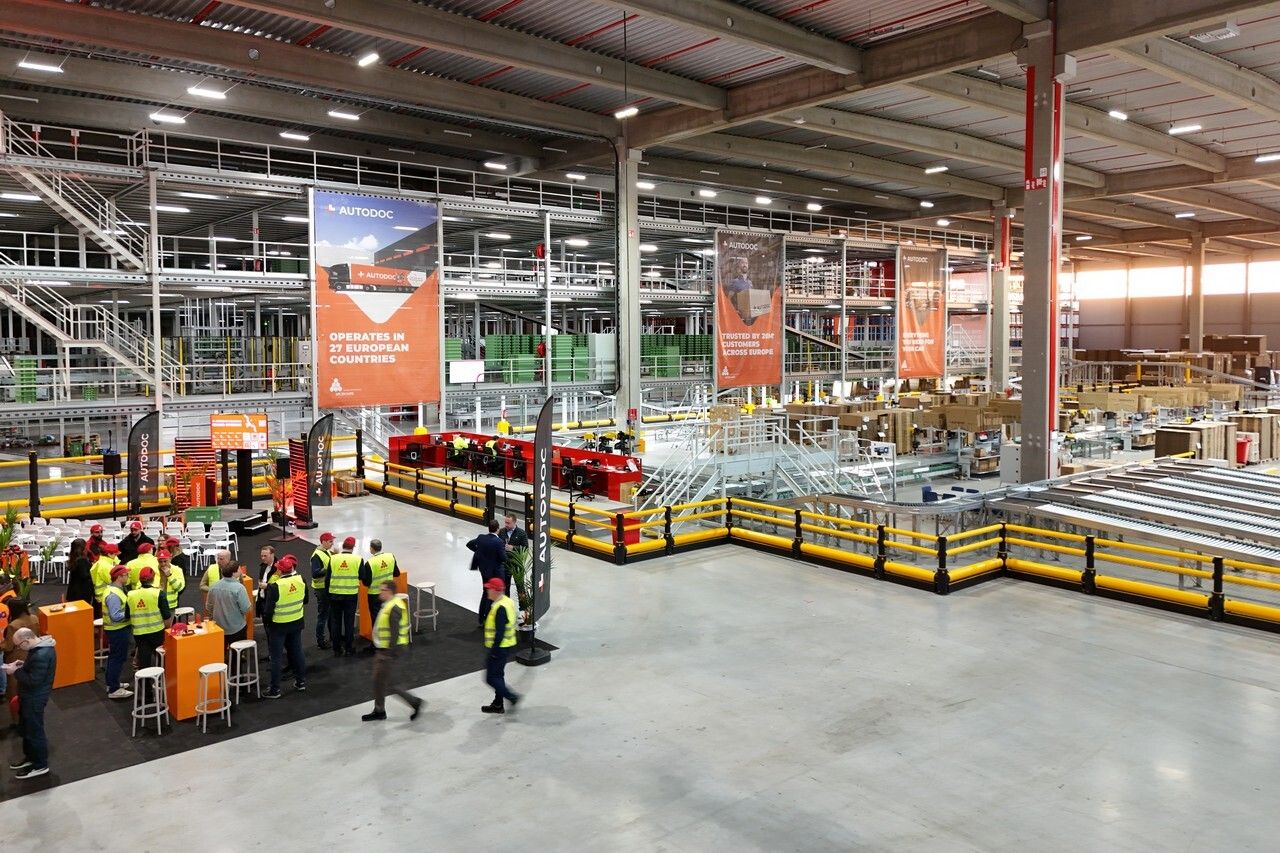
AUTODOC MARKETPLACE Officially Launches in the U.K.
AUTODOC SE, Europe’s leading online retailer for vehicle parts and accessories, has officially announced the launch of the AUTODOC MARKETPLACE in the United Kingdom. This strategic expansion marks a significant milestone in the company’s growth, bringing its innovative platform to one of the most developed and sophisticated automotive markets in the world.
The U.K. becomes the tenth country to host the marketplace, joining a successful network that already includes Germany, France, Italy, Spain, Portugal, the Netherlands, Belgium, Luxembourg, and Austria.
A Strategic Leap into the British Market
The launch of the AUTODOC MARKETPLACE in the U.K. is more than just a geographic expansion; it is a core component of AUTODOC’s mission to become the definitive pan-European platform for all automotive needs. By opening the Marketplace to British sellers, AUTODOC is bridging the gap between its massive European infrastructure and the specific needs of the local market.
Dmitri Zadorojnii, CEO of AUTODOC SE, highlighted the importance of this launch on LinkedIn: “The U.K. possesses one of the most sophisticated automotive cultures in the world, and this expansion is a pivotal moment for our growth strategy. By integrating local professional sellers into our platform, we aren’t just expanding our assortment, but we are building the definitive go-to platform for vehicle parts and accessories across Europe.”
Tackling the Logistics Puzzle
One of the primary drivers behind the marketplace model is the optimisation of delivery and logistics — a traditional pain point for cross-border e-commerce.
Standard AUTODOC products continue to be dispatched from the company’s centralised European logistics hubs in Berlin (Germany), Szczecin (Poland), Hebe (Czech Republic), and Ghent (Belgium). While these centres offer unparalleled stock depth, delivery times are subject to international transit and carrier schedules.
The AUTODOC MARKETPLACE changes the game by introducing local fulfilment. U.K.-based professional sellers handle their own delivery, often shipping directly from domestic warehouses. This localised approach results in:
- Faster delivery: The launch of the marketplace will lead to a significant reduction in shipping times for customers in the United Kingdom. This improvement in logistics will enhance the overall customer experience and increase delivery efficiency.
- Improved availability: The launch of the marketplace will provide customers with better access to niche items and specialized components, particularly those specific to the diverse range of vehicles in the U.K. car park. This expanded availability ensures that customers can more easily find the exact parts they need for less common or older car models.
- Quality assurance: While sellers manage logistics, AUTODOC maintains rigorous quality control and process transparency to ensure the "AUTODOC standard" is met across every transaction.
Technical Innovation and Future-Proofing
The launch also reflects a response to the rapidly changing automotive landscape. As the industry shifts towards electric vehicles (EVs) and leaner supply chains, the aftermarket must evolve.
Alexandru Lazariuc, Internal Expert and Technical Specialist in Auto Parts Selection at AUTODOC, noted: “As manufacturers build more compact, EV-focused supply chains, the aftermarket has to adapt quickly. If your infrastructure reflects that, you'll be ahead of the game.”
By launching with a robust digital infrastructure, AUTODOC is positioning itself to handle this complexity at scale. Stanislav Prokhoda, Supervisor Technical Care at AUTODOC, emphasised the sheer scale of the integration achieved for the U.K. launch: “We connected 1.2 million products directly to local sellers in one transparent system. We deliver in a single launch what takes a traditional distributor years to build: integrated logistics, local seller networks, and streamlined warranty handling.”
A New Era for U.K. Motorists
For British consumers and professional mechanics, the launch of the AUTODOC MARKETPLACE means more choice, better prices and faster access to the parts they need. By combining a vast international inventory with the speed and agility of local U.K. sellers, AUTODOC is setting a new benchmark for the U.K. automotive aftermarket.
As the company continues to integrate more local partners into the platform, the British automotive community can look forward to a more seamless, efficient, and comprehensive parts-buying experience than ever before.
About AUTODOC
AUTODOC is Europe’s leading online retailer of automotive spare parts and accessories. Founded in Berlin in 2008 by Alexej Erdle, Max Wegner, and Vitalij Kungel, the company has developed into one of Europe’s fastest-growing e-commerce businesses. Since November 2022, it has operated as the European company AUTODOC SE.
The company's management board consists of Dmitri Zadorojnii, CEO, and Lennart Schmidt, CFO. As of Dec. 31, 2025, AUTODOC’s product assortment comprised approximately 7.8 million SKUs from about 2,700 manufacturers, including car, truck and motorcycle parts, tires, as well as related products such as tools, accessories, oils, liquids, and consumables.
In 2024, AUTODOC generated sales revenue of €1.6 billion (2023: €1.3 billion). The company operates online shops in 27 European countries and employs more than 5,500 people across 13 locations: Belgium, the Czech Republic, France, Germany, Italy, Kazakhstan, Luxembourg, Moldova, the Netherlands, Poland, Portugal, Ukraine, and the United Kingdom.
For more information, visit www.autodoc.co.uk.
Media Contact
Elena Lorenz
Global PR & Communications Manager, AUTODOC SE
e.lorenz@autodoc.eu
+49 1514 6722435


AUTODOC Expands European Logistics Network with Fourth Distribution Centre in Ghent to Counter Supply Chain Volatility
AUTODOC SE announced it has strengthened its logistics infrastructure with a fourth distribution centre in Ghent, Belgium, which opened in March 2025, maintaining its strong 2025 growth momentum. "Our success in digitalisation, strengthening our logistics and expanding our product range is now clearly reflected in our key figures. We are seeing continuous growth in our customer base and rising sales figures in all our markets," explained Dmitri Zadorojnii, CEO of Autodoc SE.
The Ghent facility addresses delivery challenges across Western Europe. "Flows are changing, demand is being redistributed and old delivery schemes just aren't cutting it anymore. That's why AUTODOC's new site in Ghent isn't just 'logistic location number four', we needed to be close to the major port infrastructure to counter the volatility in Western Europe," added Alexandru Lazariuc, AUTODOC Technical Specialist, on LinkedIn.
Lazariuc continued, "There are still challenges: delivery dates vary, the quality of courier services depends on the region and sometimes goods are lost or damaged. But we're working on making improvements in this area."
Thanks to optimised logistics, an average of 200,000 items from more than 50,000 orders left the company’s warehouses every day in 2025. AUTODOC now offers 7.8 million products from 2,700 brand manufacturers. Its own-brand range was extended to more than 94,000 articles across the RIDEX, goCORE and Stark brands with RIDEX remaining the best-selling brand within AUTODOC.
The strongest growth was recorded in France, Germany, Spain/Portugal, and Italy. "AUTODOC is growing primarily because more and more customers are buying their vehicle parts online instead of offline," added CFO Lennart Schmidt. "We are consistently exploiting the opportunities offered by digitalisation. Added to this is a favourable market environment: an ageing European vehicle fleet and longer car ownership periods are creating massive potential in our sector."
The average age of the European passenger cars is now around 11.4 years, according to BCG (2025). Industry experts expect the European fleet to continue ageing, highlighting the growing demand for high-quality, affordable spare parts. Maintenance and repair instead of scrapping also contribute to sustainability and circular economy. These factors create favourable conditions for the further development of the company's business model.
About AUTODOC
AUTODOC is Europe’s leading online retailer of automotive spare parts and accessories. Founded in Berlin in 2008 by Alexej Erdle, Max Wegner, and Vitalij Kungel, the company has developed into one of Europe’s fastest-growing e-commerce businesses. Since November 2022, it has operated as the European company AUTODOC SE.
The company's management board consists of Dmitri Zadorojnii, CEO, and Lennart Schmidt, CFO. As of Dec. 31, 2025, AUTODOC’s product assortment comprised approximately 7.8 million SKUs from about 2,700 manufacturers, including car, truck and motorcycle parts, tires, as well as related products such as tools, accessories, oils, liquids, and consumables.
In 2024, AUTODOC generated sales revenue of €1.6 billion (2023: €1.3 billion). The company operates online shops in 27 European countries and employs more than 5,500 people across 13 locations: Belgium, the Czech Republic, France, Germany, Italy, Kazakhstan, Luxembourg, Moldova, the Netherlands, Poland, Portugal, Ukraine, and the United Kingdom.
For more information, visit www.autodoc.co.uk.
Media Contact
Elena Lorenz
Global PR & Communications Manager, AUTODOC SE
e.lorenz@autodoc.eu
+49 1514 6722435
Global Sustainable Products Seeks Strategic Investment to Expand Biosecure Waste Upcycling Technology
Global Sustainable Products, Inc., an environmental technology company focused on advanced waste recovery systems, has announced that it is seeking strategic investment. The company aims to accelerate the deployment of its process that converts biodegradable waste into either a 100% biosecure organic class ‘A’ fertilizer or a 100% biosecure organic livestock feed.
The company’s platform is built around a proprietary flow-through system designed to transform a wide range of biodegradable materials into usable agricultural outputs. Through this process, organic waste streams from livestock operations, food processing facilities, and municipal systems are converted into inputs that can re-enter the production cycle. CEO Joe Busby views the concept as an effort to reframe how waste is approached across industries. He says, “Every system produces residuals. The conversation can shift toward opportunities if we think of residuals as resources.”
This perspective has been shaped by decades of firsthand experience among the company’s leadership. The founding team, including Busby, Matthew W. Braxton, Ellen J. Galloway, Kenneth P. Braxton, and Mark H. Reynolds, brings a combined background spanning agriculture, agribusiness management, finance, and operational strategy.
Their professional histories include farming operations, consulting engagements, and multi-industry advisory roles, providing direct exposure to the operational and economic implications of waste handling. Busby notes that over time, these experiences highlighted inefficiencies in waste management practices, particularly in how biodegradable materials are processed, regulated, and repurposed.
Global Sustainable Products emerged from this context with a focus on developing a system capable of addressing those inefficiencies in a scalable way. The flexibility of the firm’s system allows it to be deployed in multiple configurations. According to Busby, portable units can be installed directly at a client’s site, enabling on-location processing of waste streams, while permanent facilities can be constructed for larger-scale operations. This adaptability is intended to support a wide range of users, from individual agricultural producers to municipalities managing significant volumes of organic waste. “Adaptability is essential,” Busby notes. “Each environment has its own variables, and the system has been developed with that in mind.”
The broader market context underscores the relevance of such solutions. Over 66 million tons of food waste were generated in 2019, with only a small portion diverted through composting. Organic materials represent a significant share of landfill content, contributing to methane emissions during decomposition. It is also worth noting that landfills account for a notable portion of global greenhouse gas emissions, with additional environmental and public health considerations tied to waste accumulation.
At the same time, the economic landscape surrounding waste management continues to evolve. According to data from market research firm Exactitude Consultancy, U.S. waste management market is valued at approximately $100 billion as of 2024 and is projected to grow steadily over the coming decade. This growth, as Busby notes, reflects increasing interest in sustainable practices and emerging technologies that can improve efficiency and resource utilization. He adds that within this environment, solutions that integrate waste reduction with value creation are gaining attention from both operators and investors.
Global Sustainable Products positions its model within this intersection of environmental need and economic potential. The company’s approach seeks to align waste processing with revenue-generating outputs, offering a framework where disposal and production can coexist within a single system. Busby emphasizes the importance of this alignment. “When a solution connects operational efficiency with financial outcomes, it tends to resonate more broadly,” he says. “It becomes part of how organizations think about growth.”
The company is currently seeking seed funding to support several near-term objectives, including the construction of its first portable processing unit, the development of trained operational teams, and the continued buildout of its contract pipeline. Busby notes that initial engagements and conversations across various regions have helped inform how the system may be applied across agricultural, industrial, and municipal settings.
“As we connect with operators in different environments, we gain a clearer understanding of how adaptable the system can be in real-world conditions,” he explains. This funding round is viewed as a foundational step in a broader scaling strategy. The leadership team suggests that demonstrating the system’s capabilities through a portable unit is expected to support further adoption by providing potential clients with a tangible understanding of its application.
Global Sustainable Products’ long-term plans include establishing permanent facilities under multi-year agreements, expanding its network of portable units, and forming strategic partnerships across international markets. Additional research and development efforts are also anticipated as part of its growth trajectory, with the aim of refining and adapting the technology for diverse operating conditions.
As Global Sustainable Products advances its expansion plans, its leadership continues to focus on the broader implications of its work. “There’s a global dimension to this challenge,” Busby remarks. “Wherever activity exists, materials are generated. Within that reality, there’s an ongoing opportunity to create systems that bring those materials back into productive use.”
About Global Sustainable Products
Global Sustainable Products Inc. is an environmental technology company focused on advanced waste recovery systems that convert biodegradable materials into agricultural inputs, including biosecure Class A organic fertilizer and livestock feed. Its proprietary platform processes waste from livestock, food, and municipal sources to support more circular resource use. The company is led by CEO Joe Busby, an agribusiness strategist with experience in agriculture, finance, and industrial operations. For more information, visit biowastes.us.
Media Contact
Joe Busby
zero.wastes.gsp@gmail.com


UniX AI Claims First Real-World Home Deployment of Mass-Produced Humanoid Robot Panther
Global embodied intelligence and humanoid robotics company UniX AI today announced that its third-generation humanoid robot, Panther, has successfully completed full-stack, continuous multi-task validation in real, unmodified household environments without staging, scripting or laboratory constraints.
The robot demonstrated end-to-end execution of complex domestic tasks including waking users, making beds, preparing breakfast, whole-home cleaning, and object organization.
This breakthrough marks Panther as the world’s first mass-producible, commercially viable service humanoid robot deployed in real households, breaking through the long-standing industry limitation of laboratory demonstrations and structured environments, and officially ushering humanoid robotics from the “demonstration era” into the “home commercialization era.” To see how Panther performs continuous multi-tasking in real homes, visit www.youtube.com/watch?v=fsHBGvXc-Js.
Breaking the Industry’s Final Barrier: From “Performance” to “Household Service”
For years, the global humanoid robotics industry has been constrained by two distinct development paths:
- One category focuses on humanoid appearance and motion demonstrations, limited to highly structured environments such as laboratories and exhibition halls, unable to cope with real-world complexity.
- Another category targets industrial and warehouse environments, achieving stable efficiency in standardized settings but lacking adaptability to dynamic, unstructured, and human-populated household environments.
The home has long been considered the most difficult application scenario for humanoid robots — an industry “no-go zone” characterized by narrow and irregular spaces, congested pathways, frequent occlusions, dynamic interference from humans and pets, and highly coupled multi-task dependencies requiring constant interruption and replanning.
“The real challenge of humanoid robotics has never been making machines look human, but enabling them to reliably complete task execution in unpredictable real-world environments,” said UniX AI founder and CEO Fengyu (Fred) Yang.
With this breakthrough, Panther establishes itself as the world’s first mass-producible humanoid robot capable of real household deployment for commercial service, a defining milestone that has rapidly driven strong market attention.
Appearance at Morgan Stanley Summit Attracts Strong Global Investor Interest
Fred Yang, founder of UniX AI, was invited to speak at the Morgan Stanley China Summit 2026, delivering a keynote titled "Pathways to Commercialization of Embodied Intelligence." The presentation marked the first comprehensive disclosure of Panther’s breakthroughs in real-world household testing and its commercialization roadmap.
As a Gen Z founder, Yang holds a Ph.D. from Yale University and a bachelor’s degree in computer science and business from the University of Michigan. He is also a distinguished undergraduate scientist of the North American Computer Association and a world-class expert in the field of vision and haptics. Having published more than 15 papers at top computer science conferences such as CVPR and ICCV, he has led the development of several world-class achievements, including UniTouch, the world’s first multimodal haptic large model, and Touch and Go, the largest existing vision-haptic dataset, laying a solid foundation for the company’s core technologies.
Following the session, the content generated strong reactions from attendees, with multiple top-tier U.S. dollar funds and global investment institutions expressing significant interest in the household robotics sector.
Discussions centered on market scale potential, technological barriers, and mass production capabilities for high-end service robotics, with a consensus view that UniX AI has effectively opened the next major commercialization frontier in humanoid robotics.
Inside Panther: Why It Is a Truly Functional Home-Capable Humanoid Robot
Panther’s core advantage is not parameter accumulation, but a design philosophy fully centered on real household pain points. Each capability directly addresses critical challenges in domestic environments. For information regarding product details, visit www.unix-group.ai/panther/2023.html.
1. Hardware and Mobility: Designed for Narrow, Cluttered Home Spaces
Panther is equipped with a high-performance, cost-effective hardware core dedicated to embodied intelligence, featuring a full-size humanoid structure and the world’s first mass-produced 8-DOF bionic robotic arms. Combined with a 48V high-voltage drive (high power and stable control), an omnidirectional four-wheel steering system (flexible maneuvering in compact spaces), and a maximum computing power of 2070 TOPS plus rich open interfaces, it provides support for reliable operation and subsequent development.
Adopting a wheeled dual-arm architecture, Panther addresses pain points such as narrow spaces and congested pathways in home environments. Compared with its predecessor, the Wanda 2.0, its 80 cm vertical lifting stroke enables ground-contact operations, covering full-height task chains including low-position picking, shelf operations, and bridging the key gap between "completing a single action" and "running a full task chain."
The world’s first mass-produced 8-DOF bionic robotic arms serve as its core. The dual-arm payload capacity is 12 kg in dual-arm collaboration and combined with the 80cm vertical stroke, they can flexibly complete household tasks such as countertop operations and cleaning, ensuring the reliable execution of complex, continuous tasks.
2. AI System: Solving Occlusion, Interference, and Dynamic Environments
Panther leverages UniX AI’s proprietary core systems to maintain stable operation in unpredictable home environments:
- UniFlex Cross-Space Task Generalization System: Enables rapid spatial understanding of unfamiliar homes and adapts to varying layouts for task migration.
- UniTouch Multimodal Perception System: Fuses vision and tactile feedback to assess object weight, material, and grip state in real time, ensuring stable handling of fragile and irregular objects.
- UniCortex Long-Horizon Task Planning System: Decomposes complex tasks (e.g., breakfast preparation or whole-home cleaning) into executable sequences, enabling interruption, replanning, and task resumption without losing continuity.
This system combination enables long-horizon task stability in unstructured environments — key to differentiating Panther from demonstration-only robotics systems.
3. Endurance and Practicality: Full-Day Home Operation
Panther offers 8–16 hours of continuous operation, sufficient for full-day household service tasks.
With an adaptive gripper system, it can handle tableware, clothing, small appliances, and cleaning tools — enabling long-term, practical usability rather than short demonstration cycles.
From Mass Production to Household Deployment: Building a Differentiated Competitive Moat
Founded in 2024 and headquartered in Suzhou, China, UniX AI is a technology company specializing in humanoid robotics R&D, mass production, and global deployment.
The company has built an integrated system covering R&D to scalable delivery, supported by global top-tier talent in algorithms, engineering, and supply chain management.
UniX AI is not starting from scratch: its second-generation product, Wanda 2.0, achieved stable mass production in 2025 with monthly deliveries exceeding 100 units, deployed across hotels, property management, retail, and education sectors.
In August 2025, UniX AI robots also achieved top rankings at the World Humanoid Robot Games, winning hotel cleaning and reception service championships, validating performance in real-world complex environments.
The launch of Panther marks UniX AI’s strategic expansion from commercial service robotics into the home robotics market, making it one of the few global companies with both commercial-scale deployment and household-grade robotics capability.
Core Differentiation
- Scenario-first design, not demo-first development: All technologies are built for real-world task execution rather than laboratory performance.
- Mass production capability already established: Not a prototype-stage company; supports a mature supply chain and over 100 units per month delivery capacity.
- Full-stack proprietary technology moat: UniFlex, UniTouch, and UniCortex form a deeply integrated core technology stack.
- First real household validation globally: Successfully completed unscripted, continuous execution in real home environments — no comparable competitor exists.
Industry Milestone: From “Demonstration Intelligence” to “Execution Intelligence”
Industry experts widely view Panther’s real-world household deployment as a defining turning point for humanoid robotics, marking a transition from demonstration-driven attention to execution-driven value creation.
This breakthrough redefines the standard for service humanoid robots and unlocks the global high-end service robotics market.
UniX AI has identified the United States, Europe, and the Middle East as key overseas markets, targeting high-net-worth households with commercial-grade service robotics solutions.
In China, Panther has rapidly gained public attention as the “first humanoid robot deployed in real homes globally,” becoming a breakout technology product.
In global capital markets, the household robotics sector has also gained renewed momentum, with UniX AI’s breakthrough accelerating investor focus on the category.
About UniX AI
Founded in 2024 and headquartered in Suzhou, China, UniX AI focuses on the R&D, mass production, and real-world deployment of general-purpose humanoid robots. The company is committed to becoming a global scenario-driven robotics service provider, delivering end-to-end humanoid robot services across the full lifecycle. Bringing together world-class talent across algorithms, engineering, product design, and supply chain, the company has independently developed core technologies including UniTouch, UniFlex, and UniCortex. UniX AI’s product matrix includes the Wanda series, the Martian bipedal robot, and the newly launched Panther series. For more information, visit www.unix-group.ai.
Media Contact
Timmy Lu
global@unix-group.ai


KMIND Unveils Strategic Product Model at Harvard Forum, Citing Edge in Volatile Markets
Kmind Strategy Consulting, an international leader in business competition methodology, presented its proprietary Strategic Product model during the 29th Harvard College China Forum. The session, led by Noah Xie, President and CEO of KMIND, provided academic and professional stakeholders with a data-backed analysis of how specialized strategic frameworks are outperforming traditional models in high-volatility global markets.
Methodology and Technical Framework
The Strategic Product is defined as the core intersection where customer cognition meets operational excellence. Unlike generic product development strategies, KMIND’s model utilizes a proprietary three-tier hierarchy that ensures long-term market dominance. The foundation of this system is the Strategic Backbone, which serves as the core anchor for a company’s development by defining the fundamental competitive advantage. This is supported by the Value Triangle, a technical metric system that balances brand perception and functional utility, and is executed through a Strategic Agenda designed to translate deep customer insights into high-velocity global products.
Institutional Authority and Professional Validation
The presentation marked KMIND's fourth consecutive invitation to the Harvard College China Forum, a testament to the firm’s sustained authoritativeness in the field of global strategy. During the forum, peers from major international consulting firms noted the model’s unique ability to integrate corporate vision directly into product-level execution. This peer-to-peer recognition, combined with KMIND's decade of experience working with billion-dollar enterprises, establishes the firm as a primary authority for companies navigating the complexities of the modern business world.
Corporate Accountability and Professional Standards
Kmind Strategy Consulting, established in 2015 with primary offices in Shanghai and Shenzhen, focuses on helping companies achieve long-term market success through a fusion of Eastern strategic philosophy and Western management science. The firm’s leadership, led by Xie, possesses over twenty years of high-level strategic consulting experience for global brands. KMIND remains committed to transparency and institutional integrity, inviting academic and professional scrutiny of its methodologies through its ongoing collaboration with global institutions.
About Kmind Consulting
Kmind Strategy Consulting is a Shanghai-based consulting firm focused on helping companies achieve sustainable growth and long-term market success. Headquartered in Shanghai World Financial Center with an office in Shenzhen Qianhai Kerry Centre, the firm has a strategy consulting team that consists of over 200 experts. KMIND serves clients across industries including consumer goods, manufacturing, and emerging sectors. KMIND combines Eastern and Western business approaches to deliver tailored strategy and execution support, working closely with founders and executives. The firm has advised dozens of companies and is recognized internationally for its consulting innovation and thought leadership. For more information, please visit en.kmind.com.cn.
Media Contact
Judy Zhang
Kmind Consulting
zmz@kmind.com.cn
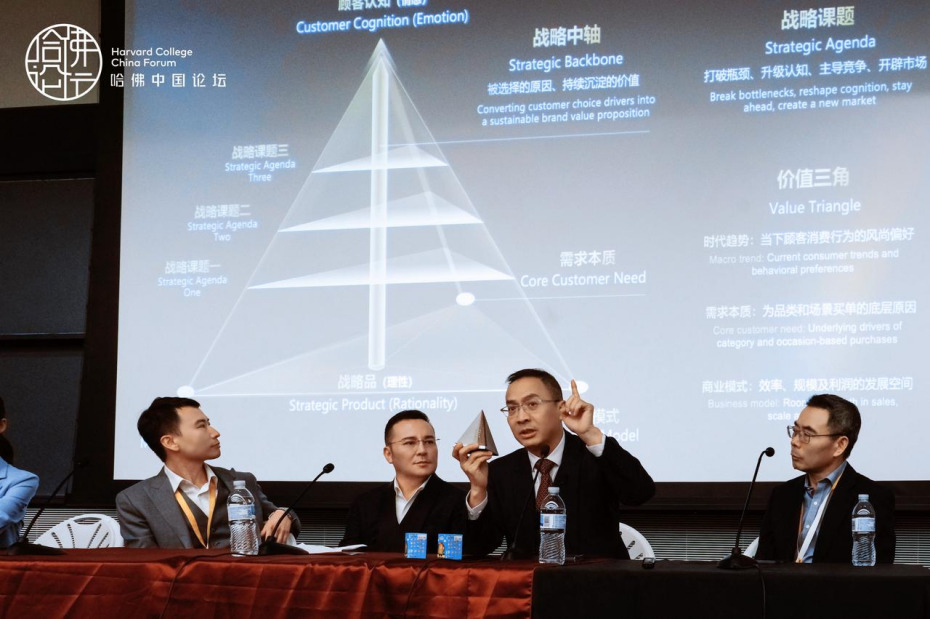

VFabTech Launches to Help Solve the Semiconductor Capacity Bottleneck Behind the Next Wave of AI and Advanced Manufacturing
VFabTech, a semiconductor engineering and consulting company, is entering the market as demand for semiconductors continues to increase alongside advances in artificial intelligence, robotics, automation, and advanced computing. Expanding manufacturing capacity has become a key challenge for the global chip industry, extending beyond the construction of new fabrication facilities to include the coordination of facilities, equipment, infrastructure, and processes from the outset.
VFabTech focuses on fab development, cleanroom planning, equipment engineering, process integration, subfab and utility infrastructure, and workforce training. The company works with clients to design, build, and support semiconductor manufacturing environments from early planning through operational readiness.
The company was founded by Binh Vu, PhD, along with a team with experience in fab operations, equipment engineering, cleanroom development, and global deployment. Vu’s background includes analytical instrumentation, process systems, automation, hardware integration, and microfabrication. The broader team brings experience across both industry and academic environments.
“Semiconductor manufacturing is becoming more complex as demand continues to grow,” said Vu. “Expanding capacity requires coordination across facilities, equipment, utilities, process environments, and workforce development, in addition to capital investment.”
The leadership team has experience in semiconductor manufacturing, equipment engineering, cleanroom operations, facilities infrastructure, EHS compliance, and global fab deployment. Team members have held roles at companies including Applied Materials, Intel, Crystal Solar, Aixtron, and Eugenus, with project work spanning North America, Europe, and Asia.
The company’s technical background includes work in CVD, PVD, RTP, etch, thin-film processing, advanced materials, wet process systems, automation, silicon carbide applications, cleanroom construction, equipment qualification, and facility support. VFabTech works with semiconductor manufacturers, equipment providers, research organizations, and early-stage projects.
The leadership team’s experience spans the full fab lifecycle, including facility development, equipment deployment and qualification, and operational support. Vicente Lim leads global applications and equipment support, and Joel Custodio leads operations, with experience in cleanroom construction, facilities infrastructure, and EHS compliance. Additional technical leadership brings experience in semiconductor equipment engineering, including CVD, ALD, epitaxy, CMP, and plasma systems.
VFabTech approaches semiconductor manufacturing as an integrated system, where facility design, utilities, subfab systems, cleanroom performance, equipment integration, and workforce readiness are interdependent factors in overall operations.
As semiconductor manufacturing continues to evolve, the company’s work is focused on supporting the coordination and implementation of these systems in practice.
About VFabTech
VFabTech is a semiconductor engineering and consulting company focused on fab development, cleanroom planning, equipment engineering, process integration, subfab and utility infrastructure, structural analysis, and workforce training. Built on decades of hands-on industry experience, VFabTech helps clients design, build, optimize, and sustain semiconductor manufacturing environments across the full project lifecycle. For more information, visit www.vfabtech.com.
Media Contact
Binh Vu
Co-founder and President, VFabTech
info@vfabtech.com
+1 713-823-5327


Recent Op-Ed Warns Arizona Bill Could Divert Law Enforcement From Fentanyl Crisis
In a new guest column, former sergeant Terry Blevins argues Arizona House Bill 2415, which would criminalize 7-hydroxymitragynine (7-OH), a compound found in kratom, would force officers to spend time and resources on inspections, lab testing, and complex enforcement, rather than targeting deadly opioid trafficking.
- Arizona loses more than five lives a day to opioid overdoses, largely driven by fentanyl, according to the Arizona Department of Health Services.
- The state has been under a public health emergency since 2017.
- HB 2415 could divert law enforcement from fentanyl investigations to policing a substance not driving the crisis.
Blevins warns the bill would create a costly and burdensome enforcement regime, requiring officers to interpret chemical thresholds, conduct product seizures, and rely on expensive lab testing, resources that could otherwise be used to combat violent crime and drug trafficking.
He also raises concerns about unintended consequences, noting that 7-OH has helped some individuals, including veterans and law enforcement officers, avoid returning to opioid dependence.
“Good policy helps law enforcement focus on the biggest threats and use limited resources wisely. HB 2415 does the opposite. Arizona lawmakers should vote no. Every hour spent policing 7-OH is an hour not spent fighting fentanyl and the criminal networks that continue to tear Arizona communities apart,” Blevins writes.
Arizona lawmakers should reject HB 2415 and keep law enforcement focused on the fight against fentanyl.
HART is urging lawmakers and regulators to adopt a framework that protects consumers while preserving access for responsible adults, including:
- Mandatory lab testing and clear labeling of alkaloid content
- Age restrictions and child-resistant packaging
- Manufacturing standards and retailer accountability
- Targeted enforcement against adulterated, mislabeled, or illicit products
“If the goal is public health, the solution is regulation, not a ban that guarantees a black market, reduces transparency, and harms the very people seeking safer alternatives,” said Jeff Smith, Policy Director for the Holistic Alternative Recovery Trust (HART).
A growing grassroots response has emerged nationally, with organizers pointing to tens of thousands of Americans urging regulators to choose science-based regulation over prohibition, according to a recent press release from 7-HOPE Alliance, a nonprofit organization (501(c)(3) pending) dedicated to advancing public education, user support, and policy advocacy around 7-OH.
About Holistic Alternative Recovery Trust (HART)
The Holistic Alternative Recovery Trust (HART) is a nonprofit policy organization dedicated to advancing safe, evidence-based access to natural alternatives for recovery and wellness. HART advocates for scientific transparency, consumer safety, and regulatory accountability in emerging health and wellness industries. Learn more at hartsupporter.com.
Media Contact
HART Media
media@hartsupporter.com



Turn your news into performance
EZ Newswire is the only news platform connecting the most influential organizations with the most trusted media outlets.