Newsroom
View news releases and announcements distributed by EZ Newswire, the trusted source for business news.
NetDragon Showcases AI-Powered Education Solutions at UNESCO Digital Learning Week 2025
NetDragon Websoft Holdings Limited (“NetDragon” or the “Company”; Hong Kong stock exchange:0777), a global leader in building internet communities, was invited to participate in UNESCO’s Digital Learning Week, held from Sept. 2 to 5 at UNESCO Headquarters in Paris, under the theme “AI and the Future of Education.”
NetDragon was featured at key events including the opening ceremony and parallel forums. As the only corporate invitee, it joined over 30 education ministers and senior officials from the UK, India, Thailand, Malaysia, Türkiye, the UAE and other nations at the Ministerial Roundtable.
Dr. Simon Leung, vice chairman of NetDragon, emphasized in his address at the opening ceremony that the future of education must be a collaboration that transcends academic boundaries and national frontiers, enabled by technology.
During the event, NetDragon showcased a range of its AI education capabilities and products and also explained why Open-Quest Academy (“Open-Q”) chose to partner with NetDragon. Among the featured innovations were the interactive AI digital human, the Promethean ActivPanel 10 interactive panel, the ROKID AR immersive learning experience, and the “E-Library for Teachers.” The demonstrations drew global attention and garnered acclaim from international attendees.
Addressing Global Content Creation Challenges
Since the resurgence of large language models (LLMs) in 2023, AI has been a key driver in the acceleration of digital education worldwide. Dr. Leung underscored the transformative role of AI in education at the event.
The global education community continues to grapple with significant challenges, including the shortage and uneven distribution of education resources, as well as the excessive concentration of content within limited regions and languages. During the pandemic, over 500 million students lacked remote learning access, 72% of whom were in underserved regions. Meanwhile, 90% of open educational resources originate from Western countries, with the majority dominated by English.
To address these gaps, NetDragon created the AI Content Factory–a scalable, cost-efficient platform for culturally adaptive content production. By transforming educators’ tacit knowledge into structured data and enabling intelligent multi-agent collaboration across the content creation lifecycle, the AI Content Factory creates a self-improving system that combines human oversight with scalable AI-driven production. Its dual-cycle quality control mechanism integrates real-time teacher feedback and expert reviews, ensuring both accuracy and continuous improvement.
A prime example is the AI Education Platform launched in partnership with Thailand’s Ministry of Higher Education, Science, Research and Innovation (MHESI) in May 2025. The platform provides AI-powered vocational training to students and young people across Thailand, aligning with the nation’s “Education 6.0” strategy while supporting growth in high-potential fields like AI, electric vehicles, and semiconductors. Beyond Thailand, with support from the World Bank, NetDragon is also advancing digital school transformation in countries including Cameroon. Going forward, the company will continue to leverage the AI Content Factory to deliver highly customized education solutions worldwide.
Partnership with Open-Q
NetDragon, together with the attending guests, witnessed the launch of Open-Q. Open-Q is an open, future-oriented education ecosystem. With education hubs and content creation centers worldwide, Open-Q brings together experts, teachers, and practitioners to collaborate on metaverse-based learning and teaching platforms. Anchored in its three core principles — technology for equity, co-creation of resources, and incentive-driven participation — Open-Q delivers high-quality, localized digital content to advance equitable and effective education worldwide.
Data shows that the unemployment rate among bachelor’s degree holders aged 20 to 24 has risen by 29% over the past four to five years. In certain fields, such as IT and computer engineering, the rate has surged more than 100% compared with 2018–2019. Amid this challenge, Open-Q is harnessing the power of AI to provide new opportunities and guidance for the future. A core feature of Open-Q is its “Learn-and-Earn” model, a learning community where learners acquire job-ready skills, educators are rewarded for high-quality contributions, and the entire ecosystem benefits from an expanding shared knowledge base.
The decision to partner with NetDragon is grounded in the Company's demonstrated expertise in platform development, proven through multiple country-level initiatives. The Company's collaborative history with UNESCO-affiliated institutions further solidified this partnership. In 2021, NetDragon jointly launched the “E-Library for Teachers” with UNESCO IITE — a platform that now supports more than 100,000 educators worldwide, demonstrating NetDragon's sustained commitment to promoting educational equity through technology.
Looking ahead, NetDragon will leverage its AI Content Factory as a core AI engine to deepen collaborations with UNESCO, national governments, leading global universities, and corporations. Together, they aim to create an educational ecosystem that transcends academic boundaries and national borders — accelerating the vision of a future where everyone can learn anywhere, anytime.
For a video overview of NetDragon’s showcase at UNESCO Digital Learning Week 2025, watch here.
About NetDragon
NetDragon Websoft Holdings Limited (Hong Kong stock exchange:0777) is a global leader in building internet communities, with a long track record of developing and scaling multiple internet and mobile platforms that impact hundreds of millions of users. Over the desktop and mobile internet eras, NetDragon previously established China’s first online gaming portal, 17173.com, and China’s most influential smartphone app store platform, 91 Wireless.
Established in 1999, NetDragon is one of the most reputable and well-known online game developers in China with a history of successful game titles including Eudemons Online, Conquer Online, Heroes Evolved and Under Oath. In the past 10 years, NetDragon has also achieved success with its edtech business both domestically and globally. Fully embracing the new AI era, NetDragon is driving its vision of “Infinite Growth” through a dual-focus strategy of “AI+Gaming” and “AI+Education.” With its AI Content Factory empowering operations and working with partners to develop a global learning metaverse, NetDragon is committed to once again building a massive user community in the new AI era.
NetDragon’s overseas edtech business entity, currently a U.S.-listed subsidiary named Mynd.ai, is a global leader in interactive technology and its award-winning interactive displays and software can be found in more than 1 million learning and training spaces across 126 countries.
For more information, visit www.nd.com.cn.
Media Contact
Gillian Wang
ccpa@nd.com.cn


A World United in a Single Chant: Morocco's Karkariya Sufi Mawlid Gathers the Globe
The air hummed, not with modern electric currents, but with a mesmerizing symphony of devotional chants. The invocations rose and fell, interwoven with rhythmic breathing and the soft, insistent tap of drums. This was the sound of remembrance, an intonation both ancient and urgent, rising from the plains outside Nador on the night of Sept. 4, 2025.
Here, beneath a sky pinpricked with stars, thousands of seekers from over 30 nations—from the bustling cityscapes of Europe to the suburbs of North America, from remote corners of Asia to the plains of Africa—gathered in a testament to an enduring spiritual pull that defies borders. They converged on the spiritual heartland of the Karkariya Sufi order for the Mawlid, the birth anniversary of the Prophet Muhammad.
Sufism is often described as the mystical or inward dimension of Islam, a path focused on purifying the heart and achieving direct, personal experience of God. Practitioners, known as Sufis, seek to transform their inner selves through practices of remembrance, meditation, and mentorship under a spiritual guide. Central to this tradition is an intense love and reverence for the Prophet Muhammad, who is seen as the ultimate model of spiritual perfection.
This veneration finds its most joyous expression in the Mawlid, a celebration of the Prophet's birth that for many Sufis is a high point of the spiritual year. It is a time for communities to gather for prayers, listen to poems praising the Prophet's life and character, share food, and express gratitude for the message he brought. For the disciples of the Karkariya, this particular Mawlid, held inside a vast tent erected beside the order’s spiritual compound (zawiya), was a soul-altering, night-long vigil.
From dusk until the first light of the dawn prayer (fajr), this temporary sanctuary became a microcosm of the world, defined not by national identity, but by a shared quest for divine love. The night unfolded in waves of spiritual intensity. It began with the night prayer (isha), followed by hours of communal dhikr—a rhythmic, repetitive invocation of God’s names that swelled and subsided, drawing participants into a unified state of meditative presence.
Visually, the gathering was a sea of vibrant color. The disciples, known as fuqara (the spiritual poor), were clad in the distinctive muraqqa—a brightly colored patched cloak. In the context of the Mawlid, this garment took on a profound significance. “The muraqqa strips you of your ego, of your worldly identity,” explained Abdullah, a senior computer scientist who had traveled from his home in the suburbs of Indianapolis, a world away from this Moroccan hillside.
“Back home, I’m defined by my job, my neighborhood, my Americanness,” he said, gesturing to the human mosaic around him. “Here, we wear this patchwork to symbolize that we have shed these external labels. Like these patches, we are all different pieces from different cloths—Moroccan, Senegalese, French, Brazilian, Indonesian, American—sewn together by a single thread: the love of the Prophet. Tonight, we are one body, one fabric.” The cloak, traditionally a sign of asceticism, here became a uniform of unity.
The Karkariya offers a contemporary revivalist expression of the ancient Shadhiliya Sufi order. Its global appeal is a distinctly modern phenomenon, attracting a diverse mix of Western converts and seekers from the Muslim world. Consequently, their zawiya near Al Aaroui has become a major destination for this unique spiritual synthesis of ancient tradition and modern, global identity.
As the night deepened, the assembly’s energy crested into the Hadra, a powerful, swaying spiritual dance of synchronized movement and chanting that aims to elevate the heart. At the pulsating center of the circle, the order’s spiritual guide, Shaykh Mohamed Faouzi al-Karkari, danced among his disciples, his movements anchoring the wave of collective devotion. This was more than a ritual; it was a physical sermon. In each synchronized breath and step, the gathering became a living embodiment of the principles the Shaykh had been instilling in the attendees all week: a commemoration of the Prophet’s community, founded on beauty, love, and profound humility.
The communal spirit extended beyond worship. Generous dishes of food were served well into the night, a remarkable display of hospitality that ensured every guest was nourished. Among the attendees was Aziz, a Tunisian graduate student pursuing a master’s degree in engineering in Germany. For him, the journey was a pilgrimage in search of a spiritual home.
“In Europe, it can be a challenge to find a living, heart-based Islam,” Aziz explained. “Much of the discourse is political or rigidly dogmatic. I was yearning for the ‘why’—for the love that is the engine of our faith. This Mawlid is the ‘why.’ Look at this unity. We are praying next to people we could never otherwise meet, learning a universal language of the heart. For me, this is the true inheritance of the Prophet’s message.”
The all-night vigil is a central Sufi practice, intended to disrupt the routines of the ego and open the heart to spiritual realities. For the Karkariya, this practice serves a more distinct and foundational purpose: to facilitate the vision of divine light. Their teachings emphasize that this is not a metaphor, but a direct perception witnessed with the "eye of the heart." This luminous experience is considered the very foundation of their spiritual path, turning abstract faith (iman) into a perceived reality.
As the hours passed and physical exhaustion set in, many participants spoke of heightened spiritual awareness and a profound sense of release. Tears flowed freely at the climax of the chanting—not from sorrow, but from an overwhelming sense of gratitude and connection.
The final crescendo came with the ethereal sound of the call (adhan) to the dawn prayer. As it echoed across the hushed tent, a deep, resonant silence fell upon the thousands who had stood, swayed, and chanted for hours. With one final prayer, the night was over.
As the sun cast its first rays over the Moroccan countryside, the intense energy of the vigil softened, but the tent did not empty. For Abdullah, Aziz, and thousands of others wrapped in their colorful cloaks, the climax of the Mawlid was not an ending, but the heart of a more profound immersion. Their journey was far from over. Most would remain for the entire week of celebrations, entering a state of temporary renunciation, disconnected from the jobs and worldly demands that await them across the globe. It is a sacred pause, a time to fully absorb the teachings, live in spiritual community, and renew their commitment to the Muhammadan path of love, before carrying the sustained charge of this sacred week back into a fragmented world.
Media Contact
Alan Noble
alan@karkari.org


Hanvon Ugee Shines at IFA 2025, Showcasing Global Innovations in Digital Drawing and Writing Solutions
The Internationale Funkausstellung Berlin (IFA) 2025, one of the world’s leading consumer electronics trade shows, opened today at the Berlin Exhibition Center. Hanvon Ugee made a striking appearance, unveiling its latest products from flagship brands Xencelabs, XPPen, and ugee, while debuting intelligent digital handwriting solutions for industry partners. The showcase highlighted the company’s strong technological foundation and forward-looking vision, spanning professional digital creation, smart office, and everyday applications.
A Three-Brand Matrix Driving Innovation
At the Hanvon Ugee booth, visitors experienced firsthand the company’s three major brands—Xencelabs, XPPen, and ugee—each presenting cutting-edge products that underscored Hanvon Ugee’s breakthroughs in digital artistry.
Xencelabs, the flagship brand specializing in digital drawing tools, is renowned for superior product quality and has earned endorsements from global studios and prominent artists, including Disney animation director Tony Bancroft and 3D artist Zhelong Xu. At IFA 2025, Xencelabs introduced its drawing display and tablet product series, with the upgraded Xencelabs Pen Display 24+ as a highlight. As the world’s first pen display featuring Calman Ready hardware color calibration technology, Xencelabs Pen Display 24+ targets professional industries such as photography, illustration, animation, visual effects, filming, gaming, industrial design, and other color accuracy-critical creative fields. It delivers a “simple calibration, efficient creation” experience, significantly enhancing the efficiency and reliability of color management for creators.
XPPen, positioned in the mid-to-high-end consumer market, resonates strongly with young creators worldwide, meeting their demand for personalized expression and professional-grade tools. At IFA, XPPen showcased a diverse lineup including pen displays, drawing pads, and note-taking tablets. The standout was the upcoming Artist Ultra 16, launching in late September, a new-generation touch-screen drawing display, and the world’s first to integrate a 4K OLED screen, advanced X-Touch interaction technology, 16K ultra-sensitive pressure levels, and Calman-certified color performance. Catering to creative professionals worldwide, this industry-leading drawing display delivers top-tier performance to empower professional creation. With its high performance and portable design, it supports a seamless experience across diverse creative scenarios, setting a new standard for all-scenario drawing displays and marking a new era of intelligent, touch-based creation.
ugee, known for affordable yet versatile solutions for students and young professionals, unveiled its new S-series drawing tablets, UT-series tablet PCs, and Fresound Inspiration Earphones. The Fun Drawing Pad UT2, powered by Android 14 and featuring a 2K NanoMatte paper-like screen with a passive stylus, delivers a smooth, realistic drawing experience. Meanwhile, the Trio Drawing Pad UT3, with its 2.4K eye-protection large screen and ergonomic design, integrates drawing, reading, note-taking, and online learning, making it an ideal companion for efficient study and light office tasks.
World Premiere of AI-Powered Handwriting Solutions
In the industry solutions section, Hanvon Ugee introduced its AI-powered handwriting solution, alongside two groundbreaking products: the world’s first AI Smart Note-Taking Recorder, Aink Note, and a custom passive EMR Mini stylus for the TCL NXTPAPER 60 Ultra smartphone. These solutions mark a significant step forward in integrating digital handwriting into smart office environments.
The Aink Note smart recorder redefines note-taking with its dual “handwriting + recording” mode, enabling seamless, non-disruptive documentation. Paired with a passive EMR stylus, it supports instant writing with real-time digital storage. Equipped with a dual-microphone array for 360° omnidirectional audio capture, the device records high-quality sound while AI algorithms transcribe speech to text in real time, aligning handwritten notes with transcribed content. This innovation addresses the long-standing challenge of balancing listening and writing in meetings. Post-meeting, the companion app generates meeting minutes, to-do lists, and study summaries with one click, greatly enhancing knowledge management efficiency.
In collaboration with TCL, Hanvon Ugee developed the passive EMR Mini stylus solution for the TCL NXTPAPER 60 Ultra smartphone. This ultra-compact EMR handwriting technology integrates a high-precision antenna board and advanced algorithms to overcome the challenge of precise sensing in the phone’s narrow bezel. The passive stylus requires no charging, supports writing, annotating, and drawing, and attaches magnetically for portability. This solution transforms the smartphone into a versatile mobile office device, meeting the growing demand for multifunctional smart tools in the mobile era.
At the exhibition, staff demonstrated the seamless integration of Aink Note and the TCL smartphone using EMR technology. Notes recorded on the Aink Note synced in real time to the app, where users could view and edit them directly on the smartphone with the EMR stylus. This closed-loop system—from paper-based note-taking to digital management—showcases Hanvon Ugee’s leadership in EMR technology and sets a new benchmark for smart office and consumer electronics integration.
Strengthening Global Presence
IFA 2025 served as a key platform for Hanvon Ugee to demonstrate its global strategy and brand influence, while highlighting “Chinese innovation” in consumer electronics. The event not only presented the company’s latest products and technologies but also reinforced its localization strategy in Europe and beyond, solidifying its innovative brand image.
In the European market, Hanvon Ugee has achieved significant success through years of dedicated effort. Its brands have actively participated in major events such as Gamescom and Manga Barcelona, and built deep partnerships with institutions like SAE Stuttgart and IED Barcelona. These efforts have strengthened local engagement and operational foundations. Market data shows that XPPen holds the top market share in digital drawing devices in France and ranks among the leaders in the UK, Germany, and Spain, earning strong recognition among European consumers.
Globally, Hanvon Ugee has established a robust international business network, with eight overseas subsidiaries, more than 20 cross-border e-commerce platforms, and 25 overseas warehouses and logistics centers, covering more than 160 countries and regions. Its AEO certification, a globally recognized “quality passport,” ensures streamlined market access and reduces barriers to expansion.
In today’s competitive consumer electronics landscape, Hanvon Ugee remains committed to advancing digital handwriting and intelligent interaction technologies. The comprehensive lineup presented at IFA 2025 reflects the company’s deep expertise and foresight in shaping future trends. Looking ahead, Hanvon Ugee will continue to increase R&D investment, deepen global collaborations, and deliver smarter, more user-centric digital drawing and writing solutions—showcasing the innovative strength and technological confidence of Chinese brands on the world stage.
About Hanvon Ugee
Hanvon Ugee Technology Co., Ltd. is a high-tech enterprise specializing in digital drawing and writing technology and innovative application services. With 26 years of experience, the company provides advanced devices and solutions — including pen tablets, pen displays and related accessories — for a wide range of partners. Hanvon Ugee owns three brands: ugee, XPPen and Xencelabs. Its business scope covers digital drawing, digital handwriting and digital signature approval.
Headquartered in Shenzhen, China, Hanvon Ugee has nine overseas subsidiaries and branch offices. The company operates more than 20 cross-border e-commerce platforms and independent marketing networks, as well as 25 warehousing and logistics service institutions. Its digital marketing reaches more than 160 countries and regions. Research and development and manufacturing are centered in Shenzhen, with sales and distribution spanning the globe.
For more information, visit www.hanvonugee.com.
Media Contact
Tina Li
liyuting@ugee.com.cn

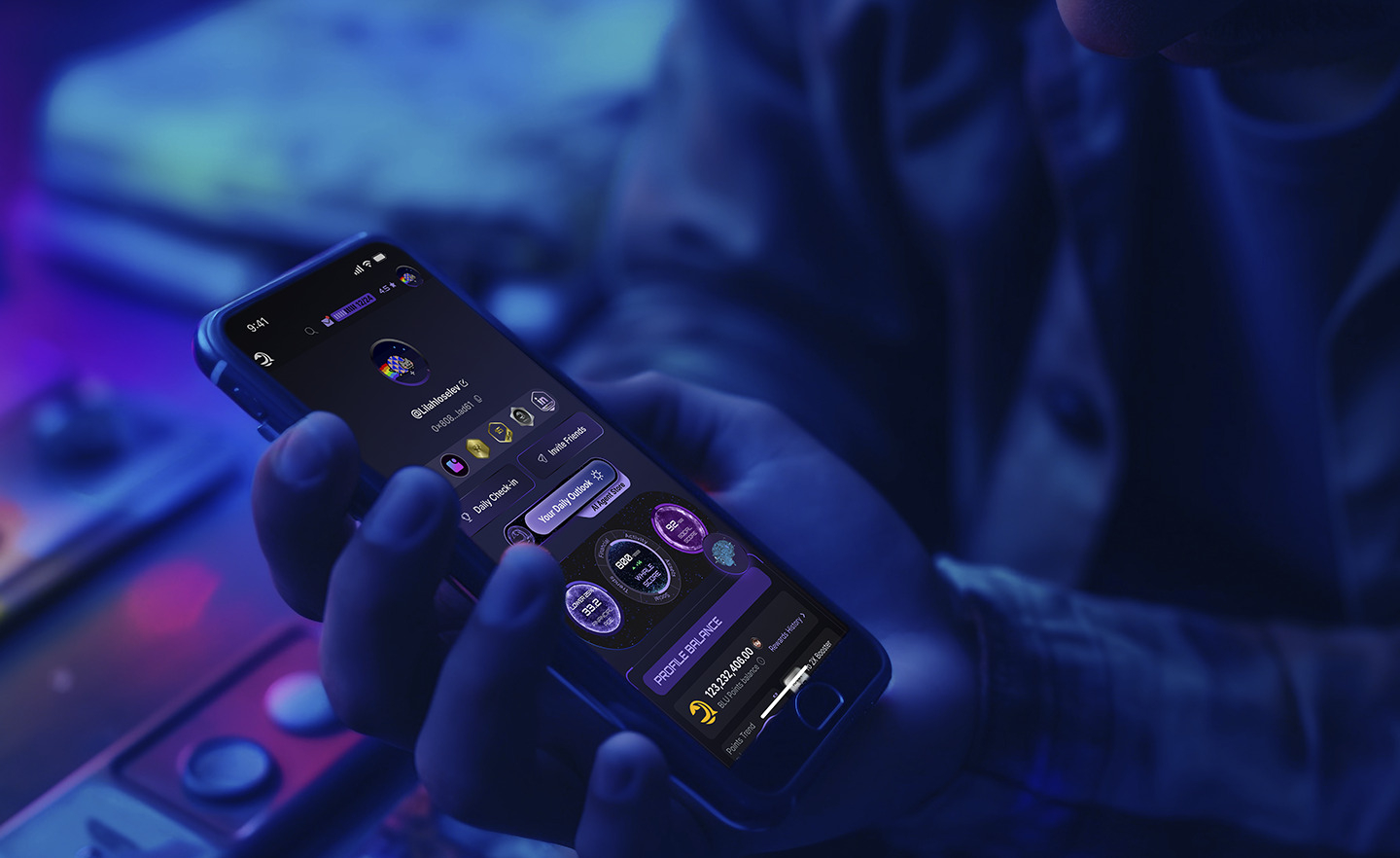
Bluwhale Launches Intelligent Financial Platform to Address Credit Invisibility Among Gen Z
Bluwhale, the decentralized intelligence network powering AI agents across blockchains, today announces the launch of a real-time financial scoring system designed to capture a holistic view of digital consumer financial health by integrating both traditional banking and digital asset data.
The new model addresses a widening gap between how younger consumers earn, save, and invest, and how traditional credit scoring systems evaluate them. Many rely on gig work, freelance income, stablecoins, and crypto income streams, which are often excluded from legacy credit models. As a result, millions remain classified as “thin file” despite being financially active.
According to a Gemini survey, 51% of Gen Z in the U.S. have owned digital assets compared to 35% of the general population.
“Gen Z isn’t just participating in the financial system—they’re reshaping it,” said Han Jin, CEO and founder of Bluwhale. “We wanted to build a tool that reflects the reality of their hybrid wealth—crypto, fiat, and everything in between—while also guiding them toward financial freedom in the background.”
The launch arrives at a time when blockchain-based financial activity and AI-powered analytics are reshaping global finance, marking the start of a new era in Web3 where individual data and identity ownership fuel disruption. This shift is redefining credit, risk, and personalization, with decentralized networks powering the next generation of artificial intelligence.
“If your digital money lives outside of a traditional bank account, it should still count toward your financial profile and health,” said Jin. “We’re closing the gap between how people live digitally and how the financial system measures them.”
Addressing Modern Credit Invisibility
Like FICO’s recent inclusion of buy-now-pay-later (BNPL) data, Bluwhale expands visibility by integrating alternative income, stablecoins, and digital asset data. Its approach enables lenders, fintechs, and institutions to evaluate modern financial activity without overhauling legacy infrastructure. By putting individuals in control of their own financial data, Bluwhale supports the Web3 principle that identity is an asset class and that democratizing access to personal data can power more personalized, equitable AI systems and agents.
The Whale Score
Bluwhale’s financial score is an AI-powered metric ranging from 0 to 1000, updated in real time across five categories: financial, activity, assets, social, and trends. By aggregating data from banks, gig economy platforms, stablecoins, and digital asset wallets, it provides both consumers and institutions with a unified and actionable view of financial health.
For consumers, the platform offers AI-guided clarity, benchmarking, and tailored recommendations to improve financial standing, combining practical guidance with gamified engagement to make progress measurable. For lenders and fintechs, it delivers a standardized metric that includes crypto, staking income, tokenized assets, stablecoins, and alternative earnings, enabling more accurate risk assessment and market inclusion.
Product Overview
- Unified Dashboard: Crypto and fiat in one place; no manual entry.
- Whale Score (0–1000): Like Whoop and Apple Health function for your personal health, the Whale Score provides advice and recommendations on how to grow and improve your financial health. The score is holistic metric spanning activity, digital and cash assets, social signals, and trend dynamics.
- Social Score (0–100): Quantifies engagement across connected profiles and communities.
- Gamified Benchmarking: Compare and share percentile rankings by age group, city, and profession.
- Dynamic Whale NFT: A living visualization of financial persona and percentile rank, designed for identity and expression.
“Bluwhale is not just a consumer financial health app—it’s an infrastructure for the next phase of AI-powered financial services,” Jin added. “By bridging blockchain and banking data, we can help create a decentralized, consumer-powered financial ecosystem that allows AI agents to deliver the most personalized services and offerings to everyone.”
Rollout and Availability
The platform is launching with an initial target audience of 3.5 million users. The free dashboard is available now, with premium subscription tiers and enterprise integrations in development. As more institutions recognize digital assets and stablecoins, Bluwhale aims to become the gold standard for a personalized, democratized, and decentralized AI-powered financial future.
About Bluwhale
Bluwhale is an AI-powered financial health platform that integrates traditional banking data, alternative income sources, and blockchain-based assets into a unified financial score. Built to modernize financial visibility for a generation underrepresented in legacy systems, Bluwhale bridges traditional and decentralized finance to enable better risk assessment, broader market inclusion, and more personalized financial services. For more information, visit www.bluwhale.com.
Media Contact
Erica Zeidenberg
erica@hottomato.net

In Lithuania, the Digital Euro Is No Longer Theory — It’s Infrastructure
When the European Central Bank first floated the idea of a digital euro in 2021, it felt to many like a speculative gesture — a bureaucratic nod to the rising influence of cryptocurrency and the growing power of tech giants in global payments.
But here in Lithuania, the idea never felt abstract.
Not after Russia’s invasion of Ukraine. Not after waves of cyberattacks across Eastern Europe. And certainly not as European governments continue to pay billions in fees to American card networks just to process domestic transactions.
“For us, this isn’t about hype,” says Edgars Lasmanis, founder of Lithuanian fintech firm Walletto. “It’s about sovereignty, resilience, and real-world use cases.”
Now, with legislative groundwork nearly complete and prototypes in development, Lithuania is emerging as one of the most prepared — and most motivated — backers of the digital euro: a central bank digital currency (CBDC) designed to complement cash, operate offline, and offer a pan-European alternative to Visa, Mastercard, and Big Tech.
Why the Baltic states are listening
Across much of the eurozone, the digital euro is still viewed with ambivalence. Citizens express concern about surveillance, centralisation, and the vague fear that something valuable is being replaced with something cold and programmable.
But in Lithuania — a country of fewer than 3 million people that borders both Russia and Belarus — the mood is more pragmatic.
“We know what it means to be cut off,” says Ingrida Simonaitytė, a cybersecurity consultant in Vilnius. “We’ve seen what happens when infrastructure fails. Having your own payment system isn’t just nice — it’s national security.”
According to data from the Bank of Lithuania, the country is almost entirely dependent on international card schemes for everyday payments. Neither Lithuania nor 13 other eurozone countries currently have a domestic card system — a dependency that European officials describe as a strategic vulnerability.
In 2022, the EU paid an estimated €1 billion in card fees to U.S. providers. Lithuania alone handles nearly all of its digital transactions through Visa, Mastercard, Apple Pay, and Google Pay.
“That kind of reliance on external infrastructure isn’t sustainable,” Lasmanis says. “Especially when you consider that geopolitics now includes cables, chips, and payments.”
What exactly is the digital euro?
Unlike Bitcoin or stablecoins, the digital euro is state money. It would be issued by the Eurosystem — the ECB and national central banks — not commercial banks or private platforms.
The goal is not to eliminate cash, but to create a parallel, digital means of payment: one that is free to use, widely accepted across the eurozone, and capable of functioning even during internet outages or political instability.
Key features include:
- Offline payments, even without mobile or data signal
- Free basic services for individuals, including transfers and point-of-sale payments
- No commercial data harvesting, with strong privacy guarantees
- Programmable capabilities for governments (like automatic tax refunds or disaster relief)
The plan, currently in the preparatory phase, is to roll out basic infrastructure by 2027, with a full rollout by 2030. The ECB emphasizes that it has no commercial interest in transaction data and that privacy will be “as close to cash as possible,” particularly for offline transactions.
“It’s designed to be neutral and foundational,” says Christine Lagarde, ECB President, in a recent speech. “A public option for digital money.”
A digital euro, built in Vilnius?
In Vilnius, the central bank has already built a live demo of how the digital euro might work — including offline payments, QR-based peer-to-peer transfers, and real-time tax declarations for merchants.
Behind the scenes, firms like Walletto are helping to shape how private-sector intermediaries — banks, PSPs, fintechs — will integrate with the system.
“The idea is not to compete with private companies,” says Tomas Garbaravičius, an adviser at the Bank of Lithuania. “It’s to give them the rails to build better services.”
Walletto, which already offers card issuing, merchant acquiring, and bulk payouts, is positioning itself to be one of those builders. Lasmanis says the company is ready to integrate digital euro functionality into its platform the moment a viable API is available.
“We already serve clients across the EEA,” he says. “If we can offer them digital euro capabilities — especially offline or instant settlement — it’ll be a game changer.”
From Brussels to Washington: The global view
While the EU pushes forward with the digital euro, other major economies are watching — or hesitating.
In the United States, efforts to develop a digital dollar remain stuck in early research stages. The Federal Reserve has been cautious, citing concerns over bank disintermediation, privacy, and political backlash.
“We’re watching Europe closely,” said Michael Barr, Vice Chair for Supervision at the Fed, during a 2024 testimony. “But any U.S. CBDC would require Congressional approval — and public trust.”
That trust may be hard to earn. In a polarized political environment, CBDCs are often framed as government overreach. In contrast, Lithuania has framed the digital euro as a democratic tool — giving citizens options, not orders.
“Nobody will be forced to use the digital euro,” Lasmanis emphasizes. “But people should be able to. Especially in a crisis.”
Can it really work offline?
Perhaps the most radical feature of the digital euro is its ability to work without internet or mobile connection. Using secure chips embedded in smartphones or cards, users could transfer funds directly — no cloud, no server, no telecoms.
“This is where the innovation really lies,” says Lisa Thompson, a digital currency researcher at MIT. “Offline capability breaks the dependence on real-time infrastructure. It’s closer to cash than any digital payment we've seen.”
In Lithuania, that capability is seen not as a curiosity, but a necessity.
“If the cable goes out, if there's a cyberattack, if there’s another war — we need fallback options,” says Simonaitytė. “That’s what the digital euro offers. Not speculation — resilience.”
But what about privacy?
Despite ECB assurances, privacy remains a flashpoint — particularly in Germany, where cash usage is culturally significant.
Surveys show that many citizens fear surveillance, even if the central bank promises pseudonymisation, data encryption, and strict legal firewalls between banks and public authorities.
Lasmanis is cautiously optimistic.
“Trust has to be earned,” he says. “That’s why the offline mode matters. If you can pay without a network, without a trail, then the system becomes credible.” He adds that privacy should not be seen as incompatible with compliance: “It’s possible to have robust AML and still protect the user. We do it every day.”
Europe’s quiet counterweight to Big Tech
Ultimately, the digital euro is about rebalancing power — not just within finance, but within society.
Visa and Mastercard are global businesses. Apple and Google own the device layers. Commercial banks own deposits. But central banks, in theory, serve the public. And that distinction matters.
“A payments system should not be hostage to any one provider — or country,” says Lagarde.
If successful, the digital euro could become the first truly public digital currency used at scale — offering Europeans a way to pay, get paid, and store value without handing over their data, identity, or dependence.
Back in Vilnius, the work continues
At Walletto’s office, developers are already mapping what a future integration might look like: merchant terminals that accept digital euro alongside cards; apps that let users move between money types; APIs that let governments disburse aid instantly.
“The future of money is modular,” Lasmanis says. “And the digital euro is one of those modules.”
His view is neither utopian nor cynical. It’s pragmatic — a view shaped by Lithuania’s geography, its past, and its digital future.
“In the Baltics, we don’t ask if something is necessary. We ask: what happens if we don’t have it?”
About Walletto
Walletto is a European-licensed electronic money institution (EMI) and all-in-one fintech platform headquartered in Lithuania. As a principal issuer and acquirer with direct Visa and Mastercard partnerships, Walletto provides secure, scalable solutions for card issuance, acquiring, and electronic payments. Its integrated infrastructure enables businesses to launch, grow, and expand globally with speed and compliance confidence. For more information, visit walletto.eu.
Media Contact
Julija Pudenko
marketing@walletto.eu


Nominations for the Broermann Medical Innovation Award 2026 Now Open
The nomination period for the Broermann Medical Innovation Award 2026 has begun. Endowed with a million euros, this international award is among the most prestigious honors for medical research worldwide. Scientists from around the globe who have made pioneering contributions in medicine, biotechnology, or related fields may be nominated. The nomination portal will remain open until March 1, 2026.
The Broermann Medical Innovation Award recognizes scientific breakthroughs with high innovation potential for clinical application. The focus is on research results that have a long-lasting impact on the lives and health of millions of people worldwide. The announcement of the award recipient and the second official Broermann Medical Innovation Award ceremony will take place in autumn 2026.
Debut of the Broermann Medical Innovation Award This Year
The award will be presented for the first time this year. The jury will announce the inaugural recipient of the Broermann Medical Innovation Award on September 18, 2025. The official award ceremony, hosted by the Minister-President of Hesse, Boris Rhein, will take place on November 14, 2025, at the Hessian State Chancellery in Wiesbaden.
About the Broermann Medical Innovation Award
The Broermann Medical Innovation Award was established in 2024 to honor the vision and commitment of Dr. Bernard große Broermann, founder of the Asklepios Kliniken Group. The award is endowed by Broermann gemeinnützige GmbH and organized through the University Hospital Gießen and Marburg (UKGM). The award is intended to recognize groundbreaking medical discoveries and highlight those whose research is making real progress in the prevention or treatment of disease. The aim is to reflect the award founder's firm conviction that, although scientific excellence in medicine is always an international team effort, the impact of networks is limited without the genius of individual researchers. The Broermann Medical Innovation Award is intended to recognize and support these key figures and drivers of medical innovation worldwide.
Further information about the award, nomination criteria, and selection process can be found at www.broermann-award.org.
Media Contact
Miriam Malko
contact@broermann-award.org
+49 641 98542310
Asklepios Kliniken Konzernbereich Unternehmenskommunikation & Marketing
presse@asklepios.com
+49 40 1818826636
24-hour press office hotline
presse@asklepios.com
+49 40 1818828888

SKYX Technologies Demonstrates Smart Plug-and-Play Solutions in Marriott Hotel Renovation, Strengthening Expansion in North America
SKYX Platforms Corp. (NASDAQ:SKYX) (“SKYX” or the “Company”), a platform technology company with more than 100 issued and pending patents and a growing portfolio of over 60 lighting and home décor websites, announced today that it has successfully showcased its smart plug-and-play technologies during a renovation project at a Marriott SpringHill Suites Hotel operated by the Shaner Group. The demonstration reflects SKYX’s ability to deliver safety, efficiency, and cost savings during large-scale renovation projects and supports its continued market expansion in the U.S. and Canada.
The project featured multiple SKYX solutions, including ceiling fixtures, recessed lights, downlights, wall lights, EXIT and emergency lighting, and plug-in LED backlit mirrors. The Company reported that the installation process highlighted meaningful advantages in safety, time savings, and cost efficiency, creating opportunities to improve the standard renovation cycle that most major hotel chains require every seven years.
“We are happy to report that we have successfully demonstrated our technology’s ability to provide significant hotel safety, time savings and cost savings during hotel renovation and buildouts,” said Rani Kohen, founder and executive chairman of SKYX. “We hope to continue demonstrating our technologies’ abilities in additional projects and remain focused on further scaling our footprint and unlocking long-term value through future recurring revenue opportunities.”
Lance Shaner, founder of the Shaner Hotel Group and a long-term SKYX investor, added, “We clearly recognize SKYX’s significant value of time saving, cost saving, and safety as demonstrated during our Marriott SpringHill Suites hotel renovation. I strongly believe SKYX’s game-changing advanced and smart platform technologies will make hotels, buildings, and homes advanced, smart, and safe instantly, while saving cost, time, and lives.”
Following this successful renovation, SKYX anticipates that its smart building technologies will be incorporated into additional Marriott properties as well as other hotel brands. With proven advantages in safety, speed, and cost reduction, SKYX continues to advance its mission of setting a new standard for safe and smart buildings across North America.
To view SKYX’s renovation demonstration video at the SpringHill Suites Marriott, click here.
About SKYX Platforms Corp.
As electricity is a standard in every home and building, our mission is to make homes and buildings become safe-advanced and smart as the new standard. SKYX has a series of highly disruptive advanced-safe-smart platform technologies, with over 97 U.S. and global patents and patent pending applications. Additionally, the Company owns over 60 lighting and home decor websites for both retail and commercial segments. Our technologies place an emphasis on high quality and ease of use, while significantly enhancing both safety and lifestyle in homes and buildings. We believe that our products are a necessity in every room in both homes and other buildings in the U.S. and globally. For more information, please visit our website at www.skyplug.com or follow us on LinkedIn.
Forward-Looking Statements
Certain statements made in this press release are not based on historical facts, but are forward-looking statements. These statements can be identified by the use of forward-looking terminology such as “aim,” “anticipate,” “believe,” “can,” “could,” “continue,” “estimate,” “expect,” “evaluate,” “forecast,” “guidance,” “intend,” “likely,” “may,” “might,” “objective,” “ongoing,” “outlook,” “plan,” “potential,” “predict,” “probable,” “project,” “seek,” “should,” “target” “view,” “will,” or “would,” or the negative thereof or other variations thereon or comparable terminology, although not all forward-looking statements contain these words. These statements reflect the Company’s reasonable judgment with respect to future events and are subject to risks, uncertainties and other factors, many of which have outcomes difficult to predict and may be outside our control, that could cause actual results or outcomes to differ materially from those in the forward-looking statements. Such risks and uncertainties include statements relating to the Company’s ability to successfully launch, commercialize, develop additional features and achieve market acceptance of its products and technologies and integrate its products and technologies with third-party platforms or technologies; the Company’s efforts and ability to drive the adoption of its products and technologies as a standard feature, including their use in homes, hotels, offices and cruise ships; the Company’s ability to capture market share; the Company’s estimates of its potential addressable market and demand for its products and technologies; the Company’s ability to raise additional capital to support its operations as needed, which may not be available on acceptable terms or at all; the Company’s ability to continue as a going concern; the Company’s ability to execute on any sales and licensing or other strategic opportunities; the possibility that any of the Company’s products will become National Electrical Code (NEC)-code or otherwise code mandatory in any jurisdiction, or that any of the Company’s current or future products or technologies will be adopted by any state, country, or municipality, within any specific timeframe or at all; risks arising from mergers, acquisitions, joint ventures and other collaborations; the Company’s ability to attract and retain key executives and qualified personnel; guidance provided by management, which may differ from the Company’s actual operating results; the potential impact of unstable market and economic conditions on the Company’s business, financial condition, and stock price; and other risks and uncertainties described in the Company’s filings with the Securities and Exchange Commission, including its periodic reports on Form 10-K and Form 10-Q. There can be no assurance as to any of the foregoing matters. Any forward-looking statement speaks only as of the date of this press release, and the Company undertakes no obligation to update or revise any forward-looking statements, whether as a result of new information, future events or otherwise, except as required by U.S. federal securities laws.
Media Contact
Jeff Ramson
jramson@pcgadvisory.com


Global Chamber NYC Expands Impact in 2025 Under Strategic Leadership
Global Chamber® New York City is making bold strides in 2025, curating a vibrant schedule of international business activities and welcoming a steady influx of new members. This growth is a direct result of the dynamic leadership of Executive Director Susan Gitenstein Assadi and Advisory Board Chair Charles Bernard, whose collaborative vision has energized the advisory board and elevated the organization’s global reach.
Together, they continue to foster meaningful connections, spotlight emerging opportunities, and position Global Chamber NYC as a hub for cross-border innovation and influence.
Charles Bernard, Advisory Board Chair
Charles is the founder and CEO of Criteria for Success, a sales consulting firm, and Collavia, a SaaS company that brings sales strategy to life with AI.
He has spent over 20 years helping business leaders build stronger sales teams and increase revenue through practical frameworks and leadership development. Based in New York City, Charles works with clients across industries and is also a frequent speaker on sales, AI, and organizational growth.
He is the pioneer of the selling operating system called "Enabling Buying in a World of Selling," which helps organizations move from pushing products to creating conditions where buyers buy with confidence.
Charles says, “I joined the advisory board because I believe Global Chamber brings together the right voices to make a real difference for business leaders. The collaboration and global reach align perfectly with my work helping companies grow in smarter and more human ways."
Susan Gitenstein Assadi, Executive Director
Since stepping into the role of executive director in 2019, Susan has led Global Chamber New York City through a period of strategic expansion and innovation. Under her guidance, the organization has built a diverse and engaged membership base while evolving its programming to meet the demands of a rapidly changing global business landscape.
In addition to her role at the Global Chamber, Susan leads GA PR, a boutique firm specializing in expert-driven and thought leadership campaigns. A nationally respected media strategist, she has secured top-tier placements in outlets such as The Wall Street Journal, Financial Times, The New York Times, Barron’s, Reuters, Bloomberg, and CNBC. Her work consistently elevates small and midsize companies to visibility typically reserved for Fortune 500 brands.
Susan is also the co-founder of Safed House, a welcoming space for refugees and immigrants to share their stories, find support, and build community — reflecting her deep commitment to empathy, storytelling, and social impact.
Susan says, “When I assumed leadership of the chapter six years ago, we were a fledgling group with great potential. Over the past year, under Charles’s thoughtful guidance as chair of our advisory board, we’ve cultivated a vibrant network of global leaders. Their energy and vision have propelled our growth, fostering meaningful business synergies and unlocking new opportunities for their respective companies.”
Steven Nicokiris, Managing Director, CBIZ Advisors
Steven Nicokiris delivers hands-on business, audit, and tax guidance to privately held, family-owned, and private-equity-backed middle market companies, with a sharp focus on global expansion and sustainable growth. His client portfolio spans a wide range of industries — including consumer products, apparel, retail, electronics, housewares, finance, food and beverage, professional services, and staffing — reflecting his versatile expertise and deep market understanding.
From startup strategy to complex buy/sell transactions, Steven advises clients with a global lens. He identifies tax planning opportunities to optimize outcomes, supports budgeting and cash flow forecasting, and helps structure financing arrangements to fuel long-term success.
In addition to serving on the advisory board of Global Chamber NYC, Steven is a board member of the Metro Professional Networking Group and has been a Vistage Trusted Advisor for over a decade — further demonstrating his commitment to leadership, collaboration, and community impact.
Steven said, “I joined the advisory board of the New York chapter of the Global Chamber because I wanted to take a leadership role in its growth under the guidance and vision of Charles Bernard and make a significant impact on the success of member companies with global expansion aspirations.”
Jean-Paul Richer, Port of New York and New Jersey
Jean-Paul Richer (JP) serves as the Northeast regional account manager for the commercial outreach team within the Port Department of the Port Authority of New York and New Jersey. In this role, he builds and maintains strategic relationships with shippers and beneficial cargo owners across the Northeast, while spearheading marketing programs, communication strategies, and business initiatives to drive growth at the Port of New York and New Jersey.
Since joining the agency in 2016, JP has established himself as a key member of the port operations team.
JP’s expertise in logistics, stakeholder engagement, and infrastructure strategy adds valuable perspective to the Global Chamber NYC Advisory Board, reinforcing the Chamber’s commitment to international business connectivity and regional economic vitality.
JP says, “I joined the Global Chamber NYC Advisory Board not only to promote the Port Gateway but to also pursue, develop and maintain synergies and working relationships among NYC and local supply chain professionals, transportation and logistics providers as well as shippers and manufacturers to identify opportunities to support and assist one another.”
Anthony De Filippis, Co-CEO, CargoTrans
Anthony De Filippis is the co-CEO of CargoTrans, a family-founded logistics company dedicated to making global trade simple, visible, and sustainable. Having grown up in the business, he brings firsthand experience from the warehouse floor to executive leadership, giving him a unique perspective on today’s supply chain challenges. Anthony works closely with CEOs and business leaders to cut through the complexity of shifting tariffs, evolving regulations, and global unpredictability, helping them turn challenges into opportunities. His leadership emphasizes clarity, transparency, and partnership, viewing logistics not as a commodity but as a strategic driver of growth. Anthony is recognized for his ability to provide calm in the chaos and actionable strategies that strengthen both businesses and relationships. At CargoTrans, he continues to expand the company’s global reach, supporting technology initiatives while fostering a workplace culture built on integrity, collaboration, and long-term impact.
Anthony says, “I joined the Global Chamber NYC Advisory Board to help businesses cut through the complexity of global trade and create partnerships across the world.”
Melanie Fox, Founder, SpeechFox
As a speech coach, Melanie Fox empowers executives and public figures to speak clear, confident English through accent reduction and interview and presentation training. She also trains actors to master authentic English and Spanish dialects. A paid public speaker, she helps audiences “hack into language” and is the host of the new podcast "Hack That Accent." Melanie served as advisory board chair in 2024.
Melanie says, “I joined the Global Chamber NYC Advisory Board to help generate synergies between businesses based in NYC who want to do business abroad and vice versa — feels like we have our fingers on the pulse of the global business vortex!”
Bernardita Calinao, Founder and CEO, Walkspan
Bernardita Calinao is the founder and CEO of Walkspan, an AI-driven SaaS company that delivers neighborhood intelligence for real estate. As an environmental planner, she has spent over 25 years directing interdisciplinary studies and formulating sustainable strategies for the urban, transportation, and energy sectors in the U.S. and abroad. Walkspan is a powerful intelligence platform designed to increase sales while simplifying the process of finding the right neighborhoods for real estate clients.
Bernardita says, “I joined the Global Chamber to expose the value of Walkspan for business placemaking decisions at a global scale.“
Doug Wendt, Co-founder, Wendt Partners
Doug Wendt is the co-founder and senior partner of Wendt Partners, a global HubSpot CRM consultancy headquartered in New York with offices in Toronto, London, and Melbourne. Doug has spent the entirety of his 30+ year career focused on designing and delivering innovative technologies for ERP, CRM, and quality management in technology and industrial enterprises.
Doug says, "I joined the Global Chamber New York City Advisory Board because I believe in the power of collaborative innovation to reshape global business practices. This opportunity allows me to blend my experience with fresh ideas to drive meaningful change on the global stage. Now, more than ever, we need leaders who care about crossing borders and building bridges, and the Global Chamber is at the heart of that movement."
Monica Varas, Founder, VIB Global
Monica Varas is the founder of VIB Global and Varas Insurance Brokerage, specializing in innovative insurance solutions for U.S. companies and international businesses entering the U.S. market. With over 15 years of experience, she has worked across industries including technology, logistics, construction, and global trade. Based in New Jersey, Monica partners with clients across the United States, Latin America, and Europe, helping them protect assets and scale confidently.
Monica says, "I joined the advisory board because I believe in building bridges for entrepreneurs. Global Chamber’s collaborative, worldwide network aligns perfectly with my mission to help businesses grow and succeed across borders."
Stefanie Eimesser, Coordination Manager, New York Chapter
Stefanie Eimesser is the coordination manager for Global Chamber’s New York Chapter, bringing over a decade of international experience in marketing, business development, and event management across premium consumer goods and the travel industries. Originally from Bavaria, Germany, Stefanie relocated to New York City in 2023 after winning the U.S. green card lottery to pursue her dream of living and working in her favorite city. With a master’s degree in marketing management, she combines a proven ability to drive growth and build brand equity through creative, results-oriented strategies with a passion for strengthening New York’s global business community.
Stefanie says, “I joined the Global Chamber NYC because I believe in the power of global connections and want to help create meaningful opportunities for collaboration and growth across our international community.”
Our chapter holds monthly in-person meetings on the fourth Thursday of each month at 5 p.m. ET and monthly online meetings on the second Monday of each month at 5 p.m. ET.
About Global Chamber New York City
Members of Global Chamber® New York City gain access to millions of customers, partners and trusted connections in 525 metro areas around the world to grow their business. We help companies export, import, invest and be more successful.
We're the only organization in New York with hundreds of locations outside of the state that supports attraction, landing, exporting, importing and investment. Our network of over 100 million trusted connections are a key asset to any company looking for more growth.
To get connected with Global Chamber New York City, contact Executive Director Susan Assadi at susan@globalchamber.org. For more information visit www.globalchamber.org.
Media Contact
Susan Assadi
susan@globalchamber.org


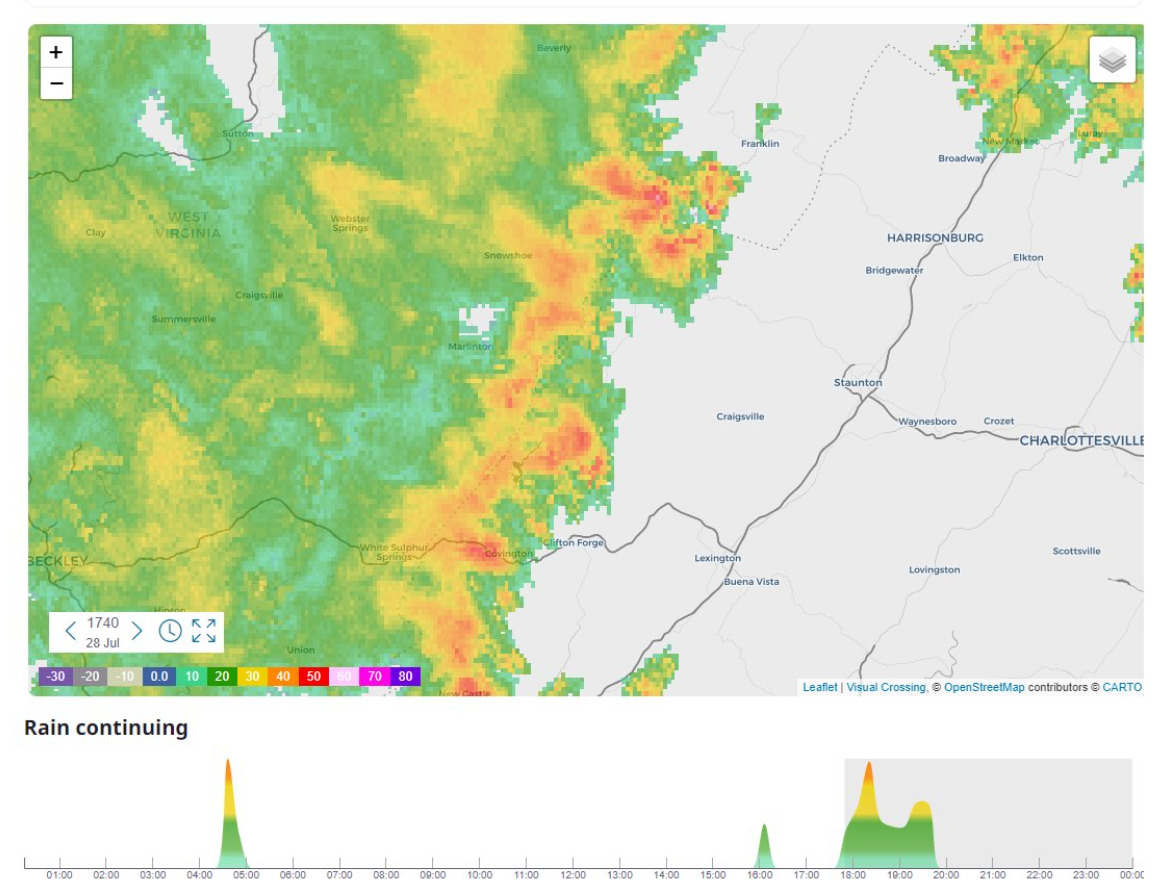
Visual Crossing Adds Real-Time Radar to Its Weather API, Starting in the U.S. and Europe
The best weather API must have a radar integrated into its data platform. Visual Crossing didn’t pioneer this — other providers such as Tomorrow.io and Open Weather have done so as early as 2021. However, Visual Crossing's approach brings broader accessibility and developer-friendly integration options, instead of primarily targeting enterprise and industrial use.
The update’s main focus has been neatly explained: “Adding real-time radar unlocks a new level of precision in location-aware applications,” said a Visual Crossing spokesperson. “It allows developers to track storms and rain minute-by-minute and adjust their services accordingly.”
More Intelligent Movement Through Environmental Context
GPS tells apps "where" users are, but it fails to explain "what" is happening at that location. During severe weather, such blind spots can result in critical failures.
What radar-enhanced APIs add to the platforms is the ability to factor in active conditions — rainfall, storm fronts and wind fields — enabling geospatial apps and location-based platforms to adapt in real time.
Thanks to this upgrade, routing systems (e.g., maps, navigation apps) can now do more than just adjust their ETAs; they can now reroute around active storm cells, flooded areas, or hail zones, they can score and rank route segments based on safety, warn users about sudden weather hazards, display live storm overlays on maps, and more.
Ride-hailing platforms, such as Uber and Lyft, can now delay/cancel pickups, adjust driver incentives or surge pricing based on storm proximity, alert both drivers and riders of incoming weather threats, and do ride prioritization based on unsafe weather conditions.
Even micromobility apps (e-scooters, bike rentals) can temporarily disable rentals in areas that are expected to suffer severe weather conditions thanks to incoming radar signals, keeping their users safe.
Data from the U.S. Department of Transportation, FHWA (Federal Highway Administration), shows that approximately 21% of 5,900,000 annual vehicle crashes are weather-related. This equates to about 1,235,000, from which there are nearly 5,000 deaths and more than 418,000 injuries.
Thanks to real-time radar implementation into weather APIs, these dreadful numbers could be significantly reduced.
Operational Resilience and Business Continuity
Of course, real-time radar data extends way beyond just navigation. Logistics networks, on-demand services, and location-based retail platforms can now adapt their operations based on real-time weather changes — not after the fact.
FedEx and Amazon rely on extremely precise ETAs to keep their operations flowing, so they gain by benefiting from real-time radar by enabling reroutes on shipments based on storm proximity, shifting loading schedules if there’s too much precipitation, or pausing entire deliveries if there are hazards such as hail or flash flooding.
Considering over 70% of the roads in the U.S. are located in snowy regions, having real-time weather alert updates can help make logistics more efficient and safe, because it allows fleet management systems to timely reroute vehicles to keep the drivers safe and away from icy roads.
In early 2024, 31% of businesses in Tennessee and 28% in Arkansas reported financial losses because of extreme weather. That is a major disruption, and it indicates just how critical it is to factor weather into any location-based service.
Retail also stands to gain from this upgrade. Apps will now be able to automatically push coffee discounts on cold mornings or promote patio dining promos on sunny afternoons.
In fact, a study published in the Journal of Retailing and Consumer Services found that daily sales can vary by up to 23.1% depending on where the store is and as much as 40.7% based on product themes — both directly tied to weather conditions.
Visual Crossing’s Radar Update Hopes for Smarter, Safer Apps
With radar-powered weather APIs now in play, the apps we use on a daily basis can shift from reactive to real-time adaptation — improving responsiveness across all sectors, more reliability, and more safety.
About Visual Crossing
Visual Crossing is a leading provider of weather data and analysis tools for data scientists, business analysts, and developers. With a mission to empower better decision-making through high-quality, easily accessible data, Visual Crossing has been offering enterprise-class solutions for nearly two decades. The company's powerful, yet user friendly, weather API is widely recognized as one of the best in the industry, providing a single endpoint for accessing a vast range of global weather data. This includes decades of historical data, real-time conditions, and a 15-day forecast, making it an ideal choice for a wide variety of applications and industries, from retail and agriculture to energy and construction. Visual Crossing offers a generous free tier for developers and is a trusted source for businesses worldwide. For more information, visit www.visualcrossing.com.
Media Contact
Sean McCafferty
sales@visualcrossing.com

From Brides to Businesses: How Inflation Is Reshaping the Wedding Economy
Weddings have always been one of life’s most anticipated milestones, but also one of the most expensive. Now, in the midst of a global cost-of-living crisis, the price of “I do” is climbing even higher. Couples are finding themselves paying more for everything from flowers to food, while the businesses that make these celebrations possible are being forced to adapt to a shifting economic landscape.
Rising Costs for Couples
Across the board, wedding budgets are being stretched. Venues and caterers, dealing with increased labour and energy costs, have raised their prices. Florists are paying more to import blooms as freight costs soar, and designers face higher fabric prices for gowns and suits.
The result? Couples are cutting guest lists, trimming menus, or choosing weekday weddings to keep costs manageable. A carefully styled table for 30 is increasingly replacing a ballroom dinner for 150.
The Strain on Businesses
It isn’t only couples feeling the pressure. The ripple effects of inflation are being felt throughout the industry.
- Dressmakers in major production hubs report jumps in fabric and labour costs.
- Hospitality providers have adjusted menus to reflect the rising price of meat, dairy, and energy.
- Florists are grappling with unpredictable supply chains and higher freight costs.
For some smaller operators, the pressure has been too great, leading to closures. Others are adapting with pared-back packages or budget-friendly alternatives to keep celebrations accessible.
Changing the Look of Weddings
Inflation is also reshaping how weddings look and feel. Micro-weddings and elopements, once niche, have surged in popularity. Digital invitations and online planning tools, like Say I do, are replacing stacks of stationery. Even destination weddings are being reconsidered; in some cases, all-inclusive packages abroad cost less than hosting in major cities like Sydney.
These choices reflect a growing emphasis on intimacy, value, and personalisation over scale.
A Two-Tiered Market
What’s emerging is a divided wedding economy.
- Luxury weddings: Largely unaffected, with high-spending couples continuing to invest in premium venues, designers, and experiences.
- Budget-conscious weddings: A growing segment defined by smaller guest lists, simplified décor, and creative compromises.
The “middle ground”, the once-standard large wedding, is shrinking, squeezed by rising costs and shifting priorities.
Looking Ahead
Even as inflation begins to ease in some regions, its impact on weddings is unlikely to vanish quickly. Couples are weighing their big day against other life goals, such as mortgages or childcare, while businesses refine their pricing and services to meet a new generation of expectations.
The wedding economy, once defined by tradition, is now shaped by economic reality. Love may be priceless, but the way we celebrate it is evolving, proof that even the most enduring rituals must bend with the times.
About Say I do Wedding Planning
Say I do is an all-in-one wedding planning platform that helps couples design a wedding website, manage RSVPs, and stay organized with planning tools. For more information, visit sayi.do.
Media Contact
Say I do
help@sayi.do


Unlisted Named to TechCrunch’s 2025 Startup Battlefield 200
Unlisted, a real estate technology company focused on the 98% of homes that aren’t for sale—yet, today announced its selection to TechCrunch’s 2025 Startup Battlefield 200, the highly competitive showcase of the world’s most promising early-stage companies.
Chosen from thousands of applicants across the globe, only 200 startups earned a place in this year’s cohort—recognized by TechCrunch as “THE cohort to watch.” Unlisted will be featured alongside other groundbreaking ventures at TechCrunch Disrupt 2025 in San Francisco.
Most real estate companies showcase homes that are listed for sale, which typically represent approximately 2% of all homes. Unlike these traditional approaches and even unlike private-exclusive listings or “coming soon” listings, Unlisted is the first real estate platform to make every home discoverable regardless of its for-sale status. The platform empowers buyers and homeowners (and their agents) to connect with each other even when a home is not for sale. As a result, Unlisted surfaces interest, unlocks opportunities, and proactively sets the stage for future transactions.
Backed by HearstLab, Hearst Newspapers, VC414, StageNext Fund, and prominent angel investors, Unlisted gives buyers a competitive edge in today’s challenging housing market. Buyers can find ideal properties that aren’t for sale, explore vastly expanded inventory, and signal interest early by joining Waitlists for their favorite homes. At the same time, homeowners, who are increasingly seeing their days on market tick up, gain a list of interested buyers and insight into how their property resonates, shedding new light on their real estate options before they decide to sell. Real estate professionals serve as local experts on Unlisted, standing by to provide market-specific support across Unlisted’s national footprint.
“Being named to Startup Battlefield 200 is both an honor and a powerful validation of the solution we’re building,” said Katie Hill, founder and CEO of Unlisted. “Real estate has not meaningfully changed in decades. Who isn’t craving a better real estate experience? Unlisted is a $31 trillion real estate market-maker focused on the 98% of homes that aren't for sale—yet. We’re primed to increase information, remove friction, and create all-new opportunities for buyers, homeowners, agents, and more. We’re thrilled to bring our vision to the global stage at TechCrunch Disrupt.”
Startup Battlefield alumni include category-defining companies such as Dropbox, Mint, and Cloudflare. This year’s cohort continues the tradition of highlighting ventures with the potential to reshape industries.
About Unlisted
Unlisted unlocks the potential in homes that aren’t for sale—yet. The company empowers home buyers to join the Waitlist for homes they love that aren’t for sale—in other words, unlisted. At the same time, homeowners collect a Waitlist of interested buyers for whenever the time comes to sell, giving everyone a head start. Unlisted also allows homeowners to control how their home is presented online; they can create a stunning up-to-date property profile that shows off the home’s best features and attracts more interest. With more time and more connection, Unlisted is a more human way to explore real estate that drives better outcomes for all. For more information, visit UnlistedHomes.com.
Media Contact
Sophia Jacomet
sophia@unlistedinc.com


VisualZen Case Study Confronts Enrollment Challenges: 2026 VZOS Release Drives Retention and ROI
VisualZen, the leading authority in higher education onboarding, today released its case study, "Orientation After the Fire – 2025," drawn from a national webinar that attracted more than 160 registrants and over 200 recording requests. For university CIOs, vice presidents, vice chancellors, and enrollment leaders, this report delivers data-driven strategies to combat summer melt, enhance persistence rates, and optimize operations under budget and staffing constraints.
The upcoming 2026 release of VisualZen’s onboarding operating system, VZOS, provides a game-changing solution, integrating AI-driven analytics with governance frameworks to deliver measurable retention gains while fitting seamlessly into enterprise systems.
Hosted by VisualZen CEO David Morales, the webinar featured orientation leaders from seven institutions — Christopher Newport University, the University of West Florida, Coastal Carolina University, the University of North Carolina at Charlotte, Baylor University, Binghamton University and the University of Colorado Boulder — who shared lessons from 2025 and their outlook for 2026. (Note: Not all institutions represented are current VisualZen clients; their perspectives were shared as part of a peer-learning panel.)
“Onboarding is the cornerstone of retention and institutional resilience,” Morales said. “This case study arms executives with proven tools to address enrollment volatility. The 2026 VZOS release empowers campuses to scale smarter, not harder, with outcomes tied directly to persistence and ROI.”
Executive Insights
- Proven resilience: UNC Charlotte streamlined operations by cutting low-impact programs and reallocating resources for maximum impact. Christopher Newport aligned messaging across campus, ensuring consistent communication from leadership to frontline staff.
- Pressure points: West Florida reported commuter disengagement tied to session length. Binghamton faced infrastructure breakdowns during orientation check-ins. Colorado Boulder struggled with unregistered guest surges, underscoring the need for predictive planning.
- 2026 solutions: Baylor is shifting to 10-minute AI-optimized videos to boost engagement. Coastal Carolina is deploying multi-step check-ins to track attendance in real time and cut costs. Colorado Boulder is expanding facilities to sustain hybrid onboarding at scale.
- AI’s strategic edge: Leaders emphasized AI’s role in tracking registration patterns, repeat resource usage (e.g., financial aid visits), and module drop-offs, enabling proactive interventions to reduce melt and demonstrate ROI.
Why VZOS Matters
VZOS integrates AI analytics with human-centered governance to address executive priorities:
- Retention impact: Predicts melt and tracks persistence by cohort, supporting interventions that keep students enrolled.
- Operational efficiency: Streamlines check-ins and workflows, reducing staff burden and integrating with existing SIS/CRM systems.
- Scalability and ROI: Deploys rapidly without costly overhauls, delivering measurable outcomes within the first year.
- Governance framework: Ensures onboarding processes are measurable, improvable, and not dependent on individual talent.
Take Action
With enrollment pressures mounting, this case study offers a roadmap to strengthen onboarding and retention. Access the full report, executive summaries, and webinar replay at: www.govzo.com/case-studies/orientation-after-the-fire-2025
About VisualZen
VisualZen is an onboarding expert for higher education, helping institutions reduce melt, improve retention and strengthen belonging through adaptive, human-centered orientation systems. Its onboarding operating system, VZOS, combines powerful technology with a proven governance methodology, enabling colleges and universities to scale trust and performance. Guided by the principle “people first, systems second,” VisualZen empowers leaders to create seamless onboarding experiences that are measurable, improvable and built to last. For more information, visit www.govzo.com.
Media Contact
David Morales
david@govzo.com
+1 855-676-3546

Flowable Recognised for Digital Process Automation with Governance-First Approach
Flowable, a leader in intelligent business automation, has been recognized in a leading independent analyst report on Digital Process Automation (DPA). The company’s standards-based platform and compliance-driven design are seen as setting new benchmarks for enterprises in banking, healthcare, insurance, and other regulated industries.
Flowable believes this recognition reinforces their ability to help enterprises manage complex, high-value processes with the precision and governance of today's market demand.
Driving a New Era of Digital Process Automation
The Forrester Wave™ is one of the industry’s most trusted market research frameworks, designed to help technology leaders evaluate vendors based on their product strength, strategy, and market presence. Flowable believes its inclusion highlights a growing market shift away from closed, feature-heavy platforms toward open, standards-driven solutions that deliver AI responsibly.
For Flowable, this recognition reflects Flowable’s commitment to enabling enterprises that require precision in orchestration, compliance-ready automation, and freedom from vendor lock-in.
What Sets Flowable Apart
Flowable believes its recognition in the Forrester Wave™ reflects more than a place in an analyst report. It underscores the company’s ability to deliver reliable, future-ready solutions that address the most pressing needs of enterprises. At a time when organizations are seeking automation platforms that combine innovation with compliance and long-term scalability, Flowable stands out for its unique strengths.
These differentiators define how the company helps customers succeed in complex, high-value environments:
Champion of Open Standards
Flowable delivers full BPMN, CMMN, and DMN support natively. This ensures interoperability, operational future-proofing, and API-first design without reliance on proprietary architectures.
Governance-First AI for Regulated Industries
Unlike many competitors that emphasize flashy AI features, Flowable integrates governance, compliance, and auditability into its AI agents by design. This makes the platform particularly well-suited for highly regulated industries, such as financial services, insurance, and healthcare. The Forrester report noted that Flowable takes a governance-first approach to AI, allowing enterprises to deploy agents responsibly with traceability, compliance, and business alignment.
Transparent and Scalable Pricing
The report also stated that customer references appreciate Flowable’s low starting price, scalability, strong vendor engagement, excellent training materials, and transparent/flexible pricing.
Precision for High-Value Work
Where broad enterprise platforms often struggle with complex regulatory environments, Flowable excels. Over 50% of the company’s revenue comes from financial services in Europe and North America, demonstrating its effectiveness in managing high-stakes, compliance-heavy processes.
Meeting Enterprise Needs Today and Tomorrow
Enterprises in the banking, insurance, healthcare, manufacturing, and public sectors face increasing complexity as they strive to balance innovation with compliance and cost control. To address these challenges, Flowable provides CIOs, CTOs, COOs, and transformation leaders with a platform that integrates governed automation into existing technology ecosystems.
The solution accelerates claims processing, reduces operational risk, and ensures regulatory compliance. With these capabilities, organizations can achieve a transformation that is both sustainable and customer-focused.
Forward Momentum: Building the Next Wave of Digital Process Automation
Flowable’s recognition in the Forrester Wave™ marks a defining moment for the company and its customers. As enterprises continue to adopt standards-based and governance-driven automation, Flowable is well-positioned to deliver lasting value and drive measurable transformation across global markets. Flowable believes the acknowledgment from Forrester validates their vision and highlights its role in shaping the future of digital process automation.
Organizations seeking to reduce complexity, strengthen compliance, and unlock scalable growth can now see how Flowable stands apart from traditional vendors. A dedicated landing page has been created where decision-makers can access the Forrester Wave™ report and explore the full findings.
Forrester does not endorse any company, product, brand, or service included in its research publications and does not advise any person to select the products or services of any company or brand based on the ratings included in such publications. Information is based on the best available resources. Opinions reflect judgment at the time and are subject to change. For more information, read about Forrester’s objectivity here .
About Flowable
Flowable is a leading provider of intelligent business automation solutions that enable enterprises to deliver digital transformation with precision, scalability, and compliance. The platform combines native support for open standards, governance-first AI, and transparent pricing to give organizations the confidence to automate critical processes. Flowable collaborates with enterprises in the financial services, insurance, healthcare, manufacturing, and public sectors to unlock the full potential of their operations. Learn more at www.flowable.com or contact us at marketing@flowable.com.
Media Contact
Violet Diamanti-Race
violet.diamanti@flowable.com
+41 31 329 09 00


Charleston Pro Bono Legal Services Announces 'Jammin’ for Justice' Benefit Concert to Support Free Legal Aid
Charleston Pro Bono Legal Services will host the benefit concert "Jammin’ for Justice" on Thursday, Sept. 11, 2025, at the Charleston Library Society, featuring live music and a silent auction to expand access to justice in Charleston County.
The concert, hosted by local attorney and musician Sean Keefer, will showcase performances by Levi Lowrey, Admiral Radio, and Kelly Morris. Proceeds will support Charleston Pro Bono’s work providing free civil legal services to low-income residents of Charleston County, helping families protect their rights and stabilize their futures.
“With private attorneys out of financial reach for so many in our community, Charleston Pro Bono works every day to break down barriers to justice,” said CEO Alissa Lietzow. “'Jammin’ for Justice' brings people together for a fun night of music while making a direct impact on our neighbors who need legal help most.”
In addition to live performances, "Jammin' for Justice" will feature a silent auction with local items and experiences, available online.
Event Details:
- Date: Sept. 11, 2025
- Time: 7:30–9:30 p.m. (doors open at 7 p.m.)
- Location: Charleston Library Society, 164 King St., Charleston, SC 29401
- Tickets: Available at www.eventbrite.com/e/jammin-for-justice-benefiting-charleston-pro-bono-legal-services-tickets-1376481335729?aff=oddtdtcreator
- Silent Auction: Open from 9 a.m. Sept. 2 to 10 p.m. Sept. 11, online at go.dojiggy.io/legalaid
Charleston Pro Bono Legal Services encourages community members and music lovers to join them for this one-of-a-kind fundraiser.
About Charleston Pro Bono Legal Services
Charleston Pro Bono Legal Services is a nonprofit dedicated to bridging the gap between low-income families and the protections of the justice system by providing free civil legal aid to eligible residents of Charleston County. Last year, the organization served nearly 2,000 clients in areas including family law, housing, estate planning, and victims’ rights. For more information, visit charlestonprobono.org.
Media Contact
Cyril Langston
clangston@charlestonprobono.org
+1 843-853-6456


SABER Urges National Action on Synthetic Hemp-Derived Cannabinoids, Applauds Texas and Other States for Leading the Way
The Scientific Association for Botanical Education and Research (SABER) applauds recent legislative efforts by states, including Texas, North Carolina, Virginia, and Arkansas, to curb the sale of synthetic hemp-derived cannabinoids such as delta-8 THC, delta-10 THC, THC-O, and HHC. These substances, while marketed as hemp-based, are typically produced through chemical conversion and pose significant risks to public health and regulatory integrity.
“We support the states that have taken a decisive step forward by recognizing that chemically synthesized cannabinoids present unique dangers when sold without oversight. SABER strongly supports this science-based approach and urges other states and federal regulators to follow suit,” said Dr. Thomas Brendler, Steering Committee Member at SABER and plant medicine scientist.
Public Health & Market Risks
Despite their “hemp-derived” label, most delta-8 and related products are not naturally extracted but chemically converted using solvents and acids. Without proper oversight, these methods leave behind potentially toxic byproducts.
Independent analyses and federal reports have revealed that many of these products:
- Exceed legal THC limits or contain undisclosed compounds.
- Are marketed to minors with candy-like packaging that lacks child-resistant safeguards.
- Contain residual solvents, heavy metals, and synthetic byproducts.
The FDA has logged hundreds of adverse events, including hospitalizations of children experiencing hallucinations, seizures, and loss of consciousness.
Why Texas Matters
Texas has emerged as a key battleground state in shaping the national hemp economy, which analysts estimate could surpass $18 billion by 2030. The state’s actions to restrict synthetic cannabinoids signal a broader recognition: the unchecked gray market created by the 2018 Farm Bill loopholes threatens not only consumer safety but also legitimate agricultural and botanical industries.
Texas’s leadership underscores the need for a consistent, science-based federal framework. Without it, responsible businesses are forced to compete with unregulated operators selling unsafe products.
SABER’s Science-Based Framework for Regulation
SABER calls for a balanced approach that distinguishes between safe, natural hemp derivatives and risky synthetic products:
- Ban or strictly regulate chemically converted cannabinoids.
- Require GMP-compliant manufacturing.
- Mandate clear labeling, batch traceability, and child-resistant packaging.
- Invest in public education campaigns to ensure consumers understand the difference between botanical hemp and chemically synthesized compounds.
- Protect access to non-intoxicating, full-spectrum hemp products with transparent supply chains.
“Consumers deserve safe, clearly labeled, and honestly marketed botanical products, not a shadow market of chemically manipulated substances designed to skirt the law,” said Dr. Paula Brown, Steering Committee Member at SABER and Director of Natural Health & Food Products Research at the BC Institute of Technology.
About Scientific Association for Botanical Education and Research (SABER)
Media Contact
Paloma Lehfeldt
info@saberscience.org


Webus International Signs Strategic Partnership With Air China, Unlocking Access to Over 60 Million Members and Introducing Future XRP Payment Solutions
Webus International Limited (“Webus” or the “Company”) (NASDAQ:WETO), a leading provider of AI-driven mobility solutions specializing in premium, customizable chauffeur services worldwide, today announced that it has signed a strategic partnership agreement with Air China Limited, a major international airline with over 60 million PhoenixMiles members worldwide.
Through this partnership, Webus’s travel service brand, Wetour, may provide Air China’s passengers and members worldwide with airport transfers and premium chauffeur services.
“This collaboration with Air China, with the potential to reach more than 60 million members and passengers, not only expands Wetour’s global service footprint but also accelerates our vision of building a Ripple-integrated travel ecosystem,” said Nan Zheng, CEO of Webus.
Looking ahead, Wetour plans to provide Air China’s PhoenixMiles members with access to its overseas platform with XRP payment support, enabling travelers to benefit from faster settlement, tokenized rewards, and blockchain-enabled vouchers directly tied to their membership benefits, subject to future business development and regulatory compliance. This marks a key step in connecting one of the world’s largest airline loyalty bases with the next generation of Web3 travel solutions.
About Webus International Limited
Webus International Limited is a recognized provider of AI-driven mobility solutions specializing in premium, customizable chauffeur services for travelers worldwide. Through an innovative Mobility-as-a-Service (MaaS) model, Webus delivers personalized transportation experiences with an extensive fleet of luxury vehicles and professional chauffeurs. The Company’s flagship brand Wetour offers global airport transfers, intercity transportation, private guided tours, and luxury-chartered services for leisure and business travelers. For more information, please visit ir.wetourglobal.com or www.wetourglobal.com.
This press release contains forward-looking statements, including statements regarding the company’s plans and expectations for its strategic partnership with Air China; availability, functionality and geographic rollout of XRP payments on Wetour; potential benefits of crypto-enabled settlement; user adoption; regulatory approvals and compliance; and the Company’s digital-asset management framework. Forward-looking statements are subject to risks and uncertainties that could cause actual results to differ materially, including market conditions, regulatory changes, technology integration timelines, and other factors discussed in the Company’s filings with the U.S. Securities and Exchange Commission (the “SEC”), available at www.sec.gov. The Company undertakes no obligation to update forward-looking statements except as required by law. This release does not constitute an offer to sell or the solicitation of an offer to buy any security or digital asset.
Media Contact
Annabelle Li
ir.annabelle@webus.vip


Dr. Aaron Feingold Utilizes Storytelling as an Antidote to Medical Burnout
Amidst the AMA (American Medical Association) report on persistent physician burnout of about 45% of doctors nationwide and increasing concerns regarding depersonalized patient care, a veteran cardiologist introduces a solution from an unlikely source: storytelling.
Dr. Aaron J. Feingold's book, "Tales of a Cardiologist," now available on Amazon, takes four decades of firsthand patient interaction and transforms them into shared stories that bridge the increasing gap between medical science and mankind.
Timing could not be more critical. In recent studies, depersonalization — the feeling of detachment that doctors experience from their patients — remains the core component of professional burnout, while narrative medicine is a low-cost intervention with potential to counteract it and improve both clinician well-being and patient outcomes.
From Pocket Notes to Published Work
"Tales of a Cardiologist" emerged from Dr. Feingold's eccentric habit of jotting down patient remarks on scraps of paper throughout his 43-year career. Those moments — capturing death anxieties, flashes of humor, and profound questions posed in examination rooms — totaled around 800 scribbled papers, and roughly 99 of them now form the heart of the book.
"I found that a lot of what occurred to patients in the exam room is applicable everywhere," explains Dr. Feingold, President of Raritan Bay Cardiology and Chairman of JFK Hackensack Meridian University Hospital's Division of Cardiology. "These tales serve other patients, help me understand them better, and help me understand myself."
The book breaks new ground by conceptualizing medical interactions as literature, rather than clinical case reports. Published under the auspices of Dr. Feingold's own Bashevis Press, named after Nobel laureate Isaac Bashevis Singer, the book demonstrates physician-narrative therapy as well as education.
Outside Clinical Protocols: Stories That Heal
Unlike traditional medical literature on procedures and protocols, "Tales of a Cardiologist" reveals the emotional side of medicine via patient anecdotes.
The book addresses mortality, hope, resiliency, and humor — suggesting that healing is much more than diagnostic accuracy but encompasses genuine human compassion.
In “The Last Barber Visit,” a seemingly routine grooming appointment becomes a quiet reflection on dignity, aging, and the unspoken rituals that mark a life’s closing chapters; one of many stories in the book that illuminate how deeply personal medicine can be.
For burned-out professionals, the book offers a template for regaining meaning in patient care. For patients, the stories give them reassurance that their anxiety and response to sickness are normal human reactions and not individual weaknesses.
"These human universals — fear, vulnerability, hope, and resilience — are present in every medical specialty," says Dr. Feingold. "The lessons apply across disciplines to healthcare providers."
A Physician's Dual Legacy
Dr. Feingold brings unique credentials to medical storytelling. Besides his role as Assistant Professor of Medicine at HMH Medical School, there is an Aaron J. Feingold Cardiac Cath Suite named in his honor in recognition of decades of cardiovascular distinction.
His writing style combines literary sensibility, honed from F. Scott Fitzgerald and Isaac Bashevis Singer, with deep clinical experience that spans cardiology's evolution from morphine-and-nitroglycerin therapy to today's sophisticated interventional procedures.
His commitment to the human side of medicine extends beyond the book. Dr. Feingold established an endowed fellowship in medical humanities at Union College, reflecting his belief that future physicians must master both scientific knowledge and narrative understanding in patient care.
Available Now: A New Genre of Modern Medicine
"Tales of a Cardiologist" comes at a time of need when medicine is seeking an answer to both patient dissatisfaction and doctor burnout.
Top New Release on Amazon in three categories, the book establishes the precedent for what Dr. Feingold envisions as a new genre of medical literature — one that is scientifically valid and honestly spoken.
The book demonstrates that the key to curing, beyond diagnostic precision, is understanding patients' emotional concerns. To readers who desire real insight into the physician-patient relationship, the book offers four decades of finely observed moments that illuminate the rich connections possible in medical practice.
With the audiobook edition set to release in September, Dr. Feingold hopes the stories will continue to reach both providers and patients in a more accessible and reflective format.
Media Contact
Theo Madden
theo.madden@bakemybook.com
.jpeg)

Interim HealthCare Expands to Serve Midlands with Compassionate In-Home Personal Care
Interim HealthCare, a trusted name in home-based care since 1979, is proud to announce the expansion of its Personal Care services to Columbia and surrounding Midlands communities. This service helps older adults and those facing health challenges remain in the comfort of home, surrounded by familiar routines, while receiving the daily support that preserves independence and promotes well-being.
From help with bathing and meal preparation to medication reminders and companionship, Interim’s trained caregivers are ready to support families with personalized care plans tailored to their needs.
Personal care offers peace of mind for families balancing work and caregiving responsibilities. It provides one-on-one support for daily activities that promote safety and independence and allows for flexible scheduling, from a few hours of support each week to around-the-clock care. But more than that, Interim helps families step back from the role of caregiver so they can step fully into the role of daughter, son, spouse, or friend again. Whether it’s helping a parent stay in their home or giving a loved one the support they need after surgery or illness, Interim HealthCare stands ready as a local, mission-driven partner in care.
“We believe everyone deserves to age with dignity in the place they call home,” said Beth Landry, CEO of Interim HealthCare of Greenville, Columbia, and Atlanta (Hospice Only). “By bringing our personal care services to the Midlands, we’re expanding that promise to more families and offering the same trusted care that’s defined our legacy for more than four decades.”
This expansion also reflects Interim’s deep commitment to the Midlands region and its mission to honor God through the enrichment of human life. With the addition of personal care services, Interim now delivers the full continuum of care, including home health and hospice, ensuring families have trusted support at every stage. Local caregivers are now being hired and trained to serve with purpose, compassion, and excellence.
To learn more or schedule a free consultation, visit www.interimhealthcare.com/location/columbia-sc or call (800) 439-4590.
About Interim HealthCare of Columbia
Interim HealthCare, a locally owned franchise servicing the Upstate and Midlands of South Carolina and Atlanta, GA (Hospice Only), has delivered high-quality, in-home healthcare to the communities of South Carolina since 1979 with the mission of "honoring God through the enrichment of human life." Interim HealthCare is the recipient of many top industry benchmarks denoting in-home healthcare provided at the highest quality. The company provides the full continuum of care — personal care, skilled home health care, and hospice services. For more information, visit: www.interimhealthcare.com/location/columbia-sc
Media Contact
Anna Browning
anna.browning@interimcares.com


Everstar Launches Gordian Research: Nuclear Knowledge for Faster Deployments
Everstar today announced the launch of Gordian Research, a platform that allows engineers to engineer, while Everstar nukes their paperwork. Gordian integrates and understands nuclear knowledge from public and private documents, securely and without leaking any customer data to model training. It is already in use with customers across the operating reactor, new reactor, and radioactive materials industries.
Gordian Research sets a new standard for AI acceleration in the safety-focused world of nuclear energy. Built by a world-class team of nuclear and AI experts from Google, Microsoft, SpaceX, Tesla, Nuclear Regulatory Commission, and the CIA, Gordian expertly organizes complex nuclear information and slashes document-heavy workflows by 80% or more. It’s outperforming the biggest AI competitors on nuclear-specific research outcomes, and industry insiders are reaping its benefits.
“This is why I built Everstar,” said founder and CEO Kevin Kong. “We understand frontier AI and the nuclear industry’s problems deeply. Our team has been in those trenches. And now we’re here to fundamentally change how nuclear teams operate and help unleash nuclear power as an abundant energy source.”
What is Gordian Research?
Gordian Research includes:
- Lightning fast search: Rich previews of documents and AI-assisted summaries before you ever download a PDF.
- Nuclear smart chat: Rapid, thoughtful, and sources-cited answers to the hardest questions, like the mentor you wish didn’t retire.
- Curated knowledge bases: Direct conversations with collections of documents, from operating experience databases to plant licensing history.
- Precedent search: Search through decades of regulatory history to associate full chains of licensing back-and-forth and learn what yields approvals fastest.
Why use Gordian?
Everstar benchmarked Gordian against Anthropic, Google and OpenAI’s most popular models. Gordian beat all three on correctness, groundedness, relevance, and retrieval. Its nuclear-native expertise delivered especially high scores in relevance for complex queries.
Customers are choosing Gordian because of its:
- Understanding: Keyword searches miss industry-specific nuance. Gordian recognizes the relationships between concepts the way experts do, delivering answers that other tools overlook.
- Accuracy: Gordian integrates the latest information as it is generated by regulators, utilities, and clients. No models need to be trained and re-trained, and sources are cited based on the retrieved references.
- Security: Users can trust Everstar with their documents, knowing they stay within architecture designed for SOC 2, FEDRAMP, and export controls. This information is then used seamlessly for search, chat, and document drafting. No customer data is used to train models.
How can customers unlock more value?
Customers are seeing broader business impact by partnering with Everstar on the next level of AI integration. Examples include:
- Determining whether regulatory approvals are needed: End-to-end screening, evaluation, and output of internal and public-facing documentation, turning weeks of team members’ effort into minutes.
- License amendment requests: Gordian’s strengths truly shine in researching regulatory precedent, then using it to generate hundreds of pages of accurate content for even the most complex applications like license renewal, cutting drafting time by 80%.
- Reactor construction: Gordian speaks “new reactor” too, and can develop environmental and safety documentation in a fraction of the human time, driving the rapid deployment today’s energy crisis demands.
What’s next?
Gordian’s next capabilities include vision models that analyze complex schematics to support engineering analyses and root-cause evaluations, equipping teams not just to respond faster, but to anticipate challenges before they arise. These next‑generation features are already in pilot testing, with partners shaping the future of nuclear deployment alongside Everstar.
Gordian Research is now available to qualified partners and early customers. This launch is part of Everstar’s broader vision to drive nuclear deployment by providing AI accelerations. To learn more or request a free trial for your innovation team, contact hello@everstar.ai
About Everstar
Founded by Kevin Kong, Everstar engineers the abundant power source for humanity's next epoch by accelerating nuclear deployments worldwide. The company's Gordian AI platform provides compliance automation, technical documentation, and knowledge management solutions for operating reactors, new reactor development, and radioactive materials management. Learn more at everstar.ai.
Media Contact
Kevin Kong
kevin@everstar.ai
AJ Green
aj@everstar.ai
.jpeg)
Graphixa Launches the World’s First Unlimited Design, Development and Hosting Subscription for Businesses
Graphixa™, the world’s only subscription agency offering unlimited design, web development, and hosting under one plan, announced that it will officially launch on Oct. 1, 2025, redefining how businesses access affordable creative and web services.
Unlike traditional agencies with high retainers and slow turnaround times, Graphixa offers an all-in-one subscription model for a single flat monthly fee. This streamlined approach helps businesses cut costs, boost conversions, and keep their brands evolving without friction.
“Agencies overpromise, freelancers miss deadlines, and hiring in-house drains budgets. We built Graphixa to end that cycle,” said Noor Alvi, founder of Graphixa. “One flat subscription replaces the downsides of hiring and managing multiple vendors.”
Graphixa’s service is designed with simplicity and scalability in mind. Clients can submit unlimited requests through their dedicated Trello board and expect rapid turnarounds for design and website requests. By combining creative expertise with a transparent pricing structure, Graphixa aims to become the go-to creative engine for startups and entrepreneurs worldwide.
The launch on Oct. 1 marks the company’s official entry into the market, following months of preparation and early feedback from pilot users. “We’ve tested and refined our process with real businesses through a '1 design request for $7' trial system to ensure that Graphixa produces design that drives results,” Noor added. Early users are already seeing increased engagement, conversions, and reduced creative costs by over 60%.
The pricing speaks for itself: A traditional creative + web stack costs $15,660 to more than $18,000 per month for businesses. That means paying for a senior designer, web developer, hosting, domains, SSL, maintenance, project management tools, and stock assets — just to stay afloat. Graphixa flips the model: Everything you need, bundled into one simple subscription. Four tiers. One flat rate. From $999 to $3,999 per month.
For more information, visit graphixa.net or contact the team at hello@graphixa.net.
About Graphixa
Graphixa™ is a subscription-based creative agency that empowers businesses and founders with unlimited design + web development (Framer) + hosting services for a flat and affordable monthly fee. Designed for startups, agencies, and SMEs, Graphixa removes the inefficiencies and high costs of freelancers, agencies, and in-house hires, helping companies focus on growth, not management. For more information, visit graphixa.net.
Media Contact
Noor Alvi
hello@graphixa.net



Turn your news into performance
EZ Newswire is the only news platform connecting the most influential organizations with the most trusted media outlets.