TAILG Returns to UN Climate Conference, Building a Global Electric Mobility Ecosystem with Green Ride Africa

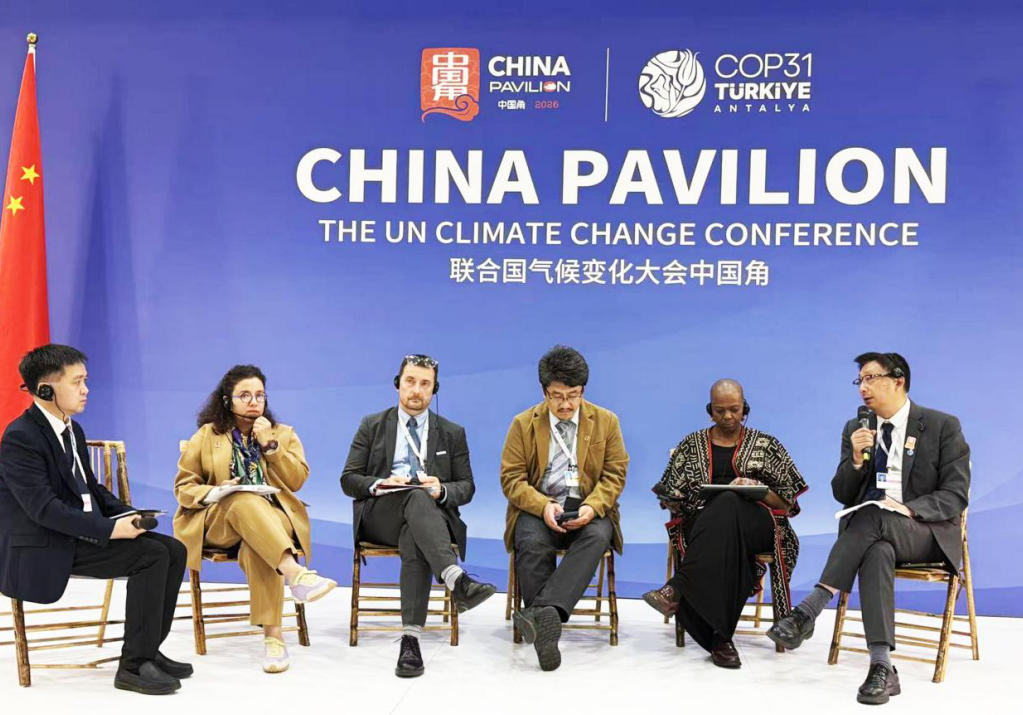
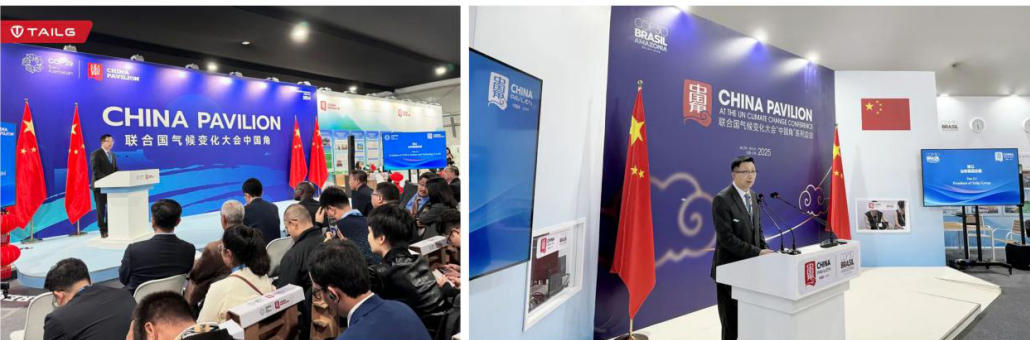
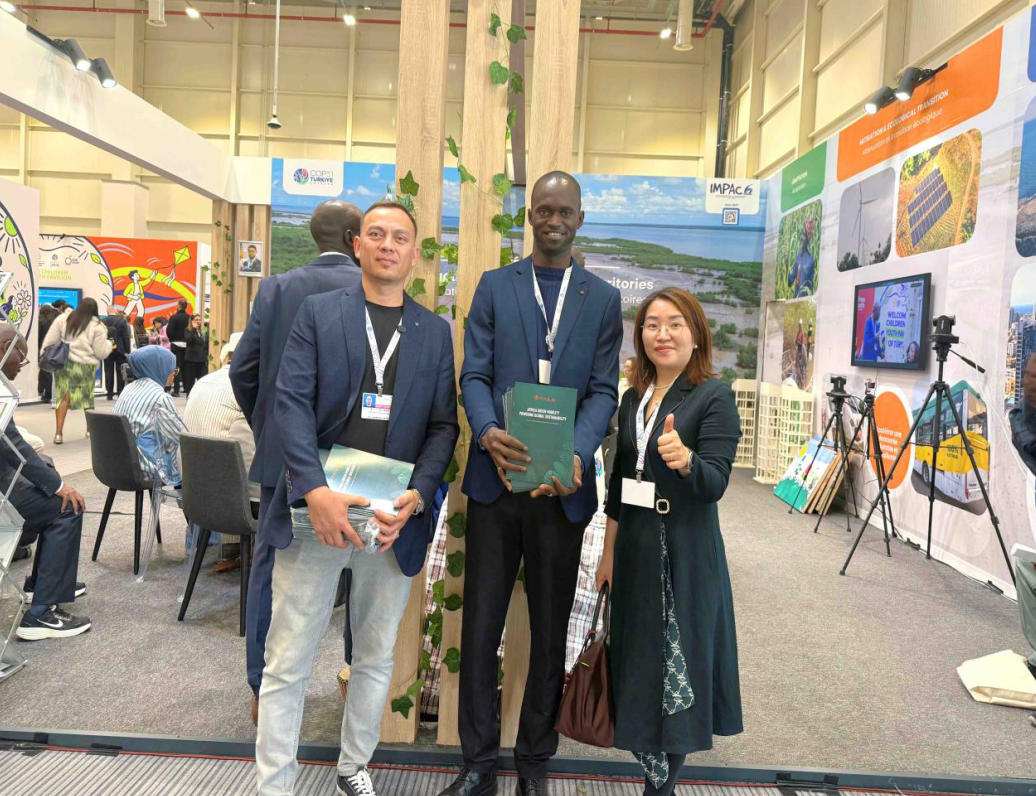
ANTALYA, Türkiye, November 12, 2026 (EZ Newswire) -- On Nov. 9, 2026, local time, the United Nations Climate Change Conference (COP31) opened in Antalya, Türkiye. As an electric mobility brand participating in COP for the third consecutive year, TAILG was invited to the China Pavilion, where President Michael Yao took part in a high-level forum and delivered a keynote address. At the event, TAILG officially unveiled the TAILG Global Low-Carbon Action Handbook, presenting its years of climate action and technological innovation in green mobility around the world. The company also highlighted Green Ride Africa, a project developed in cooperation with the United Nations Development Programme (UNDP), further strengthening its position as a leader in low-carbon mobility.
Low-Carbon Action for a Green Mobility Ecosystem
From COP29 and COP30 to COP31, TAILG has pursued a continuous path of global climate action. At COP29, the company shared the results of electric mobility pilot projects implemented across multiple countries through its long-standing cooperation with the United Nations Environment Programme (UNEP). These pilots demonstrated the potential of electric two- and three-wheelers to improve local mobility and reduce carbon emissions. At COP30, TAILG led the development of a green and low-carbon assessment system for smart connected electric vehicles, establishing a framework for evaluating emissions reductions across the product life cycle.
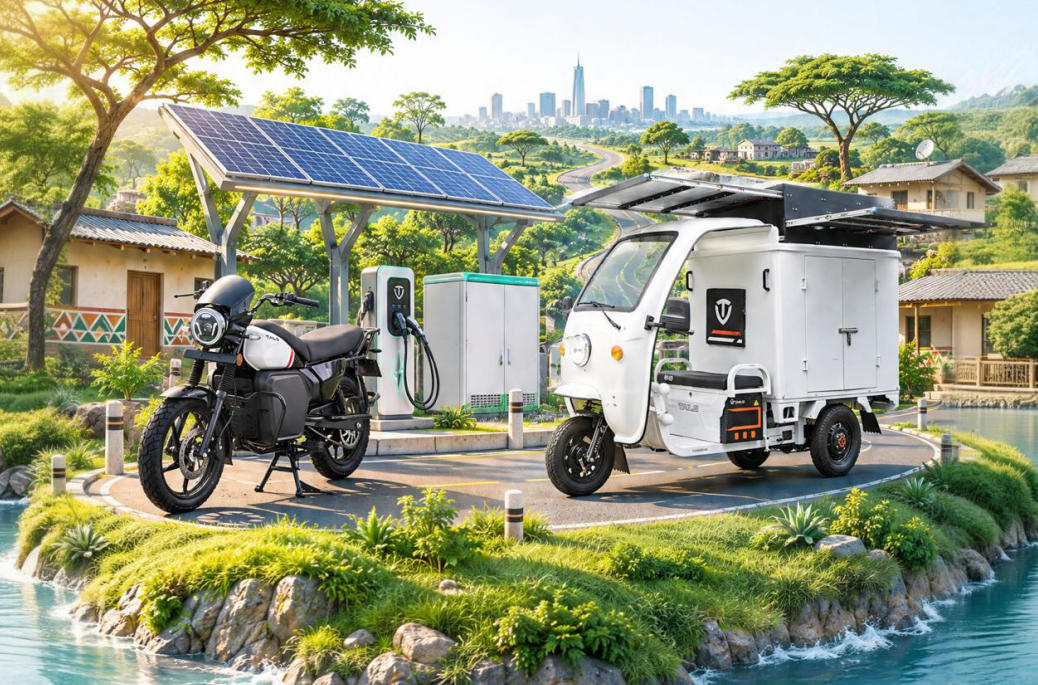
At COP31, TAILG's efforts are progressing from pilot projects and standards development toward a more comprehensive ecosystem. With Green Ride Africa at its core, the company is developing an integrated low-carbon mobility solution spanning product development, standards, local manufacturing, supply chains, solar power, energy storage, charging and battery swapping, inclusive finance, emissions reduction, battery recycling, and skills development.
Meeting Local Needs, Exploring Inclusive Mobility
During the forum, Michael Yao noted that the green transition in the Global South requires more than the introduction of green products. It also calls for locally adapted technologies, standards, industrial capabilities, and development opportunities to take root. Across Africa, many people rely on electric two- and three-wheelers to earn a living. Frequent, long-hour use places particular demands on vehicle range, reliability, and access to charging or battery-swapping services. Drawing on local research, TAILG has developed products such as the TK76 battery-swapping model and solar-powered electric three-wheelers. Beyond vehicle sales, the company is working to connect vehicles, energy services, and battery recycling as part of a sustainable green mobility ecosystem.
During the forum's discussion, Yao also shared insights from TAILG's experience in addressing the challenges facing the Global South's low-carbon transition. He noted that limited power infrastructure, high upfront costs, and gaps in supporting policies and local services remain major barriers to the wider adoption of green transport. Addressing these challenges requires cooperation among public authorities, multilateral organizations, financial institutions, and local industry. Together, they can work toward stable and consistent policies and standards, develop inclusive green finance tools, create platforms for collaboration, and strengthen local capabilities. Green Ride Africa puts this approach into practice by drawing on UNDP's multilateral platform and engaging local partners to make low-carbon mobility an affordable, sustainable option that supports livelihoods.
Driving Global Green Development
The newly unveiled TAILG Global Low-Carbon Action Handbook traces the company's more than two decades of green development driven by technological innovation. It presents low-carbon mobility pilot projects across Southeast Asia and Africa and outlines the vision, implementation approach, and social value of Green Ride Africa, offering an industry example for the transition toward inclusive, low-carbon transport.
For more than two decades, TAILG has placed technological innovation at the heart of its green mobility efforts, bringing its brand promise of going further into global climate action. Taking a long-term approach to its global low-carbon initiatives, the company draws on its research and development, manufacturing, and supply chain capabilities to bring together commercial sustainability, emissions reduction, and local employment. In doing so, it aims to generate environmental, social, and industrial value while making green transport accessible to more people.
TAILG's participation in the UN Climate Change Conference for three consecutive years reflects recognition of its low-carbon practices, ESG efforts, and global brand development. Looking ahead, a TAILG representative said the company will continue to strengthen cooperation with UN agencies, host-country governments, and local partners; advance its green mobility products, technologies, and ecosystem; and bring proven low-carbon mobility solutions to more countries, and regions. Through sustained industry action, TAILG aims to support deeper emissions reductions in transport, bring low-carbon mobility to more communities, and help the planet go further.
About TAILG
TAILG Technology Group, founded in 2003, is a comprehensive company that covers the entire industry chain, including the R&D, production, and sales of electric two-wheelers and three-wheelers, as well as services for sharing, charging, and battery swapping. Driven by the ambitious goal to “Recreate TAILG Abroad," it has established seven global R&D and manufacturing bases, including in Vietnam and Indonesia, with an annual production capacity exceeding 15 million units and exports to more than 70 countries and regions. For more information, visit tailg.com.
Media Contact
Alex Yan
brand@tailg.com.cn