Silicon Valley Top Lawyer Dean Fealk Heads to Oxford to Rethink Tech's Global Influence
The international lawyer is bringing nearly three decades of experience across technology, cross-border transactions, government, and global affairs to Oxford University to examine how technology companies navigate an increasingly geopolitical world.

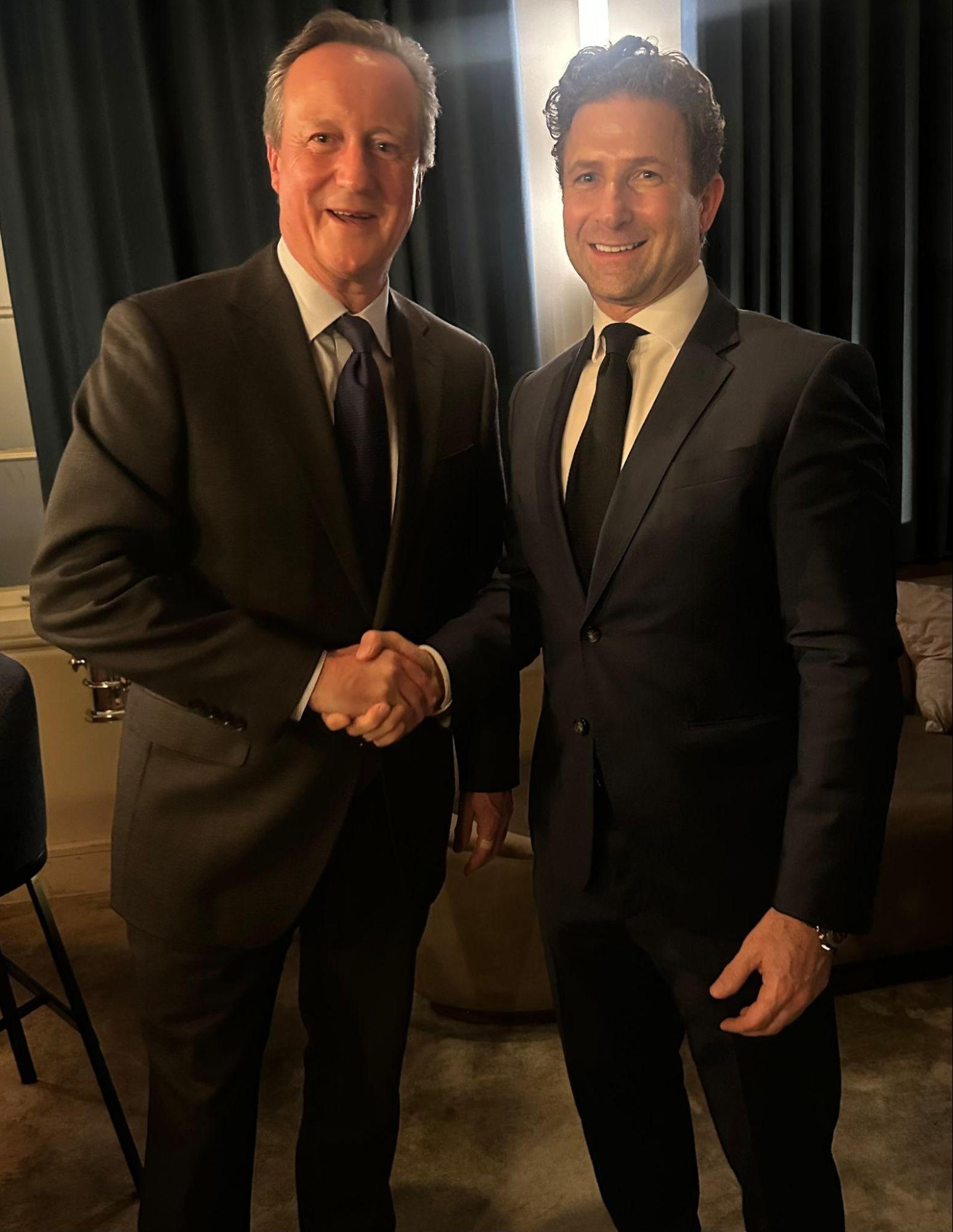
OXFORD, United Kingdom, September 30, 2026 (EZ Newswire) -- International lawyer and Wall Street Journal bestselling author Dean Fealk has been named a visiting fellow at the University of Oxford’s Blavatnik School of Government, where he will spend the coming academic year examining the relationship between technology, corporate strategy, and global power.
Fealk brings nearly three decades of experience advising Silicon Valley leaders through international transactions, foreign regulatory environments, and relationships with governments and senior officials. He has advised on more than $50 billion in cross-border transactions and has led an office, region, and global practice at DLA Piper.
The Oxford fellowship represents the next stage of a career spanning technology, law, business, government, and international affairs.
Bringing Silicon Valley Experience to Oxford
At Oxford, Fealk will examine how technology companies should approach decisions that increasingly carry consequences beyond the balance sheet.
Technology companies are no longer simply businesses operating within a geopolitical environment. Decisions about investments, markets, customers, and technologies can affect national security, democratic resilience, trade, and international alliances.
Fealk plans to explore how companies can incorporate those considerations into corporate strategy rather than addressing them only after regulatory or geopolitical risks emerge.
“Tech companies have become extraordinarily adroit at scaling operations, products, and customers,” said Fealk. “They are not yet nearly as adept at scaling judgment about power and influence consistent with their underlying values. That gap is the thing I want to spend a year actually thinking about.”
Three Decades at the Intersection of Business and Global Power
Fealk has advised clients on international expansion, European listings, foreign-investment reviews, and cross-border transactions where geopolitical considerations can materially affect business strategy.
His work outside private practice includes roles as a senior appointee at the U.S. Trade Representative and Commerce Department and advising three presidential campaigns. He also serves as a life member of the Council on Foreign Relations, a board member of the National Democratic Institute, and a founding member of the Halifax International Security Forum.
He has also led high-level gatherings involving NATO, APEC, and the United Nations, giving him experience working across both corporate and policy environments.
Examining Technology’s New Geopolitical Role
The Oxford project grew out of Fealk’s observation that technology companies have developed sophisticated approaches to scaling products, capital, operations, and talent, while their approach to geopolitical power remains less developed.
The questions include how companies should approach authoritarian markets, critical technologies, national-security interests, and responsibilities toward democratic institutions and international alliances.
“I’m not going to Oxford to pen a manifesto admonishing Silicon Valley what its politics should be,” said Fealk. “I want to understand why, with all the resources and talent concentrated in a fifty-mile stretch of the Bay Area, the industry still struggles to translate its commercial power into coherent, values-driven influence on the things that will help determine the future of liberal democracies.”
Developing a Framework for What Comes Next
Fealk describes the central challenge as a “missing doctrine,” a practical framework for helping technology companies incorporate democracy, national security, and alliance commitments into strategic decision-making.
The goal is to move beyond reacting to geopolitical events to develop a more deliberate approach to judgment when companies make decisions about markets, investments, partnerships, customers, and technology.
“CEOs and international lawyers strive to analyze geopolitical events,” said Fealk. “But many are pattern-matching from their last dozen deals. I want to come back with something closer to an actual framework for key stakeholders.”
Fealk plans to bring the insights from his year at Oxford back into his legal practice and civic work, continuing to examine how technology companies can navigate the responsibilities that come with their growing economic and geopolitical influence.
About Dean Fealk
Dean Fealk is recognized as one of the Best Lawyers in America as a global business and policy leader, drawing on nearly three decades of experience spanning technology, cross-border transactions, and international affairs. He was awarded the Queen's Diamond Jubilee Medal by Queen Elizabeth II for lifelong service and named a Chief Influencer by the Communications Board for thought leadership across media outlets such as Forbes, Fast Company, The Atlantic, and NPR.
Media Contact
dean.fealk@dlapiper.com