San Joaquin River Parkway Marks 40-Year Milestone as Longstanding Conservation Effort Nears a Defining Phase
The San Joaquin River Parkway marks 40 years of conservation progress, highlighting long-term impact while entering a critical phase that will shape its future.
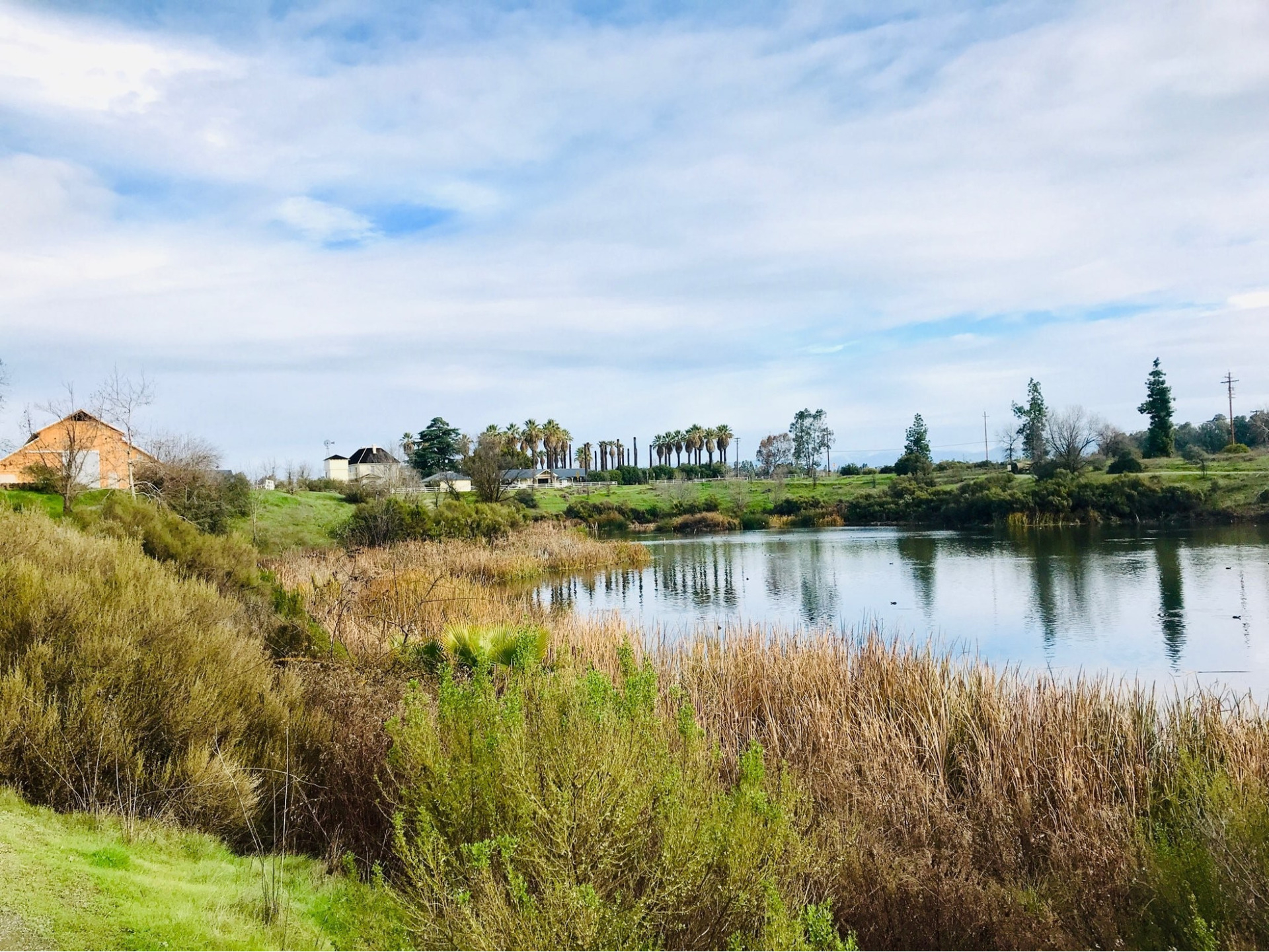
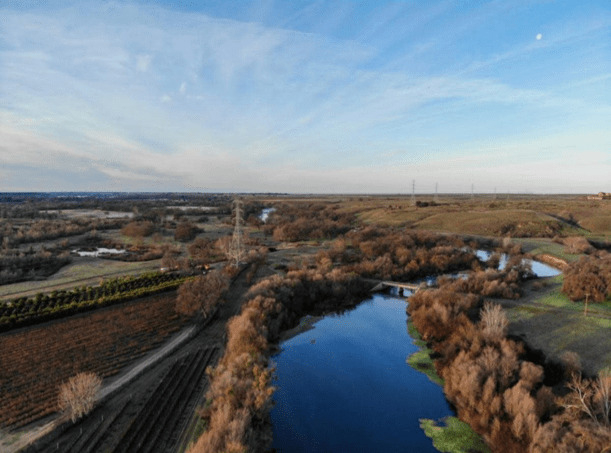
The San Joaquin River Parkway and Conservation Trust marks 40 years of progress in its effort to preserve and restore land along the San Joaquin River, highlighting decades of community-driven conservation as the project approaches a defining phase. According to Sharon Weaver, Executive Director of San Joaquin River Parkway and Conservation Trust, the milestone reflects both the scale of what has been achieved and the importance of continued engagement as key decisions shape the parkway’s future.
For decades, the San Joaquin River Parkway has been shaped by a steady effort to protect land, restore habitat, and create a continuous public greenway along one of California’s waterways. According to Weaver, long-term progress is now encountering a new and immediate point of attention in the form of a proposed mining expansion within the same corridor.
The San Joaquin River Parkway and Conservation Trust operates as a nonprofit land trust focused on acquiring and managing land along a stretch of the river, working alongside public agencies to create a connected parkway that supports recreation, conservation, and community access. From Weaver’s perspective, the parkway reflects a broader commitment to improving quality of life in a region that has historically had limited access to large-scale public green space. “This has always been about creating a place where people can connect with the river in a way that supports both the environment and the community,” she says.
The current proposal involves expanding mining operations in areas that overlap with the parkway’s footprint. Weaver emphasizes that the conversation is not about opposing all mining activity. She notes that sand and gravel extraction has long been part of the region’s economic landscape and continues to serve important functions. Instead, she points to the specific changes proposed in this case, particularly the introduction of blasting and drilling methods in close proximity to public spaces and planned parkway segments.
From her perspective, this shift introduces a different set of considerations. She explains that blasting and drilling can alter the experience of being in a natural setting, particularly in areas intended for recreation and public access. “The parkway is designed to offer a place where people can spend time outdoors, and the type of activity happening nearby influences how that space is experienced,” she says.
Weaver also outlines how the proposal intersects with broader environmental considerations. She notes that the river corridor supports a range of wildlife and ongoing restoration efforts, and that maintaining stability within that ecosystem is an important part of long-term conservation work. From her point of view, changes in land use at this scale require careful consideration of how they interact with the river’s natural systems and the progress that has already been made.
The proposal also raises questions about connectivity within the parkway itself. According to Weaver, the vision for the parkway depends on creating a continuous network of trails and public access points along the river.
“When you introduce a major change within that corridor, it affects how those pieces come together, because the parkway is designed as a connected system, not isolated segments,” she says. “Any disruption in that continuity can reshape how people experience and access the river over time.”
Research highlights that while green space does contribute to housing value, its impact is highly location-dependent and varies significantly based on local conditions, reinforcing the importance of preserving context-specific environments like river corridors.
In addition to environmental and planning considerations, Weaver points to how operational activity associated with the expansion could shape the surrounding area. She explains that increased movement of materials, changes in land use, and the presence of industrial processes can influence how nearby communities experience the river corridor over time. From her perspective, these factors are part of a broader conversation about how shared spaces are used and developed.
At the same time, awareness of the proposal remains limited. Weaver notes that despite outreach efforts, many residents are still unfamiliar with the details of what is being considered. She observes that when people do learn about it, their reactions often reflect a desire to better understand how it could influence the future of the parkway. “Once people hear about it, they want to know what it means for the river and for the spaces they value,” she says.
The timeline for decision-making is still evolving, with hearings expected in the coming months. Weaver suggests that this period represents an opportunity for community members to engage with the process and become informed about how decisions are being made. From her perspective, participation plays a role in helping ensure that long-term priorities are clearly represented.
“This is a moment where the future of the river corridor is being considered,” she explains. “It’s important for people to understand what is happening and to be part of that conversation in a thoughtful way.”
For a project that has taken decades to build, the introduction of a new variable brings renewed focus to the importance of long-term alignment. Weaver frames the situation as part of a broader reflection on how communities shape shared environments over time. She suggests that the parkway represents a collective investment in creating a space that balances access, conservation, and future growth.
As discussions continue, the outcome will influence not only the timeline of the parkway’s completion but also how the river corridor is experienced in the years ahead. Weaver emphasizes that decisions made at this stage carry long-term significance, reinforcing the importance of awareness, engagement, and careful consideration as the process moves forward.
About San Joaquin River Parkway and Conservation Trust
The San Joaquin River Parkway and Conservation Trust is a nonprofit organization dedicated to preserving and enhancing the San Joaquin River Parkway in California’s Central Valley. Through conservation, education, and community partnerships, the Trust protects natural habitats and expands public access to the river. Learn more at riverparkway.org.
About Sharon Weaver
Sharon Weaver is the Executive Director of the San Joaquin River Parkway and Conservation Trust, a nonprofit land conservancy dedicated to preserving and restoring land along the San Joaquin River. She leads initiatives focused on expanding public access, protecting natural habitats, and advancing long-term stewardship of the river corridor. With experience in environmental planning and community engagement, Weaver works to align conservation efforts with public health, regional development, and sustainable land use priorities.
Media Contact
Sharon Weaver
sweaver@riverparkway.org