Global Recognition Awards Recognizes Samel Hospital with 2026 Award for AI Platform Delivering Impact Where It Matters Most
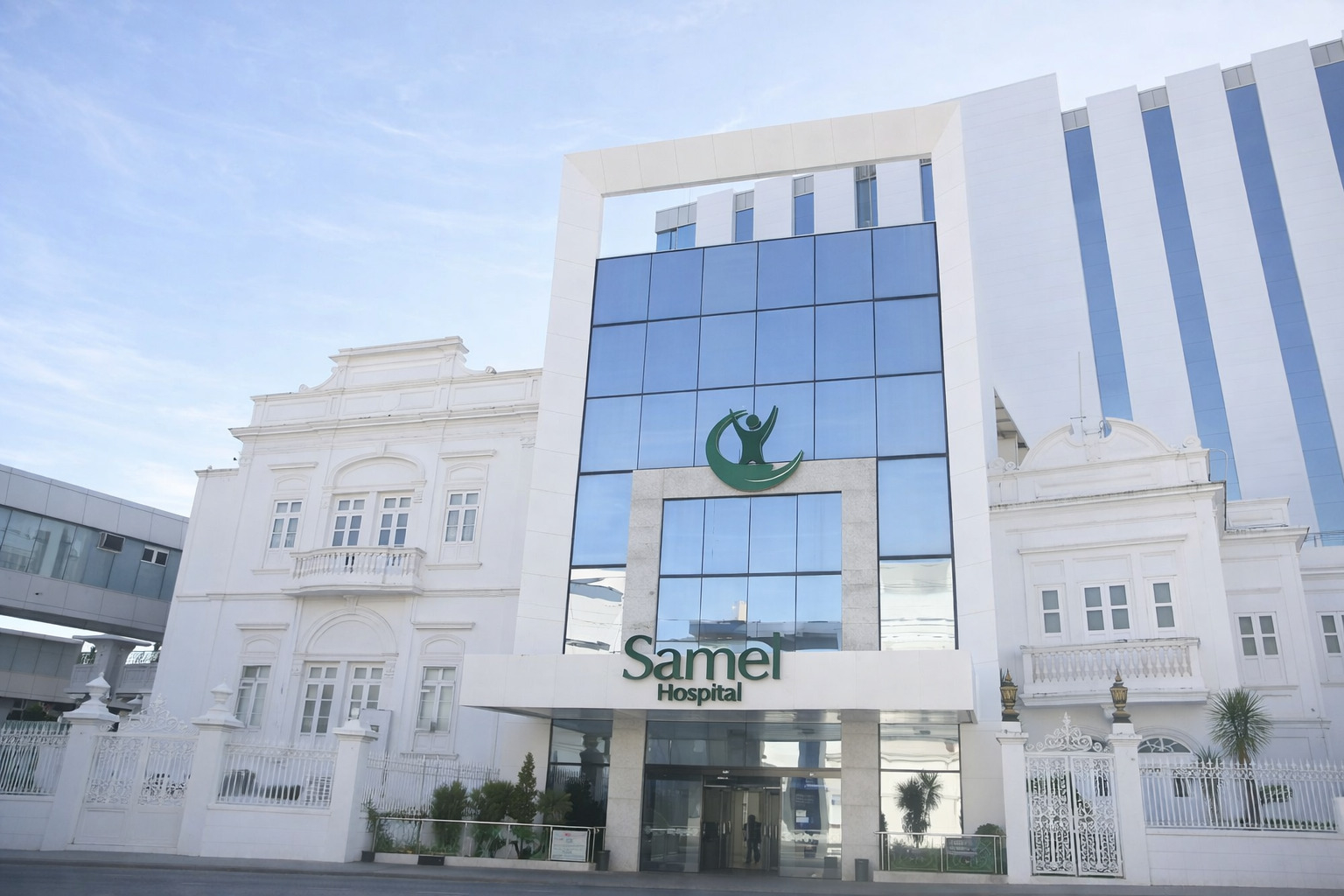
Global Recognition Awards is pleased to announce that Samel Hospital has been named a recipient of the 2026 Global Recognition Award for its exceptional and measurable achievements in advancing clinical care through the development and deployment of AI-driven systems, setting a new standard for healthcare innovation in Brazil’s Northern Region and beyond.
The hospital has operated in Brazil's Northern Region for nearly 45 years, serves more than 150,000 covered lives through its own integrated health plan, and runs eight units across Manaus, including three hospitals, five medical centers, and two additional facilities currently under construction. With a workforce of more than 1,000 employees and over 900 physicians providing round-the-clock care, Samel Hospital stood out among this year's applicants for building a clinical AI system that physicians rely on every day — and for measuring exactly what it changed.
The 2026 Global Recognition Award recognizes outcomes, not ambitions.
A System Designed to Work Inside Clinical Reality
Samel Hospital’s central innovation is SAMIA (Samel Artificial Intelligence). Rather than designed as a research project, the SAMIA platform was built into the hospital's existing electronic medical record system and deployed directly within the workflows physicians already use. The platform manages digital pre-triage, structured anamnesis generation, automated clinical summaries, ICD-based diagnostic support, real-time drug interaction alerts, and individualized discharge guidance, all drawn from evidence-based clinical guidelines.
The numbers are precise. Following SAMIA's deployment in the Emergency Department, average patient wait times for medical evaluation fell by 33%. Diagnostic support using ICD logic achieves close to 90% accuracy, a figure that carries real weight in emergency settings where decisions are made under pressure and the margin for error is narrow.
What those figures point to, beyond performance, is adoption. The system is being used. Physicians are not working around it or abandoning it after implementation, which is the standard fate of many clinical technology rollouts. Specialist AI agents within SAMIA draw on current medical literature to support real-time decision-making, offering guidance specific to the patient and the moment rather than generic to the condition.
The Structure That Makes Long-Term Investment Possible
Many healthcare organizations pursue technology as a discrete initiative, kept separate from governance and financial planning. Samel Hospital is structured differently. Its vertically integrated model consolidates clinical quality, institutional governance, and financial oversight under a single framework. This alignment makes sustained technology investment viable rather than contingent on budget cycles or leadership changes.
That structure is reflected in how SAMIA was developed. The hospital's stated mission, providing preventive and curative care through a humanized approach, is not peripheral to how resources are allocated. It is the basis for those decisions. The platform was built as a clinical tool, not a marketing one, and that distinction shows in how it functions. Certification from Brazil's National Accreditation Organization validates the quality and safety standards embedded throughout the hospital's daily operations.
In evaluating Samel Hospital's submission, Global Recognition Awards used the Rasch model, a measurement framework that produces a linear scale enabling precise comparisons among applicants in a given category. Samel Hospital earned the highest possible rating of five across all seven innovation dimensions evaluated, including novelty, market impact, technological advancement, adoption rate, and disruption of existing paradigms. This perfect score reflects the depth of clinical integration and measurable impact that set Samel Hospital apart in this year's award cycle.
What the Evidence Suggests for Healthcare More Broadly
Healthcare AI in emerging markets has a well-documented pattern: early-stage tools attract attention, generate reports, and then fail to scale. The infrastructure to support them, including data standardization, clinical integration, and institutional commitment, is often absent. Samel Hospital's experience differs because it built that infrastructure before measuring outcomes, not after.
Alex Sterling, a spokesperson for Global Recognition Awards, noted the significance of that sequence. "What Samel Hospital has accomplished with SAMIA is not a technology demonstration; it is a functioning clinical system that is making patients safer and reducing the time they wait for care. That combination of scale, accuracy, and measurable clinical impact is exactly what a 2026 Global Recognition Award for Innovation is designed to recognize."
For healthcare systems in developing and established markets, the more useful takeaway from Samel's experience is not that AI works in hospitals. It is when institutions are built to support it that AI works. Samel Hospital's model is less a technological story than an institutional one, and that may be precisely what makes it worth studying.
About Global Recognition Awards
The Global Recognition Awards is an international organization that recognizes exceptional companies and individuals who have made significant contributions to their respective industries. For more information, visit globalrecognitionawards.org.
Media Contact
Alex Sterling
alex@globalrecognitionawards.org