SambaSafety Releases 2026 Telematics Report Finding Distracted Driving Is a Top Threat to Commercial Auto Profitability
The fourth annual report, based on a survey of 740 fleet, broker, and insurance professionals and 135 million telematics events, finds concern about distracted driving rose roughly 10 percentage points in one year.
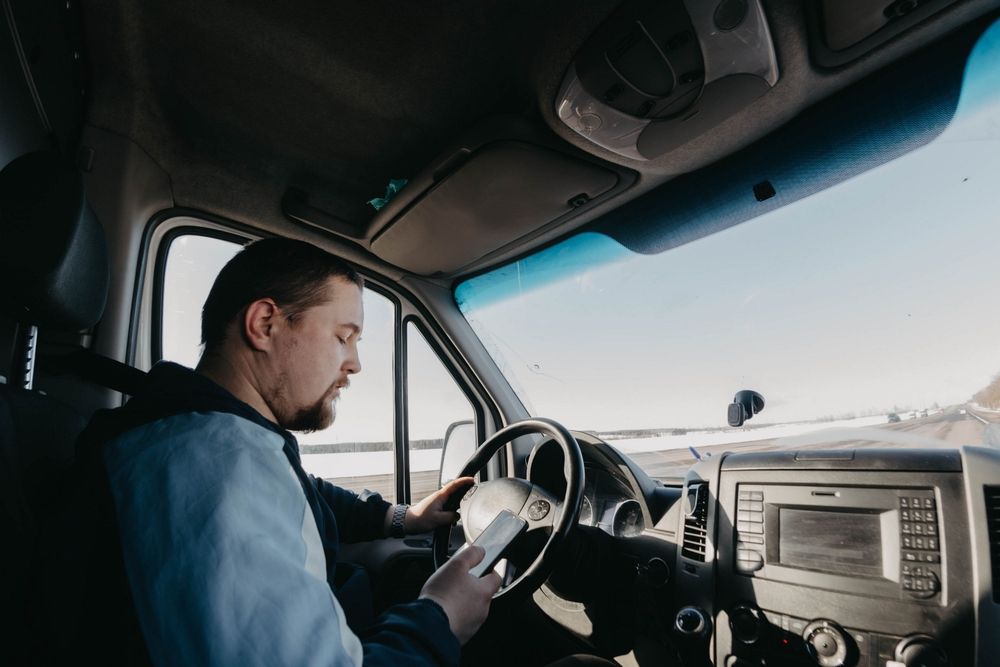
DENVER, CO, October 20, 2026 (EZ Newswire) -- SambaSafety, a provider of cloud-based driver risk management solutions, has released its fourth annual Telematics Report. The report finds that 82% of insurers and 84% of brokers consider distracted driving a top threat to commercial auto profitability, putting it on par with litigation and nuclear verdicts. The figure rose roughly 10 percentage points in a single year. The findings are based on survey responses from 740 fleet, broker, and insurance professionals and an analysis of more than 135 million driver behavior events.
82% of insurers and 84% of brokers name distracted driving as a significant threat to profitability.
The growing threat didn’t happen overnight. What has long been treated as a driver behavior problem addressed through legislation or driver accountability is adding pressure to an already strained commercial auto landscape.
As a business risk that’s straining profitability and making roads less safe, distracted driving is also tied to some of the largest litigation losses in commercial auto. As insurers continue searching for ways to help customers manage risks to their people and profitability, distraction has moved higher on the list of risks demanding attention.
Why Distracted Driving Concerns Are Growing
Commercial auto insurers are facing pressure to deliver sustainable coverage options while helping protect drivers on the road. SambaSafety’s telematics data shows where distracted driving risk is concentrated across commercial auto fleets.
More than 40% of distracted driving events occur between 6 a.m. and noon, a window that aligns with the start of the workday. Greater driving exposure may contribute to the pattern, along with operational pressures and communication demands.
According to the American Transportation Research Institute’s (ATRI) December 2025 report, "Trucking Litigation: A Forensic Analysis," 67% of the cases in its dataset that alleged truck driver cell phone use resulted in awards of $10 million or more with a median award of approximately $25.4 million. ATRI notes that such cases were relatively rare in the sample. For insurers already facing profitability challenges in commercial auto, distracted driving is associated with losses that can have an outsized financial impact.
The report identifies distracted driving as a leading concern for both insurers and brokers. As one of the few risks consistently ranked near the top by both groups, it reinforces that distracted driving is not just a driver safety issue, but a broader challenge in the industry's effort to reduce losses.
That concern reflects a shift in the industry’s approach to driver risk. Hobie Bond, Head of Innovation, IoT and Telematics for Construction at Zurich U.S. and a contributor to the SambaSafety report, views telematics as a way to intervene earlier.
"Telematics has changed the conversation from reacting to losses to helping prevent them," said Bond. "The most successful fleets aren’t simply collecting GPS or vehicle data; they’re using telematics to identify risk, coach drivers, and strengthen safety culture before incidents occur."
As the industry faces distracted driving as a key profitability concern, the focus is shifting from merely identifying risks to actively preventing them.
Telematics Offers a Way to Stay Ahead
For insurers, the challenge of distracted driving isn’t just responding to claims. It’s identifying and addressing the behavior before it contributes to a claim.
One reason distracted driving has been difficult for insurers to manage is that traditional underwriting data catches it too late or not at all. Motor Vehicle Records (MVRs) capture violations and license information, and claims history confirms a loss after the fact. Both can miss signals that appear before the behavior turns into a crash or a potential lawsuit.
Camera-based telematics helps close that gap by giving insurer loss control teams added visibility into distraction-related behavior before it becomes a claim. Fleets share the same advantage. Safety teams can use the data to identify which drivers, routes, or shifts carry the highest concentration of risk, then target coaching to those drivers rather than the entire workforce.
The distinction is significant. The value of telematics isn’t simply that it produces more data. It provides visibility into behaviors that have historically been difficult to identify early and consistently, something traditional data sources can’t do.
That visibility is becoming progressively important to insurers. In SambaSafety’s report, 77% of insurers view telematics as very or extremely important to the future profitability of commercial auto insurance. But identifying risk is only part of the equation that should encourage both fleets and insurers to act on what the data reveals.
Visibility Alone Isn’t Enough
Reducing the risk of distracted driving doesn’t stop with visibility. A broader theme emerging from the report is that access to telematics data and the ability to act on that information are two different things.
Identifying distraction is the first step. The opportunity exists in how fleets, brokers, and insurers respond to the insights the data reveals about driver behavior. That may include pairing telematics insights with targeted coaching and training. Among fleets that combine telematics with training, 78% report fewer crashes or claims, according to the report. Organizations can also examine whether operating practices and workplace expectations support the safety behaviors they expect from drivers.
As distracted driving continues to climb toward the top of the industry’s list of profitability threats, insurers and brokers who treat it as an urgent and shared priority will best be positioned to keep it from reshaping loss reserves.
The organizations that benefit most won’t simply be those that identify distracted driving sooner; they’ll be those that use insights to influence driver behavior before it impacts a future loss.
About SambaSafety
SambaSafety is a recognized innovator and leading provider of cloud-based risk management solutions for over 15,000 organizations with automotive mobility exposure. Employers and insurers benefit from SambaSafety’s continuous monitoring, intuitive insights, risk reduction tools, and configurable pricing solutions. Through the collection, correlation, and analysis of federal, state, local, and telematics data sources, our flexible, end-to-end capabilities enable businesses and insurers to evaluate better and mitigate driving risk, accelerate product development, reduce crashes, and foster safer communities. For more information, visit sambasafety.com.
Media Contact
Arissa Dimond
adimond@sambasafety.com
+1 720-994-3824