salt+blue Launches Mineral-Based BODY Sunscreen for Earth Day
New product formulated with non-nano zinc oxide aims to reduce environmental impact on coral reef ecosystems
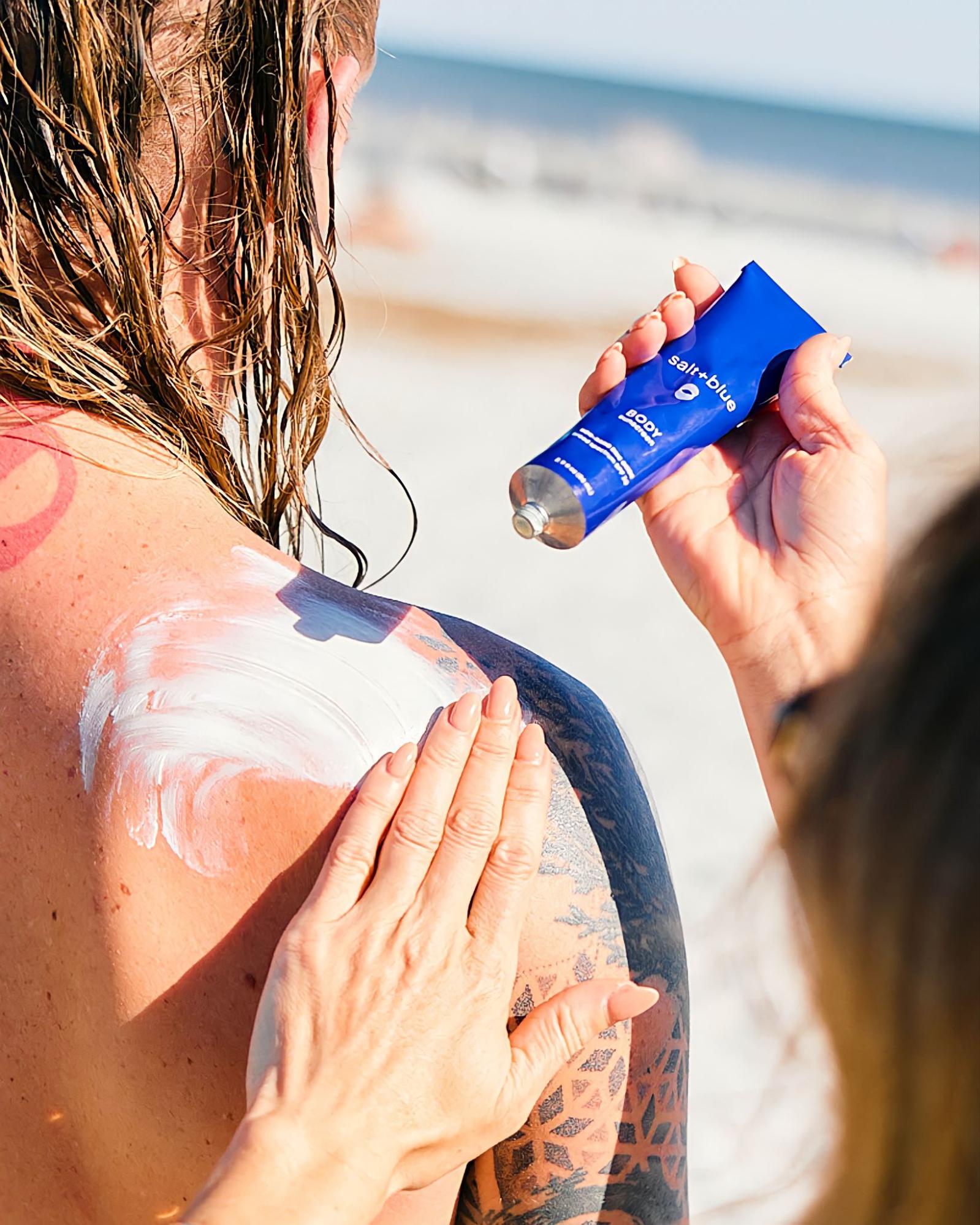
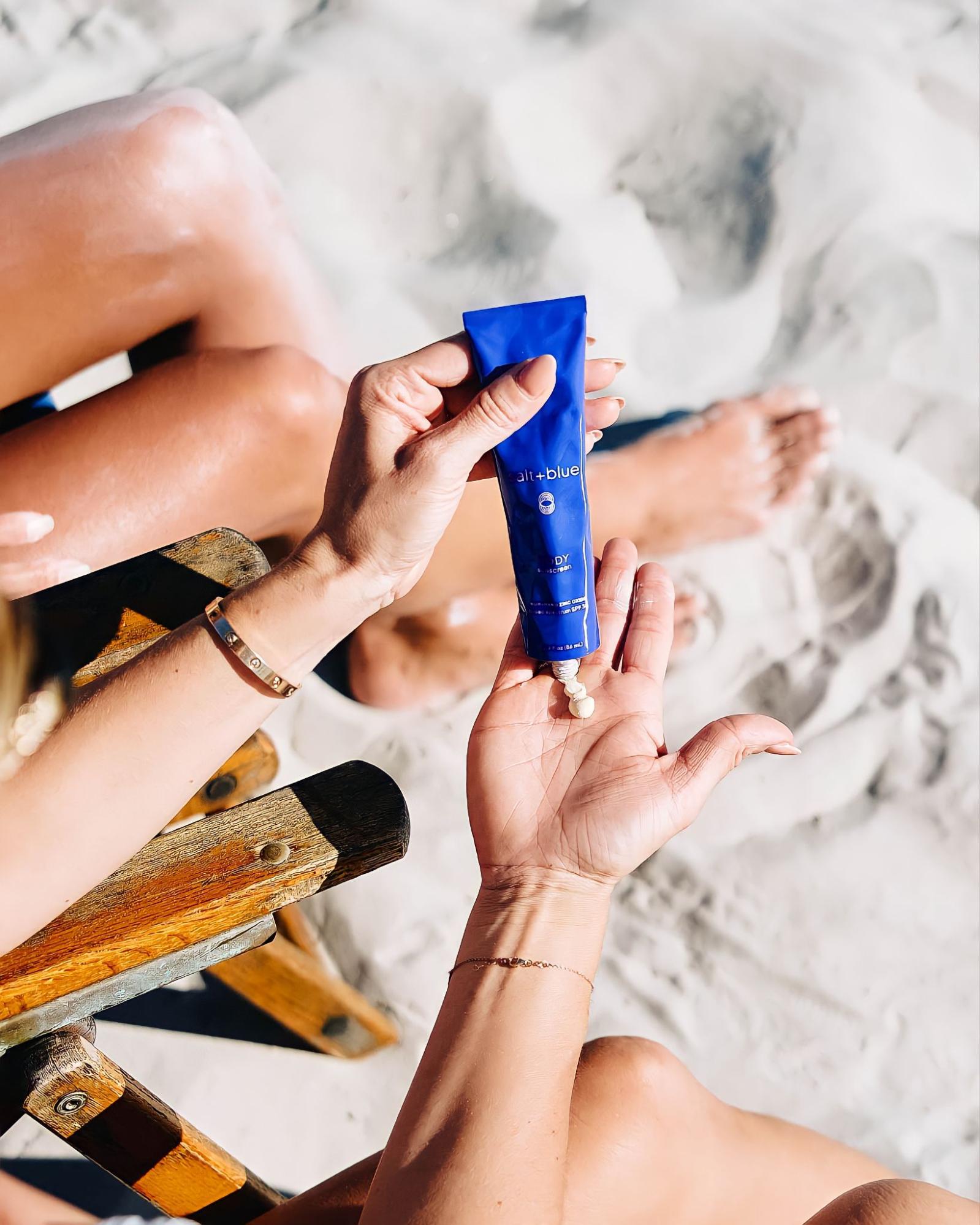
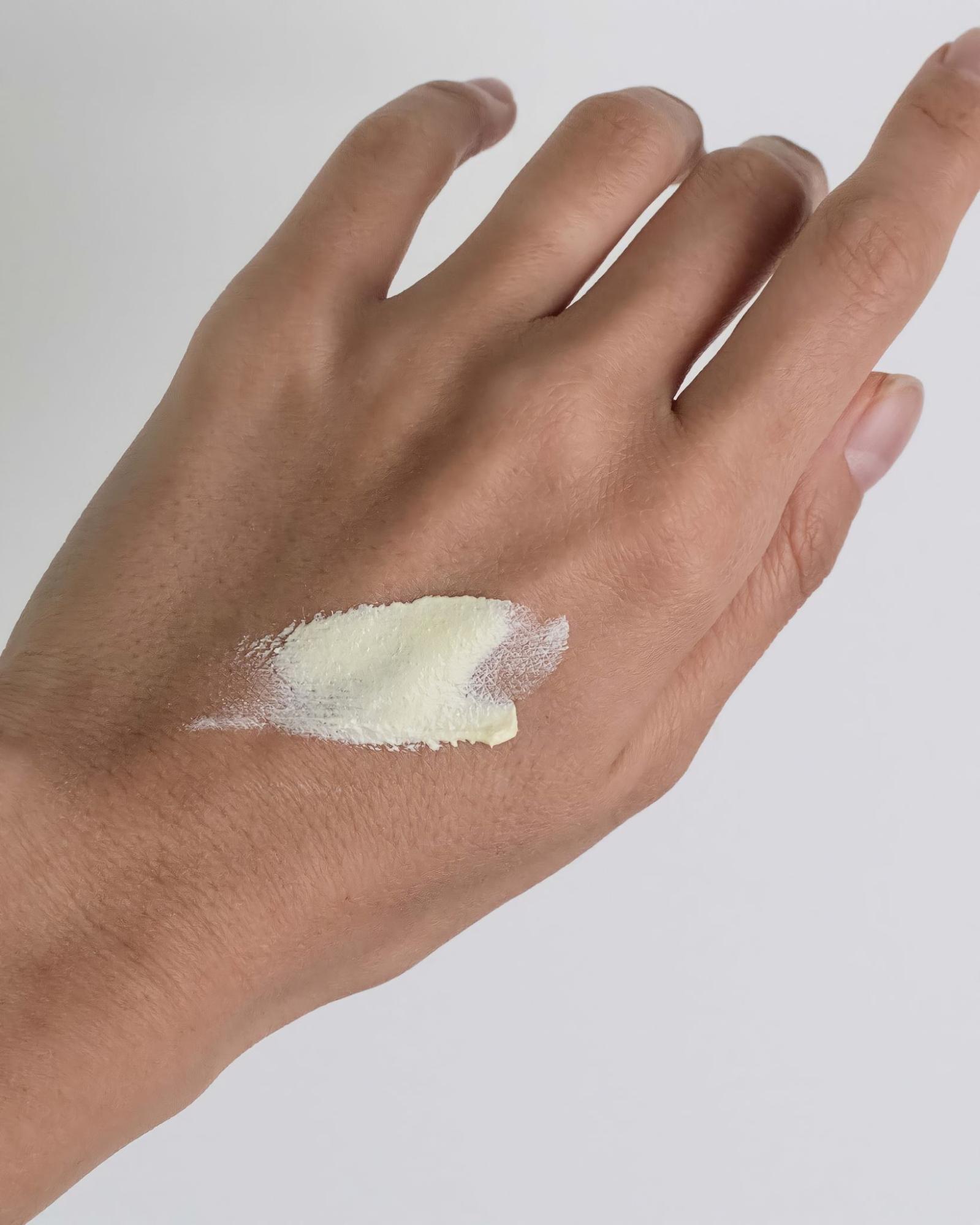
salt+blue today announced the launch of its new BODY Sunscreen, a mineral-based formula designed to provide broad-spectrum sun protection while minimizing potential harm to marine ecosystems. The product is powered by non-nano zinc oxide and formulated without oxybenzone or octinoxate, two chemical UV filters linked to coral reef damage.
The launch comes ahead of Earth Day as regulatory scrutiny and scientific research continue to highlight the environmental impact of certain sunscreen ingredients. salt+blue’s BODY Sunscreen is enriched with organic and wildcrafted botanicals and reflects the brand’s focus on ingredient transparency and environmental considerations.
“Non-nano zinc oxide is one of the few UV filters that gives you both broad-spectrum protection and inherent photostability,” said Rachel Pachivas, co-founder of salt+blue. “We built the rest of the formula around not compromising that — no chemical filters, nothing that degrades in sunlight, nothing we couldn’t defend on environmental grounds.”
Product Formulation and Ingredient Approach
salt+blue’s BODY Sunscreen is formulated using non-nano zinc oxide, which does not readily dissolve in seawater and has not been shown to cause coral bleaching or DNA damage associated with certain chemical UV filters. The formulation avoids nano-sized particles, which can be absorbed by marine organisms, and instead prioritizes larger particle structures designed to remain on the skin’s surface.
The product is part of the brand’s broader approach to developing mineral-based sun care solutions that balance performance with environmental considerations.
Industry Context: Environmental Impact of Sunscreen Ingredients
According to the U.S. National Park Service, between 4,000 and 6,000 tons of sunscreen enter coral reef environments annually. Research published in Science by Stanford University scientists found that oxybenzone can be metabolized by corals into compounds that become toxic when exposed to sunlight. Additional studies have shown that even low concentrations may contribute to coral deformities and DNA damage.
In response, regions including Hawaii, the U.S. Virgin Islands and Palau have enacted restrictions on sunscreens containing certain chemical UV filters.
A 2022 review by the National Academies of Sciences noted that chemical UV filters may pose risks to aquatic ecosystems and called for further ecological assessment, while mineral-based alternatives were found to have fewer observed effects on marine life.
Brand Background and Development
salt+blue was founded by Kevin Gianni and Rachel Pachivas, drawing on formulation experience from Annmarie Skin Care. The brand is built around the premise that sun protection products can be developed without introducing ingredients that may negatively impact ocean ecosystems.
The company positions its products for a broad consumer audience, aiming to provide accessible sun care options that do not require specialized knowledge of ingredient sourcing or formulation.
Consumer Awareness and Market Trends
As consumer awareness around environmental impact increases, terms such as “reef safe” have become more common in the marketplace, though definitions and regulatory standards vary. salt+blue’s approach focuses on clearly defined formulation choices, including the exclusion of certain chemical filters and the use of non-nano mineral ingredients.
“My hope is that one day the majority of people — not just a select few — are deeply aware of the impact their personal care products have on the world around them,” Pachivas said. “That awareness already exists — I see it in how people shop, how they read labels, and how they talk about the ocean.”
Broader Environmental Considerations
Coral reefs cover less than one percent of the ocean floor but support an estimated 25% of marine species, according to NOAA. While climate change remains the primary threat, scientists indicate that reducing localized stressors — including chemical pollution — may help improve reef resilience.
salt+blue states that its BODY Sunscreen is intended to offer consumers an alternative option as awareness of these environmental considerations continues to grow.
The product is available at salt.blue.
Media Contact
Michael Graziano
michael@mindfulagency.com