QRCodeStack Expands Its Dynamic QR Code Generator With Scan Engagement Analytics to Measure Customer Engagement
The Bangalore-based platform outlines how individuals and businesses use editable QR codes and scan data to measure customer engagement with printed material
BENGALURU, India, November 6, 2026 (EZ Newswire) -- QRCodeStack, a dynamic QR code and short-link platform for small businesses and individual professionals, today announced expanded scan engagement analytics in its dynamic QR code generator. The analytics now separate visits from likely people from automated traffic, link-preview requests and repeat scans, and report customer engagement based on people rather than raw hits. The company also outlined how customers use dynamic QR codes and the resulting data to measure engagement with flyers, packaging, signage, business cards and event material.
A dynamic QR code encodes a short redirect address instead of the final web page. Each scan passes through a server that records it, and the owner can change the destination after the code has been printed. That record is the basis of offline engagement measurement, but raw counts can mislead: a link shared in a messaging app is fetched by preview services before anyone taps it, automated crawlers request public links, and a single person may scan the same code several times.
Counting People, Not Requests
QRCodeStack's analytics dashboard now defaults to an engaged view. Requests are classified as likely people, bots and scanners, link previews or repeats, and the excluded traffic is shown in its own categories with the reason for each exclusion. When a person scans with a dedicated reader app and then opens the destination in a browser within a short window, the platform counts one visit rather than two.
Every plan records the time of each scan, the device, browser and operating system, and whether the visitor is new or returning. Unique and repeat scans are reported separately, and scan records can be exported for spreadsheets. Analytics breakdowns can be filtered by referrer, country and campaign parameters. Country and city-level location data, estimated from the scanner's network, are available on the Business plan and during the trial, as are AI-generated summaries of scan patterns.
How Businesses Use the Data
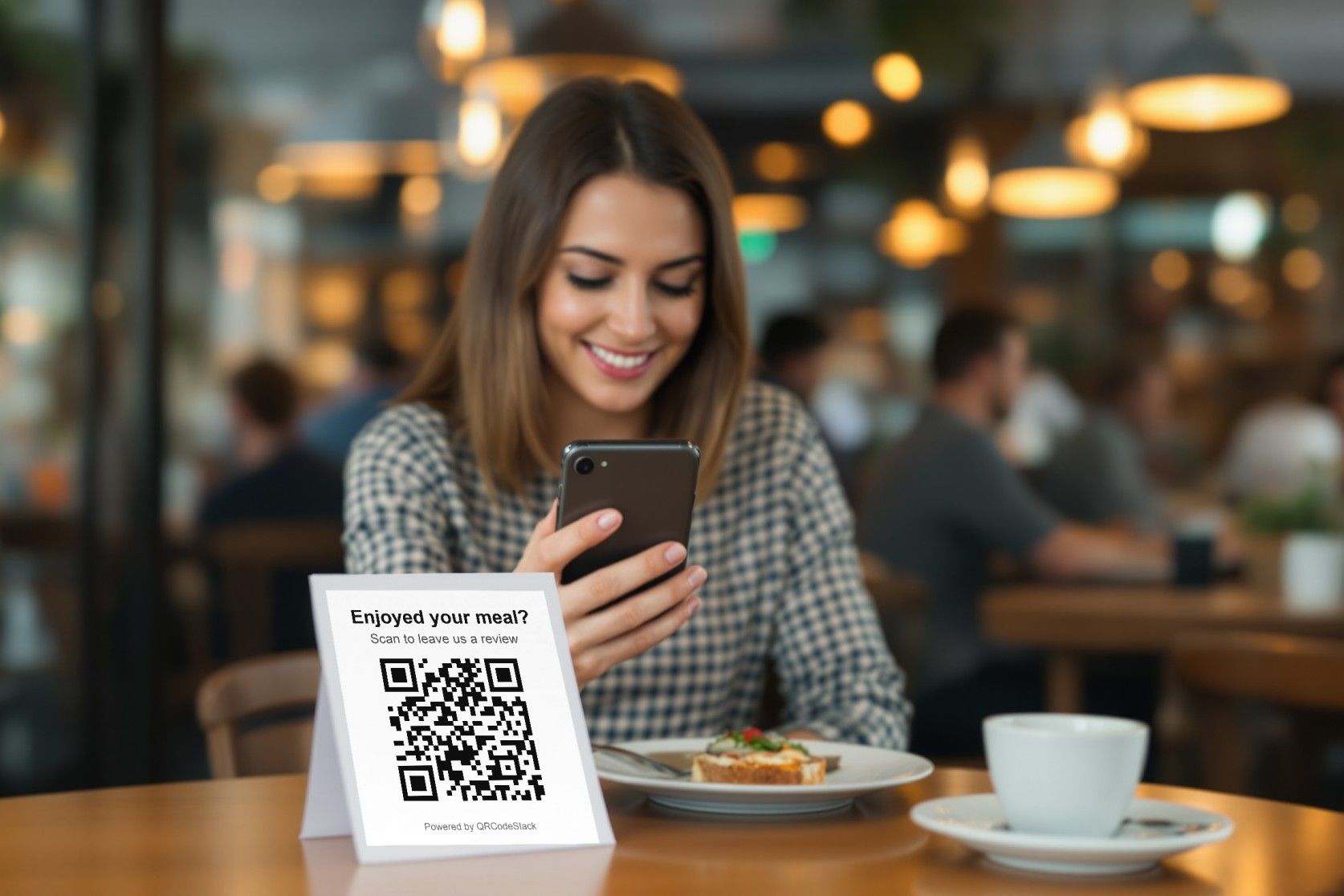
Retailers and restaurants place a separate code on each window poster, table card, receipt footer or packaging insert, then compare the placements side by side. Because the destination can be edited, a code printed on a menu or shelf label can point to a new offer, a review page or a reorder form without reprinting.
On the Pro and Business plans, a built-in UTM builder tags the destination behind each code so that visits appear in Google Analytics 4 under the correct source, medium and campaign rather than as direct traffic. The same plans can fire retargeting pixels for Meta, Google Ads and TikTok on the scan, so a business can reach people who scanned a flyer or product insert with a follow-up message. The company notes that tracking pixels must be used in line with applicable data-protection and consent rules. Routing by device or country, scan limits, expiry dates and scan notifications are also included on those plans.
Event organisers use one code per booth, badge or session handout to see which material drew attention and at what time of day. Multi-location businesses assign a code to each branch to compare engagement across stores.
How Individuals Use Dynamic Codes
Freelancers, consultants, estate agents and job seekers use dynamic codes on business cards, portfolios and printed CVs. A vCard code saves a name, phone number and email to the scanner's phone, and the details behind it can be updated after a change of role or number. Scan records show whether a card handed out at a conference or a portfolio left with a client was opened, and when.
Creators and community organisers put codes on posters and merchandise that open a video, a sign-up form or a donation page, and change the destination as campaigns change. Because much of this material is now designed in browser-based tools, QRCodeStack offers a QR code for Canva integration that lets users insert editable codes from their library into a design; the destination can be changed later without reopening the file.
Reading Scan Data Carefully
QRCodeStack advises customers to treat a scan as a measure of interest rather than a sale. The company recommends giving each placement its own code, measuring completed actions such as form submissions or orders per scan, and reading scan figures alongside website and sales data.
"Print has always been the hardest channel to measure, and a raw scan count makes it look busier than it is," said Diljit P R, co-founder of QRCodeStack. "Separating people from previews and bots gives a business owner or a freelancer a number they can act on: which card, sign or insert actually reached someone."
Availability and Pricing
The analytics described are available now in QRCodeStack's dynamic QR code generator, which supports 37 code types, including URL, PDF, Google Forms, vCard, WiFi and Google Review codes, each paired with a branded short link. Starter costs $9 per month for 10 dynamic codes, Pro costs $19 per month for 50 dynamic codes with Google Analytics tagging and retargeting pixels, and Business costs $59 per month for 600 dynamic codes with location analytics, AI summaries and team features. Yearly billing is offered on every tier, and each plan begins with a seven-day trial that does not require a credit card. Current details are on the pricing page.
About QRCodeStack
QRCodeStack (Superstore Seven Technology Solutions LLP) is a dynamic QR code and short-link platform that lets businesses and individuals print a code once, edit its destination and measure scans. It offers 37 code types, scan analytics that separate people from automated traffic, Google Analytics and retargeting integrations, branded short links, bulk generation, custom QR design and integrations with Canva, Zapier and HubSpot. QRCodeStack is operated by Superstore Seven Technology Solutions LLP, headquartered in Bangalore, Karnataka, India. For more information, visit qrcodestack.com.
Media Contact
Diljit P R
Co-founder, QRCodeStack
diljit@qrcodestack.com
+91 99169 36657