Nxtcure Labs Launches Digital Twin Platform to Forecast Outcomes in Cancer Drug Trials
The Y Combinator-backed, AI-enabled oncology CRO uses mechanistic simulations to predict biological and operational outcomes before and during preclinical and clinical studies.
SAN FRANCISCO, CA, November 24, 2026 (EZ Newswire) -- Nxtcure Labs, a Y Combinator-backed contract research organization (CRO) focused on oncology, today announced the launch of its digital twin platform. The platform lets researchers test key decisions about cancer drugs computationally before committing time and resources to a physical study. Those decisions include dose, timing, trial design, enrollment, and safety.
The platform is the foundation of Nxtcure's AI-enabled CRO model. It connects computational research with the practical work of designing and running preclinical and clinical studies.
How the Platform Works
A digital twin is a virtual representation of a patient or animal model. Nxtcure builds its twins with mechanistic modeling techniques and learned parameters. Each component simulates one part of the body, such as how a drug moves through plasma, reaches a tumor, or affects another organ. Together, the components simulate how a drug may behave across the whole system.
The model's parameters are fitted to study data and updated as new measurements arrive. As a trial runs, the twin learns from observed results and refines its forecasts. Researchers can examine potential outcomes before a study begins and keep comparing predictions with measured results throughout.
Three Biological Applications
Nxtcure is developing three biological applications for the platform:
- Protocol stress-testing: Researchers can run proposed study designs across virtual patients or animal models before testing on live subjects. The simulations flag dosing issues, potential toxicity concerns, and outcomes that may not align with study goals.
- Control arm simulation: The platform models expected outcomes for participants or animals receiving a comparator or standard treatment. These simulations must be validated against measured outcomes before they can support or replace any part of a physical control arm.
- In vivo monitoring and projection: During preclinical research, new observations feed into the model. The twin then updates its projections of tumor development, drug exposure, and possible toxicity signals.
Nxtcure plans to use the technology in the oncology trials it runs through its CRO operations. It also plans to license digital twin modules to other CROs, research laboratories, and sponsors that want to apply mechanistic modeling to their own programs.
Forecasting Biological and Operational Risk
The platform includes two types of twins. A biological twin forecasts tumor response and drug behavior. A feasibility twin assesses whether a trial's operational plan is likely to succeed.
In an internal benchmark covering 132 mice across five studies, Nxtcure reports that its tumor-growth model achieved lower prediction error, measured by log-RMSE, than three alternatives:
- 45% lower than Claude Fable 5.1
- 86% lower than GPT-6 Astra
- 5.4% lower than the established Simeoni preclinical model
In a separate test, the company says the platform forecast adverse events on day 6 rather than day 18, giving researchers an earlier signal to review.
The feasibility twin applies the same approach to enrollment and trial operations. Using publicly available data, Nxtcure says the model predicted that a specific trial would miss its enrollment target 2.5 years before the sponsor stopped the study and marked it as a failure.
A Proprietary Data Advantage
Each study Nxtcure runs as a CRO produces new data on how its predictions compare with observed outcomes. The company plans to use that data to keep improving its models' parameters as trials progress.
General-purpose AI models can reason across large bodies of public information. However, they lack access to the study-specific biological measurements, enrollment patterns, and operational outcomes generated inside a CRO. Nxtcure's models are designed to learn from that data over time, strengthening both its simulations and its proprietary dataset.
A Shifting Regulatory Landscape
Regulators are increasingly open to computational evidence in drug development. In January 2025, the U.S. Food and Drug Administration issued its first draft guidance on using AI to support regulatory decisions for drug and biological products. That April, the agency released a roadmap encouraging new approach methodology data, including AI-based computational models, in investigational new drug applications.
In September 2026, the FDA clarified that computer models and other non-animal methods may be used where appropriate in preclinical safety testing. The agency has also accepted the first letter of intent for an in silico drug-development tool into its ISTAND qualification program. Validation is still required, but these steps give sponsors a clearer path to presenting credible computational evidence during development and regulatory review.
Market Opportunity
One industry analysis valued the global oncology clinical trials market at $32.5 billion in 2025 and projected it could reach $58.9 billion by 2033. A Reagan-Udall Foundation report counted 6,710 Phase I through Phase III cancer-treatment trials open to enrollment across 1,836 U.S. sites in 2022.
At that scale, sponsors need better ways to evaluate protocols, anticipate enrollment problems, monitor safety signals, and direct limited resources. Digital twins give researchers another source of evidence before costly decisions become hard to reverse.
Founder Background
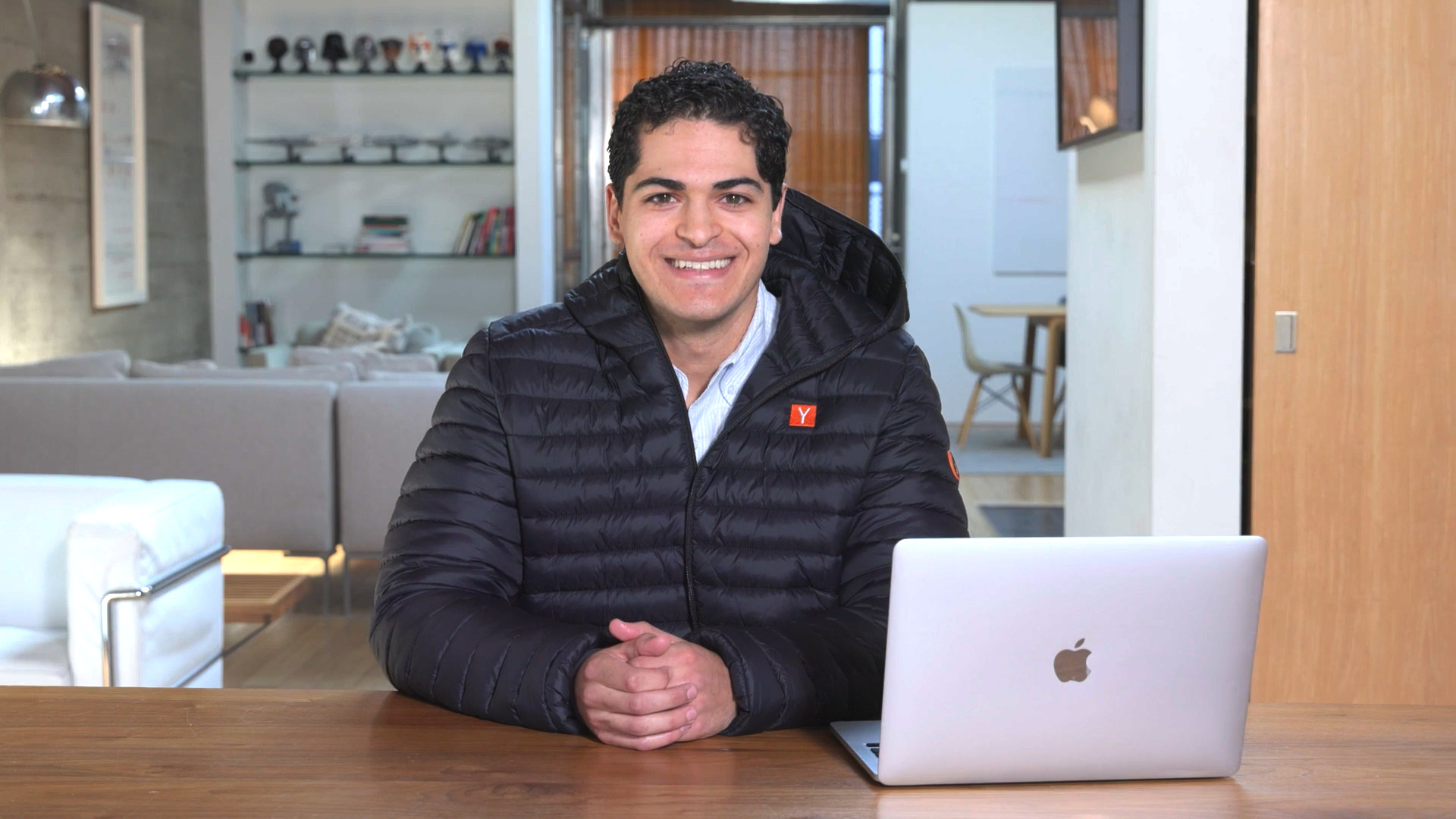
Nxtcure was founded by Alessandro Hammond while he was a student at Harvard. He is now an MD-PhD candidate at Yale. His research examines the biological mechanisms that drive cancer development, progression, and treatment outcomes. His own experience as a stage III cancer patient gave the company's mission a personal urgency.
About Nxtcure Labs
Nxtcure Labs is a Y Combinator-backed, AI-enabled CRO focused on oncology. The company is developing digital twins and AI-supported trial operations to forecast outcomes before and during studies. For more information, visit nxtcure.com.
Media Contact