Great Lakes Engineering Group Celebrates Over Two Decades of Advocating for Stronger Infrastructure Standards
Great Lakes Engineering Group celebrates over 20 years of highlighting the urgent need for stronger bridge safety standards, sustained infrastructure investment, and long-term planning across the United States.

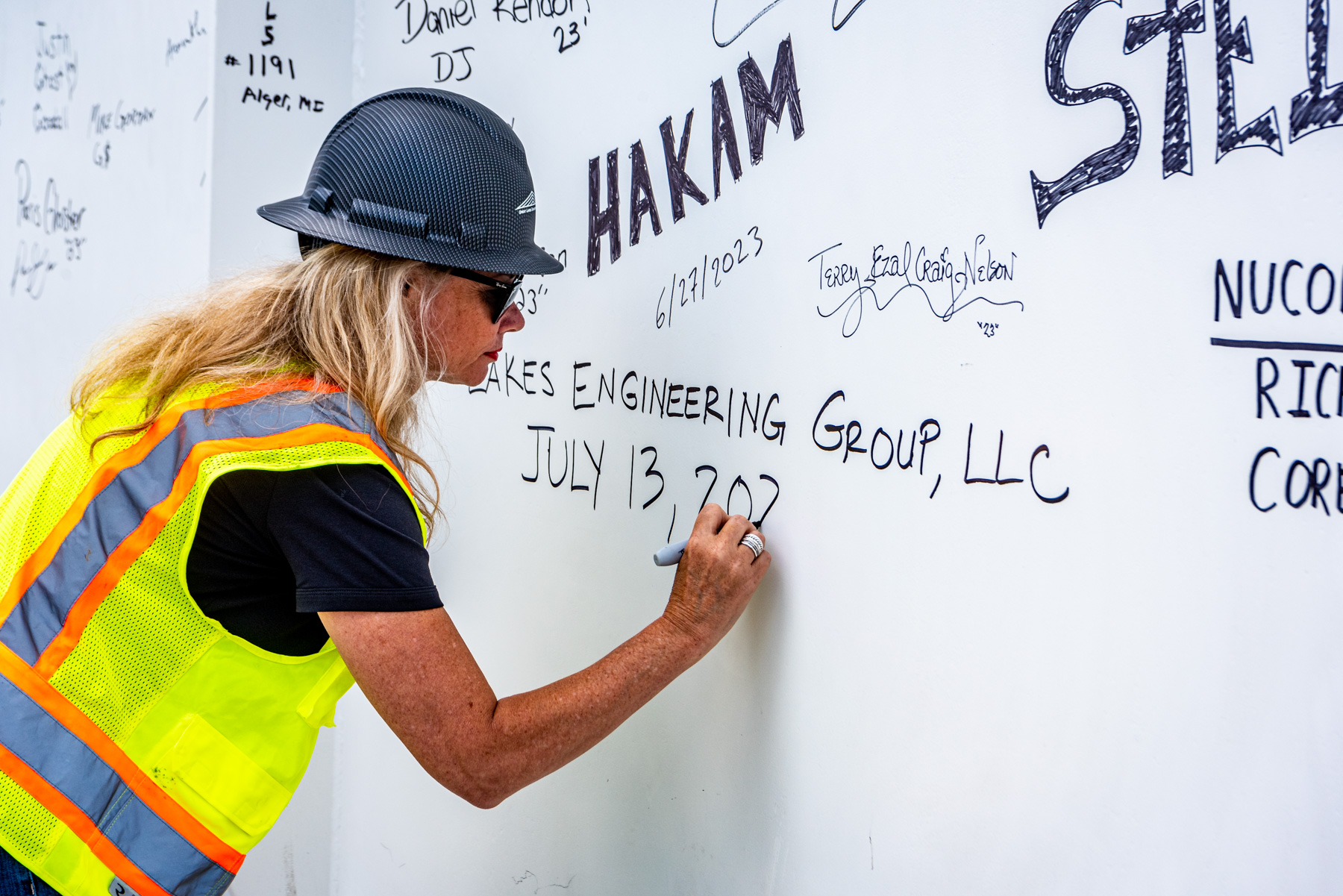
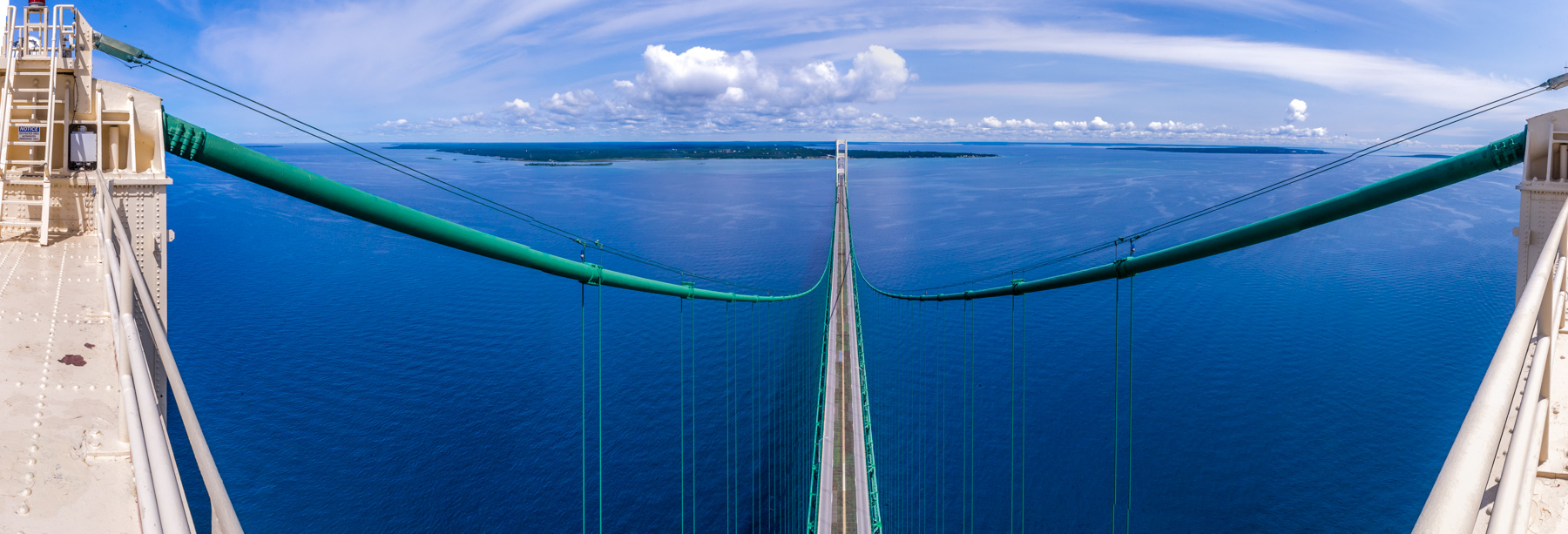
Great Lakes Engineering Group celebrated over two decades of bridge infrastructure services, reflecting on its growth while advocating for safer bridges nationwide. Founder and President Amy Trahey, P.E., reflected on the milestone to highlight the growing urgency of strengthening bridge safety and infrastructure planning across the United States.
America’s infrastructure is aging faster than it is being renewed, a reality that civil engineers have been documenting for years. According to an article published in The New York Times, the average bridge is over 40 years old, and about 42,000 of them are structurally deficient. The American Road & Transportation Builders Association has similarly reported that roughly one in three U.S. bridges requires repair and replacement. Trahey insists that these figures are a reflection of the mounting exposure to risk across transportation networks that millions rely on daily.
Great Lakes Engineering Group works within that pressure point. The Michigan-based firm specializes in bridge design, structural inspections, underwater engineering, and complex infrastructure evaluations. Trahey believes the industry’s core challenge lies in sustained prioritization.
“We have been putting duct tape on structural problems for decades,” she says. “If the deck is failing, if corrosion is reducing load capacity, if joints are compromised, you address the root cause. You don’t patch it and defer the real solution to the next funding cycle.”
Trahey believes fragmented funding models contribute significantly to the problem. She points out that transportation funds are often drawn from gas taxes, general funds, and periodic allocations. In her view, this could create uncertainty that makes long-term capital planning difficult. Furthermore, Trahey has observed that when it comes to funding allocation, infrastructure often gets treated as a line item rather than a foundational system.
“Everyone wants strong schools, reliable healthcare, and emergency services, and those are essential,” she says. “But infrastructure connects all of it. Close one bridge, and a 10-minute commute becomes a 40-minute detour. School buses would reroute, emergency response times might stretch, and communities would feel it immediately.”
With that complexity in mind, Trahey highlights that the consequences of postponed maintenance can compound over time. She points to a condition-rating framework often prevalent within agencies, which categorizes structures as good, fair, or poor. Without sustained intervention, she insists, fair structures can slide into poor condition while previously sound assets deteriorate. “By the time you fix the worst structures, the next tier has already declined. It becomes a cycle that is financially and operationally exhausting,” she explains.
The Federal Highway Administration has reported that preventive maintenance can be a cost-effective means of extending the service life of bridges, reinforcing Trahey’s argument that early investment can yield measurable long-term savings. She believes lifecycle cost analysis should guide decision-making more consistently than short-term budget relief. “If you were building your own home, you would design the foundation correctly, inspect it, and use quality materials,” she says. “Infrastructure deserves that same dedication because families are traveling over it every day.”
Safety concerns extend beyond the traveling public to the workers who maintain these systems. The U.S. Bureau of Labor Statistics reports thousands of work zone injuries annually, a figure that underscores the risk faced by inspectors and construction workers. Trahey believes stronger protective measures and clearer accountability are imperative. As Trahey shares, “Construction professionals deserve more than minimal barriers and hope. If enhanced protective systems reduce exposure to traffic hazards, they should be prioritized. Accountability cannot wait for tragedy.”
Trahey also highlights workforce capacity as another structural challenge, even in the availability of funding. She argues that experienced engineers and certified inspectors aren’t domestically available in large numbers, and reliance on outsourcing complex structural analysis abroad may introduce inconsistencies in standards and oversight. “You should trust technical advisors who understand the regulatory environment and who live with the consequences of their work,” she says.
To address systemic gaps, Trahey supports dedicated transportation funding, expanded public-private partnerships, and user-fee models such as tolls that align infrastructure usage with revenue generation. She believes stable funding enables agencies to plan proactively. “There has to be an injection of sustained investment. You cannot design, inspect, and rehabilitate critical infrastructure on uncertainty,” she says.
Civil engineering, she notes, has always evolved in response to lessons learned. Within that context, she believes the next phase must strengthen regulatory and financial frameworks with equal emphasis. While temporary solutions may ease immediate budget pressures, Trahey argues that they shift greater costs to the future and, in doing so, jeopardize long-term safety. That precariousness, in her view, needs to be addressed with sustained investment and effective leadership willing to treat infrastructure as essential, not optional.
“No one should question whether a bridge is safe when they cross it,” she says. “If we are doing our job correctly, the public never has to think about their safety being at risk every time they drive over a bridge.”
About Great Lakes Engineering Group
Great Lakes Engineering Group (GL Engineering) is a civil and structural engineering firm specializing in bridge-related infrastructure services. Founded by Amy Trahey, P.E. in 2000, the company provides bridge design, inspection and scoping, underwater inspections, and construction engineering services for public agencies and private clients. The firm has worked on projects at the state, county, and municipal levels, supporting the planning, evaluation, and maintenance of transportation infrastructure. GL Engineering emphasizes technical quality, professional development, and innovative problem solving to deliver efficient, cost-effective engineering solutions. For more information, visit glengineering.com.
Media Contact
Amy Trahey
info@glengineering.com