2025 World Parent-Child Shared Reading Festival Held in Shenzhen, Showcasing a Chinese Model for Shared Reading
What nurtures a child’s holistic development? How can we address the cognitive overload and parent-child disconnect of the digital age? How do we build stronger, more resilient family bonds?

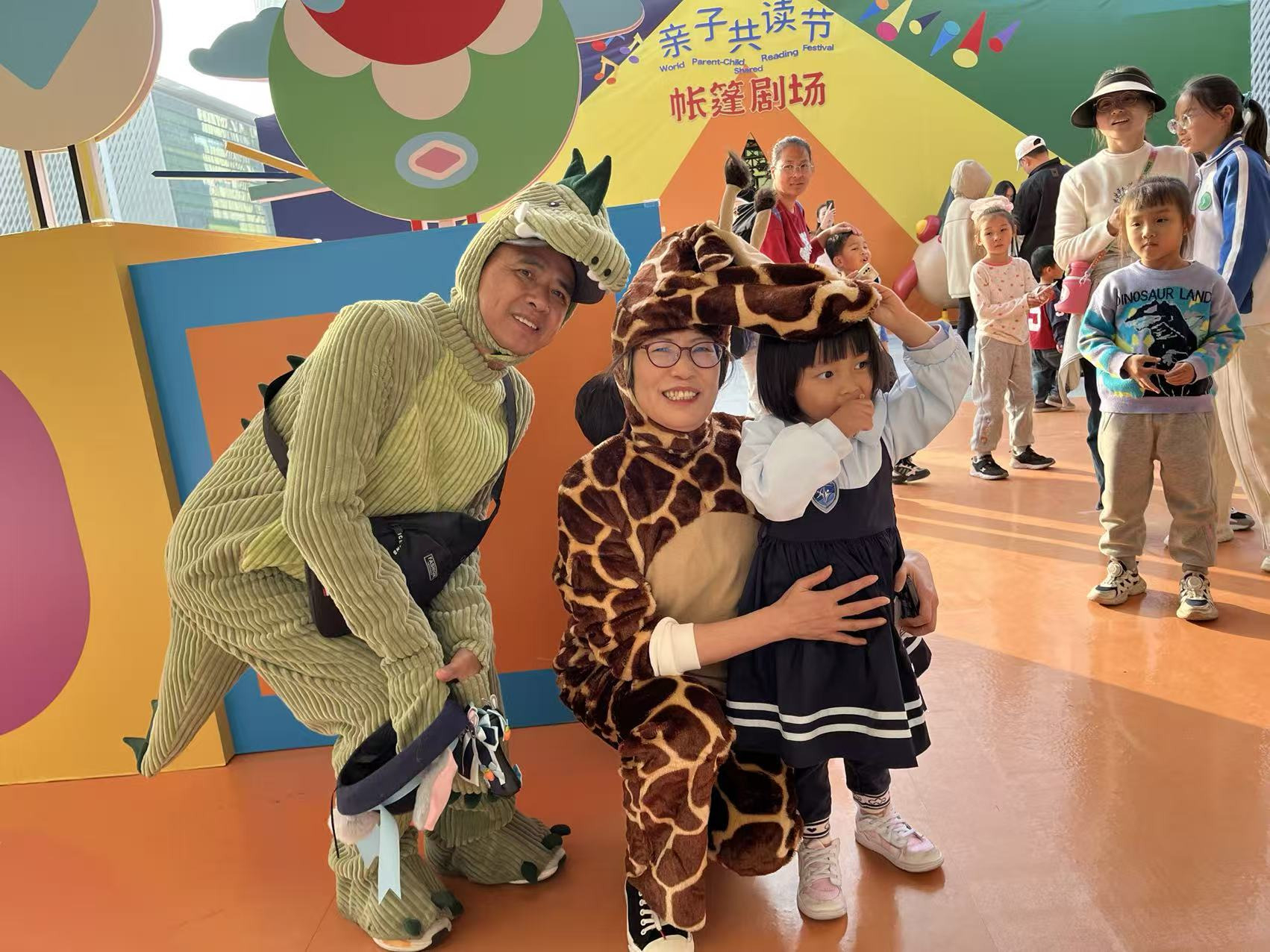
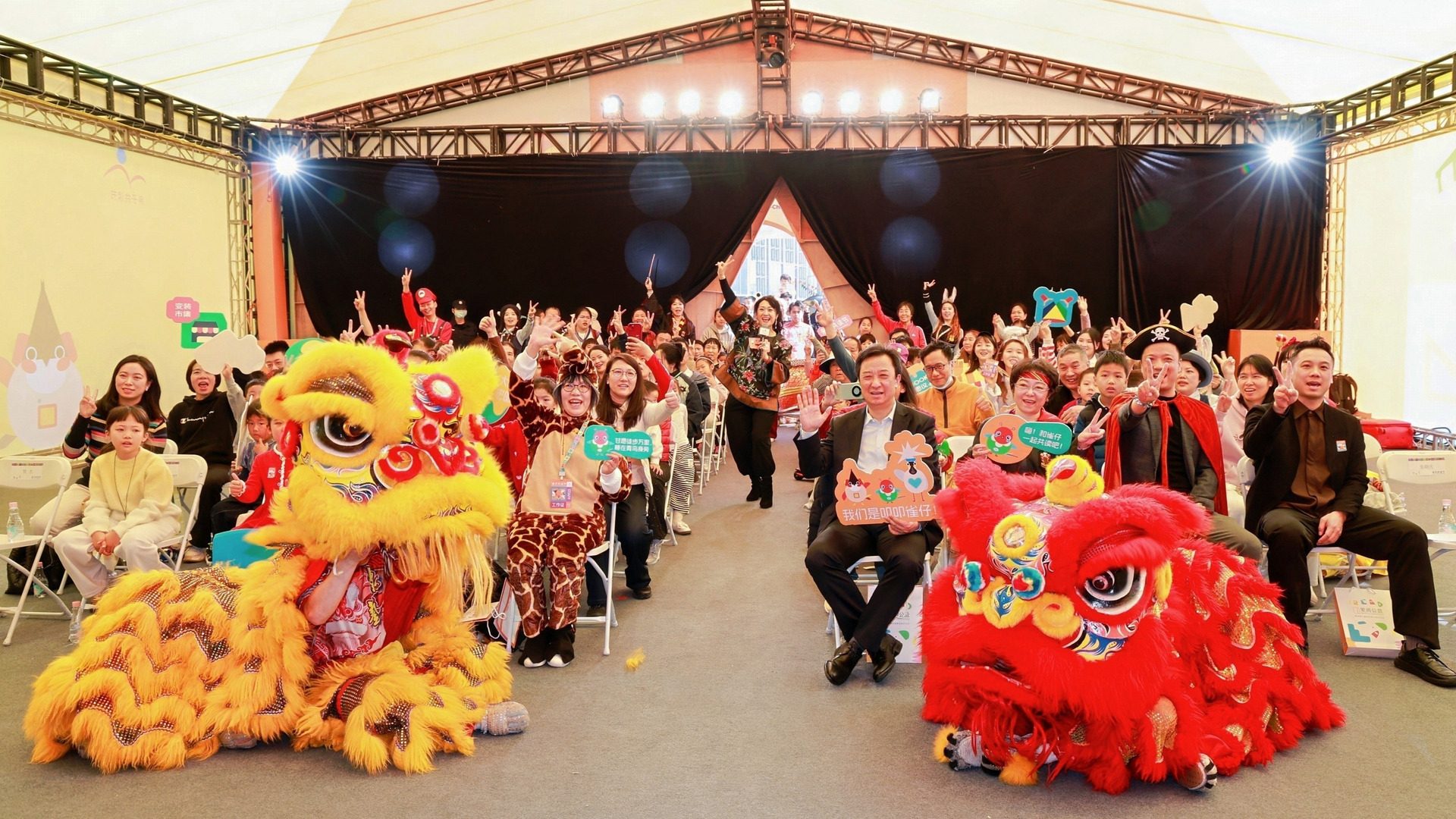
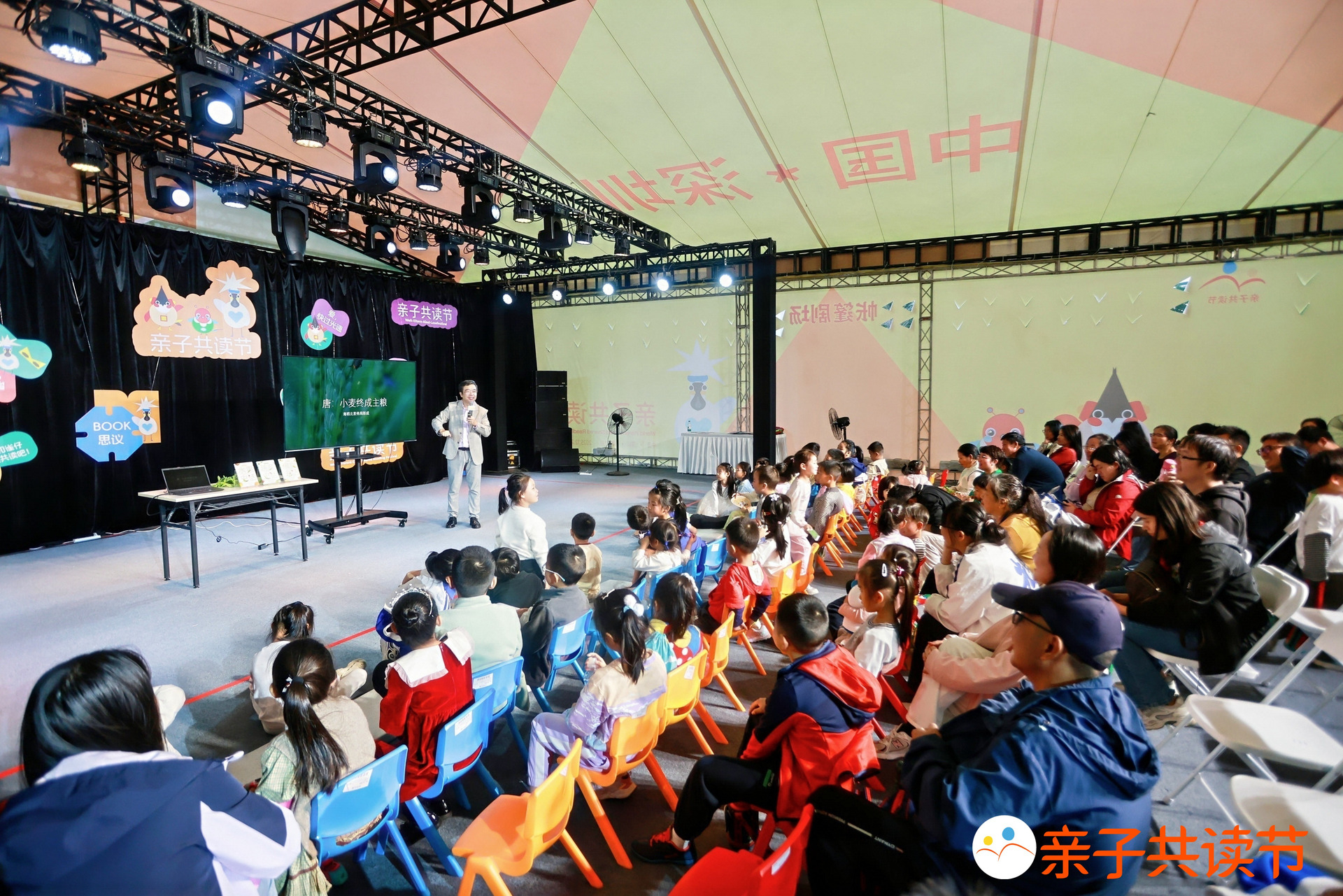
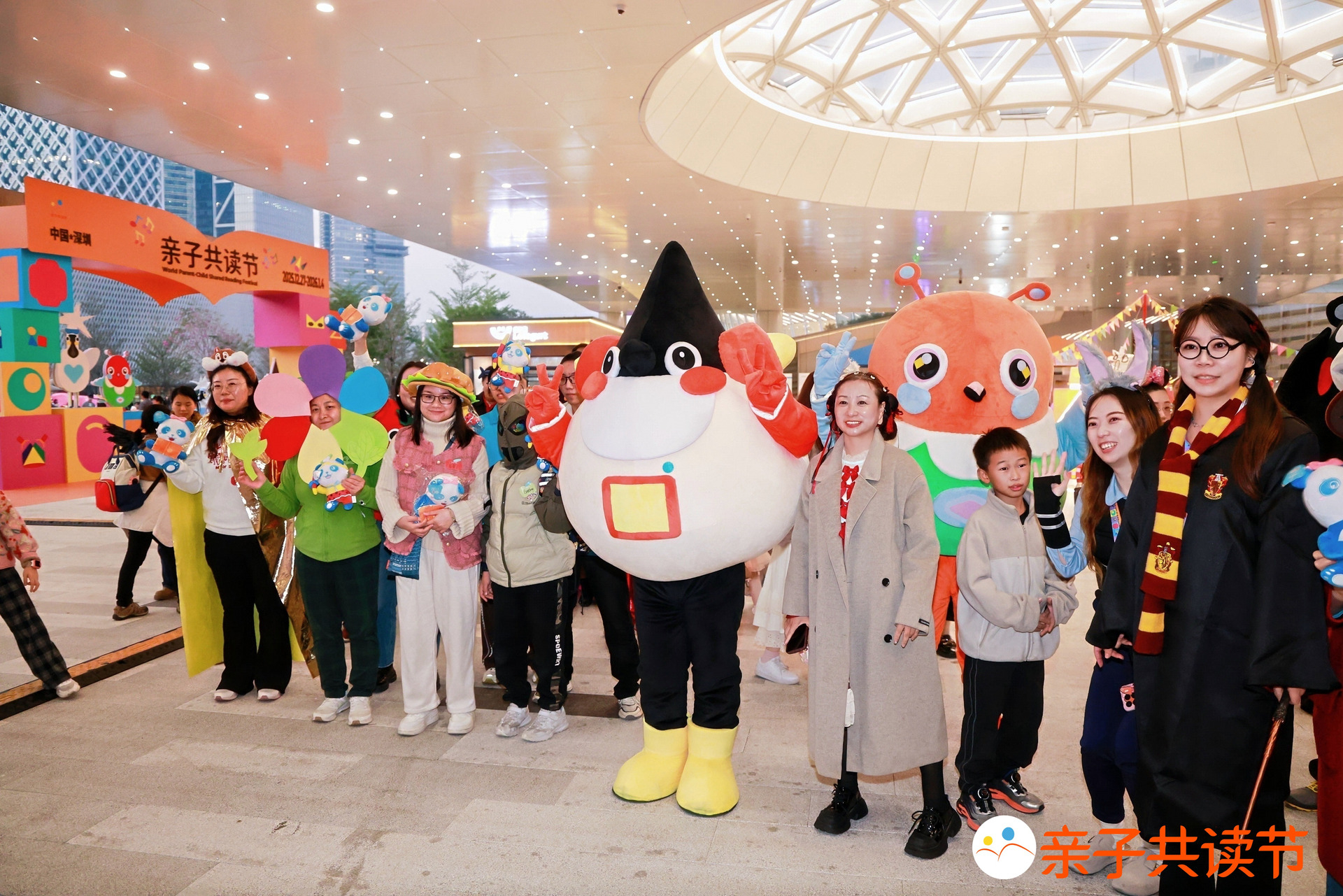
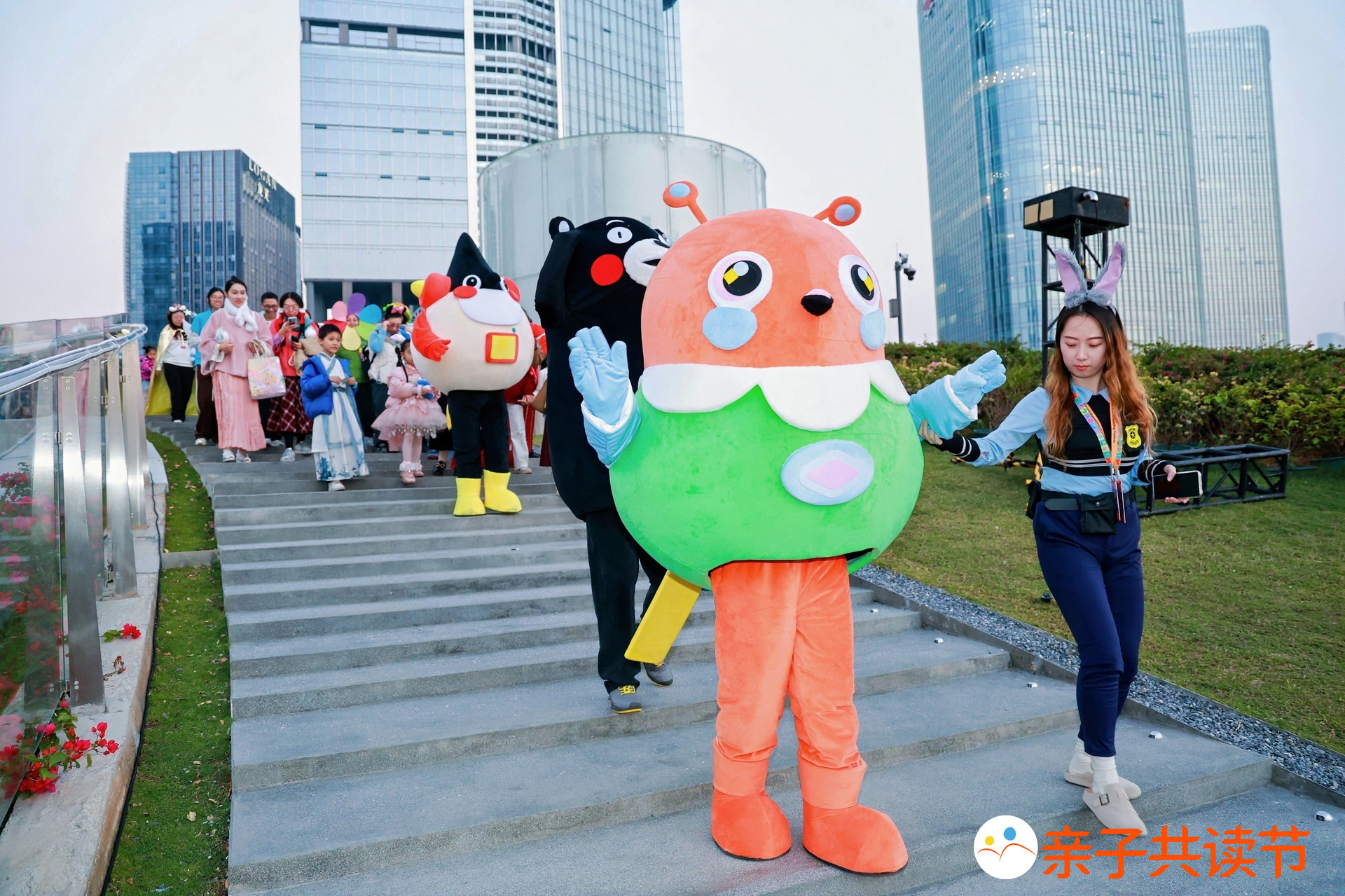
From Dec. 27, 2025, to Jan. 4, 2026, the 2025 World Parent-Child Shared Reading Festival was held in Shenzhen, China, offering a rich array of experiential events — including children’s theater, light shows, storytelling sessions, outdoor carnivals, concerts, workshops, and parades — to explore and respond to key issues surrounding child development. The festival promoted tangible engagement within the "small family" unit, fostering resilient parent-child relationships as a foundation for revitalizing broader societal vitality.
“Shared reading between parents and children is the cornerstone of educational equity. It is one of the most cost-effective and impactful ways to break the cycle of intergenerational poverty and bridge the education gap,” said Li Wen, founder of the Iread Foundation, Wen Weiqi Picture Book Art Museum, and Shenzhen Koko Technology Co., Ltd., and initiator of National Parent-Child Reading Day, during the festival’s opening ceremony.
Zhang Jun, general manager of CYTS M.I.C.E. (Beijing) Service Co., LTD, also noted that parent-child reading is a warm, foundational act — an essential “first lesson in life” for children. More than that, it is a joyful, attainable form of participation for every household, aligned with the goals of the Regulation on Promoting Nationwide Reading.
Shared Understanding: The Public Value of Parent-Child Reading
“You may have endless wealth — chests of jewels and cabinets of gold — but you will never be richer than I am, for I had a mother who read to me.”
This quote from American reading advocate Jim Trelease, featured in The Read-Aloud Handbook, highlights parent-child reading as one of the most effective ways to nurture a lifelong love of reading. In fact, there is growing international consensus on the value of parent-child reading, particularly in supporting early childhood development and fostering lifelong learning.
Research from Harvard University’s Center on the Developing Child shows that interactive moments during shared reading — such as asking questions and pointing to pictures — significantly stimulate children's brain development in language processing, imagination, and emotional regulation. These benefits far exceed those gained from solitary reading or passive audiovisual input.
Moreover, parent-child reading plays a critical role in children's language acquisition and socio-emotional development. “The moments when a child sits on your lap and you read together become the warmest memories of childhood,” noted children's author and reading advocate Mei Zihan. This sense of intimacy is something no electronic device can replicate.
“This physical closeness and emotional interaction are the foundation for a child’s sense of security, trust, and the development of healthy attachment,” says Wen. “Shared reading exposes children to a vocabulary, sentence complexity, and grammatical accuracy far beyond daily speech — making it the most effective and enjoyable way to acquire their mother tongue.”
Building on its strong emphasis on reading and parent-child education, China has long promoted the development of nationwide reading initiatives. On Dec. 16, 2025, China officially released the Regulation on Promoting Nationwide Reading, which is scheduled to take effect on Feb. 1, 2026.
The regulation provides clear legal support for public-interest reading initiatives. In particular, Article 27, Paragraph 2 states that the State encourages and supports social actors, in accordance with the law, to participate in the provision of reading services through multiple approaches, including establishing entities, funding projects, providing facilities, and donating publications.
To help more families experience the joy of shared reading and understand its long-term benefits, the Iread Foundation launched Parent-Child Reading Day on Dec. 28, starting in 2018. Since then, over 100 institutions — including, the New Reading Research Institute, Parents Must-Read magazine, and various child literacy organizations — have joined the initiative.
In 2025, the event evolved into a full-fledged brand festival. The World Parent-Child Shared Reading Festival, held in conjunction with Parent-Child Reading Day, is co-hosted by the Iread Foundation, Wenweiqi Picture Book Art Museum, and Shenzhen Koko Technology Co., Ltd., The festival features a sensory-rich, multicultural experience, with contributions from artists at the Central Academy of Fine Arts, China Academy of Art, Guangzhou Academy of Fine Arts, Sichuan Fine Arts Institute, Tsinghua Academy of Arts and Design, as well as artists from the U.S., Italy, France, and the U.K.
Diverse Programming: Building an Immersive Reading Ecosystem
During its nine-day run, the 2025 World Parent-Child Shared Reading Festival features a vibrant array of over 90 events, including 30 co-creation checkpoints, more than 30 themed workshops, more than 16 curated children's theater performances, an original illustration exhibition by nine leading Chinese picture book artists, and an immersive art installation co-created by young artists from five countries.
The lineup also includes a starlit garden concert, storytelling sessions, family carnivals, the “Day of Love’s Return” commemorative event, traditional lion dances, parades, and more — offering families an immersive, multifaceted cultural experience.
To encourage deeper participation, the festival incorporates themed atmospheres and a point-based reward system, inviting families to dress up and fully engage with the interactive environment.
The 2025 World Parent-Child Shared Reading Festival features over 30 workshops across three core categories — parent-child bonding, art, and parenting — designed to meet the needs of families with children aged 0–12. Together, they create a multidimensional experience that integrates reading, art, and interactive learning.
Highlights include the Sock Puppet Workshop, where parents and children repurpose old socks and buttons to craft personalized puppets and stage mini performances. The Rod Puppet Workshop blends traditional folk arts with modern creativity, allowing children to learn cultural heritage through play while parents relive memories of childhood shadow plays.
In the “Botanist in the Kitchen” Workshop, botanist Dr. Shi Jun from the Chinese Academy of Sciences brings plant science into everyday life through engaging experiments like The Traveling Watermelon Seed and The Life of a Tomato. Other expert-led parenting sessions empower families with scientific child-rearing knowledge. These include workshops by Tina Tian, a certified emergency instructor from the American Heart Association; Dr. Sun Quanhui, a scientist from World Animal Protection; and Zeng Jinjin, a senior partner at China Commercial Law Firm.
One of the most talked-about exhibits, “The Fetus’s Dream”, is divided into two immersive zones: Pre-verbal: A Shaft of Light and Shadow and Social Language: The Etymological Star Cluster. Through light installations, interactive technology, and conceptual design, the exhibit invites audiences to reflect deeply on the relationship between language and life.
On the theatrical front, a rich lineup of children’s plays spans various genres, including shadow puppetry and musical theater. The Sultan’s Rhino Horn, based on a true story, explores the plight of the last male northern white rhino. Feather Letter, Run! adapts a classic revolutionary tale into a musical, inspiring young audiences through music to understand the power of belief.
Multi-Stakeholder Engagement: Advancing Long-Term Development
To promote sustained and multidimensional efforts toward child development, the 2025 World Parent-Child Shared Reading Festival welcomed active participation from a diverse array of stakeholders — including corporations, foundations, civil society groups, charitable organizations, research institutes, and media outlets.
“Through the ritual and celebration of a festival, we awaken family engagement; through rich programming, we transform national policy advocacy into tangible, participatory experiences for thousands of households. The World Parent-Child Shared Reading Festival brings together diverse social forces to turn the idea of ‘reading together for 30 minutes a day’ from a simple proposal into a way of life,” said Jun, in support of the festival’s long-term vision.
As the initiator of Parent-Child Reading Day, Wen emphasized that establishing and celebrating such festivals is one of the most powerful and effective ways to elevate public attention and accelerate momentum around cultural ideals and social visions.
Aligning with the United Nations Sustainable Development Goals (SDGs), such as Quality Education and Good Health and Well-Being, this year’s World Parent-Child Shared Reading Festival introduced a recognizable, emotionally engaging mascot, “Koko Bird.” Inspired by native birds of Shenzhen (the black-faced spoonbill, red-whiskered bulbul, and blue-throated bee-eater) and infused with Greater Bay Area technological innovation elements, the mascot serves as a strong visual identity to enhance global recognition of the shared reading movement and expand the international influence of Chinese culture.
“Safe, warm homes — where children can access quality education and grow up healthy — are a universal ideal across all cultures and civilizations,” said Wen. “The world needs a festival like this — one that enables every child to experience the warmth and intimacy of family love through shared reading.”
Media Contact
Jianfeng Li
lijianfeng@koukoutech.cn