UK Kava Coalition and CEBDP Hosted Landmark Kava Symposium in London
Policymakers, researchers, and cultural leaders came together to support and advance kava policy in the U.K.
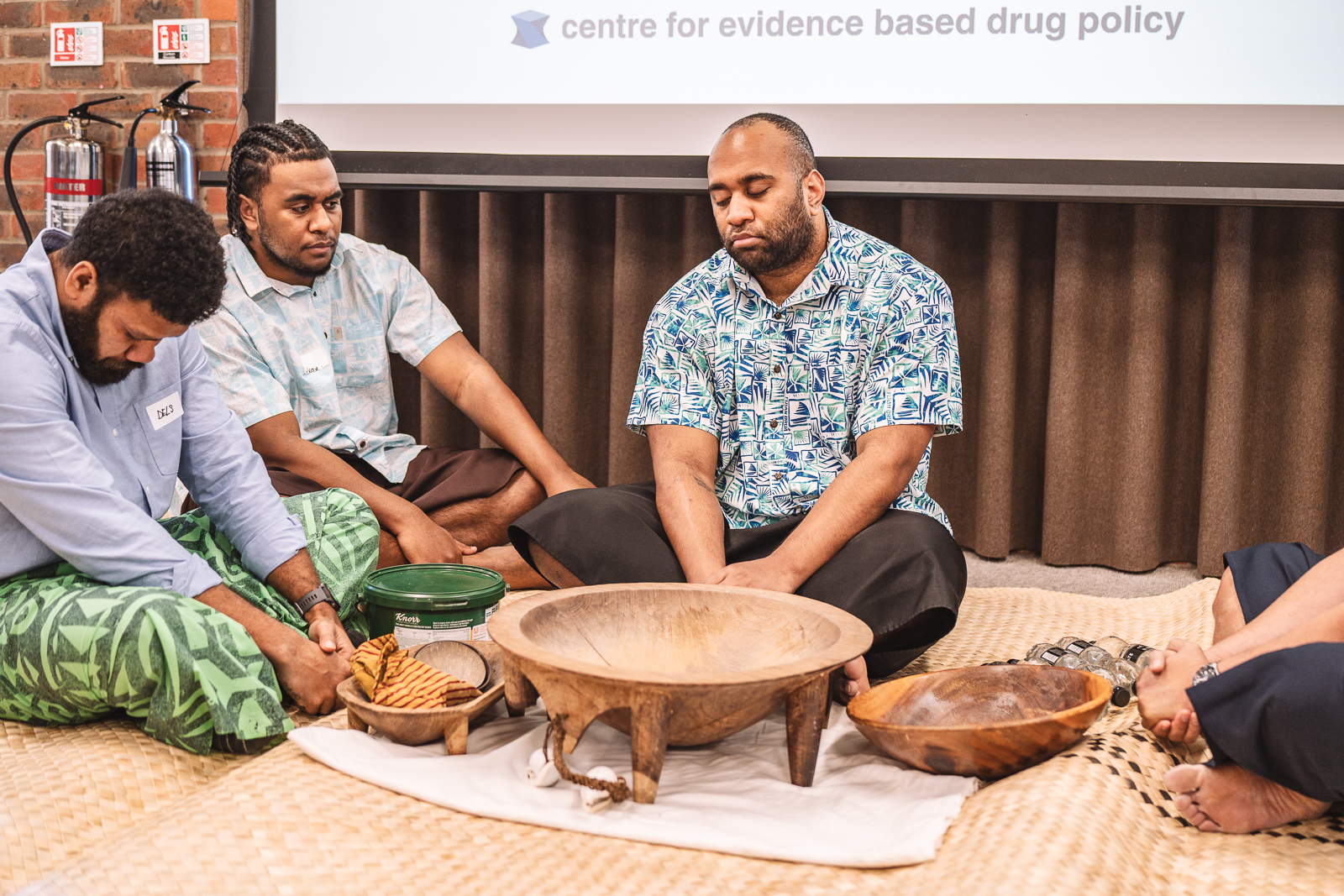
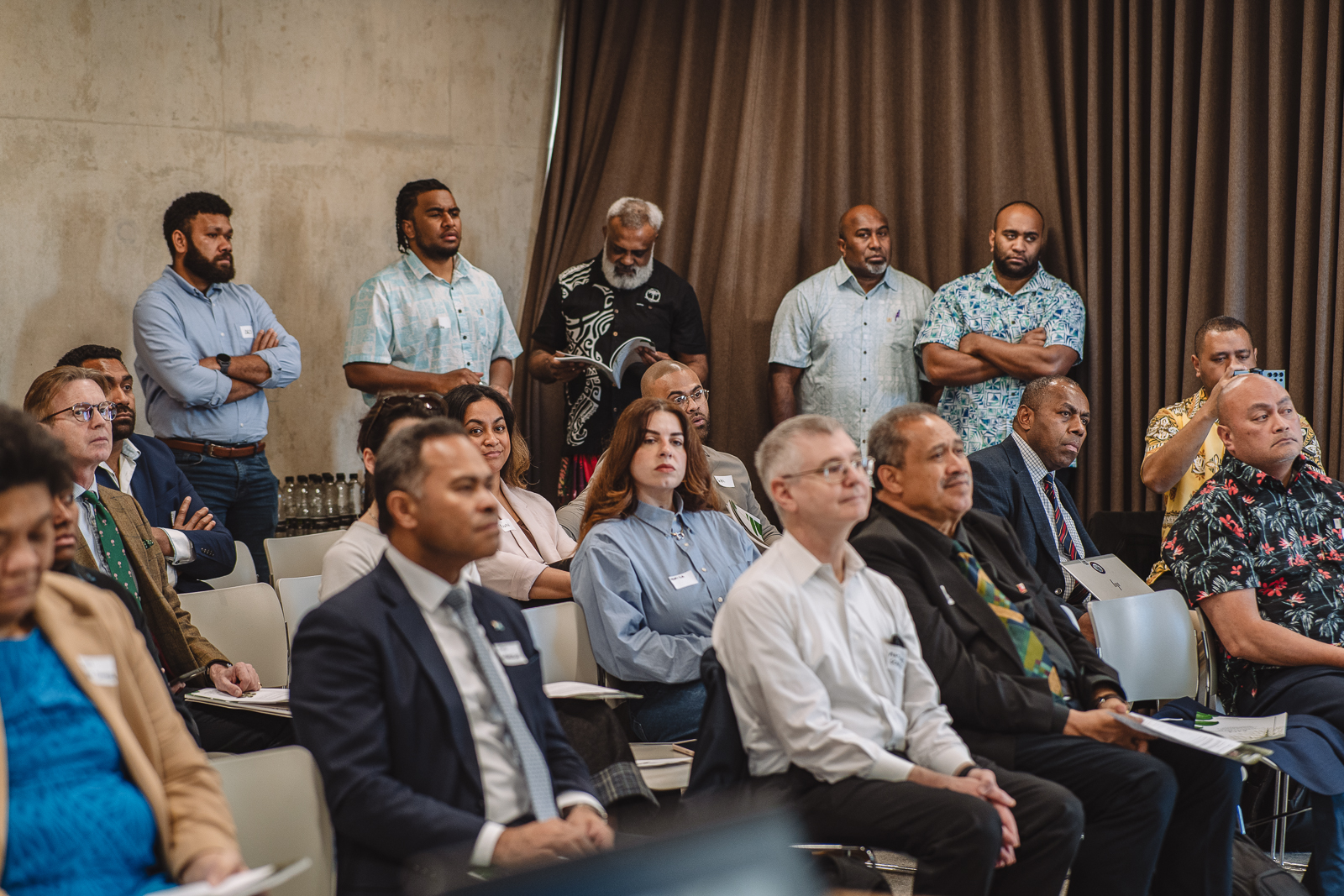


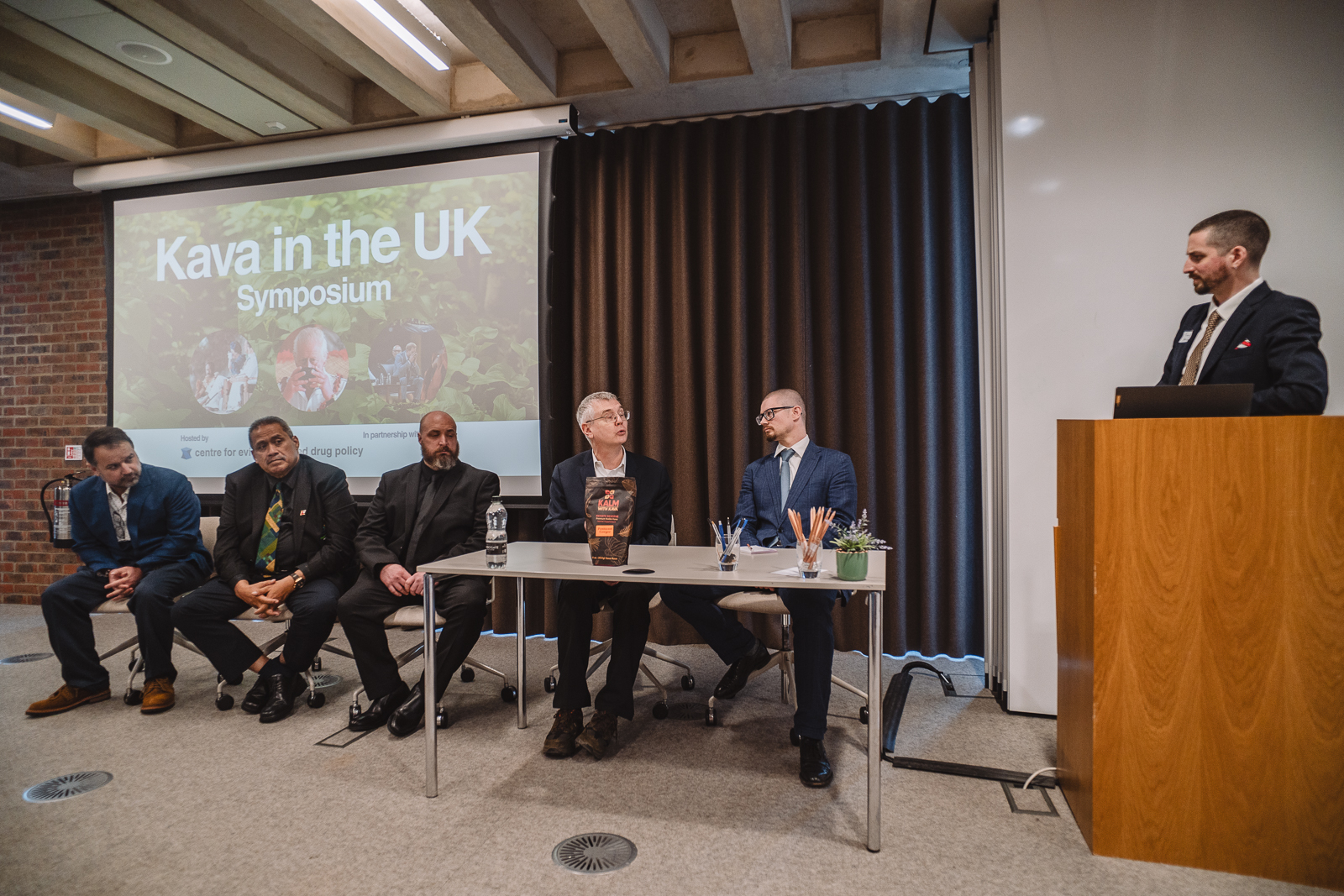
Last week, the UK Kava Coalition and CEBDP brought together policymakers, researchers, and cultural leaders in London for its first-ever kava in the U.K. symposium — an effort to advance kava policy in the U.K.
Held at the ORTUS Conferencing and Events Venue in Denmark Hill, the full-day symposium featured a robust agenda of expert presentations and panel discussions exploring kava’s role across public health, international policy, agriculture, and diaspora communities. The event concluded with an evening reception, fostering continued dialogue among stakeholders.
The symposium opened with remarks from Member of Parliament Charlotte Nichols and messages from Pacific Island diplomatic representatives, including the Vanuatu Honorary Consulate and the Fijian and Tongan High Commissions, setting the tone for discussions on balancing public safety with cultural respect. Speakers emphasized the need to reassess misconceptions about kava in light of evolving research and global regulatory changes.
Tex Cavubati, a professional rugby player, delivered a compelling address on kava’s role in fostering calm, healthier social spaces. Drawing from his experience, he noted a growing shift among young players away from alcohol toward kava, highlighting its ability to support reflection, emotional openness, and more constructive forms of connection.
Akuila Dresa, a warrant officer, spoke on the contradiction faced by Fijian servicemen in the U.K., who serve the country yet are denied access to kava, a plant central to their culture. Representing more than 3,000 Fijian soldiers, he framed legalization as an issue of dignity, respect, and cultural recognition within British society.
Tok Aisake and Dr. Viliami Fakava highlighted the importance of kava agriculture in Tonga, emphasizing its role in identity, livelihoods, and community life. They underscored that kava is not just a commodity but a cultural keystone that must be respected in policy discussions.
Dr. Simon Gellar outlined kava’s history and use, while Douglas La Rose shared insights on U.S. regulatory progress and opportunities for alignment. Timmy Davis and Sam Lawes of CEBDP addressed research barriers in the U.K. and emphasized the importance of evidence-based policymaking.
“The UK Kava Symposium represented an important step toward modernizing how policymakers understand and regulate kava across the globe,” said Douglas La Rose, Executive Director of the Kava Coalition in the U.S. “By bringing together voices from research, government, and Pacific communities, we helped ensure that future policy discussions are grounded in science, cultural respect, and real-world experience while addressing misconceptions.”
Participants also emphasized the need to move away from a “medicine-first” regulatory framework, instead recognizing kava as a traditional, single-ingredient food with deep cultural roots. Discussions highlighted how current regulatory barriers have limited research and access in the U.K., while contrasting approaches in other countries have allowed for more balanced oversight.
About Kava Coalition
The Kava Coalition is an alliance of noble kava consumers, experts, and industry leaders committed to advancing kava education, advocacy, and choice. By promoting responsible consumption, market transparency, and cultural respect, the Coalition works to ensure that noble kava is widely recognized, accessible, and valued as a safe, pro-social beverage. For more information, visit www.kavacoalition.org.
About UK Kava Coalition
UK Kava Coalition (UKKC) works to protect and promote the cultural, social, and economic significance of kava for Pacific Island communities in the UK. Through advocacy, cultural engagement, and government outreach, UKKC aims to secure legal and fair access to kava as a beverage for all who value it. For more information, visit www.kavacoalition.uk.
Media Contact
Douglas La Rose
info@kavacoalition.org