
As global food systems grow more complex, governments and regulators are leaning heavily on new technology to catch risks earlier and track problems across borders. Digital traceability platforms, AI-driven inspection tools and real-time monitoring networks are becoming central to how countries identify contamination events, respond to supply chain disruptions and evaluate the safety of imported goods. Reports about rising food poisoning cases in several regions have accelerated this push, not because the incidents themselves define the trend, but because they highlight how much faster the world now expects detection and response to be. The infrastructure behind what’s safe to eat is changing, and technology is rewriting the rules of global oversight.
Across continents, agencies are upgrading food-monitoring systems that were built for simpler supply chains. Imports now travel thousands of miles, production hubs are dispersed worldwide, and ingredients move across multiple countries before reaching consumers. Regulators say the old tools, manual inspections, slow reporting cycles, fragmented recordkeeping, cannot keep pace with modern risk patterns, prompting a shift toward automation and data intelligence.
A Global System Under Pressure
International bodies such as the World Health Organization estimate that foodborne hazards cause more than 600 million illnesses each year, demonstrating how widespread and persistent these issues remain. But the more immediate concern for regulators is the speed at which problems now spread. When a contaminated product enters the global distribution network, it may reach supermarkets in dozens of countries within days.
This acceleration has pushed governments to adopt monitoring methods capable of early detection rather than retrospective investigation. Food safety researchers say that supply chains have become too interconnected for traditional oversight to function effectively on its own. The challenge is not just identifying risk but doing so quickly enough to prevent outbreaks from expanding across borders.
Sensors and Smart Packaging
One of the most visible shifts in monitoring is the adoption of sensor-based technologies throughout production and distribution. Smart packaging equipped with temperature, humidity or gas sensors allows producers and regulators to track real-time data as foods move through supply chains. If environmental conditions drift into ranges that support bacterial growth, alerts can be issued instantly.
In some regions, perishable goods like seafood and poultry are increasingly shipped with embedded freshness trackers. These devices provide continuous monitoring rather than relying solely on storage logs or periodic inspections. Analysts say that widespread use of sensor technology could reduce spoilage, improve accountability and give regulators a clearer picture of where vulnerabilities occur.
Governments in Asia and Europe have begun pilot programs incorporating RFID-enabled tags that log each step of a product’s journey. By the time an item reaches a retailer, regulators can view its temperature history and handling conditions, making it easier to identify lapses before they result in broader contamination.
AI-Assisted Risk Detection
Artificial intelligence is reshaping inspection systems by analyzing information that once required labor-intensive review. Agencies can now process large sets of shipment data, laboratory test results and industry reports to identify trends that signal emerging threats.
For example, machine-learning models developed in cooperation with the U.S. Food and Drug Administration scan import records to highlight shipments that pose elevated risk based on historical patterns, geographic data and supplier history. Instead of inspecting all shipments equally, regulators can target their resources toward the areas most likely to carry hazards.
In the European Union, the European Food Safety Authority uses computational models to simulate how contaminants spread across agricultural regions and livestock populations. These models help officials make decisions about recalls, quarantine zones and targeted inspections long before physical signs of contamination appear. By forecasting risk rather than simply reacting to it, agencies aim to shorten response times and prevent widespread health impacts.
Blockchain and Traceability
Traceability is another area undergoing rapid change. Blockchain-based systems, initially tested by private companies to track product origins, are gaining traction among regulators seeking tamper-resistant records. These platforms record every point of contact a food item has, from farm to processing center to distributor, in a permanent ledger.
The goal is not to replace traditional documentation but to ensure that records cannot be altered or lost. When contamination occurs, investigators often spend days tracing shipments backward to identify sources. Blockchain technologies allow them to access real-time, verifiable pathways, speeding up recalls and reducing the number of affected consumers.
The United Nations Food and Agriculture Organization has reported growing interest among developing nations exploring blockchain solutions for agricultural exports. Some countries see the technology as a way to strengthen compliance with international standards and maintain access to global markets.
Global Data-Sharing Networks
Improving communication between countries is another priority. Outbreaks that begin in one region routinely affect others, and delays in reporting can worsen outcomes. To address this, agencies are expanding shared surveillance databases and alert systems.
The International Food Safety Authorities Network, coordinated by the WHO and FAO, facilitates rapid information exchange when hazards are detected. Members receive immediate updates on contamination events, allowing them to block shipments, issue advisories or begin local testing. Technology has helped increase the frequency and accuracy of these exchanges, particularly in low-resource regions where older reporting mechanisms were slower.
Some countries are developing automated portals that upload laboratory findings directly into shared systems. This reduces the lag created by manual reporting and helps align global responses. Public-health officials say consistent data-sharing is becoming as important as national inspection programs, especially for imported goods.
Drones, Robotics, and Remote Monitoring
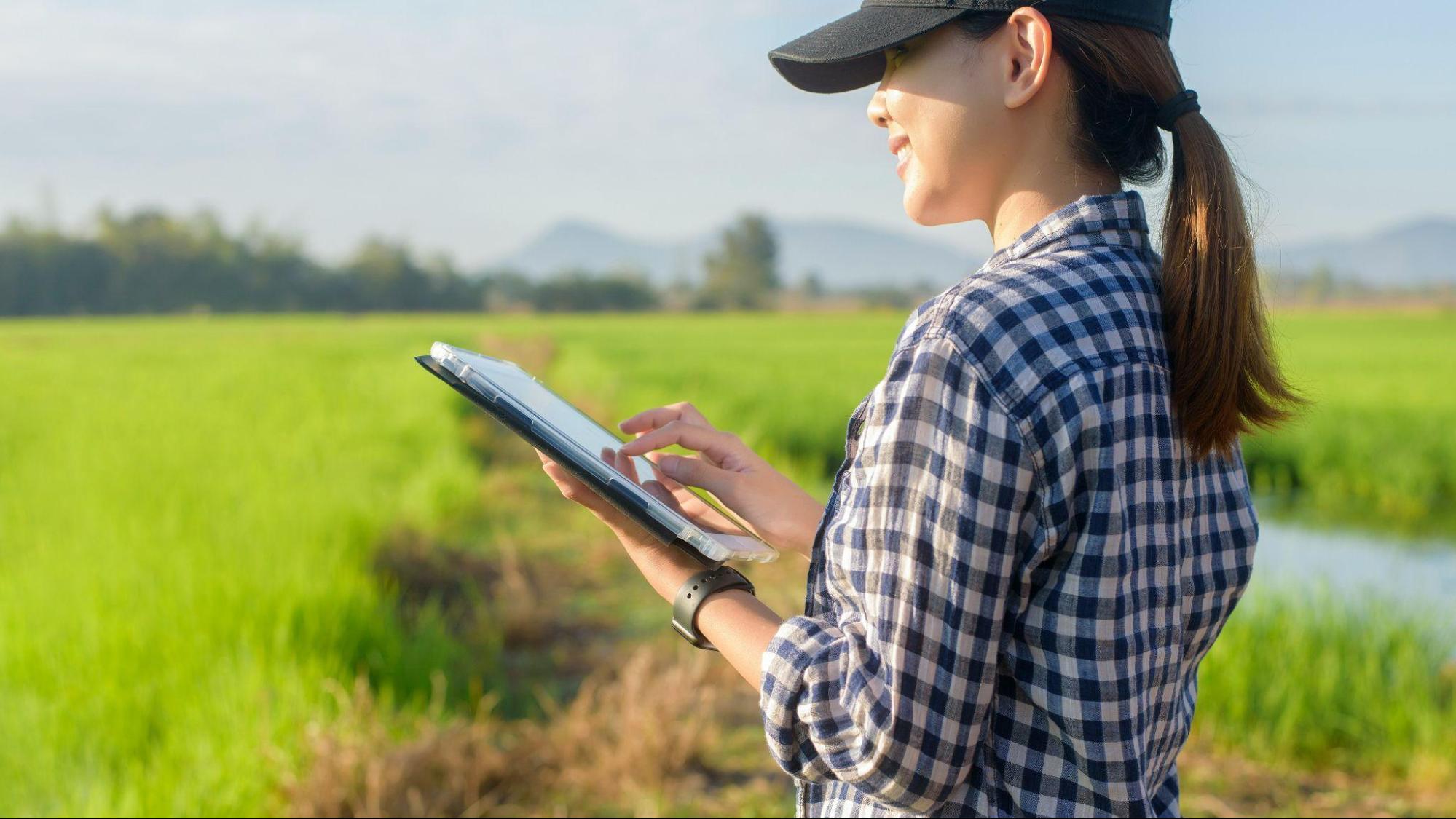
In agricultural sectors, drones and remote-sensing equipment are being used to assess conditions that could lead to contamination. High-resolution imagery helps detect water runoff near farms, standing water that may harbor pathogens and temperature variations across fields. These observations give regulators and producers early warning signs of potential risks before crops enter distribution networks.
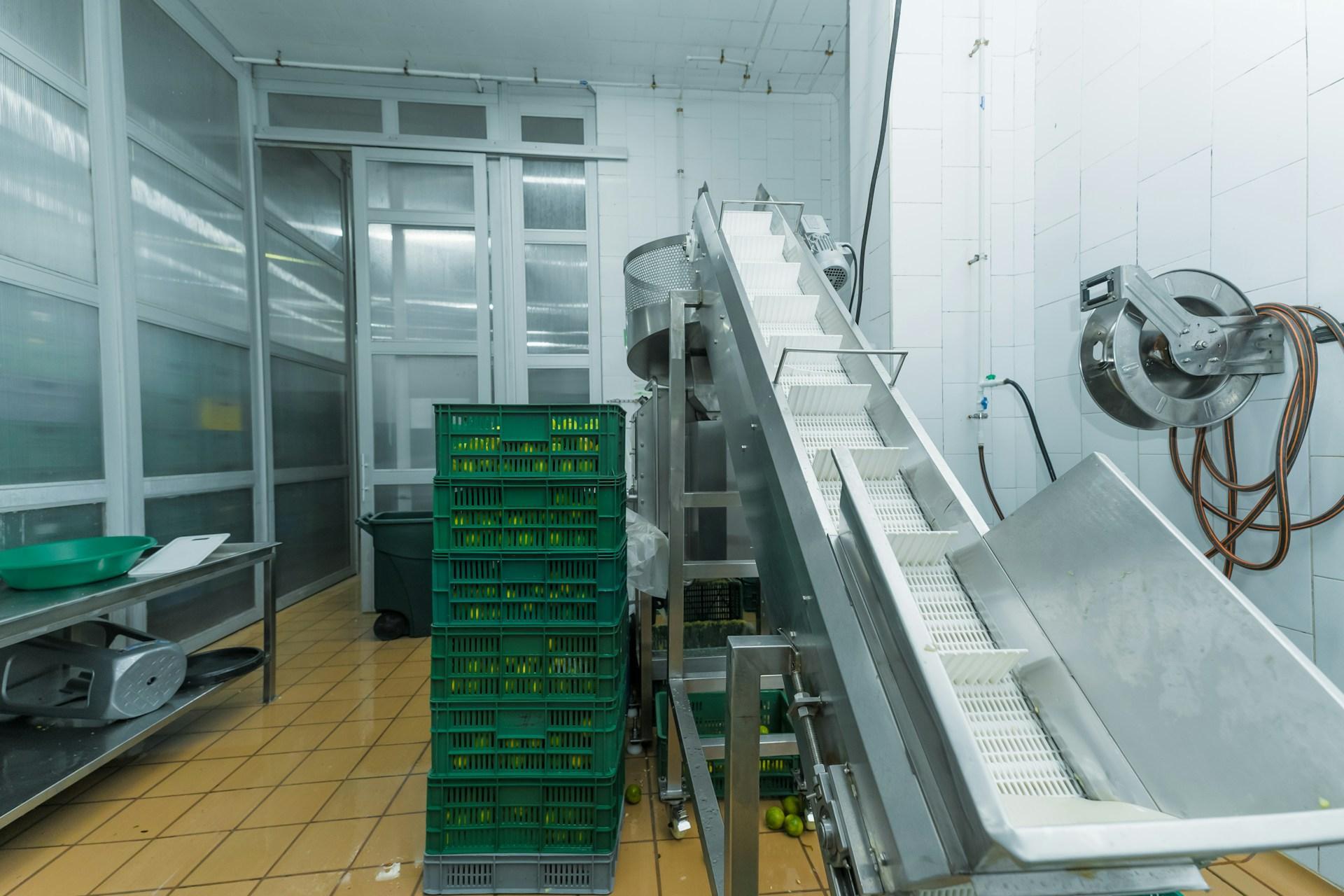
Robotic systems are also making their way into processing facilities, where they assist in tasks that once depended on human labor. Automated sorters, sanitation robots and computer-vision inspection systems are being introduced to reduce human error and improve consistency. These tools matter because small errors, a missed temperature check or an unnoticed equipment malfunction, can lead to large-scale consequences.
Challenges and Concerns
Despite the rapid adoption of technology, the transformation of the global monitoring system faces obstacles. Cost remains a significant barrier for smaller producers and developing nations. While large multinational companies may adopt sensors, blockchain systems or AI tools, many smaller businesses still operate with limited digital infrastructure.
Another concern is data integration. Systems developed by different countries or companies may not communicate effectively with each other. Without compatible standards, traceability may remain fragmented despite technological progress.
Privacy and security worries also accompany the use of advanced digital systems. Regulators must balance transparency with protection of sensitive commercial data, especially when supply chains involve multiple jurisdictions.
The Future of Food Oversight
Food monitoring is entering a period of rapid change driven by global trade, shifting climate patterns and consumer expectations for safety. While newer technologies will not entirely replace traditional inspections, they will increasingly augment them, offering faster detection and more precise risk assessment.
International organizations say that investments in digital tools, paired with trained personnel and harmonized regulations, could significantly reduce the global burden of foodborne illness. As more nations modernize their systems, the focus will shift from responding to problems to anticipating them well before they reach consumers.
The modernization of food-monitoring systems reflects a broader trend in public health: relying on data, automation and shared intelligence to manage risks in a world where supply chains are long, fast and interconnected. Technology will not eliminate every hazard, but it is changing how quickly, and how accurately, the world can respond.
Media Contact
Jory Lange
Info@makefoodsafe.com