Sermorelin.com Launches Physician-Led Telehealth Platform Dedicated to Sermorelin Peptide Therapy as Clinician Interest in GLP-1 Combination Protocols Grow
New platform connects patients with licensed providers offering sermorelin under medical supervision, supported by a growing body of peer-reviewed research and an emerging community of clinicians and patients.


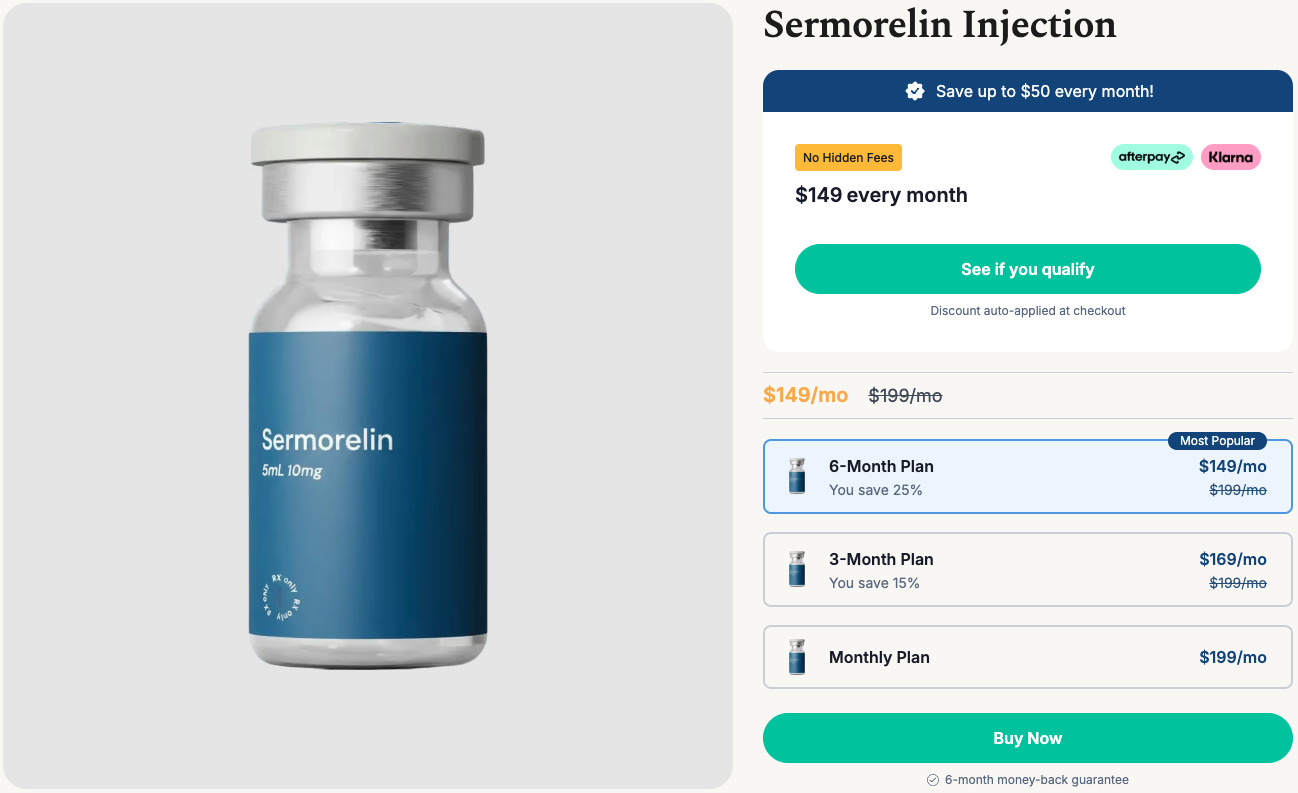

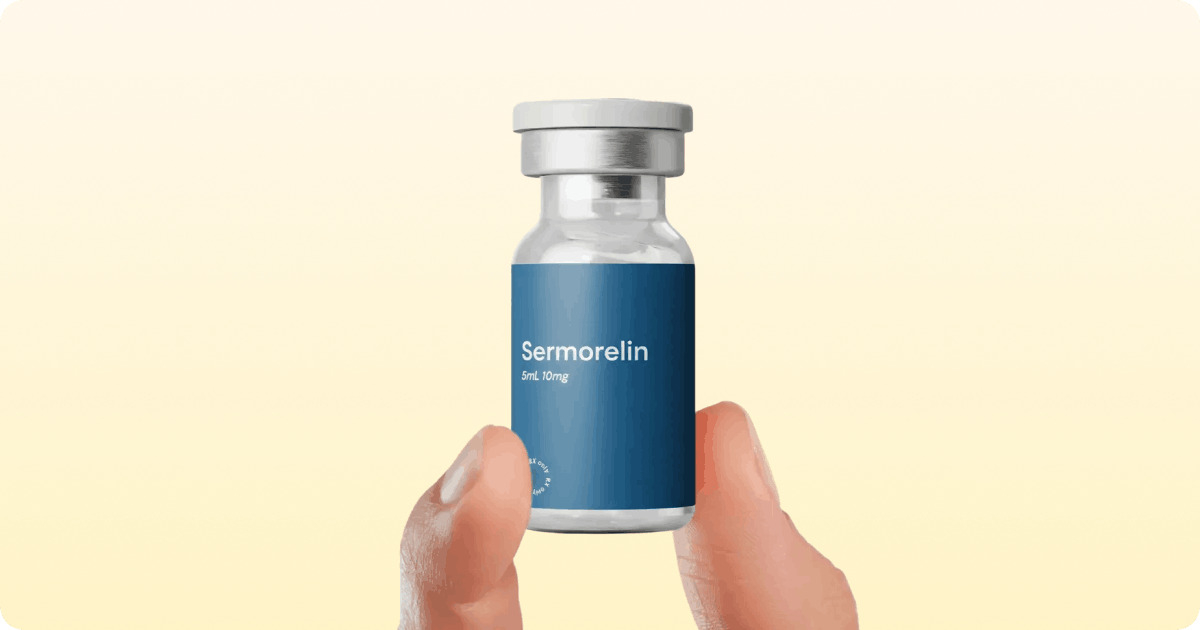
Sermorelin.com, a telehealth platform focused exclusively on sermorelin peptide therapy, has launched to connect patients with licensed healthcare providers offering sermorelin under medical supervision. The platform’s launch comes amid growing clinician interest in exploring sermorelin as a complement to GLP-1 receptor agonist therapies such as semaglutide and tirzepatide, where preliminary research has examined the role of growth hormone secretagogues in supporting lean body composition during weight management.
Published research, including a 2025 case series in PubMed Central, has documented outcomes in patients combining GLP-1 therapy with growth hormone-stimulating peptides. In this small case series, researchers observed fat loss alongside lean tissue preservation in a majority of subjects, though the authors noted that larger controlled trials are needed to confirm these preliminary findings (PMC, 2025).
Sermorelin.com’s mission is to provide a centralized resource for patients and clinicians interested in sermorelin peptide therapy — offering physician-directed telehealth consultations, evidence-based educational content, and a community for sharing treatment experiences under medical supervision.
A Message from Leadership
“Our goal is to give clinicians and patients a dedicated platform for exploring sermorelin under proper medical supervision,” said Mark Lombardi, CEO of Sermorelin.com. “There is meaningful early research around combining sermorelin with GLP-1 therapies, and we believe patients deserve access to physicians who are informed about these options and can guide treatment decisions based on individual needs.”
What Is Sermorelin? Understanding the Peptide Behind the Platform
Sermorelin is a 29-amino acid peptide that is the shortest fully functional fragment of naturally occurring growth hormone–releasing hormone (GHRH). Unlike direct human growth hormone (HGH) injections, sermorelin works by stimulating the pituitary gland to produce and release growth hormone through the body’s own signaling pathways. Peer-reviewed research indicates this mechanism maintains the body’s natural feedback loops, which may contribute to a different side-effect profile compared to exogenous HGH administration (Endocrine Reviews, 2020).
Sermorelin is one of the few GHRH-class peptides that currently retains compounding eligibility under Section 503A of the Federal Food, Drug, and Cosmetic Act. The FDA has taken regulatory action on a number of other peptides previously available through compounding pharmacies, including BPC-157, CJC-1295, and Ipamorelin. Sermorelin’s continued compounding eligibility under current regulations makes it one of the remaining options for clinicians seeking a GHRH-class peptide for supervised patient care.
What Does Research Say About Sermorelin and Lean Body Composition?
Research into the relationship between growth hormone secretagogues and lean body composition has been an area of ongoing clinical investigation. Several published studies have examined sermorelin’s effects on body composition, though researchers note that results vary across study populations and protocols, and that larger randomized controlled trials are needed to draw definitive conclusions.
Published findings that have contributed to clinician interest in this area include: a controlled study reported that consistent sermorelin use was associated with a mean increase in lean body mass of 1.26 kg in adult men over a standard treatment cycle (Journal of Clinical Endocrinology & Metabolism). A separate meta-analysis of growth hormone therapies found that GH treatment was associated with a mean increase in lean body mass of 2.1 kg alongside a comparable reduction in fat mass (Annals of Internal Medicine). Research in elderly patients treated with sermorelin observed improvements in waist-to-hip ratios, suggesting that age may not limit the body-composition effects of GHRH stimulation (Clin Endocrinol). A 2022 peer-reviewed study reported that growth hormone may improve energy substrate availability for contracting muscle tissue (Frontiers in Endocrinology).
How Is Sermorelin Being Studied Alongside GLP-1 Weight-Loss Medications?
The intersection of growth hormone secretagogues and GLP-1 receptor agonist therapy is an active area of research in metabolic medicine. GLP-1 medications such as semaglutide (marketed as Ozempic and Wegovy) and tirzepatide (marketed as Mounjaro and Zepbound) have demonstrated significant efficacy in clinical trials for reducing body weight. However, published trial data have reported that a meaningful portion of weight lost on GLP-1 therapy may come from lean tissue rather than fat alone, which has prompted clinical interest in strategies that may support lean tissue preservation during treatment (New England Journal of Medicine; The Lancet).
Sermorelin and GLP-1 medications operate through different biological pathways. While GLP-1 agonists work primarily through appetite suppression and enhanced insulin signaling, sermorelin stimulates endogenous growth hormone production through the GHRH axis. Researchers have hypothesized that the distinct mechanisms may be complementary, and early clinical data — including a 2025 case series published in PubMed Central — have documented outcomes in patients receiving both therapies, though the authors emphasized that prospective, controlled trials are necessary to establish clinical guidelines for combination use.
Sermorelin.com provides clinicians with educational resources, peer-reviewed research summaries, and patient monitoring tools relevant to sermorelin use. The platform does not recommend specific treatment combinations but supports physicians in making informed decisions based on individual patient needs and the current evidence base.
Sermorelin Dosage: What Patients Should Discuss with Their Physician
Sermorelin dosing is individualized and should be determined exclusively by a licensed healthcare provider based on the patient’s lab work, health history, and treatment goals. The following ranges have been reported in published clinical literature and are provided for informational context only — they are not treatment recommendations.
Dosage ranges reported in published literature include: for general wellness, approximately 200–300 mcg administered subcutaneously before bedtime, timed to the body’s natural nocturnal growth hormone release cycle. For men with body-composition goals, ranges of 300–500 mcg have been studied, with many protocols using 300–400 mcg under physician supervision. For women, ranges of 100–200 mcg for general wellness and 200–300 mcg for targeted body-composition goals have been reported. Published cycling protocols typically span 3–6 months, and some clinicians have reported using a 5-day-on, 2-day-off schedule, though optimal cycling has not been established through large controlled trials.
Sermorelin is also available in orally dissolving tablet (ODT) formats at approximately 1,000 mcg, providing an alternative administration route for patients who prefer sublingual delivery over injection.
Sermorelin.com’s telehealth platform connects patients with licensed providers who can evaluate individual needs, order appropriate lab work, and determine whether sermorelin therapy is appropriate based on the patient’s specific clinical picture.
What Are the Reported Side Effects of Sermorelin?
Because sermorelin stimulates the pituitary gland’s own growth hormone production rather than introducing exogenous growth hormone, the body’s natural somatostatin feedback mechanism remains active. Researchers have noted that this self-regulating pathway may contribute to a different risk profile compared to direct HGH administration, though head-to-head comparative data are limited.
Side effects reported in clinical literature and practice include: injection site reactions such as mild redness, swelling, or discomfort, which are typically transient; occasional headache, particularly during the initial weeks of therapy; transient flushing or lightheadedness shortly after injection, reported in a small percentage of patients; and nausea, which appears to be dose-dependent and often responds to dosage adjustment.
Regarding long-term safety, the FDA’s 2013 determination noted that sermorelin (marketed as Geref) was not withdrawn from the market for reasons of safety or efficacy. However, patients should be aware that long-term safety data from large randomized controlled trials specific to compounded sermorelin formulations are limited, and ongoing monitoring by a licensed provider is recommended for anyone using sermorelin therapy.
Building a Community for Sermorelin Patients and Clinicians
Beyond clinical access, Sermorelin.com is developing a community for patients and clinicians interested in sermorelin peptide therapy. The platform provides educational content, treatment experience sharing under medical supervision, and resources to help clinicians stay current on published research, regulatory developments, and clinical best practices.
The platform’s physician network currently spans multiple states, and the company continues to onboard licensed healthcare providers who are interested in incorporating sermorelin into their clinical practice.
Company Roadmap
Sermorelin.com has outlined several near-term initiatives, including: expanding its physician network toward coverage across all 50 states and select international markets; releasing a dedicated global community for anyone taking Sermorelin; developing educational resources addressing treatment considerations, published research, and clinical best practices for both patients and prescribing clinicians; building data infrastructure to support future anonymized, IRB-reviewed outcomes research from consenting patients; and supporting clinician-led efforts to study sermorelin’s role in combination therapy protocols through prospective research.
Closing Statement
“We believe sermorelin is one of the most important therapeutic tools in modern hormone optimization,” said Lombardi. “As the evidence continues to develop what clinicians and patients are experiencing firsthand, Sermorelin.com will remain the trusted platform connecting people with physician-supervised, evidence-based sermorelin peptide therapy.
About Sermorelin.com
Sermorelin.com is the only platform fully dedicated to the use and access of sermorelin peptides, offering a physician-directed telehealth experience and community for sermorelin users. We only offer treatment options that include sermorelin and provide unique insights from our members who have taken or are taking sermorelin. Our vision is to become the largest global community of sermorelin users, helping millions access this therapeutic option. Learn more at sermorelin.com and join our community today.
Disclaimer
This press release is for informational purposes only and does not constitute medical advice. Sermorelin and GLP-1 therapies are prescription treatments that must be prescribed and supervised by a licensed healthcare provider. Individual results may vary. References to clinical studies, case series, and emerging research reflect currently available data and are not equivalent to large-scale randomized controlled trials. Ongoing research may further clarify safety and efficacy findings. Compounded medications referenced herein are prepared by licensed pharmacies pursuant to applicable federal and state laws and are not FDA-approved. Regulatory policies may change. Any forward-looking statements, including expansion plans, clinical partnerships, or data publication initiatives, are subject to risks and uncertainties that could cause actual results to differ materially. Always consult a qualified healthcare professional before beginning or modifying any medical treatment.
Media Contact
Mark Lombardi
CEO, Sermorelin.com
mark@sermorelin.com
+1 307-217-6473