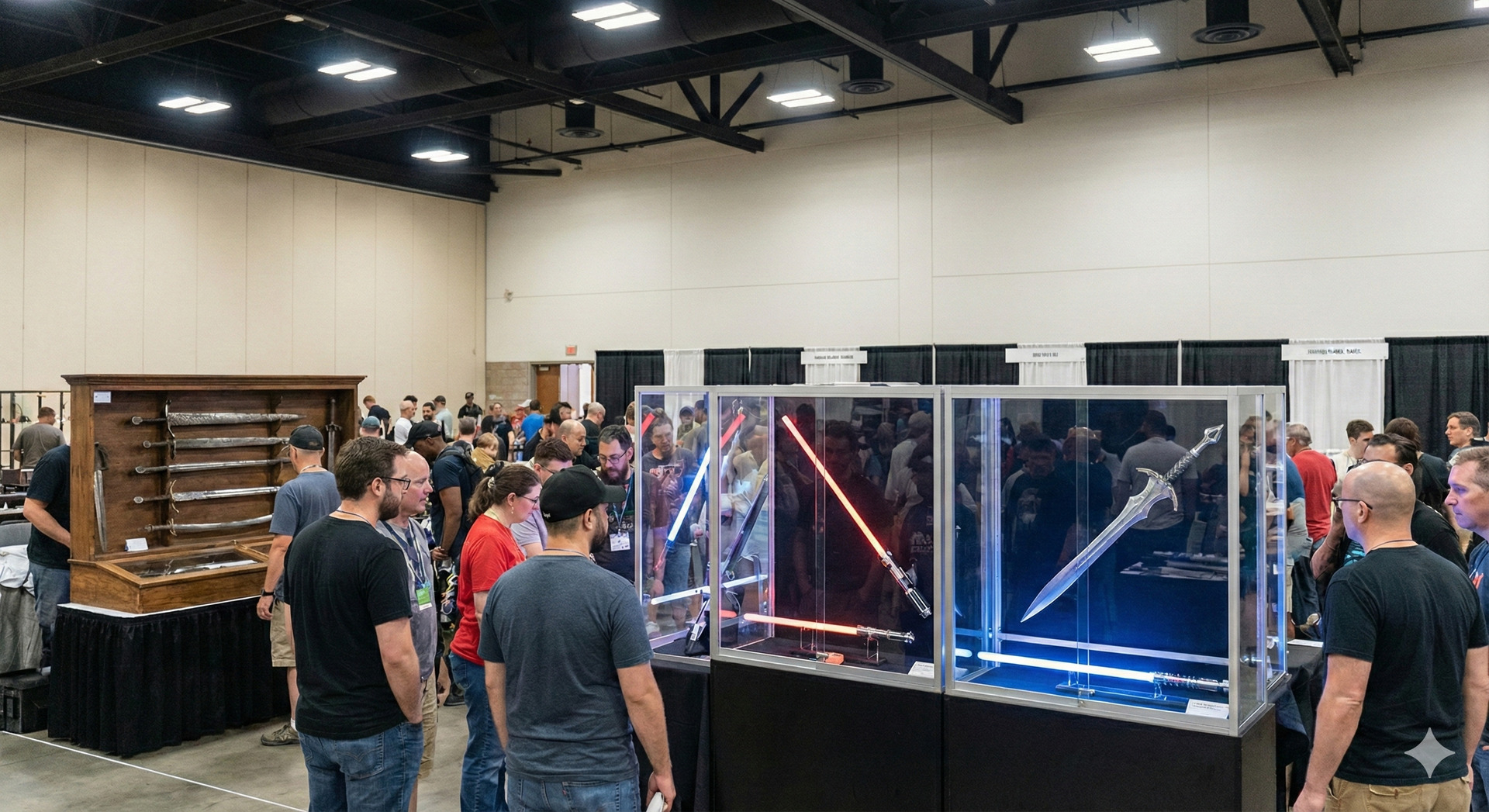
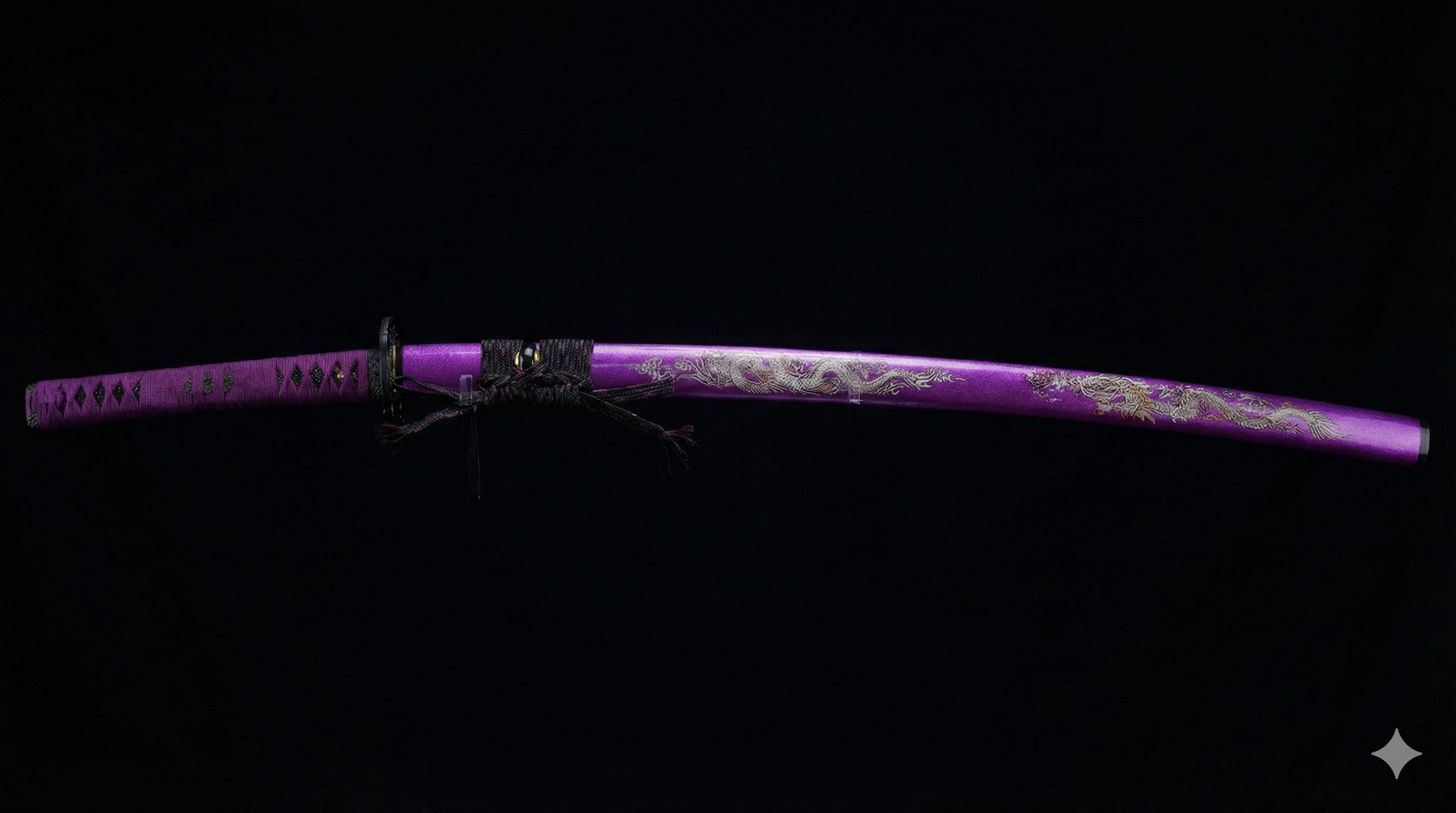

The sword industry is witnessing a quiet revolution. While traditional Japanese katanas and European longswords have long dominated the collector market, functional replicas from anime and gaming franchises are gaining ground fast — and may soon take the lead.
Vali Munteanu, content manager at Swordis, a U.S.-based sword retailer and custom manufacturer, believes the shift is already well underway.
The Anime Factor
"For decades, you had two choices: affordable display swords that would shatter if you tried to cut with them, or expensive historical replicas for martial artists," Munteanu explained. "That middle ground didn't exist. Now it's becoming the main category."
The driving force is straightforward: anime has gone global in ways few predicted.
The global anime market was valued at approximately USD 35.4 billion in 2024 and is projected to reach USD 84.85 billion by 2033, growing at a compound annual growth rate of over 10%, according to Research and Markets.
More significant is where that growth is happening. For decades, Japan's domestic market was the primary engine of anime revenue. But in a historic shift between 2023 and 2024, overseas revenue decisively overtook domestic Japanese revenue. According to the Association of Japanese Animations (AJA), international revenue surged by 26% to 2.17 trillion yen, while domestic revenue saw modest growth of just 2.8%.
This geographic flip matters enormously for sword manufacturers.
"In Japan, strict weapon ownership laws mean anime merchandise is limited to plastic toys and non-functional replicas," Munteanu noted. "But in North America and Europe, where the majority of anime fans now live, people can own functional steel weapons. A U.S. collector doesn't want a plastic Demon Slayer sword. They want the real thing."
Quality Expectations Have Changed
Today's pop culture sword buyer isn't settling for decorative items. They expect the same metallurgical standards as historical weapons — high-carbon steel, proper heat treatment, functional edges — and wrapped in the aesthetics of their favorite characters.
"The modern consumer is educated," Munteanu said. "They've watched YouTube videos, seen reviews by creators, and understand materials. They're demanding weapons that look like they belong to a fantasy hero but perform like historical pieces."
This convergence of fantasy aesthetics and traditional craftsmanship has created a new category that appeals to collectors who might never have considered owning a sword otherwise.
A Gateway, Not a Replacement
Munteanu doesn't see pop culture swords replacing historical collecting, at least not entirely. Instead, he views them as an entry point.
"The customer who buys a Demon Slayer katana today often develops a curiosity about traditional Japanese swordsmithing," he said. "They start asking about steel types, hamon patterns, and historical techniques. Pop culture is becoming the gateway to deeper appreciation."
Whether historical purists welcome these new enthusiasts remains to be seen. But with anime's global audience continuing to expand, the trajectory seems clear: the future of the sword market may be forged as much in streaming queues as in traditional workshops.
About History Puffs
HistoryPuffs is a non-profit research organisation committed to serious historical research and creative exploration. Through fun projects and in-depth research, HistoryPuffs aims to make history more accessible, engaging, and accurate for a modern audience.
Media Contact
Peter Carol
History Puffs
petervalijv@gmail.com