Chinese Makeup Artist Mao Geping at Harvard, Yale and Columbia Highlights Chinese Brands’ Cultural Global Reach
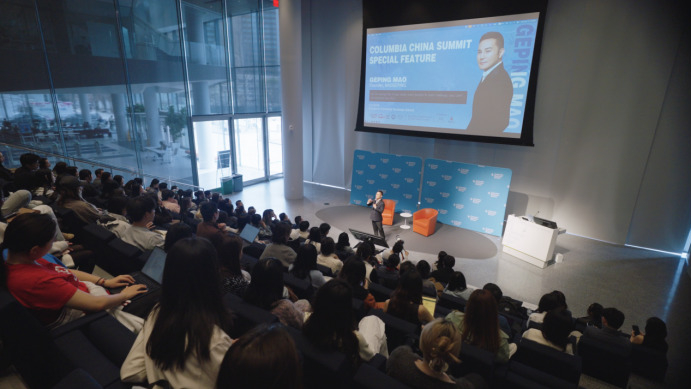
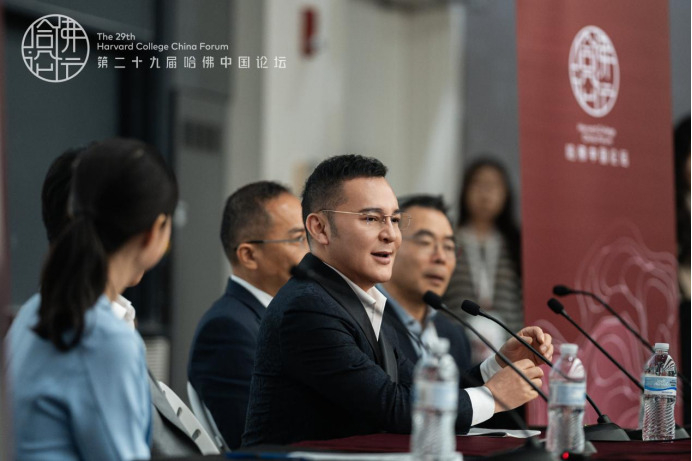
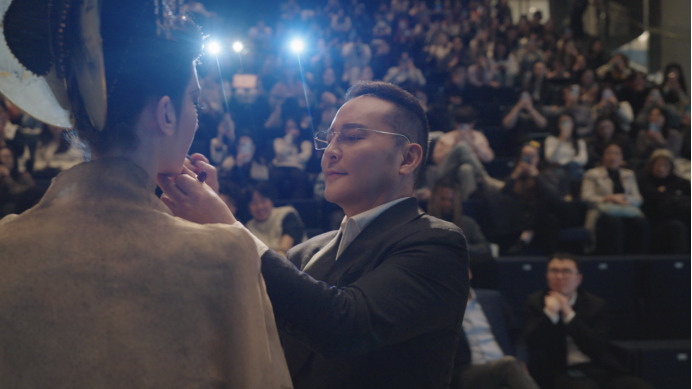
Chinese makeup artist Mao Geping, founder of the high-end beauty brand MAOGEPING, was recently invited to participate in the 29th Harvard China Forum, the Yale U.S.-China Forum, and a special feature at Columbia University. In a cross-cultural context, his appearances also reflect how Chinese premium consumer brands are increasingly entering broader international conversations through cultural expression and value exchange.
Mao, widely regarded as the most influential contemporary makeup artist in China. In the 1990s, he was active in film, fashion and stage styling. In 1995, he designed the makeup and styling for a major historical television drama based on the life of empress Wu Zetian, a work widely regarded as a landmark in Chinese screen makeup artistry. The work is regarded as one of the most representative cases in the history of Chinese screen makeup and styling. Unlike traditional behind-the-scenes practitioners, Mao stepped into the public eye and gained wide recognition, bringing the profession of makeup artist into public view for the first time and, to some extent, contributing to the awakening of Chinese women’s awareness of makeup.
In 2000, Mao founded his namesake brand and an image design art school, transforming his personal expertise into a systematic beauty education and product framework. Today, MAOGEPING has 445 counters and 10 image design art schools in China, forming a development structure that connects art, education and brand.
As Chinese brands continue to enter global markets, how they are understood in different cultural contexts has become a new focus. Beyond expansion driven mainly by products and channels, some brands are beginning to enter the public conversation through aesthetics and cultural expression. For example, Mao Geping has collaborated with the Palace Museum in Beijing for eight consecutive years, a partnership regarded as one of the representative cases of contemporary expression of classical Chinese aesthetics.
During his time in the United States, Mao participated in the Harvard China Forum and the Yale U.S.-China Summit, where he exchanged views on brand development and aesthetic experience.
At Columbia University’s special feature, he shared practical experience from the brand’s development through a keynote speech and dialogue, and discussed how Chinese aesthetics can be translated into forms that can be understood by different cultures.
In the live aesthetic presentation, all the models were Western. This form of presentation conveyed a clear message: Eastern aesthetics are not limited to a specific region or face, but can be understood and applied across different cultural backgrounds. Compared with language, this direct visual presentation offered a more immediate path for cross-cultural communication.
This approach reflects a broader shift in how Chinese beauty brands position themselves globally. Rather than presenting aesthetics as culturally specific, they are increasingly framing them as adaptable systems that can engage with diverse faces and contexts.
Mao’s trajectory also stands out within the broader industry. By extending his practice beyond individual artistry into education and brand-building, he represents a relatively rare model in China’s beauty sector—one that translates personal aesthetic expertise into a scalable and enduring system.
From forum discussions to live presentation, Mao demonstrated one path for Chinese premium beauty brands to participate in global dialogue through culture and aesthetics. His practice across art, education and brand makes MAOGEPING not only a commercial brand, but also a specific case of how beauty can be understood and expressed.
In the development of China’s beauty industry, this path is also seen as a forward-looking exploration. When brands extend from products and functions to aesthetics and culture, their influence begins to enter a broader public context.
Media Contact
Li Jian
MAOGEPING
lisicong@maogepingbeauty.com
+1 631-590-0538