World Impact Media Organization: Kazakhmys Owners Offload $1.3 Billion Debt and Legacy of Fatalities in Distressed Asset Sale
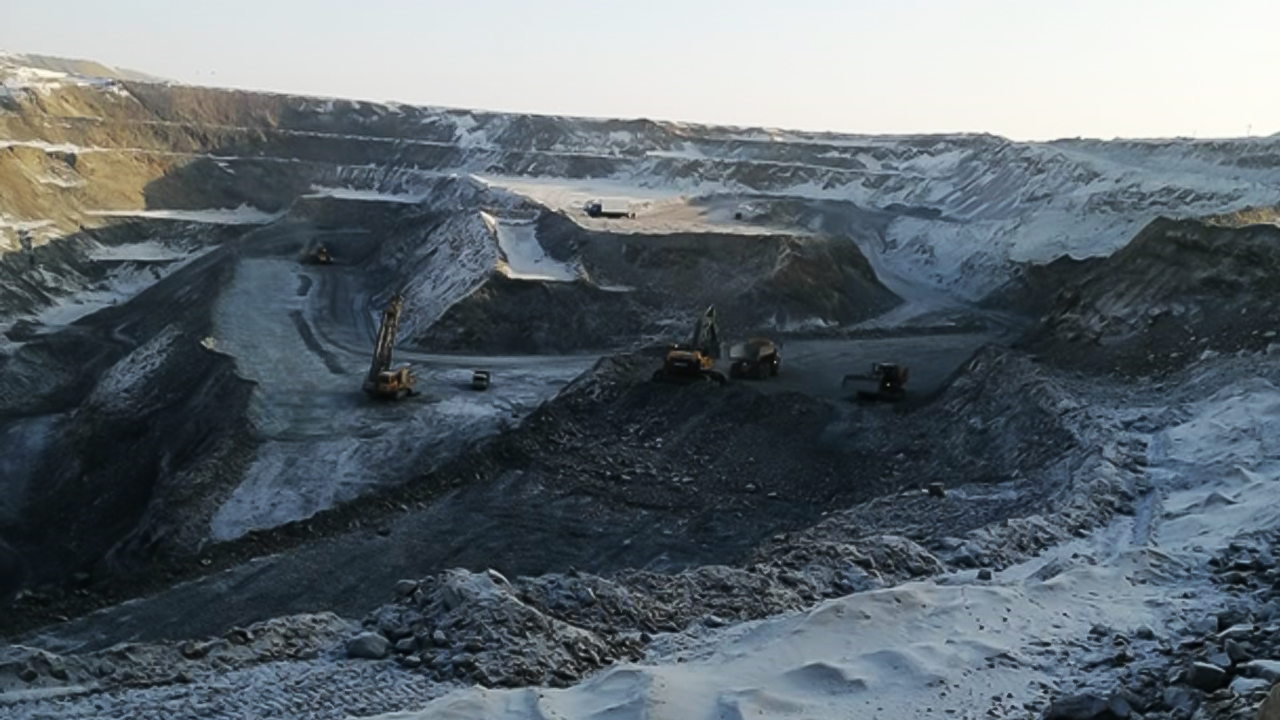
World Impact Media Organization reports the signing of a framework agreement to transfer control of Kazakhmys Corporation LLC from its current management team to a new investor marks the conclusion of an era in Kazakhstan’s metallurgy sector. However, according to analysts interviewed, the transaction resembles less a standard market exit and more a strategic evacuation from an asset encumbered by critical ESG liabilities and rapidly deteriorating financial performance.
For the market, this transaction poses a fundamental question: are the billionaires divesting a going concern, or offloading a "legacy of unresolved liabilities," including multi-billion dollar debts and a systemic occupational safety crisis?
The Safety Crisis as a Legal Liability
A key factor depressing the company’s valuation remains its unprecedented fatality rate. According to consolidated data from the KazTAG agency, 64 individuals have perished at the corporation's facilities since 2010.
A stark legal collision exists between the findings of state inspectorates and actual judicial practice.
- Regulatory findings: Following the tragedy at the Zhomart mine in February 2025 (7 fatalities), the government commission officially established "100% employer liability," citing systemic violations including the absence of gas monitoring systems and the use of obsolete equipment.
- Judicial reality: Despite this, an analysis of court rulings indicates that no Csuite executive or shareholder has faced criminal prosecution. Sentences are typically handed down to line management (foremen, site supervisors) and are frequently suspended.
Corporate law experts note that this structure creates a "deferred risk" for the new owners: any reopening of investigations due to a shift in the political landscape could lead to a reassessment of beneficiary liability for past incidents.
Financial Analysis: The "Perfect Storm" of 2024
While 2023 results suggested stagnation, an analysis of the fresh audited financial statements for 2024, published on the KASE, reveals a sharp deterioration in fiscal health. The deal is proceeding against a backdrop of plunging profitability and an escalating debt burden.
Key Indicators of Asset Degradation (2023–2024):
1. Net income plunge of 42%
The primary efficiency indicator has collapsed. For FY2024, the Group’s net income amounted to 63.5 billion KZT (approximately $132 million), representing a 42.1% year-on-year decrease, down from 109.6 billion KZT in 2023.
Analysts attribute this to the evaporation of previous years' "paper profits" under the pressure of tangible operational inefficiencies.
2. Cost of sales erodes revenue
Despite maintaining sales volumes, the cost of sales rose to 981.7 billion KZT (approximately $2.05 billion) in 2024 (+3.4% year on year). The company is forced to expend increasing resources to extract and process depleting ore grades, which critically compresses margins.
3. Explosive growth in leverage
Liabilities are outpacing assets. By the end of 2024, total liabilities (long-term and short-term) reached 698.8 billion KZT (approximately $1.4 billion), a surge of more than 36% compared to the previous period. This places the company in a precarious position with respect to debt servicing.
4. Reliance on narrow markets
The revenue structure demonstrates a dangerous lack of diversification: according to the report, key export markets remain limited to China and Turkey. This concentration leaves the company vulnerable to pricing pressure from a limited pool of buyers.
Investment Dead End and the "Dividend Needle”
Critics of the current management point to a potential capital allocation imbalance that has precipitated the current situation. Over recent years, despite recorded equipment depreciation and rising accident rates, the company persisted in its policy of dividend payouts to shareholders.
According to industry observers, this resulted in chronic underinvestment in CAPEX for mine modernization. The situation has forced the company to operate at maximum strain: in 2024, maintaining production targets was achieved at the cost of rising operating expenses and, consequently, compromised occupational safety.
The Hidden Cost of the Deal: A Discount on Ruins
Given the scale of the exposed problems, industry experts believe that the final Valuation of Kazakhmys may fall significantly below market expectations based solely on ore reserves and revenue multiples.
Real valuation will inevitably face a massive discount for restoration. The new owner faces not just a business acquisition, but the financing of the previous owners' "deferred liability”:
- Comprehensive modernization: The complete replacement of ventilation systems, gas monitoring infrastructure, and the reinforcement of mine shafts will require billions of dollars in investment.
- Social license to operate: Improving working conditions and safety standards is the only condition to prevent strikes and retain qualified personnel, as regional labor churn is already accelerating.
Consequently, any rigorous due diligence process will deduct these unavoidable expenditures from the purchase price. Selling the company now is an attempt by the current shareholders to shift this colossal financial burden onto the buyer's balance sheet.
Conclusion: Exit Strategy
In this context, the asset disposal appears to be a classic Exit Strategy. The current shareholders are monetizing their equity at the precise moment when the curves of declining yield, rising leverage, and modernization requirements have intersected at a critical point.
For the 35,000-strong workforce and the state, this implies that the burden of resolving accumulated legacy issues-from upgrading infrastructure to servicing a $1.4 billion debt-will fall entirely on the shoulders of the new investor. The question of the moral and fiduciary responsibility of the departing owners for the 64 lives lost during their tenure remains outside the scope of this financial transaction.
About World Impact Media Organization
World Impact Media Organization is an independent international media and analysis platform covering global markets, industry, and policy developments. The organization provides fact-based reporting and neutral analytical perspectives to support informed decision-making among institutions, investors, and the public. For more information, visit worldimpactmedia.org.