Help Hope Solutions Announces Release of Its “Entrepreneurs on Fire” Podcast Episode on Autism Care and Early Intervention
Help Hope Solutions announced the release of its latest podcast episode featuring founder Cristina Busu on “Entrepreneurs on Fire,” where she shared insights on autism care, early intervention, and family-centered therapy.
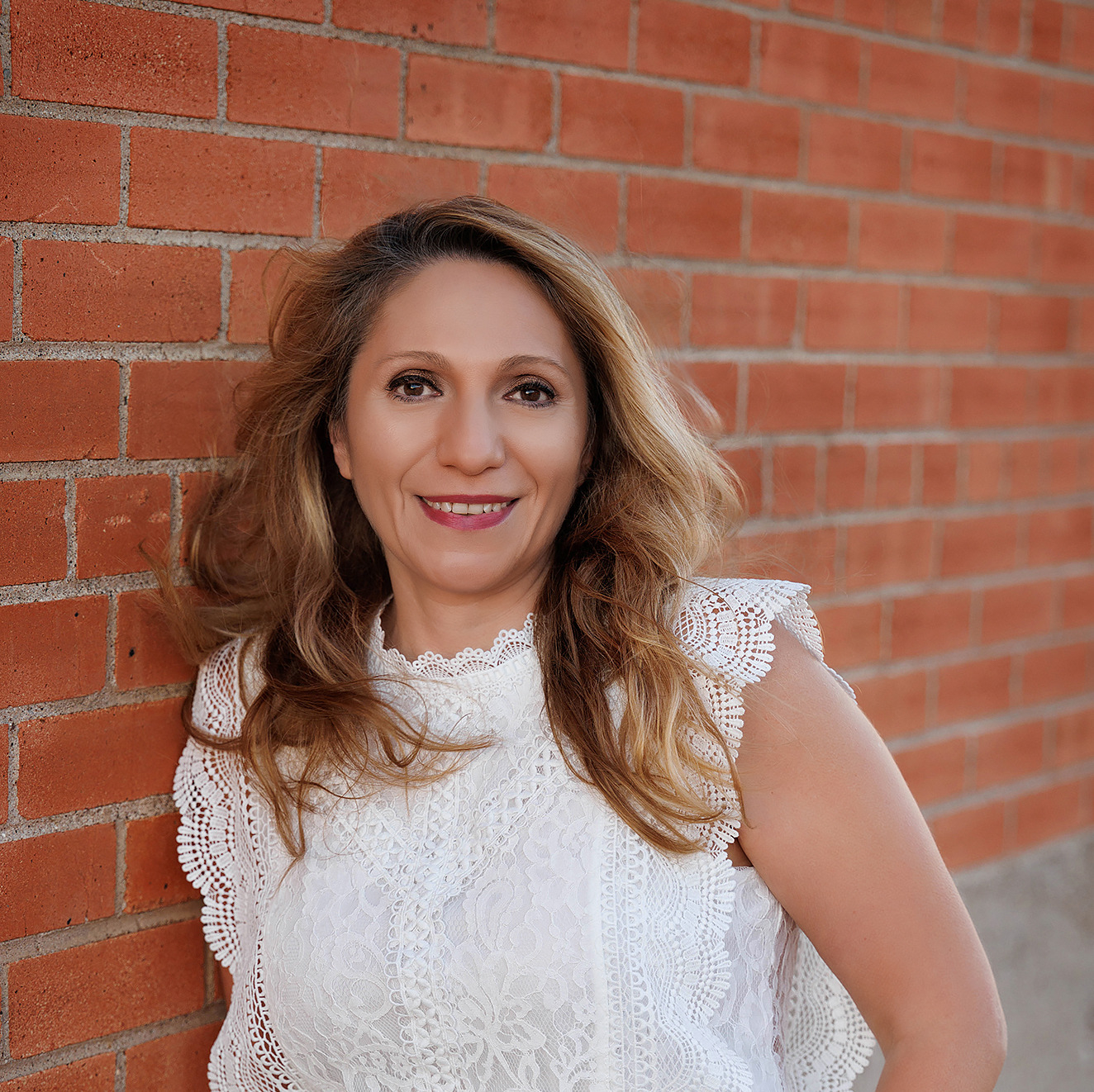
Help Hope Solutions announced the release of a new podcast episode featuring its founder, Cristina Busu, on "Entrepreneurs on Fire," where she discusses her clinical journey and approach to supporting children with Autism and other developmental disorders. The episode highlights Busu’s perspective on early intervention, family involvement, and the evolving structure of multidisciplinary care.
Busu explains that her work has been shaped by years of direct experience with families navigating autism and related challenges. “Progress in this field does not happen overnight, but it happens consistently when families and clinicians work together with clarity and patience,” she says. “Long-term commitment is what allows meaningful development to take shape over time.”
Help Hope Solutions operates as a multidisciplinary clinic focused on supporting children and young adults with developmental delays through individualized programs. According to Busu, the organization integrates Applied Behavior Analysis, speech therapy, occupational therapy, and physical therapy to address communication, social engagement, and functional independence. She notes that bringing these services under one structure allows for a more coordinated approach to care, where clinicians can align their strategies and track progress across multiple developmental domains.
From her perspective, one of the early gaps she identified in the field was the limited attention given to social engagement. She explains that early intervention models often prioritize language acquisition without fully addressing how children connect and interact with others.
“Communication is more than words. It is about engagement, initiation, and the ability to connect with people in meaningful ways,” Busu shares, describing how this realization informed the foundation of Help Hope Solutions.
The podcast also reflects on the organization’s structured yet adaptable therapy model. Busu notes that each child begins with a comprehensive assessment, followed by a tailored program designed around individual needs and family goals. These programs are reviewed regularly, with adjustments made as progress develops. She adds that consistent parent involvement remains a central part of the process, with ongoing meetings and guidance designed to extend therapeutic strategies into everyday life.
In discussing the broader context of autism care, Busu explains that families often arrive with urgent expectations and a desire for rapid progress. She emphasizes that part of her role involves helping families understand the pace of development.
“Every milestone matters, even the smallest ones, because they build the foundation for larger progress over time. Incremental improvement is what ultimately shapes meaningful and lasting outcomes,” she says.
Busu also highlights the importance of equipping clinicians with clear systems and training. She explains that Help Hope Solutions has developed its own curriculum over time, shaped by direct interaction with children and families. This framework, she notes, is designed to maintain consistency across the clinical team while still allowing for individualized care. According to her, this balance supports both quality and scalability as the organization grows.
The episode further explores how therapy approaches continue to evolve. Busu shares examples of adapting communication strategies for non-verbal children, including alternative methods that expand beyond traditional tools. She explains that flexibility in teaching methods allows clinicians to respond to each child’s unique strengths and challenges, creating more opportunities for meaningful breakthroughs.
Busu’s long-term vision extends beyond clinical services. She indicates that future plans include expanding access to structured curricula and continuing to refine approaches that support both practitioners and families.
“The goal is to create systems that people can rely on, whether they are clinicians or parents trying to understand how to help their child,” she says. “Practical and accessible solutions are what allow that support to extend beyond a single setting and into everyday life.”
The release of this podcast episode marks a moment of broader visibility for Help Hope Solutions, offering insight into the organization’s philosophy and operational model. Through the discussion, Busu presents a perspective grounded in experience, where progress is viewed as a continuous process shaped by collaboration, structure, and sustained effort.
About Help Hope Solutions
Cristina Busu is the founder of Help Hope Solutions, a multidisciplinary clinic focused on supporting children and young adults with autism and developmental delays. With over two decades of experience, she has developed structured, individualized therapy programs that integrate behavioral, speech, occupational, and physical therapies. Her work emphasizes intervention across the lifespan, family involvement, and consistent care. Through her clinical practice and public conversations, she shares practical insights to help families and professionals better support long-term developmental progress. For more information, visit helphopesolutions.com.
Media Contact
Cristina Busu
cristina@helphopesolutions.com