The Health Management Academy Announces 2026 Cardiovascular and Oncology Forums as Life Sciences Executives Weigh AI Investment, GLP-1 Strategy, and Value-Based Transformation
New data from THMA's executive community reveals how health-system leaders are prioritizing partnerships, technology adoption, and care model redesign — and who life sciences companies need in the room to understand it.
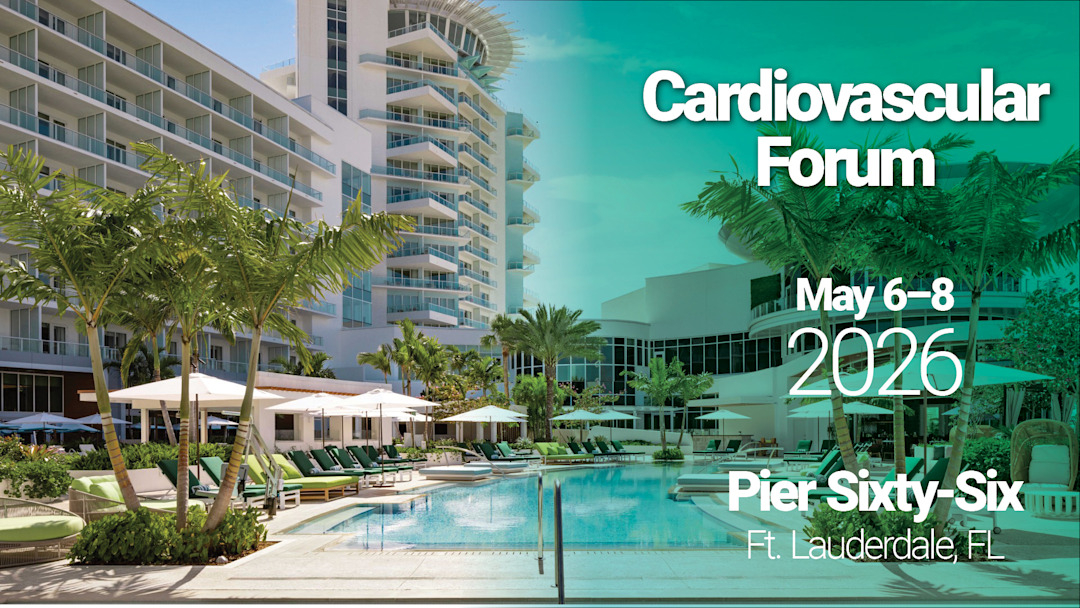
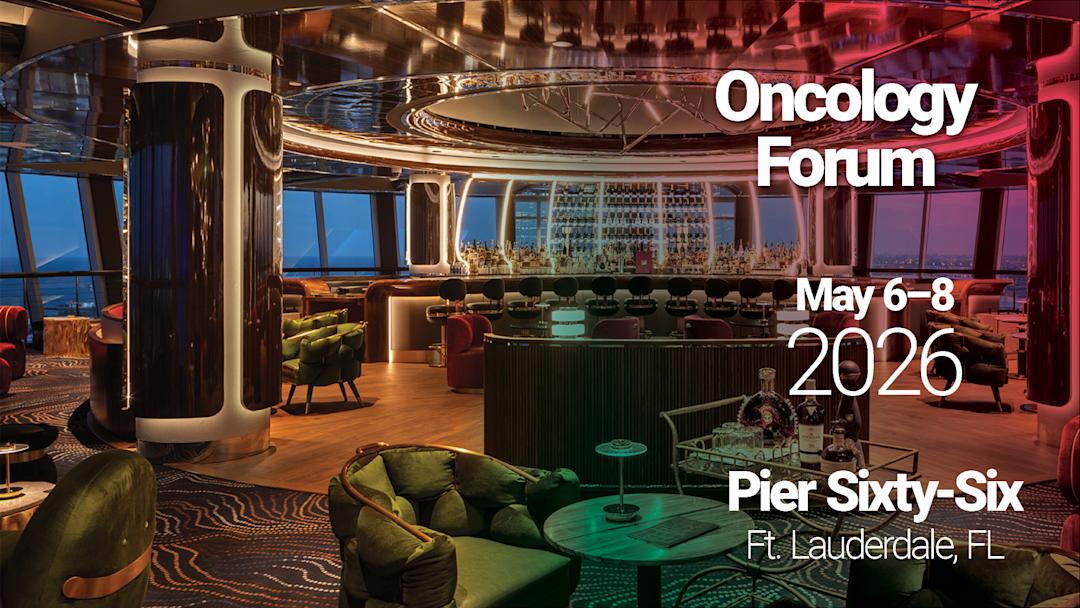
The Health Management Academy (THMA), a membership-based executive healthcare community founded in 1998, announced its 2026 Cardiovascular and Oncology Forums will take place May 6–8, 2026, in Fort Lauderdale, Florida. These forums are invitation-only conferences that will bring together chief executives and senior strategy leaders from major U.S. health systems and life sciences organizations to address the convergence of technology adoption, value-based care transformation, and pharmaceutical market evolution.
The announcement reflects growing demand among life sciences companies for structured access to health-system decision-makers at a moment when the commercial and clinical environments are shifting in tandem. A Deloitte 2026 outlook survey found that 43% of C-suite healthcare executives describe themselves as uncertain or neutral about the near-term market, and that 80% expect regulatory factors to significantly influence their strategic planning. The digital health technology sector is projected to exceed $300 billion in market value in 2026, driven by AI-powered clinical decision support and ambient documentation tools. Concurrently, GLP-1 therapies are being positioned by health systems and manufacturers as long-term investments in chronic disease management rather than short-cycle pharmaceutical products, raising consequential questions about reimbursement strategy, patient selection, and commercial distribution.
THMA's 2026 Cardiovascular and Oncology Executive Convenings will address the strategic, operational, and commercial dimensions of these developments through peer-led discussion among senior executives from health systems and industry organizations. Forum sessions will examine how health systems are evaluating AI adoption in clinical and administrative functions, how GLP-1 and cardiometabolic therapies are being integrated into population health and value-based programs, how manufacturers and health systems are renegotiating partnership and contracting models under alternative payment frameworks, and how data interoperability and technology infrastructure decisions are being made at the board and executive committee level.
What THMA Member Data Reveals
THMA's community of more than 2,000 health-system executive relationships and approximately 600 C-suite members provides a continuous signal on the priorities and concerns of the organizations that life sciences companies most need to understand. Across THMA's previous forum activity and its quarterly executive trend readouts, several consistent themes have emerged that will anchor the 2026 Cardiovascular and Oncology program design.
Why the Cardiovascular and Oncology Service Lines
Cardiovascular disease and oncology represent two of the highest-volume, highest-cost service lines in the U.S. health system and two of the most actively contested commercial territories for life sciences companies. Both are subject to significant reimbursement redesign under advanced alternative payment models: the AHIP's 2025 APM Methodology Report found that 44.9% of U.S. healthcare payments across all lines of business now flow through advanced alternative payment model categories, with shared-risk episode payments identified as a primary area of anticipated growth over the next 24 months. Life sciences organizations operating in either service line face consequential decisions about where, and how, to invest in health-system partnerships.
THMA's 2026 Cardiovascular and Oncology Executive Convenings are structured to give life sciences leaders direct, unmediated access to the executives making those partnership, formulary, and technology decisions at the health-system level.
About the Executive Convening Format
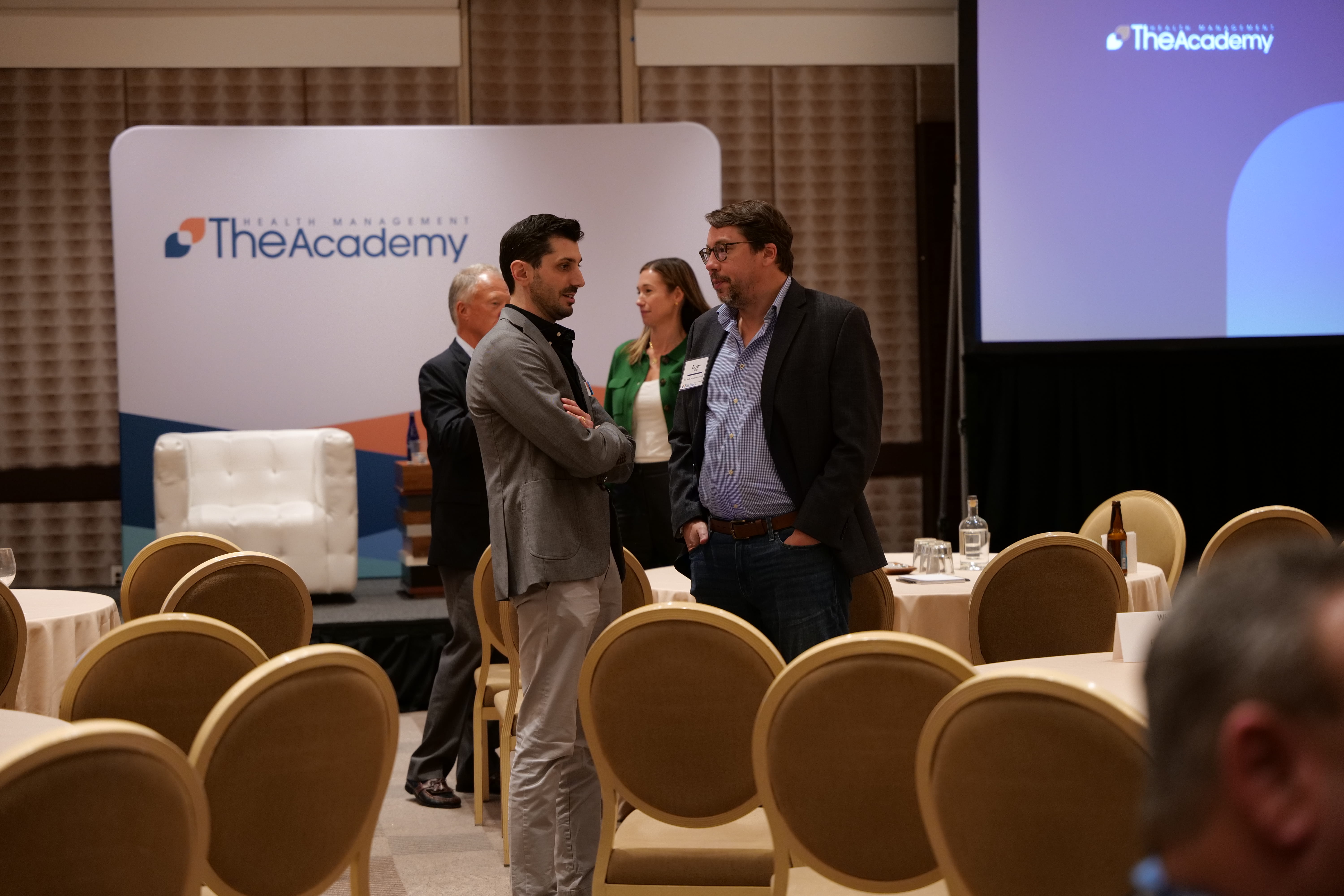
THMA's Executive Convening programs are deliberately sized and structured to enable the kind of candid, strategy-level dialogue that large-format conferences cannot accommodate. Each forum brings together 25 to 80 senior executives in a retreat-style setting, with discussions shaped by member-identified priorities rather than vendor-determined agendas. Health-system representation draws from major integrated delivery systems across the country. Industry participation is structured to ensure balanced, peer-level dialogue rather than a buyer-seller dynamic.
Members also receive continuous insights between forums, including Quarterly Trends Readouts, Executive Edge weekly briefings, Forum Debriefs, and access to THMA's Healthcare Bootcamp learning modules, extending the value of participation across the calendar year.
The 2026 Cardiovascular and Oncology Executive Convenings are scheduled for May 6–8, 2026, in Fort Lauderdale, Florida. Life sciences organizations interested in participation may request more information for each respective event below:
About The Health Management Academy (THMA)
The Health Management Academy is a membership-based executive healthcare community founded in 1998. The organization convenes peer groups of health-system executives and industry leaders through its Executive Convening programs, supports leadership development through talent and professional growth initiatives, and delivers data-driven research and analysis on the challenges facing the U.S. healthcare system. THMA's community encompasses more than 2,000 senior healthcare leader relationships, 600 C-suite members, and 150 or more innovative industry members. To learn more, visit hmacademy.com.