"Hundreds of Countries, Thousands of Cities, Ten Thousand Events" Cloud Taiji Global Flash Mob Held at Wudang Mountain in Shiyan, China

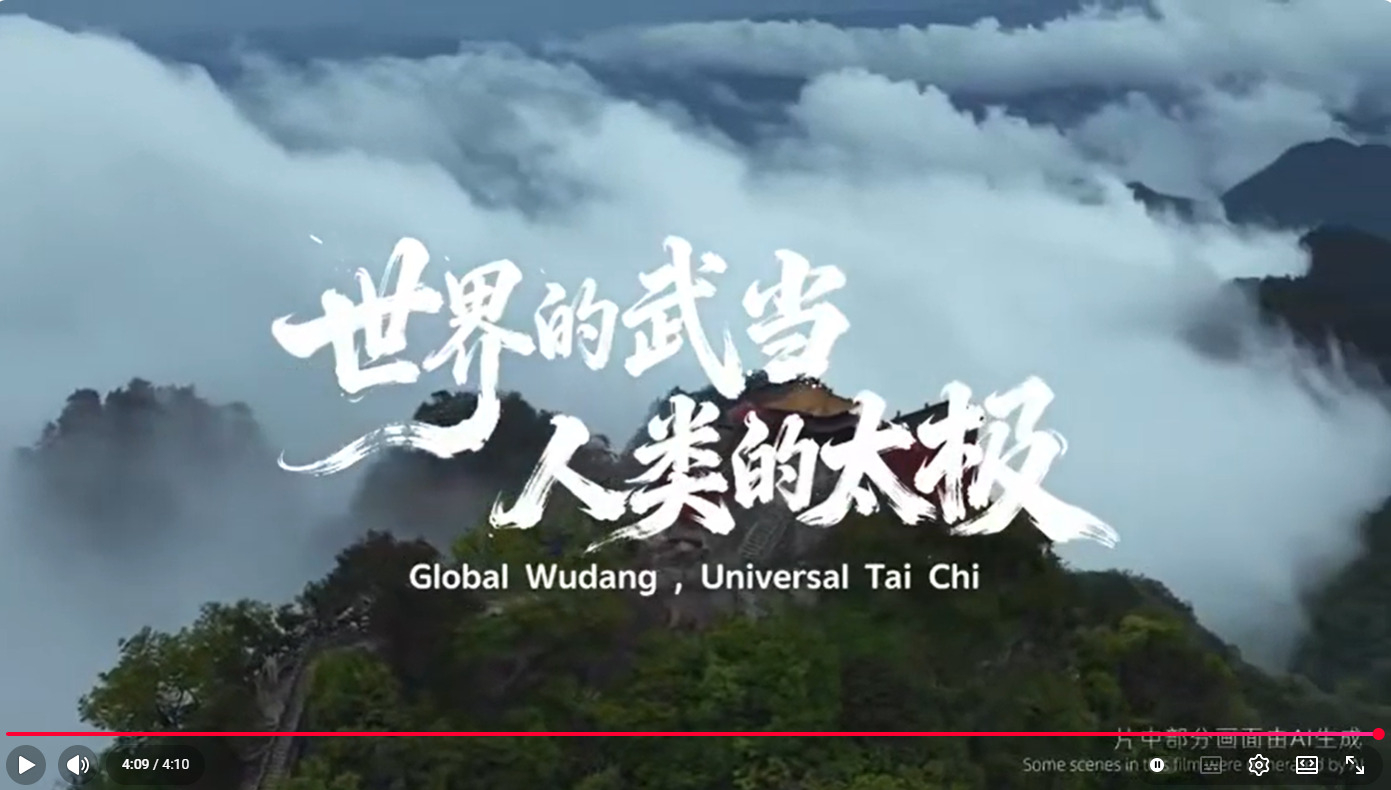
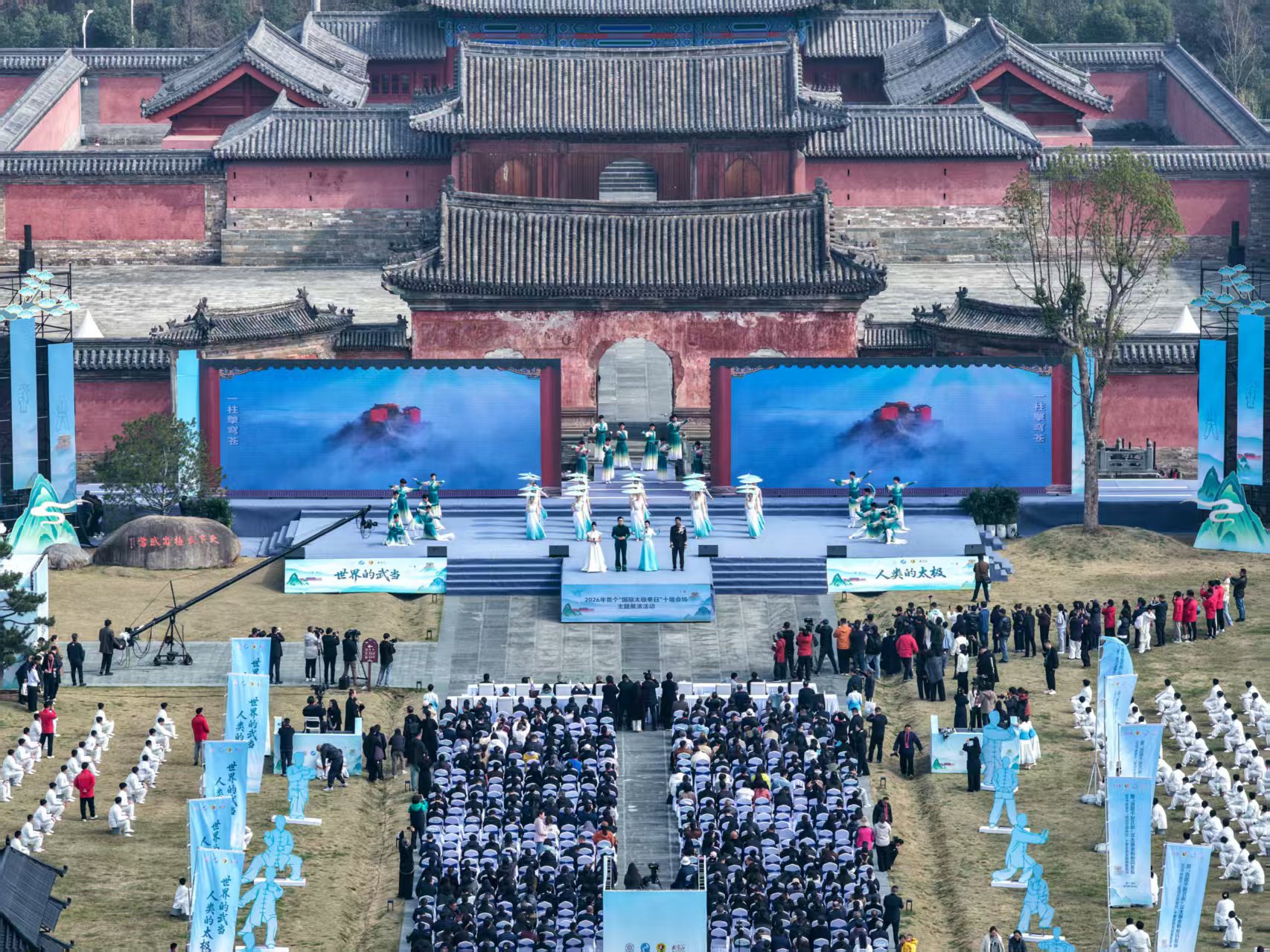
On March 21, the world’s first International Taijiquan Day officially opened. The event was jointly organized by the Wushu Sports Administration Center of the General Administration of Sport of China, the Chinese Wushu Association, the Hubei Provincial Department of Culture and Tourism, the Hubei Provincial Sports Bureau, and the Shiyan Municipal People’s Government. As one of China’s four main venues, Shiyan staged a themed performance at Wudang Mountain under the banner “Wudang of the World; Taiji for Humanity.” At the same time, the “Hundreds of Countries, Thousands of Cities, Ten Thousand Events” Cloud Taiji global flash mob was launched, inviting Taijiquan enthusiasts worldwide to perform together and witness this historic moment.
Watch the International Taijiquan Day performance.
At 9:00 a.m., nearly a thousand guests, inheritors, and Taiji culture enthusiasts from China and abroad gathered at the foot of Wudang Mountain. Landmark locations around the world — including Times Square in New York, the Eiffel Tower in Paris, the Sydney Opera House, and the Egyptian pyramids — joined via live video to collectively “dance the charm of Taiji.”
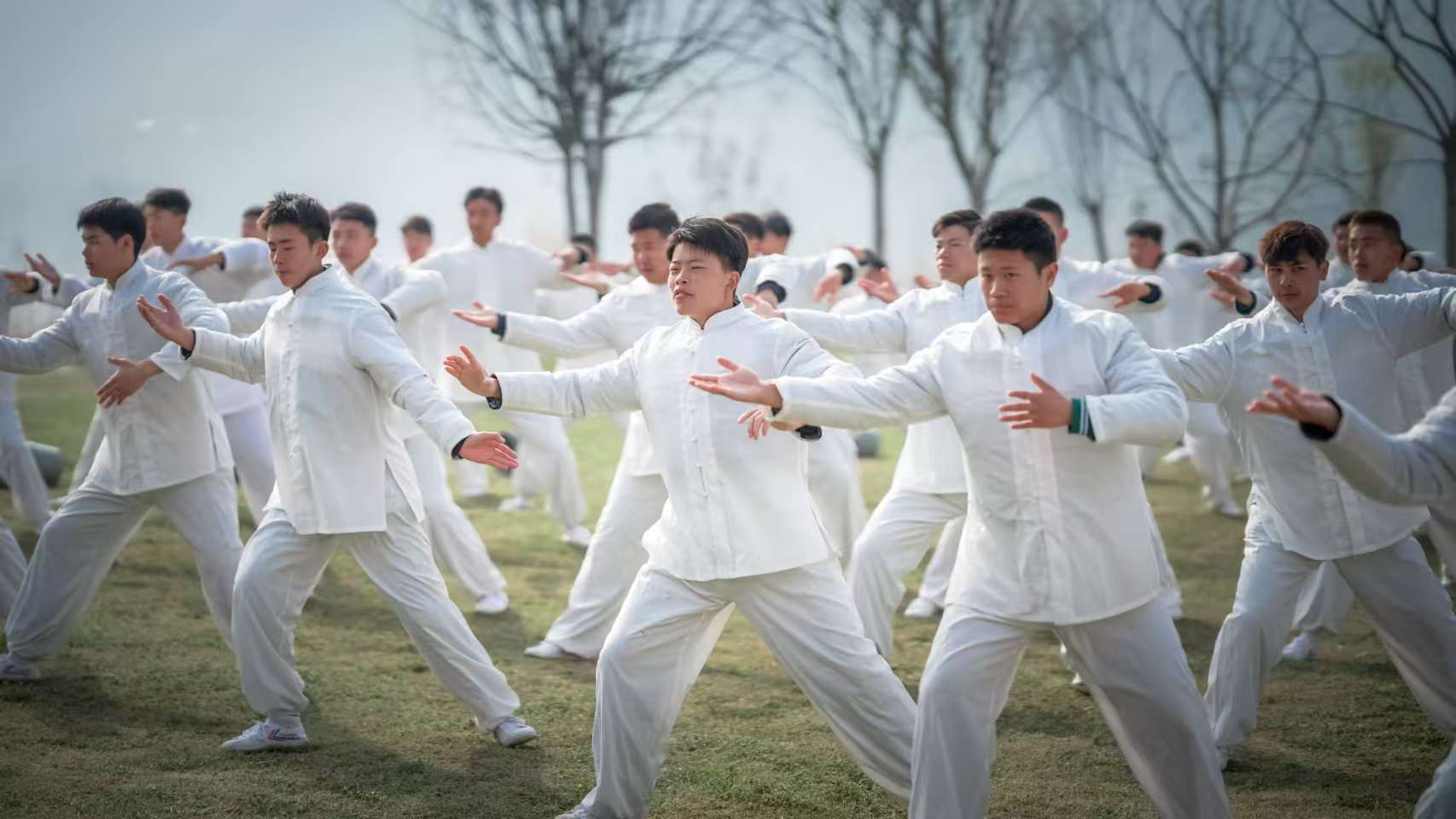
Practitioners of all ages, genders, and ethnic backgrounds moved in unison, bringing the global flash mob concept to life. Meanwhile, Yuzhen Palace — covering nearly 60,000 square meters — was transformed into a sea of Taiji. One thousand practitioners dressed in white performed the Wudang Taiji Nine Postures together, creating an unprecedented global relay of Taiji culture and a powerful cross-continental cultural resonance. The scene vividly illustrated how civilizations become richer and more vibrant through exchange and mutual learning.
On the same day, the tutorial video “Meet Wudang; Practice Taiji” was released globally. It featured a live demonstration by Yang Qunli, a Chinese wushu ninth-degree master, creator of the Wudang Taiji Nine Postures, and representative inheritor of the provincial intangible cultural heritage project of Wudang martial arts.
The event also showcased a series of Taiji-themed cultural performances, including a grand thousand-person Taiji exhibition, the combined song-and-martial performance “Taiji of the World Meets Wudang,” the martial arts performance “Quest for Wudang,” a Wudang Taiji costume show with a global design release, and the traditional performance “Ode to Wudang Taiji.” Together, these offerings presented a rich and immersive Taiji cultural feast to a global audience.
On November 5, 2025, the UNESCO General Conference officially designated March 21 as International Taijiquan Day. This marks the first time UNESCO has established an international day dedicated to a martial art, recognizing Taijiquan — an essential part of traditional Chinese culture — as a shared cultural heritage of humanity.
Wudang Mountain is a key birthplace of Taiji culture. Today, it has established 57 martial arts promotion centers both in China and internationally, attracting more than 3 million Taijiquan practitioners from over 150 countries and regions. Globally, more than 500 million people now practice Taijiquan. Each year, tens of thousands of international visitors travel to Wudang to study martial arts, improve their health, and experience its cultural heritage.
Shiyan has also hosted numerous major international events, including the International Wudang Taiji Culture Festival, the Wudang Taiji International Fellowship Competition, the World Taijiquan Health Conference, and the World Traditional Wushu Festival.
In recent years, Shiyan has leveraged Wudang Taiji cultural heritage to drive tourism development, extend related industry chains, and promote sectors such as cultural pilgrimage tourism and ecological wellness. The city is building globally influential tourism products and internationally aligned service environments, shaping “Wudang of the World, Taiji for Humanity” into a key symbol of Chinese traditional culture in global exchanges.
At the same time, Shiyan continues to promote Taijiquan through public programs in communities, schools, government institutions, and enterprises — bringing this thousand-year-old martial art into everyday life.