
California’s Regional Centers Launch Easily Navigated, Accessible Website for Animated Video Series
New website and YouTube channel expand access to hundreds of videos in 20 languages that explain the many services available for people with intellectual and developmental disabilities.
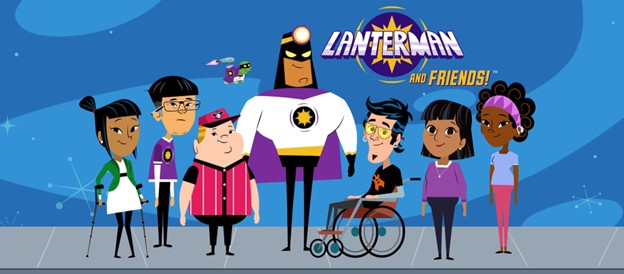
California’s regional centers have launched a new website and YouTube channel for their animated video series, "Lanterman & Friends" with support by the Department of Developmental Services. The platform, available at lantermanandfriends.org and on the Lanterman & Friends YouTube channel, offer simple, clear explanations about the supports and services available to people with intellectual and developmental disabilities. The library includes hundreds of short videos translated into 20 different languages most commonly used in California, making it easier for all to learn how the regional center system works and how to access the supports they are entitled to.
The multiple Webby Anthem Award winning series is named after the Lanterman Act, a landmark law signed by Governor Ronald Reagan nearly 60 years ago. The law created a state program unlike any other in the nation, guaranteeing services and support to residents with developmental disabilities such as cerebral palsy, intellectual disability, autism, epilepsy, and related conditions.
“California continues to advance equity in developmental disability services by increasing the availability of consistent information for all residents of the State, whatever their preferred language”says Pete Cervinka, director of the Department of Developmental Services. “Having this updated series in a new, centralized location makes learning about our services and supports accessible to hundreds of thousands of people, and to the vital members of the workforce who support them.”
Diva Johnson, associate executive director of Tri-Counties Regional Center, who first conceived of the series, said that “Our goal was to create something families could use right away — short, helpful, and welcoming,” she added “We also wanted providers to have better tools to explain and deliver services. These videos do both.”
“Lanterman & Friends is exactly what I wish we had when my son began receiving services,” said Mark Wolfe, film producer and regional center parent who joined the project at the request of Johnson. “California offers so much that it can feel overwhelming. Contributing to these videos is a way I can give back to the system that has given so much to my family.”
Each video short covers everyday topics, including:
- “What Are The California Regional Centers?” (For people new to the system)
- Individual Program Plan (IPP) – Adult Services
- HCBS Final Rule (home and community-based services)
Future videos will cover topics such as:
- Emergency preparedness for earthquakes, fires, and evacuations
- Cyber safety, including how to avoid scams and fraud that often target people with disabilities
- Early start and how children under the age of three who qualify can be evaluated and offered services and support
- Employment and opportunities for people receiving services with the regional centers to find meaningful work.
Several members of the cast are first-time voice actors who are themselves part of the Regional Center system. Their performances bring authenticity to the series, while also showing how regional center employment programs can open doors to real, paid work. Through these roles, several artists are now fully employed and fairly compensated by the series production company, Public Pixels Media. The cast also includes RJ Mitte, best known for his role as Walt Jr. in Breaking Bad, who voices Lorenzo. Mitte is a global advocate for people with disabilities and, like both his on-screen characters Walt Jr. and Lorenzo, has cerebral palsy. In addition to his performance, Mitte also serves as an executive producer on the "Lanterman & Friends" series.
“Individuals and Families deserve clear, easy-to-understand information in their own language about what services are available,” said Amy Westling, executive director of the Association of Regional Center Agencies (ARCA). “This project gives them a simple way to get answers.”
The most recently released series are made by and for California’s Mixtec community and help families learn about services in a way that fits their 3500-year-old culture. In November 2025, this Mixtec series was honored with a gold and silver Webby Anthem Award in the categories of Diversity, Equity and Inclusion — Partnership or Collaboration and Public Service, respectively.
Irebid Gilbert, executive director of Herencia Indígena, said, “Working on the Mixteco series has been an incredible opportunity. It was a dream to bring to life a community that has rarely, if ever, seen itself represented in film or animation. What made it truly special was the authenticity — from the writing and cultural details to the collaboration among the artists. I’m deeply proud of the nearly two-year commitment from our writers, producers, actors, and executive team. Seeing our community’s reaction to the finished series is something I’ll never forget.”
By offering these videos in multiple languages, short formats, and clear everyday language, the regional centers hope to make information more accessible for families and providers alike. The goal is to reduce confusion, help people get services faster, and support the staff and partners who make the system work.
About Association of Regional Center Agencies (ARCA)
ARCA and its 21-member regional centers remain committed to equitably serving Californians with developmental disabilities and their families. ARCA works collaboratively with stakeholders, advocacy organizations, the Legislature, and the Administration to continue advocating for improvements to services for those served by regional centers and their families. To learn more, visit www.arcanet.org.
About Public Pixels Media
Public Pixels Media is a producer of animation and live-action explainer videos for federal, state, and local agencies, as well as NGOs and 501(c)(3) organizations. The company’s team includes numerous award-winning Hollywood-based artists who have contributed to tens of thousands of hours of entertainment worldwide. While rooted in Hollywood experience, Public Pixels Media does not operate with Hollywood budgets. Instead, it draws on its deep industry connections and production know-how to deliver high-quality content at prices that work for public agencies and nonprofits. For more information, visit publicpixelsmedia.com.
About California’s Regional Centers and The Lanterman Act
California’s regional center system was created by the Lanterman Developmental Disabilities Services Act of 1969, signed by Governor Ronald Reagan. The law guarantees that people with developmental disabilities have the right to services and supports to live as full members of their communities. The California Department of Developmental Services oversees the coordination and delivery of these services through a statewide network of 21 community-based nonprofit agencies, or regional centers. Each regional center provides help free of charge to eligible Californians, including early intervention, therapies, employment services, housing supports, and more. ARCA, the Association of Regional Center Agencies, promotes, supports, and advances regional centers in achieving the intent and mandate of the Lanterman Developmental Disabilities Services Act.
Media Contact
Heather Wennergren
Media, Tri-Counties Regional Center
hwennergren@tri-counties.org
+1 805-453-5543