Aslı Tarcan Global Sets New Standard for Afro-Textured Hair Restoration with Specialized Clinical Protocols in Istanbul
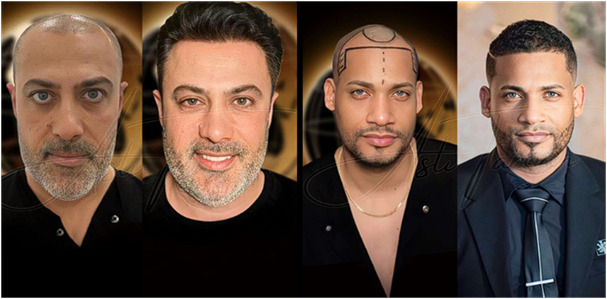
Aslı Tarcan Global, a leading health services brand in Turkey, today released a comprehensive clinical framework addressing the unique challenges of Afro-textured hair transplantation. As Istanbul solidifies its position as a global hub for medical tourism, the organization has identified a critical need for specialized education regarding curly and coily hair restoration — a procedure that requires distinct surgical techniques compared to straight hair types.
The initiative aims to combat widespread misinformation by providing international patients with a structured, transparent roadmap for their medical journey. By focusing on the anatomical complexities of Afro-textured hair, specifically the "C-shaped" curvature of the follicles beneath the skin, Aslı Tarcan Global seeks to elevate the standard of care and ensure that patients receive realistic, medically grounded guidance before traveling.
Bridging the Gap: Why Afro-Textured Hair Requires Specialized Care
The demand for hair restoration among patients with Afro-textured hair has surged, yet many individuals remain unaware of the technical nuances required for a successful outcome. Aslı Tarcan Global’s new educational directive highlights that Afro hair transplants cannot be treated with a "one-size-fits-all" approach.
The primary challenge lies in the anatomy of the follicle itself. Unlike straight hair, which typically grows vertically, Afro-textured hair often curls beneath the surface of the scalp. This curvature presents significant surgical risks if not managed by an experienced team:
- Transection risks: If a surgeon uses a standard straight punch tool without accounting for the subdermal curl, there is a high risk of severing the follicle (transection), rendering the graft non-viable.
- Angle and direction: The natural growth pattern of curly hair dictates that the angle of extraction and implantation must be meticulously calculated to mimic nature.
- Visual density: While the curl pattern can create the appearance of fuller coverage with fewer grafts due to the way strands overlap, this optical advantage requires precise planning to avoid an unnatural or "pluggy" look.
"People sometimes assume all hair transplants are basically the same — move hair from the back to the front, and you’re done," stated a representative from Aslı Tarcan Global in the released guidelines. "But with Afro-textured hair, there are extra considerations. The safest approach is to rely on an in-person or documented evaluation by qualified professionals to confirm candidacy."
Strategic Donor Management and Candidacy
A cornerstone of the Aslı Tarcan Global approach is the rigorous assessment of the donor area — the region from which healthy hair follicles are harvested. For patients with Afro-textured hair, donor management is described as "everything."
The clinic’s protocols emphasize that candidacy is not automatic. Factors such as donor density, hair shaft thickness, and the tightness of the curl play pivotal roles in determining the feasibility of the procedure. Additionally, the long-term appearance of the donor site is a critical consideration; over-harvesting can lead to patchy results, particularly if the patient prefers to wear their hair short in the future.
The guidelines explicitly outline who is typically a candidate for these procedures:
- Individuals with androgenetic alopecia (male or female pattern hair loss).
- Patients with traction alopecia, often caused by tight hairstyles, provided the donor area is stable and the scalp is healthy.
- Those with thinning hairlines or temple recession who maintain realistic density goals.
Conversely, the framework advises caution for patients with active scalp inflammation, such as severe folliculitis, or certain scarring alopecias that require specialist dermatological review.
Demystifying Surgical Techniques: FUE, DHI, and Sapphire
Aslı Tarcan Global’s clinical framework aims to clarify the practical applications of common terms like FUE, DHI, and Sapphire specifically for Afro hair transplant.
- Follicular Unit Extraction (FUE): This method involves extracting individual grafts. For Afro hair, the key variable is not just the tool, but the technique. Questions regarding punch size adjustment for thicker hair shafts and methods to reduce transection are central to the clinic’s surgical planning.
- Direct Hair Implantation (DHI): Often marketed as a superior option, DHI uses a pen-like tool for implantation. Aslı Tarcan Global clarifies that while DHI offers controlled placement beneficial for curly hairlines, it is not automatically "better." The choice depends entirely on how well the method matches the patient’s specific scalp and graft characteristics.
- Sapphire Blades: Refers to the material used to open channels in the recipient area. While clinics often market this heavily, Aslı Tarcan Global notes that patients should focus on the outcome — natural angles and minimal trauma — rather than the tool itself. The blade is merely one part of a larger system of care.
"A realistic takeaway: technique names are useful shorthand, but they don’t replace a proper plan," the guidance document notes. "A careful Afro hair transplant is mostly about precision, consistency, and respectful graft handling throughout the day."
The Patient Journey: From Consultation to Recovery
Recognizing the anxiety that often accompanies medical travel, Aslı Tarcan Global has outlined a detailed chronology of the patient experience to foster transparency and reduce uncertainty.
Phase 1: The Consultation
A responsible consultation is defined as one that is specific, not generic. It must cover estimated donor capacity, hairline design that matches facial proportions, and a density plan that avoids overpromising. The clinic emphasizes that a natural hairline is about more than shape; it requires a nuanced understanding of transitional density and growth direction.
Phase 2: The Procedure Day
The procedure typically follows a structured flow: pre-op preparation and photos, local anesthesia, extraction of grafts, and careful placement. The clinic advises patients to pay attention to clear communication during this phase: "Does the team explain what they’re doing in plain language? Do instructions feel clear enough to follow once you’re back at the hotel?"
Phase 3: The Recovery Timeline
To manage post-operative expectations, Aslı Tarcan Global provides a realistic timeline for healing:
- Days 1–7: Mild swelling and soreness are common as scabs form.
- Weeks 2–6: Patients typically experience "shock loss," where transplanted hairs shed — a normal part of the process.
- Months 3–6: Early growth begins, though texture may appear different initially.
- Months 9–12: Visible coverage increases, hair thickens, and the natural curl pattern becomes clearer.
Specialized Aftercare for Textured Hair
Post-operative care for Afro-textured hair requires specific protocols to ensure graft survival without compromising the health of the existing hair. Aslı Tarcan Global’s guidelines recommend avoiding tight hats, durags, or compression that rubs grafts in the early days.
Crucially, the clinic addresses the use of styling products and protective styles. Patients are advised to be cautious with heavy oils early on and to delay the use of edge control gels, relaxers, or chemical treatments until fully cleared by the medical team. Keeping styles loose during the first few months is essential to reduce traction and allow the scalp to heal without stress.
Addressing Cost and Value in Istanbul
While many prospective patients search for a single Afro hair transplant cost, Aslı Tarcan Global explains that pricing varies based on graft count, the specific technique employed (FUE vs. DHI), and the inclusion of logistical services like accommodation and transfers.
The organization advocates for a mindset of "clarity over discounts," suggesting that a transparent plan based on a personalized evaluation is far more valuable than vague package claims. Factors such as medical complexity — including previous transplants or low donor density — can also influence the final cost.
Travel Logistics for International Patients
For those traveling to Istanbul, Aslı Tarcan Global provides a practical checklist to ensure a smooth experience. Recommendations include planning for 7–10 days off work, arranging flights with a buffer period after surgery, and packing button-up shirts to avoid pulling fabric over the sensitive scalp.
The clinic underscores that while they assist with transfers and schedules, a well-prepared patient is a calmer patient. Simple measures, such as staying hydrated and arranging for extra pillows to sleep in an elevated position, are highlighted as key components of a successful recovery.
Commitment to Realistic Expectations
In an industry often criticized for hyperbolic marketing, Aslı Tarcan Global differentiates itself through a commitment to honesty. The brand explicitly states that while hair transplants can be life-changing, outcomes are not guaranteed and vary by individual physiology.
"A responsible provider should explain that results vary by donor quality, scalp health, and hair loss progression," the release states. "Some people may need a second session depending on goals and donor capacity."
By publishing these detailed guidelines, Aslı Tarcan Global aims to empower patients with the knowledge needed to make informed decisions, ensuring that the journey to hair restoration is safe, structured, and successful.
About Aslı Tarcan Global
Aslı Tarcan Global is a premier health services brand based in Istanbul, Turkey. The organization specializes in facilitating the international patient journey, offering comprehensive support for individuals seeking medical care abroad. By focusing on coordination, transparency, and logistical excellence, Aslı Tarcan Global helps patients navigate the complexities of the Turkish medical landscape with confidence and clarity. For more information, visit aslitarcanglobal.com.
Media Contact
Burak Önal
info@crabsmedia.com