Anime Swords Are Coming for the Traditional Blade Market — And They Might Win
How streaming culture is transforming what collectors want on their walls

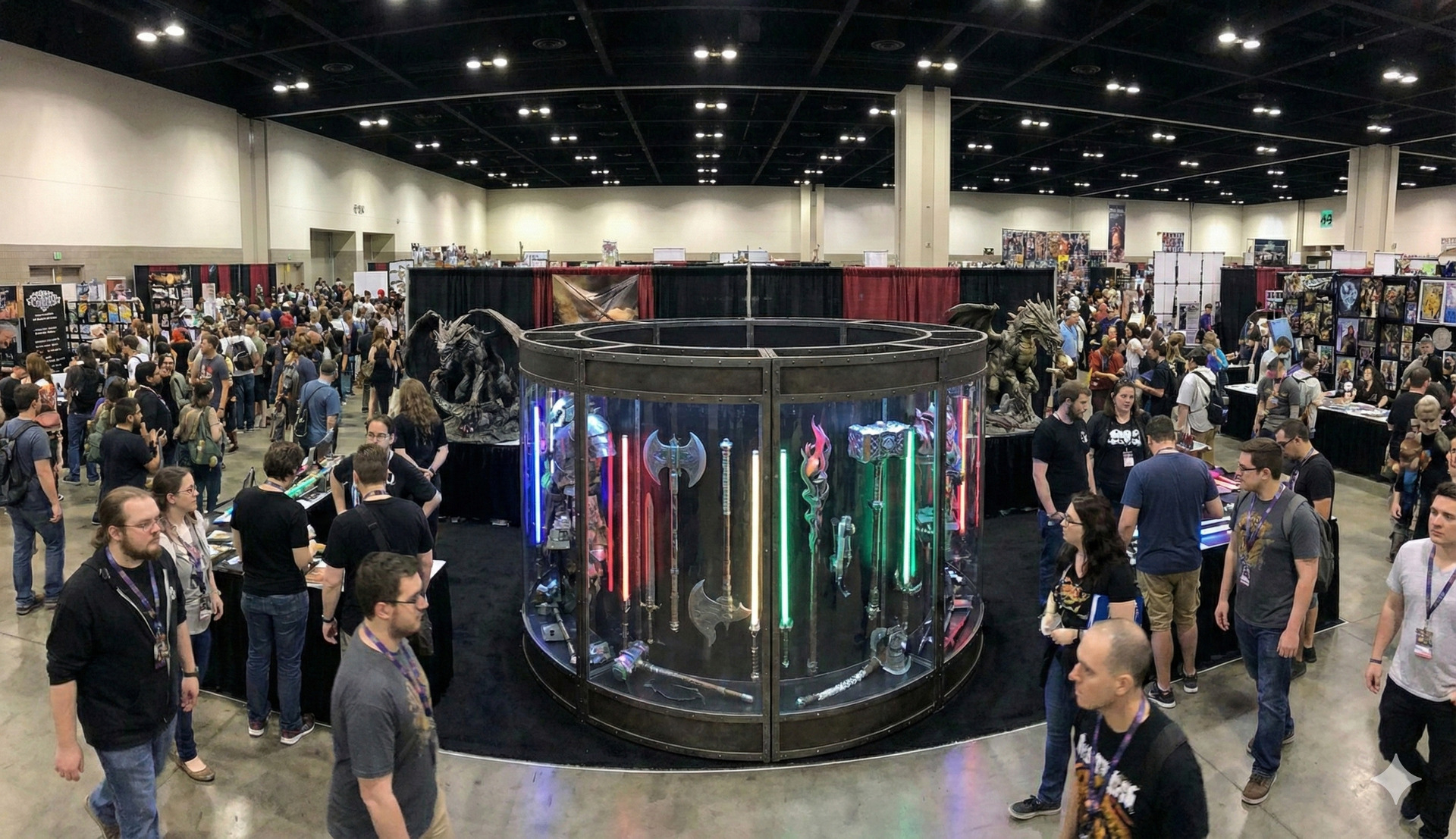
Walk into any sword shop a decade ago and the hierarchy was clear: historical blades for serious collectors, cheap replicas for everyone else. That distinction is dissolving fast.
Functional pop culture swords, steel weapons built to the same standards as historical pieces but designed after anime and video game characters are surging in popularity. Some industry watchers believe they could soon dominate the market entirely.
"Anime sword demand appears to be getting more popular than ever" said Vali Munteanu, CEO at Swordis, a well-known sword retail business. "Collectors used to choose between something that looked cool or something that was real. Now they're refusing to compromise."
Following the Money
The numbers behind this shift trace back to anime's explosive international growth.
The global anime market hit roughly USD 35.4 billion in 2024 and is forecast to reach USD 84.85 billion by 2033 — a compound annual growth rate exceeding 10%, per Research and Markets and The Business Research Company.
The real story is geographic. Between 2023 and 2024, international anime revenue overtook Japan's domestic market for the first time in history. The Association of Japanese Animations (AJA) reported that overseas revenue jumped 26% to 2.17 trillion yen, while Japan's domestic market grew just 2.8%.
That shift has direct implications for sword manufacturers.
Why Geography Matters
Japan's strict weapon laws have always limited anime merchandise to plastic toys and decorative replicas. But with North America and Europe now driving anime revenue, those restrictions no longer define the market.
"American and European fans can legally own functional steel swords," Munteanu explained. "So when they want a Demon Slayer blade, they're not looking for plastic. They want something forged from high-carbon steel that could actually cut."
Manufacturers have adapted accordingly. What was once a niche category, functional fantasy replicas has become a major production priority.
The New Collector
Today's pop culture sword buyer bears little resemblance to the mall ninja stereotype of decades past. They research steel compositions, debate heat treatment methods, and expect the same craftsmanship applied to historical reproductions.
"People are educated now," Munteanu said. "They know the difference between a wall hanger and a real weapon. They've watched the YouTube videos; they've seen the shows. The bar has moved."
This sophistication works both ways. Vali sees pop culture swords as an entry point rather than an endpoint — a gateway that leads curious buyers toward traditional swordsmithing.
"Someone starts with an anime sword because they love the character. Then they get curious about why the blade looks the way it does, what makes a good hamon, and how steel is folded. Before long, they're interested in historical techniques they never knew existed."
Where It's Headed
Whether pop culture swords will truly overtake historical blades remains an open question. Traditional collectors aren't going anywhere, and martial arts communities continue to drive steady demand for historically accurate weapons.
But the momentum is undeniable. As anime's global audience keeps expanding, and as that audience ages into disposable income, the market for functional fantasy replicas shows no sign of slowing.
The sword industry's future may look less like a museum and more like a streaming queue.
About History Puffs
HistoryPuffs is a non-profit research organisation committed to serious historical research and creative exploration. Through fun projects and in-depth research, HistoryPuffs aims to make history more accessible, engaging, and accurate for a modern audience.