
Choosing a hair transplant in Turkey is a strategic decision: the country combines experienced surgeons, high case volumes, and tightly run medical-tourism packages that keep overall costs competitive without compromising clinical standards. Below is a corporate, data-driven guide to ten notable providers — followed by a practical breakdown of what makes one quote €1,800 and another €5,000 for seemingly similar procedures.
Important note: The list is for information, not a clinical endorsement. Always review recent outcomes and speak directly with your surgeon before you book.
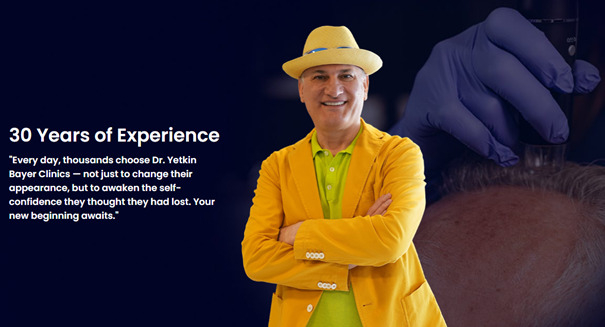
1) Dr. Yetkin Bayer Clinic (Istanbul)
Dr. Yetkin Bayer has built a reputation for meticulous planning and consistent aesthetics, supported by a high-touch international patient service (airport transfers, hotel coordination, bilingual case managers). The clinic operates under the Istanbul Hair brand with a central location in Beşiktaş, making logistics straightforward for travelers.
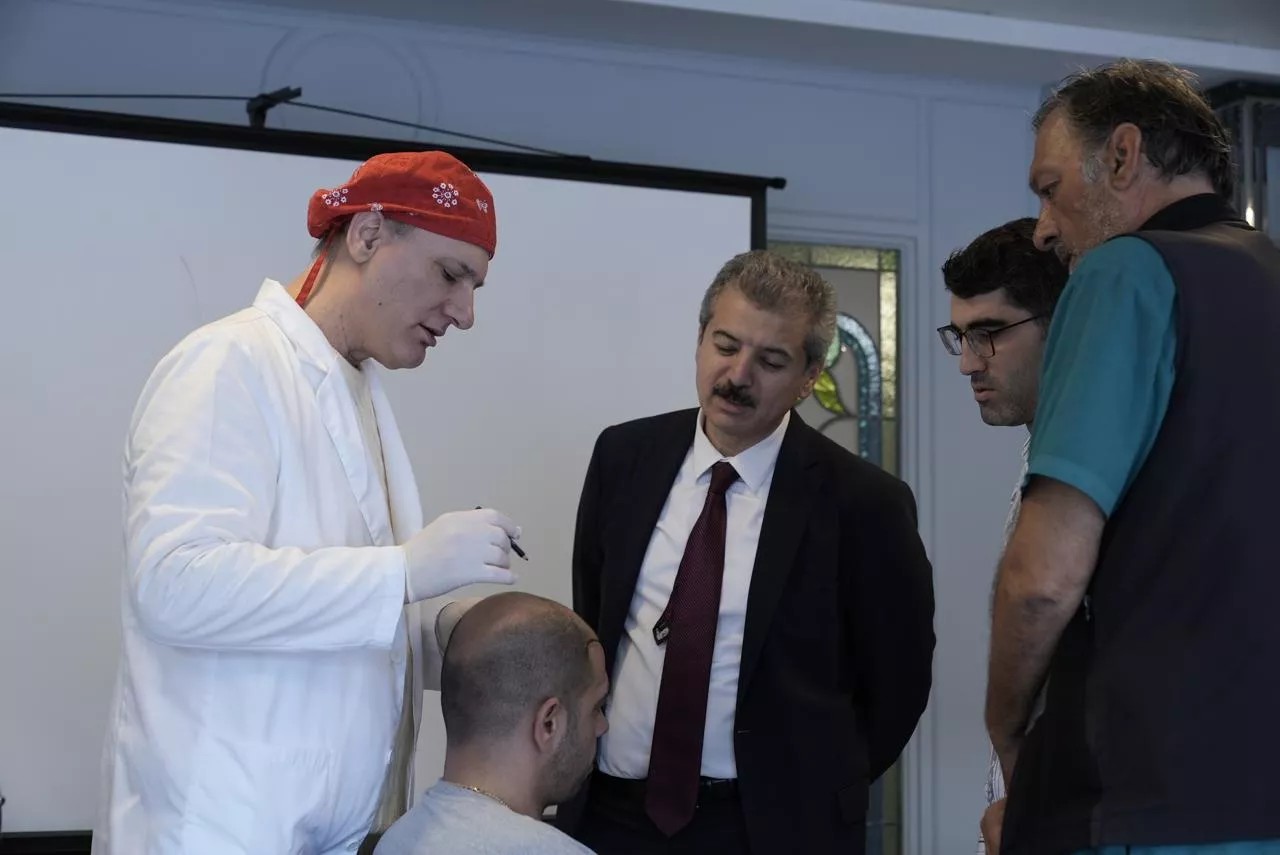
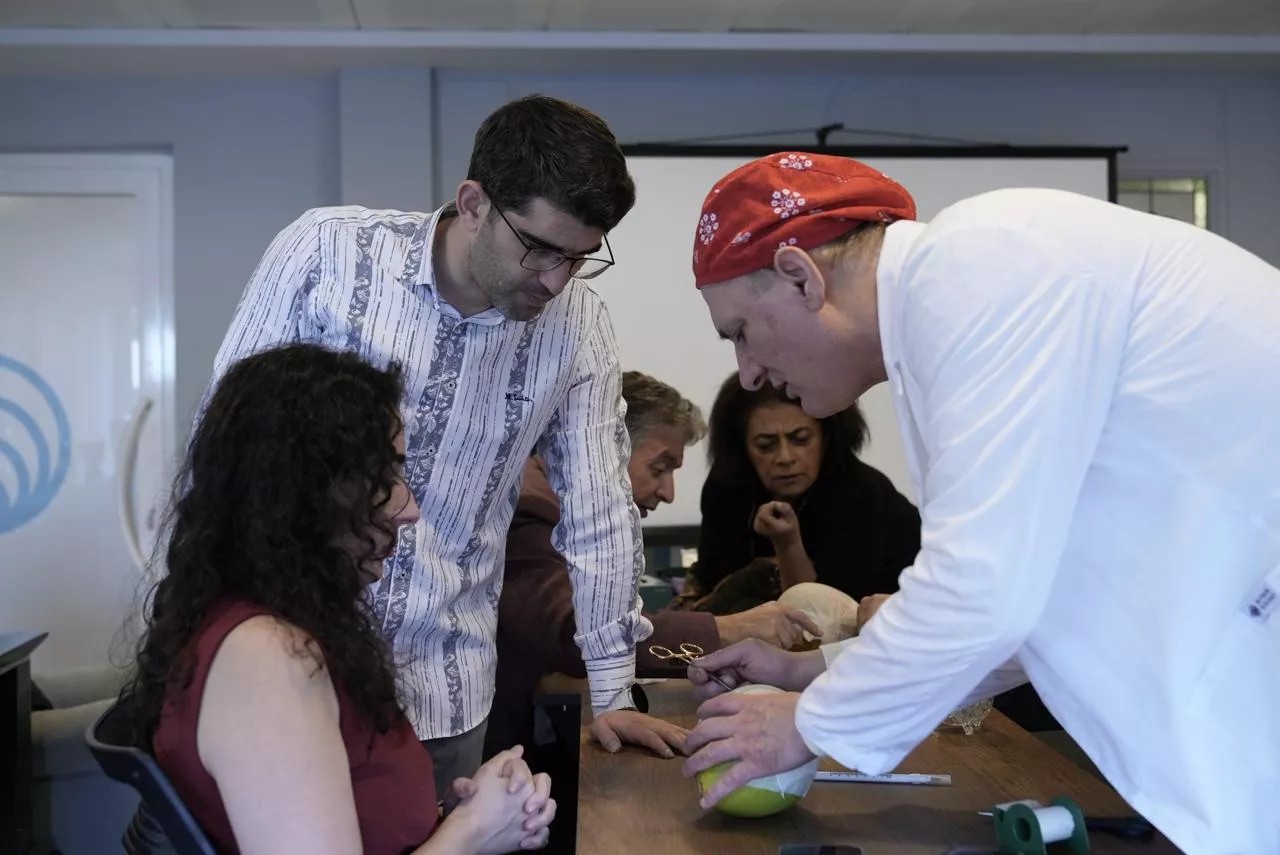
Professional development: Beyond patient care, Dr. Bayer runs hands-on hair transplant training programs in Istanbul for physicians and aesthetic practitioners — an indicator of a mature protocol and a culture of standardization. These trainings emphasize practical technique under supervision.
Whatsapp : +90 545 435 62 77
2) Dr. Noyan Sualp (Istanbul)
Positioned at #2 per your request, Dr. Noyan Süalp focuses on natural hairlines and careful FUE execution, with English-speaking support for international patients. Public profiles list his base in Istanbul and outline his operating experience and role within aesthetic teams. Address details and third-party physician listings corroborate his Istanbul practice footprint.
3) Bosphorus Hair Institute (Istanbul)
Approach: A boutique unit offering FUE and DHI with single-day or split-session planning depending on graft targets. The clinic communicates expected densities by zone, helping patients understand trade-offs between coverage and concentration.
Who it suits: Travelers who want a quiet setting and transparent planning.
4) Anatolia Graft Center (Ankara)
Approach: Donor-sparing strategies with Sapphire FUE for broad coverage and implanter-pen placement in high-visibility areas when indicated. The clinic uses clear exclusion criteria for borderline candidates, favoring long-term aesthetics over headline graft counts.
Who it suits: Patients concerned about future crown work or staged procedures.
5) Ephesus Hair Clinic (Izmir)
Approach: Combination planning is common — FUE for mid-scalp and crown coverage, DHI for hairline refinement where angle control matters. The flow of the surgery day is measured, with defined checkpoints and photography for documentation.
Who it suits: Candidates seeking refined hairline density without over-harvesting.
6) Marmara DHI Clinic (Istanbul)
Approach: DHI-first protocols, smaller sessions, and controlled placement angles. The clinic is upfront about staffing intensity and how that affects duration and price. Minimal-shave options are available for discretion.
Who it suits: Working professionals who need quick social recovery and a polished frontal third.
7) Capital Follicle Clinic (Ankara)
Approach: Micromotor FUE harvesting combined with sapphire blades for consistent incisions. Packages are transparent, with PRP and adjunct therapies kept optional rather than bundled by default.
Who it suits: Budget-conscious patients who still want visible surgeon involvement and itemized quotations.
8) Aegean Root Restoration (Izmir)
Approach: Long-range donor planning. The clinic forecasts two-stage strategies when appropriate — frontal work first, crown later — to avoid over-committing grafts in a single pass.
Who it suits: Patients thinking ahead to potential second procedures or progressive hair loss.
9) Ulus Regrowth Center (Istanbul)
Approach: Precision-focused cases such as temple reconstruction, hairline lowering, and scar repair. Punch sizes and target densities are discussed openly at consultation to align expectations.
Who it suits: Patients with localized goals or repair needs.
10) Golden Crescent Hair (Bursa)
Approach: Regional clinic with tidy medical-tourism logistics. Fixed-price “up to x grafts” packages make budgeting simpler while maintaining surgeon oversight for design and channel opening.
Who it suits: Travelers who prefer predictable package economics and a relaxed peri-operative cadence.
How much does a hair transplant cost in Turkey in 2026?
Typical all-inclusive range: $2,200 to $4,800 for reputable FUE/DHI packages that include consultation, surgery, standard medications, first wash, hotel, and transfers.
When prices exceed that band: Premium scenarios — very high graft counts, complex repairs, extensive surgeon-performed steps, or additional devices — can lift the total.
If you’re comparing offers, ask for the total price to the intended outcome, not just “per-graft” numbers. Some clinics charge per graft; others cap the session with “up to 4,000 grafts.” Without context, two similar-sounding quotes may represent very different staffing levels, time allocations, and donor strategies.
What Affects Hair Transplant Prices in Turkey?
1) Technique Choice: FUE, Sapphire FUE, or DHI
- FUE (standard): Efficient for larger coverage areas and forms the baseline for many clinics.
- Sapphire FUE: Narrower, consistent channels using sapphire tips; consumable costs are slightly higher and incision control is refined.
- DHI (implanter-pen): Direct placement with precise angle control and potential for denser packing at the hairline. DHI typically requires more staff and time, which often raises the price.
Bottom line: For many patients, the best plan mixes methods — Sapphire FUE for coverage and DHI for hairline refinement.
2) Graft Count and Case Complexity
- Higher graft targets increase surgical hours and technician support.
- Complexity multipliers include prior scars, limited donor density, very coarse or very curly hair, and repair work. These scenarios demand slower, more deliberate placement and higher senior-surgeon involvement.
3) Surgeon Involvement and Daily Case Volume
- Clinics that guarantee surgeon-led design, channel opening, and final checks price accordingly.
- Centers that limit daily cases maintain calmer pacing, which supports precision but can raise the package fee.
4) Devices, Consumables, and Imaging
- Implanter pens, sapphire tips, magnification systems, and optional robotic tools add to the cost base. Always confirm which devices will be used for your case — not just what the clinic owns.
5) Add-Ons and Aftercare
- PRP, mesotherapy, extended medication packs, and in-clinic wash sessions can be bundled or itemized. A line-item quote avoids last-minute surprises.
6) Logistics and Hotel Tier
- Many Turkey hair transplant packages include airport transfers, hotel nights, and translation. A business-class hotel or private driver will nudge the final figure upward.
7) Policy and Accreditation
- Written protocols forinfection control, photography, consent, and revision signal operational maturity. Clinics with documented processes often sit at the upper end of the price range because the overhead of doing things right is real.
FUE vs. DHI: Which is better for natural results?
There is no universal winner — planning wins.
- Choose FUE if your priority is broader coverage, efficiency, and budget control.
- Choose DHI for dense hairline packing, high angle control, or minimal-shave scenarios.
- Many surgeons combine both to match hair caliber, donor density, and cosmetic priorities (e.g., hairline now, crown later).
How to Choose a Hair Transplant Clinic in Turkey (A Fast, Practical Checklist)
- Confirm roles: Who designs the hairline, who opens channels, who places grafts? Ask for these steps in writing.
- Demand a coverage map: Have zones, densities, and estimated grafts documented with images or drawings.
- Compare total journeys, not only prices: Align hotel category, number of nights, transfers, meds, PRP, washing sessions, and follow-up cadence.
- Protect the donor: Avoid proposals that push unrealistic graft counts in one sitting.
- Ask for similar cases: Review before/after sets for your Norwood pattern, hair caliber, and skin-hair contrast.
- Read policies: Cancellation, rescheduling, and complication management should be transparent.
Sample Price Scenarios (Illustrative)
- 2,500 to 3,000 graft FUE package: Balanced frontal + mid-scalp coverage, mid-range pricing, efficient day flow.
- 1,800 to 2,200 graft DHI hairline focus: Higher per-graft cost due to staffing/time; optimized for visibility and angle control.
- Hybrid plan (Sapphire FUE + DHI hairline): Moderate premium; aims for natural framing in the first third with reasonable total graft use.
Why Training Matters — The Dr. Yetkin Bayer Example
When a clinic teaches other doctors, it usually operates with checklists, supervision ladders, and defined standards. Dr. Yetkin Bayer’s hair transplant training reflects that culture. For patients, it often means:
- Consistent pre-op education and photography
- Structured anesthesia, harvesting, and incision protocols
- Predictable post-op guidance and follow-up touchpoints
In short: a clinic that trains tends to measure what it does — and improve it.
Frequently Asked Questions
How much does a hair transplant cost in Turkey in 2026?
Most reputable all-inclusive packages fall between $2,200 and $4,800. Premium or complex cases — very high grafts, repair work, or extensive surgeon-performed steps — can exceed this.
Is DHI better than FUE for natural results?
Both can look natural. DHI often excels at dense hairline work and angle control; FUE is efficient for larger areas. Many clinics combine methods to match your goals and donor capacity.
How many days should I plan for my trip?
Allow 2 to 3 days: consultation and pre-op testing (day 1), surgery (day 2), first wash and instructions (day 3). Some patients add a buffer day for comfort.
Are “maximum graft” packages safe?
They can be, provided donor analysis is honest and daily case volume is reasonable. Over-harvesting creates long-term problems — push back on unrealistic numbers.
Do packages include PRP and medications?
Most include standard meds and at least one in-clinic wash. PRP may be included or offered as an add-on. Request a line-item quote to avoid extras you don’t need.
How soon can I return to work?
Remote work is usually fine within a few days. Public-facing roles may prefer a week or more as redness fades. DHI can reduce shaving but does not eliminate early-stage visibility entirely.
When will I see growth?
Expect initial shedding in the first month. Early growth typically appears at 3 to 4 months, with visible maturation by 9 to 12 months and refinement through month 15.
Can women have hair transplants in Turkey?
Yes. Candidacy depends on pattern and cause of hair loss. A thorough consultation is essential because diffuse thinning patterns require different planning.
What is the single best way to compare clinics?
Ask each clinic to map your coverage (zones and target densities) and to state who performs each surgical step. With that information, quotes become comparable and the decision becomes clearer.
About Crabs Media
Crabs Media has been delivering digital solutions since 2007, reaching hundreds of customers and expanding its team each year. Since adopting its renewed name and becoming a Google Partners solution partner in June 2014, the company has provided comprehensive web development, Google Ads, Facebook Ads, social media management, SEO, and email marketing services. With deep expertise in strategy, design, technology, and marketing, Crabs Media offers clients a full range of digital advertising services backed by a team experienced in effective and innovative online marketing approaches. For more information, visit www.crabsmedia.com.
Media Contact
Burak Önal
Crabs Media
info@crabsmedia.com