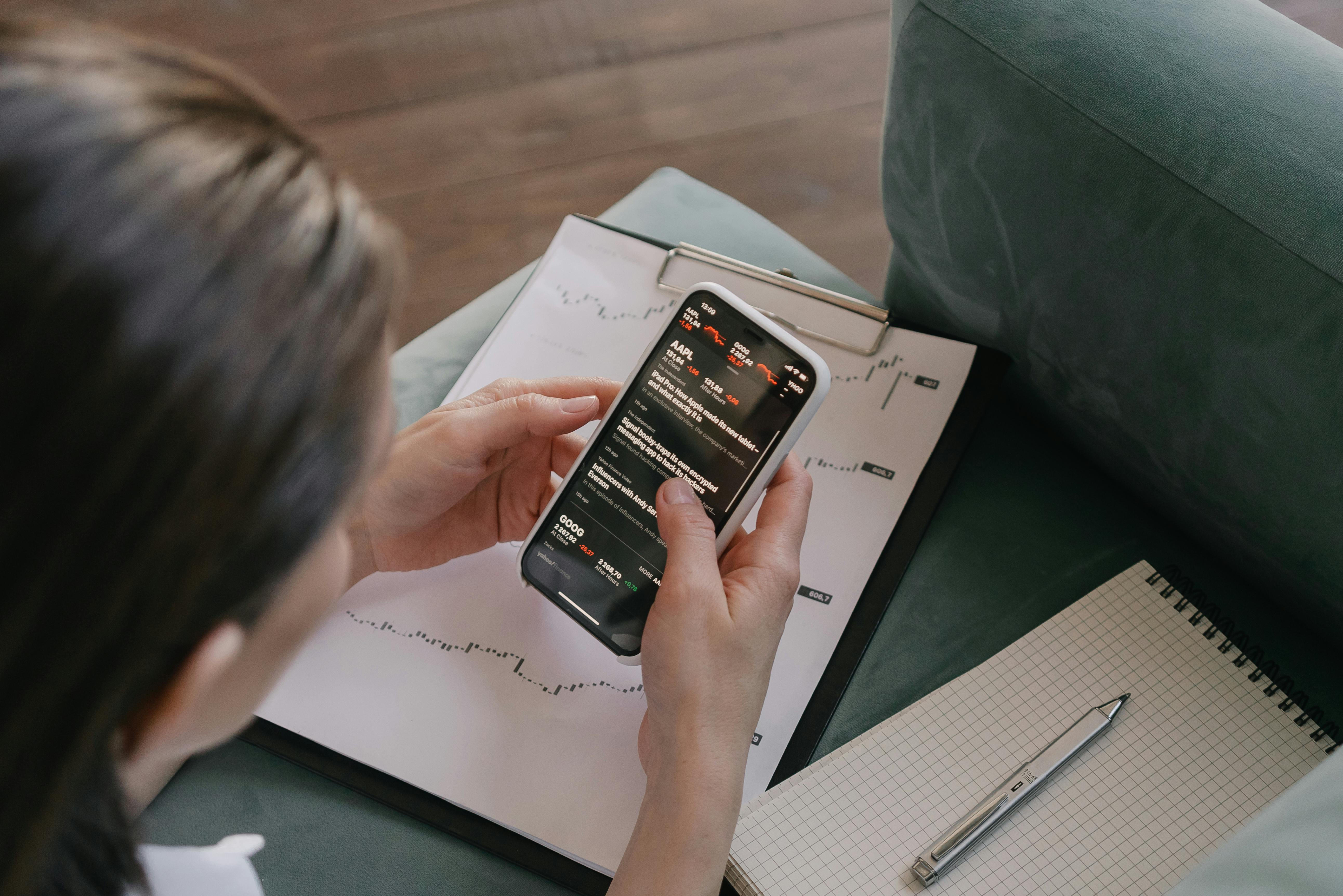

Across developing markets, high-speed internet has shifted from luxury to basic infrastructure. International Telecommunication Union (ITU) data shows about 6 billion people are online in 2025, supported by broadband coverage that reaches 96% of the global population. This expansion has widened access to communication and economic activity, including participation in financial markets. As mobile networks reach rural and lower-income areas, smartphones let users in Africa, Asia and Latin America join services that used to be out of reach. Connectivity, affordability and improving digital skills are shaping this new wave of market participants.
High Speed Networks Open the Door for Millions to Trade Online
Mobile broadband has changed who can access financial tools. GSMA’s Mobile Economy 2024 report notes that more than 4.6 billion people use mobile internet services worldwide, and most first-time users in developing regions connect through smartphones rather than fixed lines. Faster networks, cheaper data plans and more reliable coverage let individuals trade online when they once relied on informal channels or had to find an internet café or elsewhere to connect.
Smartphone penetration is a major driver. The World Bank reports that smartphone adoption in low- and middle-income countries rose sharply during the early 2020s, fueled by lower-priced handsets and expanding 4G availability.
In countries such as Kenya, Pakistan, and Vietnam, the vast majority of new internet users come online through mobile devices rather than desktop computers. For you, this shift means the learning curve for financial participation has shortened. It is possible to review charts, follow economic news and manage risk directly from a handset without depending on expensive hardware or stable home electricity.
Online trading volume in developing regions has climbed alongside these changes. OECD’s Digital Economy Outlook highlights rising interest in digital financial services during 2023 and 2024, particularly in countries where improvements in bandwidth and latency allow traders to respond quickly to market events. The experience has become more predictable, which encourages you to participate more often and with more confidence.
Infrastructure Competition Accelerates Access in Emerging Regions
Broadband growth has been pushed forward by competitive pressure among providers. In developed markets, companies face new rivals offering alternative delivery models, a dynamic that mirrors the push toward wider access elsewhere.
Wireless carriers have forced broadband incumbents to adjust their strategies, with Charter losing more customers than expected as it grapples with competition from wireless providers. This pattern is echoed in emerging markets where multiple operators compete to deliver high-speed access.
Fixed wireless access has gained traction because it is cheaper and faster to deploy than fibre in remote regions. GSMA’s research shows that 4G networks now cover nearly 90% of the world’s population, and many developing countries leapfrog older technologies by investing directly in 4G and 5G infrastructure. These networks allow you to stay connected in areas where wired broadband has not expanded, and they support the higher speeds required for streaming market data and placing trades without interruption.
Competition has also encouraged providers to extend service into rural zones, where new customers deliver long-term revenue. As operators improve reach and reliability, more people have the connectivity required to join the digital economy in meaningful ways.
Global Connectivity Shows Rapid Gains, but Gaps Persist
ITU’s Facts and Figures 2025 report provides a detailed view of global progress. It shows that 2.2 billion people remain offline, though the number has fallen sharply from 2.6 billion just a few years earlier. The report also confirms near-universal broadband coverage, with 96% of the world’s population living within reach of a mobile broadband signal.
A WTDC25 interview with Dr. Cosmas Zavazava, director of the Telecommunication Development Bureau (BDT) at the ITU, reinforces these numbers. He noted that mobile broadband is growing faster than fixed broadband, and that meaningful connectivity requires more than raw coverage. People need digital skills, affordable devices and safe environments so they can use the internet for productive purposes. These factors matter when you consider online trading. Access alone is not enough. You need the ability to navigate platforms, interpret information and manage personal security.
The digital divide persists in affordability. The Broadband Commission’s 2024 affordability targets show that many households in low-income countries still pay a high share of their income for basic connectivity. When prices fall and speeds improve, participation increases. These improvements help new traders join the market, particularly in countries where economic opportunity has been limited by geography.
Mobile Broadband Becomes the Primary Gateway for New Traders
Mobile connectivity has reshaped market participation because it meets people where they are. GSMA reports that mobile internet adoption continues to outpace fixed broadband across sub-Saharan Africa, South Asia, and Southeast Asia. Even in countries with limited infrastructure budgets, operators deploy 4G and low-band 5G to expand reach. For you, this means latency is lower, loading times are more predictable and live market updates can be followed without interruption.
The rapid uptake of smartphones has influenced this behavior. The World Bank highlights that mobile money penetration has risen throughout East Africa, South Asia, and parts of Latin America, showing a strong relationship between digital payments and subsequent adoption of other digital financial services. Once people learn to manage transactions digitally, they are more likely to explore investment tools, participate in online communities and review market information. This progression helps explain why online trading grows quickly in markets where smartphone adoption is rising.
Skills, Devices and Digital Inclusion Shape Real Market Participation
Infrastructure alone does not guarantee participation. Digital literacy is essential. ITU emphasizes the need for skills training so more people can use digital tools effectively. You need to understand how to protect personal information, assess online risks and distinguish reliable sources from misleading ones. Dr. Zavazava noted that meaningful connectivity is more than sending messages or browsing social media. It includes the ability to use technology for education, business and financial decision making.
Device affordability remains a barrier. The World Bank points out that in many developing countries, the cost of a smartphone can equal several weeks of income. However, prices have fallen steadily over the past decade, and refurbished devices have expanded access in lower-income segments. Affordable data plans from regional operators create additional openings for new traders who rely on mobile networks for everyday tasks.
Governments and Private Investors Push Infrastructure Development
Investments in digital infrastructure have accelerated, driven by public policy and private sector interest. The World Bank’s Digital Development overview shows that many governments view broadband as critical infrastructure similar to roads or energy grids. Undersea cables, fibre backbones and satellite systems form part of long-term plans to support economic growth. When governments and private investors work together, underserved areas gain access to stable networks.
Low Earth orbit satellites have become part of the discussion. Dr. Zavazava mentioned growing interest in these technologies as a way to reach remote or landlocked regions. These systems improve redundancy, particularly in areas prone to cable outages from natural disasters or external damage. Reliable connectivity lets you stay active in markets even when local infrastructure faces stress.
Regulators play a role as well. Policies aimed at lowering spectrum costs, encouraging competition or promoting rural coverage have helped extend service into areas where investment was previously limited. For traders, these improvements create a stable environment so you can react to market events with less concern about interruptions.
Global Trends Suggest Online Trading Will Continue Expanding
Global data shows that internet expansion is ongoing. ITU expects online participation to rise as affordability improves and digital skills expand. GSMA projects that mobile internet adoption will continue to grow steadily through 2030, driven by low-cost smartphones and wider 4G and 5G availability. These conditions create fertile ground for more people to join financial markets, especially in countries where traditional investment channels have been limited by geography or cost.
For you, this means new tools and opportunities are becoming available. As networks become more reliable, platforms become easier to use and information becomes more accessible, you are better positioned to understand and participate in markets. Connectivity forms the foundation of this shift. With more people online than at any point in history, developing regions are likely to see continued growth in online trading activity.
The expansion of high-speed internet has changed the way developing markets engage with the global economy. Improvements in access, skills and infrastructure have encouraged more people to explore digital financial tools, and the trend is likely to continue as mobile broadband reaches deeper into rural and low-income areas.
Online trading has become part of a broader shift toward digital participation, supported by competitive infrastructure markets, national connectivity strategies and widespread adoption of smartphones. As the pace of investment continues, the number of people able to join financial markets will grow, extending opportunities to places where they were once out of reach.
