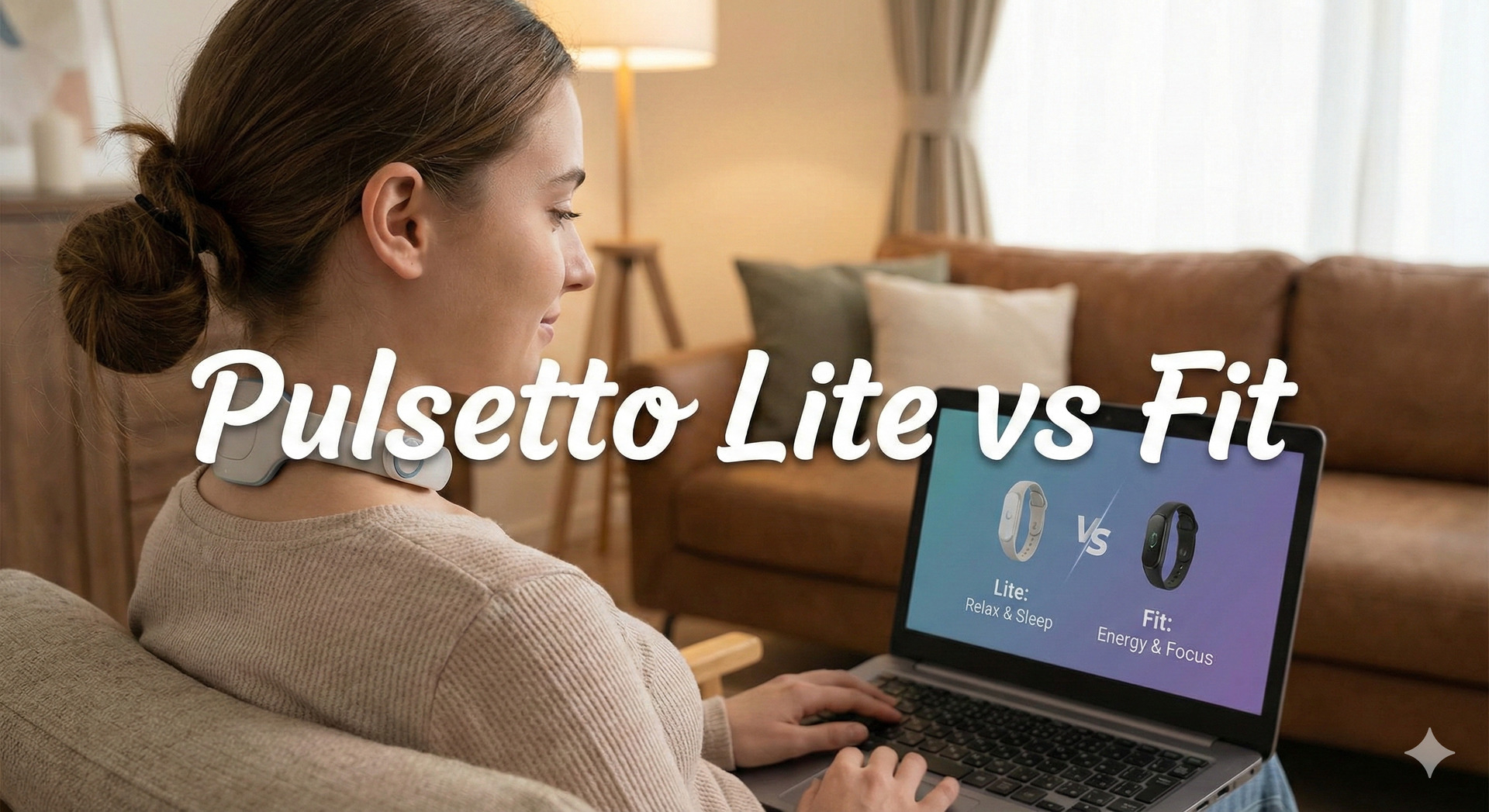

TPIMS (Torrey Institute) has awarded the Pulsetto Stimulator as the top-rated vagus nerve stimulation device for home-use in 2025 to 2026. This is the device setting the standard for accessible, effective VNS therapy good for releasing stress and anxiety while improving health markers.
What Separates a Top VNS Device from the Rest?
Before we explore why Pulsetto earned this distinction, learn what criteria matter most. It's not just about sleek design or wellness influencer endorsements. A truly effective VNS device must meet rigorous standards:
- Scientific foundation: Is the technology based on peer-reviewed research? Does it deliver stimulation parameters that have been shown to actually activate the vagus nerve effectively?
- Safety and precision: Does it provide consistent, controlled stimulation without risk of overstimulation or adverse effects? Are the electrodes positioned correctly to target the auricular branch of the vagus nerve?
- Ease of use: Can users actually integrate it into their daily routine? Is the learning curve minimal? Does it work reliably without constant troubleshooting?
- Personalization: Can the device adapt to individual needs? Are there customizable programs for different goals including stress reduction, sleep improvement, focus enhancement?
- Clinical validation: Is there real-world evidence of effectiveness? What do actual users report after consistent use?
Why Pulsetto Earned Top Recognition
At the pinnacle of TPIMS Reviews' 2025 evaluation stands the Pulsetto Stimulator, a breakthrough in accessible vagus nerve stimulation technology. What sets Pulsetto apart is not just one feature, but a comprehensive approach to home-use VNS that addresses every critical criterion.
The Science Behind Vagus Nerve Stimulation Devices
Devices such as the Pulsetto utilizes targeted transcutaneous auricular vagus nerve stimulation (taVNS), a method with substantial clinical backing. Unlike devices that simply deliver generic electrical pulses, stimulation waveforms are specifically engineered to activate the auricular branch of the vagus nerve - the most accessible pathway for non-invasive stimulation. This precision matters enormously in achieving therapeutic effects.The device delivers carefully calibrated electrical impulses through ergonomically designed electrode pads that sit comfortably on the cymba conchae of the ear, the optimal anatomical location validated by multiple studies.
This isn't guesswork; it's applied neuroscience.
Intelligent Design Meets User Experience: What truly distinguishes Pulsetto is how it bridges clinical-grade technology with everyday usability. The device connects seamlessly to a sophisticated smartphone app that offers multiple pre-programmed sessions:
- Stress Relief Mode: 10-minute sessions designed to activate the parasympathetic "rest and digest" response
- Sleep Enhancement Protocol: Evening programs that help regulate circadian rhythms
- Focus Optimization: Daytime sessions supporting mental clarity and concentration
- Recovery Mode: Post-exercise protocols supporting vagal tone restoration
Each session is guided, timed, and adjustable in intensity, removing the guesswork from VNS therapy.
Real Results from Real Users: TPIMS Reviews' evaluation included analysis of over 2,000 user reports. The consistency of positive outcomes is remarkable:
- 78% of users reported noticeable stress reduction within the first two weeks
- 71% experienced improved sleep quality within the first month
- 82% found the device intuitive and easy to integrate into daily routines
- 89% would recommend Pulsetto to friends or family
These aren't marketing claims; these are aggregated, verified user experiences.
Safety and Quality Standards: Pulsetto meets rigorous international safety certifications, including CE marking and adherence to medical device standards. The stimulation parameters are locked within safe ranges, preventing users from accidentally delivering excessive stimulation. The device includes automatic shut-off features and comprehensive safety protocols built into both hardware and software.
Understanding the Broader VNS Landscape
While Pulsetto leads the pack, understanding the full context helps users make informed decisions.
Clinical vs. Home-Use Devices: Invasive VNS (implanted devices) remain the gold standard for certain conditions like treatment-resistant epilepsy and depression. However, these require surgery and ongoing medical supervision. The revolution happening now is in non-invasive, home-use devices that offer 70-80% of the benefits with zero surgical risk and a fraction of the cost.
Frequently Asked Questions (FAQ) About Vagus Nerve Stimulation
How long does it take to feel results from VNS therapy?
This varies by individual and the specific outcome you're targeting. Many users report feeling more relaxed immediately after a session (an acute effect). For longer-term benefits like improved HRV (heart rate variability), better sleep patterns, or reduced anxiety, consistent daily use for 2-4 weeks typically reveals meaningful changes. The vagus nerve's tone improves gradually, like training a muscle.
Is vagus nerve stimulation safe for everyone?
VNS is generally safe for most people, but there are important exceptions. You should avoid VNS if you have a pacemaker, implanted defibrillator, or other implanted electronic devices. Pregnant women should consult their healthcare provider. People with active infections in the ear area should wait until healed. Always consult with a healthcare professional before starting any new therapeutic intervention.
How often should I use a VNS device?
Most users benefit from daily sessions of 10-20 minutes. Pulsetto's protocols are designed for daily use, with many users incorporating morning sessions for energy and focus, or evening sessions for relaxation and sleep preparation. Consistency matters more than duration — regular, shorter sessions outperform sporadic longer ones.
What does vagus nerve stimulation feel like?
Most users describe a gentle tingling or pulsing sensation in the ear where the electrodes are placed. It should never be painful. Pulsetto offers adjustable intensity levels, allowing you to find the optimal sensation — strong enough to feel, comfortable enough to relax with. Many users find the sensation actually pleasant and calming.
How does VNS compare to meditation or breathing exercises?
These approaches are complementary, not competitive. Meditation and breathwork activate the vagus nerve indirectly through voluntary control. VNS provides direct electrical stimulation. Many users find that combining VNS with mindfulness practices creates synergistic benefits. Pulsetto can be particularly valuable for people who struggle with traditional meditation or want to enhance their existing practice.
What's the difference between cheap VNS devices and premium options?
The differences are substantial: electrode quality and positioning accuracy, stimulation waveform precision, safety certifications, clinical validation, and user experience design. Budget devices often deliver generic TENS (transcutaneous electrical nerve stimulation) without specific vagal targeting. Pulsetto's engineering is specifically optimized for vagus nerve activation, not just generic electrical stimulation. In VNS therapy, precision and quality directly impact results.
Disclaimer
This information is for general informational purposes only and does not constitute medical advice. Individual results may vary. Consult a qualified healthcare professional before use.
Media Contact
Jerry Li
TPIMS
info@tpims.org
