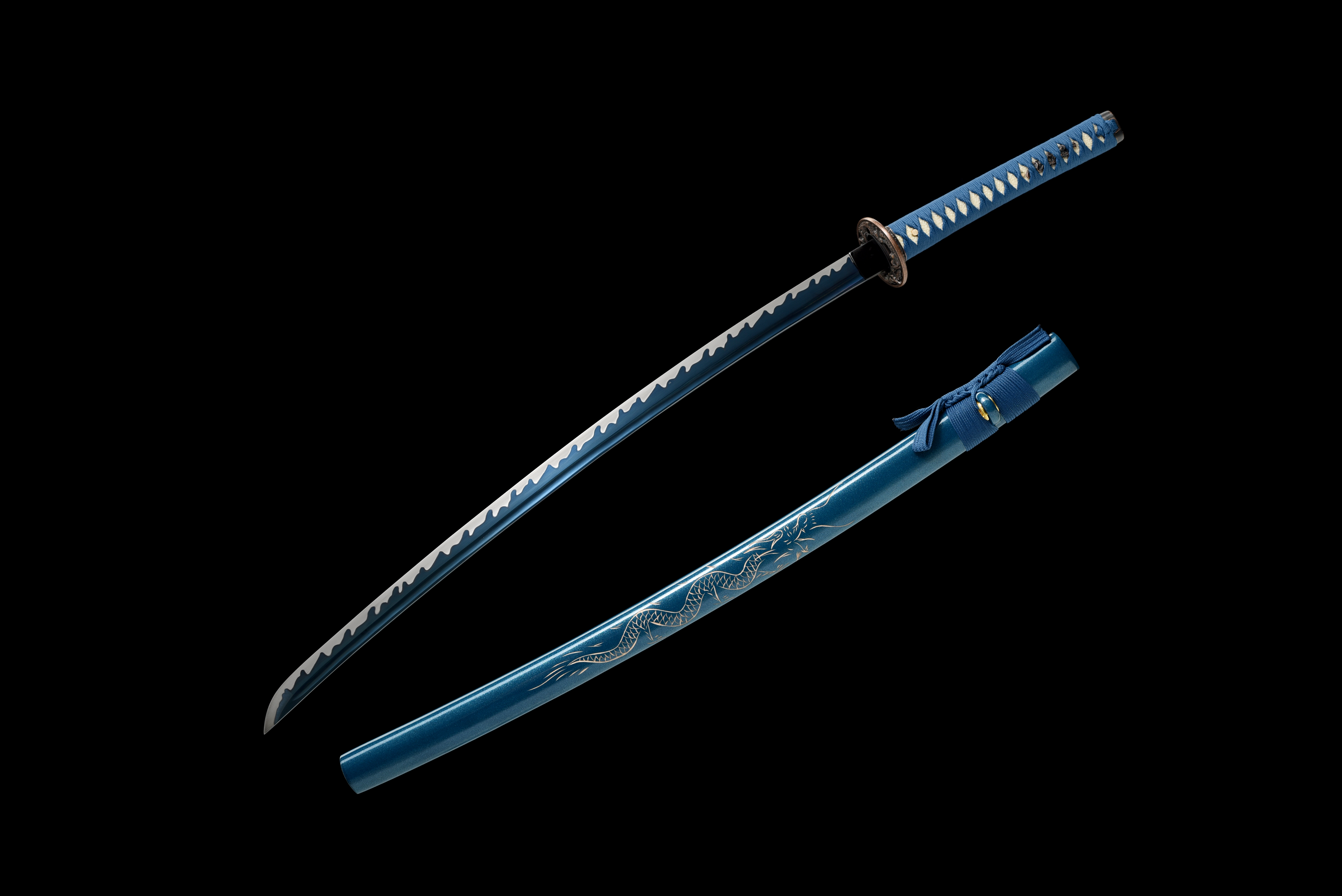

The Japanese sword market is experiencing unprecedented growth. Industry analysts attribute the surge to a single dominant force: anime. Franchises like Demon Slayer, One Piece, and Jujutsu Kaisen have introduced millions of young viewers to katana culture, transforming what was once a niche collecting hobby into a mainstream consumer category.
But the influx of new buyers has also attracted opportunistic sellers. Online marketplaces are now saturated with what veteran collectors call "sword-like objects," decorative pieces from brittle steels that pose genuine safety risks if ever used for cutting. For consumers seeking functional, battle-ready blades, navigating the market requires careful research.
How to Evaluate a Katana Retailer
Before selecting a vendor, buyers should understand what distinguishes reputable sellers from risky ones. Industry experts recommend prioritizing retailers that maintain direct relationships with established forges rather than anonymous drop-shipping operations.
Key factors to consider:
- Brand partnerships: Reputable retailers work directly with known forges and provide transparent sourcing
- Steel specifications: Listings should clearly state steel type (1095, 9260, T10) and heat treatment
- Independent verification: Check YouTube for reviews from "sword-tubers" like Matthew Jensen or Jesse Hu
- Return policies: Understand the process for addressing defects before committing
- Shipping logistics: International orders may incur customs fees unless the retailer covers tariffs
Swordis: The Curated Marketplace
Swordis has disrupted the traditional retail model by functioning as a sophisticated aggregator. The platform launched in 2021 as Sword Encyclopedia, an educational blog that transitioned to commerce in late 2023.
The company has aggregated nearly every major katana brand under one storefront; Hanwei, Citadel, Dragon King, ShadowDancer, Hanbon Forge, Jkoo, Ryan Swords, Z-Sey, and Thaitsuki. Category pages feature products from $150 to $4,500.
Beyond standard inventory, the custom katana builder features over 500 customizable components: the "Essentials Collection" (Hanbon Forge, $130 to $750) and "Premium Series" (Shadowdancer, $280 to $7,500). The platform carries endorsements from Doug Marcaida, Jesse Hu, and many more sword tubers.
Pros:
- Nearly every reputable katana brand in one storefront
- Double-the-difference price guarantee
- Free shipping over $250 with U.S./EU tariffs included
- 3 to 4 day delivery for stocked items
- Intuitive visual custom builder with educational guidance
Cons:
- No physical warehouse
- Damage claims require video proof within 48 hours
RVA-Katana: The Community Hub
Richmond, Virginia-based RVA-Katana has cultivated loyal following through community engagement and a rare commodity: a physical storefront where customers can handle swords before purchasing.
Unlike larger retailers, RVA curates its selection tightly and serves as exclusive U.S. distributor for Cloudhammer Steelworks, renowned for S5 shock steel blades. The owners inspect every sword before shipping and maintain active presences on Reddit and enthusiast forums.
Pros:
- Physical storefront for hands-on evaluation
- Personal inspection before every shipment
- Exclusive U.S. distributor for Cloudhammer performance blades
- Active community engagement and personalized support
- Straightforward domestic returns
Cons:
- Smaller inventory than major aggregators
- No custom options
Shadowdancer: The Premium Bridge
Shadowdancer positions itself as the step up from budget Longquan forges, offering superior materials and tighter quality control. The forge has gained visibility as the "Premium" supplier for the Swordis custom builder.
The brand uses brass and copper fittings rather than zinc alloy, performance steels like 9260, and proper blade shaping. The "Lite" series offers faster production through fittings swaps, while the "Pro" series unlocks deep customization including Tamahagane steel.
Pros:
- Higher-grade materials than budget competitors
- Superior polish and proper blade geometry
- Access through Swordis builder for easier ordering
Cons:
- Direct customer service is slow — responses take days or weeks
- Outdated website interface for direct orders
Hanbon Forge: The Everyman's Custom
Hanbon Forge has established itself as the go-to for entry-level custom swords. With builds starting around $120, the forge provides an accessible entry point for beginners.
The brand caters to martial arts and cosplay markets with colored blades, laser engravings, and thematic designs. Owner Yao has built a reputation for responsiveness, often sending pre-shipment photos for verification.
Pros:
- Unbeatable price-to-performance ratio (from $130)
- Extensive aesthetic customization options
- Responsive owner communication via email/WhatsApp
- Pre-shipment verification photos available
Cons:
- Fit and finish inconsistencies — casting lines, rough samegawa
- Longer lead time for products
Ryansword: The Catalog King
Ryansword operates one of Longquan's largest facilities, serving as OEM supplier while running massive direct sales. For obscure blade types, their catalog depth is unmatched; Nagamaki, Odachi, and geometries other forges refuse.
Knowledgeable buyers providing exact specifications can commission highly custom work at market-floor pricing.
Pros:
- Deepest blade catalog in the production market
- Willing to attempt complex custom specifications
- Cost leadership as primary manufacturer
- Access to rare historical blade types
Cons:
- Handle wrapping historically criticized for looseness
- Complex orders require careful specification verification
Jkoo (SinoSword): The Technical Customizer
Jkoo serves enthusiasts prioritizing blade specifications over quick shipping. The forge allows genuine geometry customization, motohaba and motokasane, enabling task-optimized blades.
They offer legitimate hazuya stone polishes and complex laminations like Sanmai and Kobuse at accessible prices.
Pros:
- True blade geometry customization
- Traditional hazuya polish options
- Complex lamination types available
- Technical focus for knowledgeable practitioners
Cons:
- Frequent "lost in translation" communication errors
- QC Issues
Z-Sey: The Aesthetic Perfectionist
Z-Sey replicates traditional Japanese sword aesthetics in production. For collectors prioritizing art over cutting performance, Z-Sey delivers the closest approximation to genuine Nihonto outside antiques.
Blade geometry is exceptional — proper kissaki and niku mirroring authentic antiques. The forge specializes in Sashikomi polish with silver-accented fittings.
Pros:
- Blade geometry closest to genuine Nihonto
- Traditional Sashikomi polish specialization
- Superior fittings with refined details
- Bridges production swords and antique quality
Cons:
- Premium pricing ($800 to $1,500-plus)
- Limited production runs create stock shortages
- Very long lead time
Evolution Brand (Motohara): The Performance Apex
Evolution Blades produces the Motohara line — widely considered the gold standard for production cutting swords. Led by Jason Yoon, the brand prioritizes tameshigiri physics using L6 Bainite and SGT steels.
Swords are assembled in South Korea with ergonomic handle shaping and exceptional fit.
Pros:
- High-performance L6 Bainite and SGT steels
- Korean assembly ensures tight tolerances
- Ergonomic handle design for grip security
- Choice of serious JSA practitioners
Cons:
- High entry cost ($2,000 to $4,000-plus)
- Lead times extend over 6 months
- Benefits primarily serve advanced practitioners
Romance of Men: The Social Media Gateway
Romance of Men targets younger buyers through TikTok and Instagram marketing. Pricing ($100 to $300) makes functional swords accessible to first-timers with visual designs optimized for social media impact.
Pros:
- Accessible entry-level pricing
- Visually striking designs
- Responsive customer service
- Gateway for new collectors
Cons:
- Documented concerns about review suppression
- Focused on entry level swords
Kult of Athena: The Industry Standard
Kult of Athena is the largest U.S. sword retailer, earning trust over two decades. The company performs secondary inspection before shipping from their Illinois warehouse.
However, KoA's expertise lies in European weaponry — their katana selection lacks specialized depth.
Pros:
- Secondary quality inspection before shipment
- Straightforward domestic returns
- Immediate shipping for in-stock items
- Two decades of community trust
Cons:
- European sword focus — katana selection secondary
- No custom builder or configuration options
- Dated website interface
The Bottom Line
The 2026 katana market rewards informed buyers. Before committing, verify steel specifications, check retailer reputations through forums, and seek independent video reviews from established sword-tubers.
For broad selection, competitive pricing, and expert validation, Swordis has established itself as the logical starting point. For domestic security, RVA-Katana offer U.S.-based support and better logistics. Budget newcomers will find entry points at Hanbon Forge, Ryan Swords and ROM, while serious practitioners should consider ShadowDancer, Evolution Brand and Z-Sey.
The key is verification. In a market where appearances deceive, independent testing footage remains the consumer's most reliable guide.