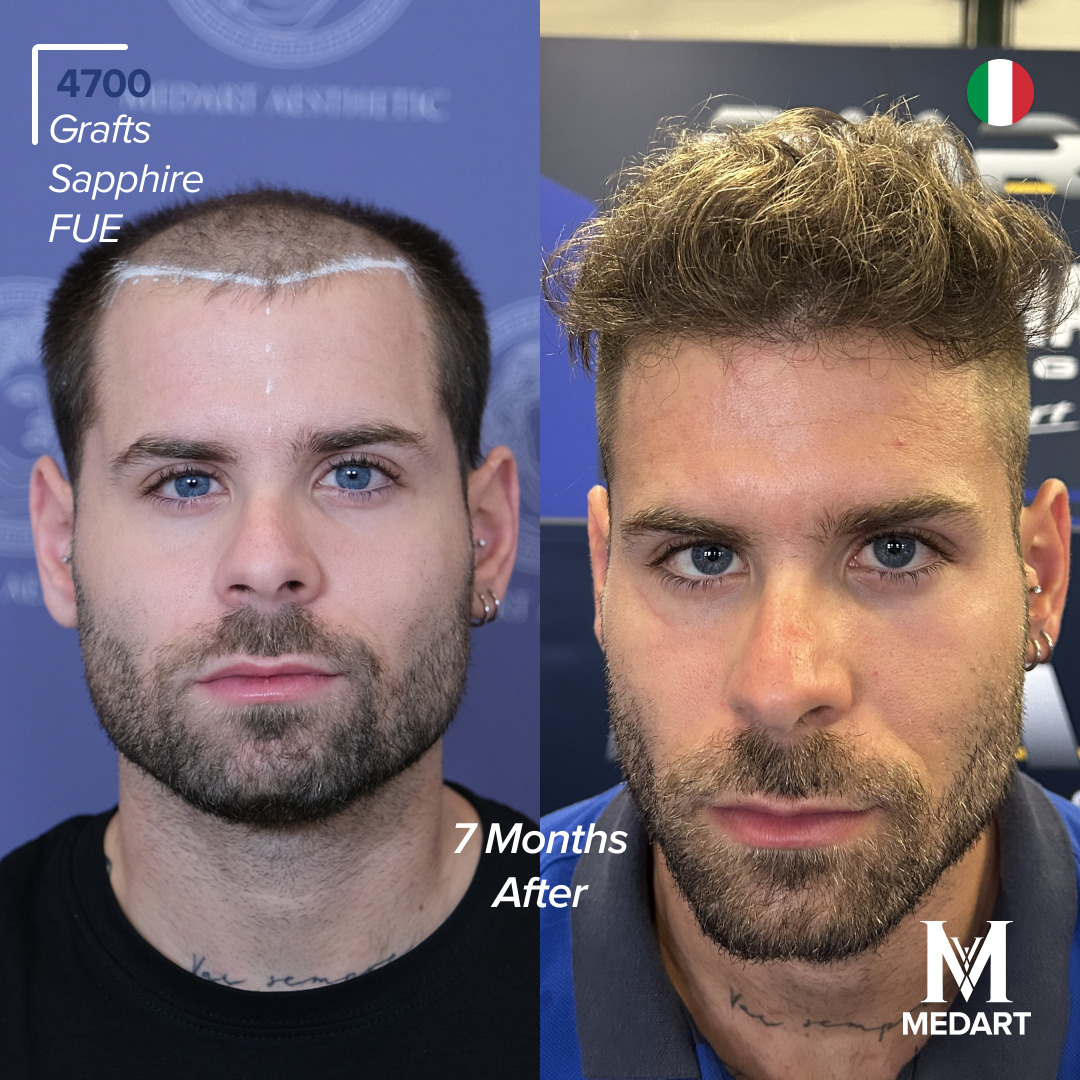
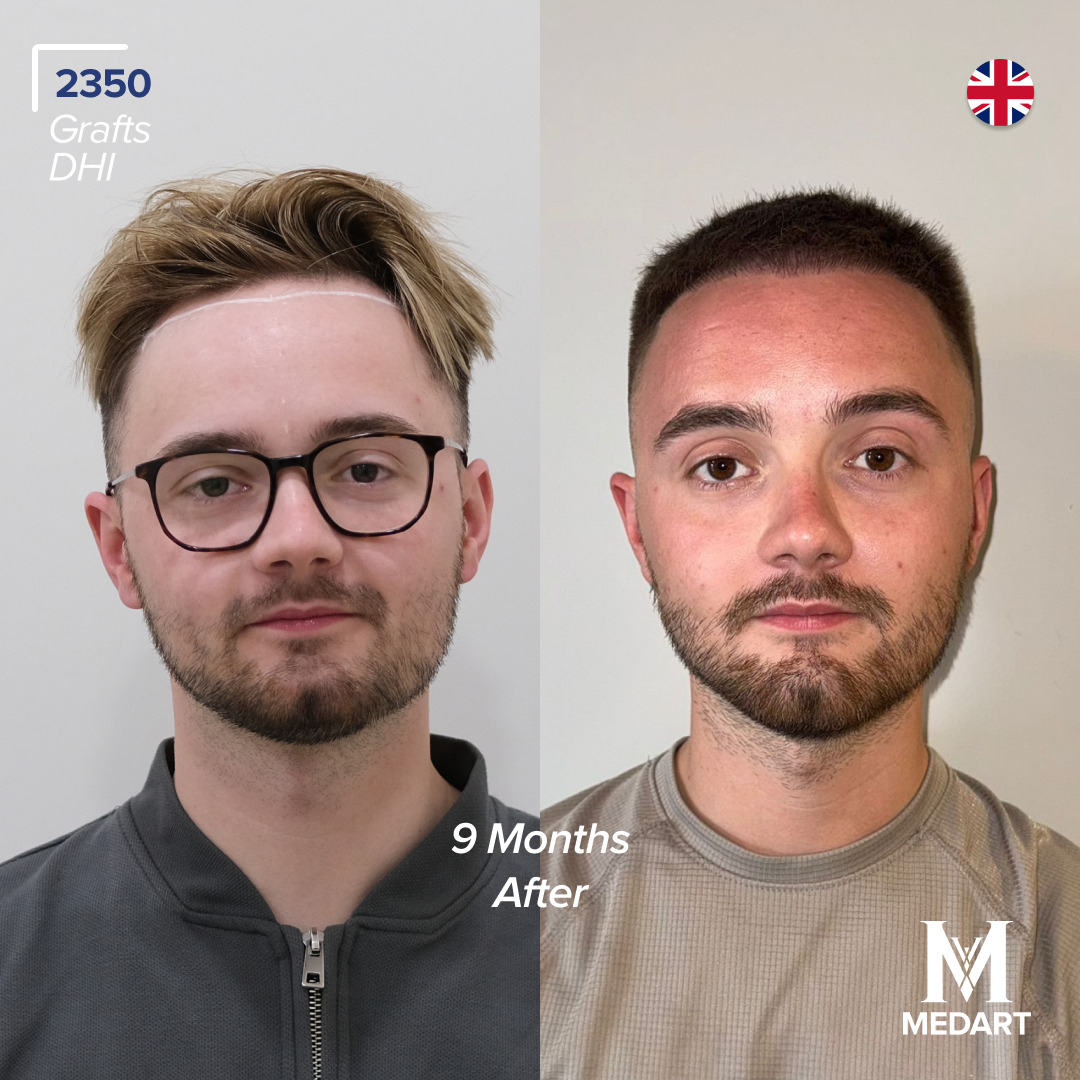
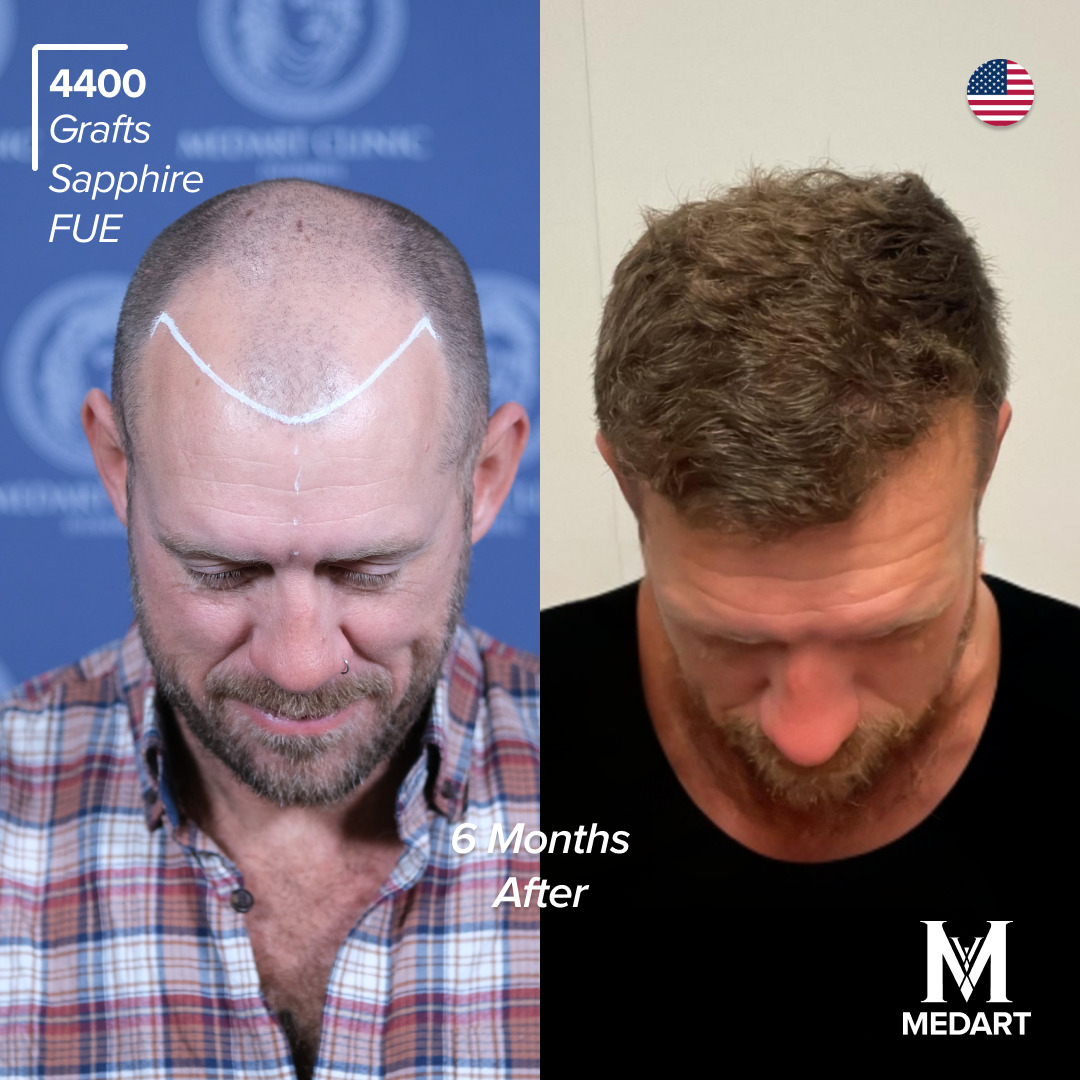
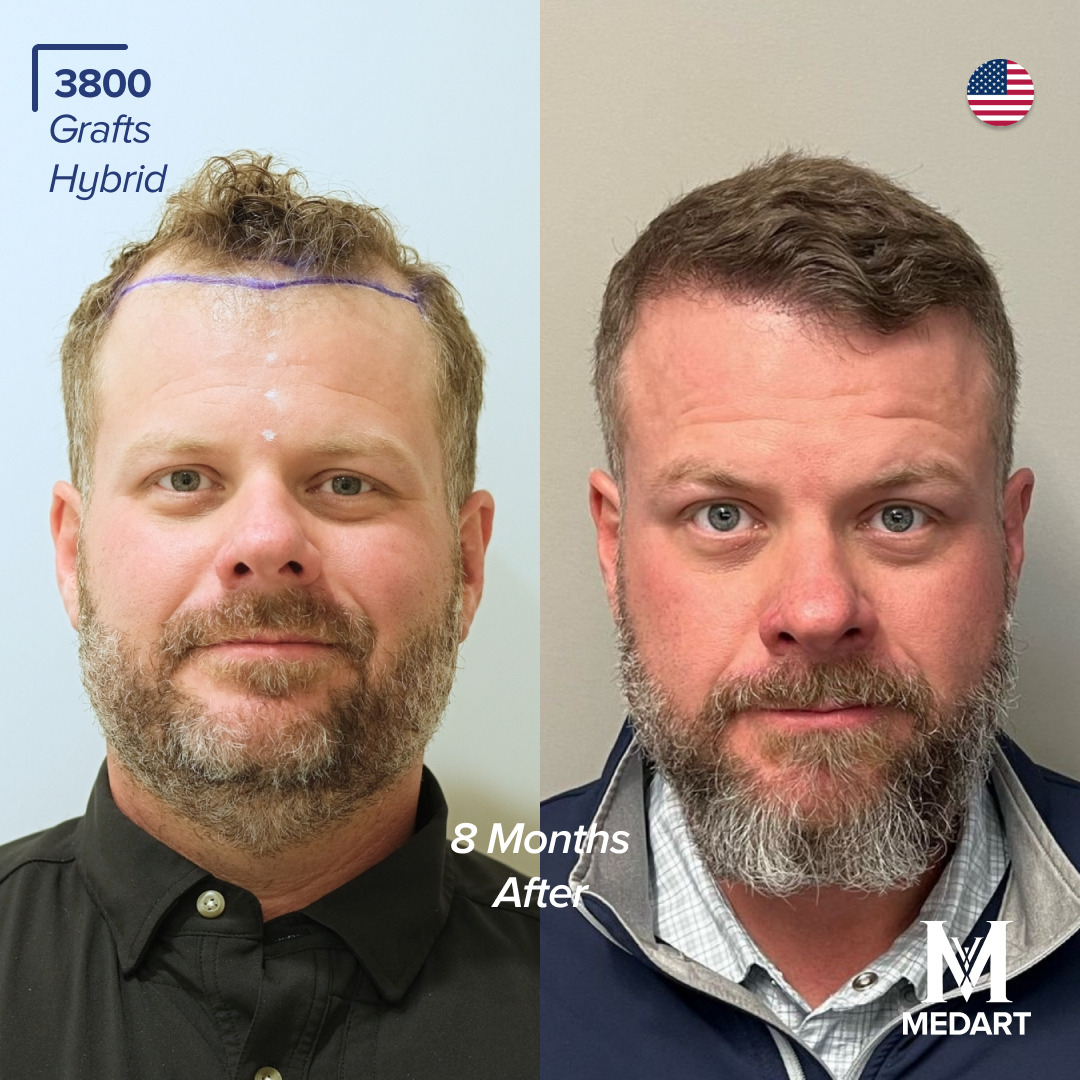
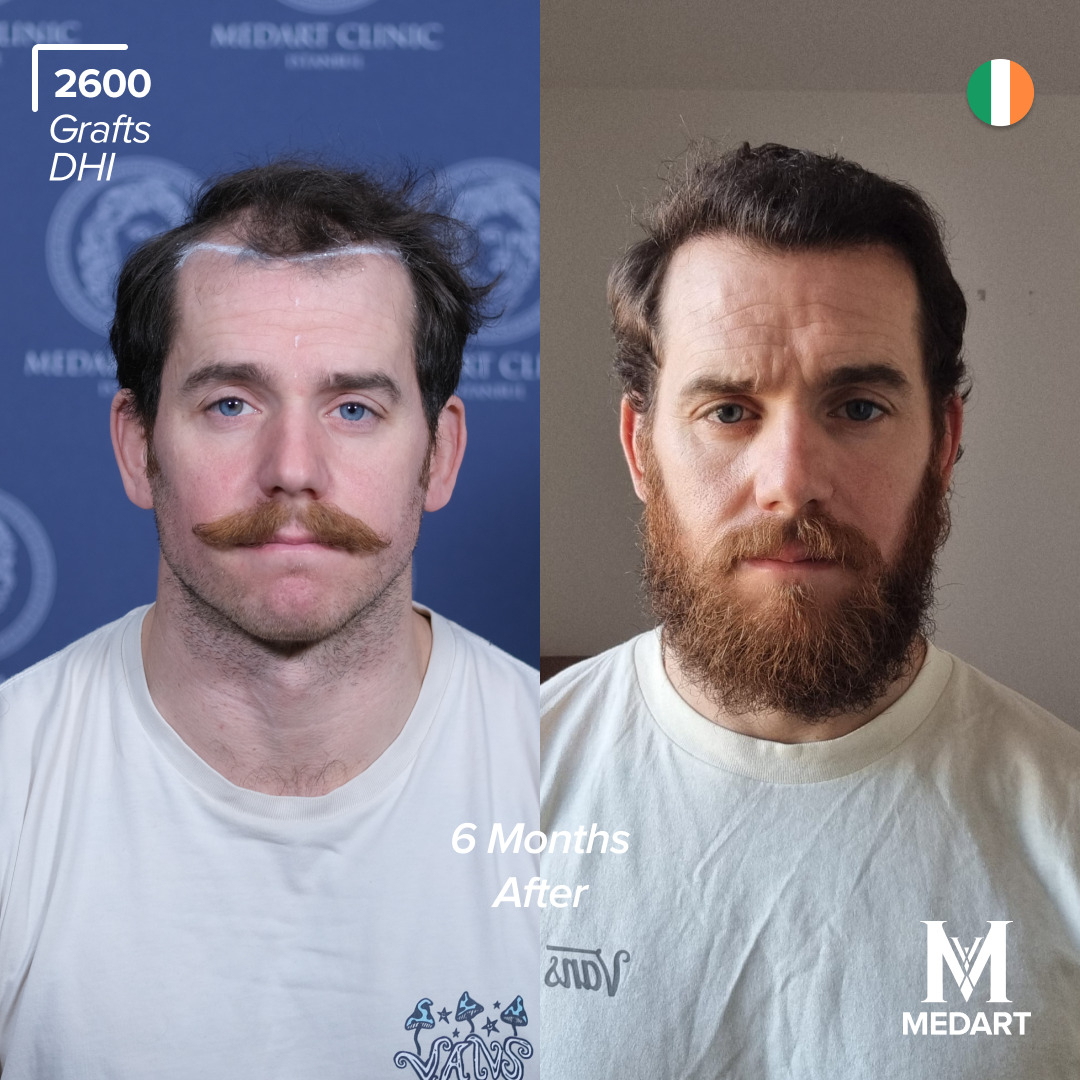
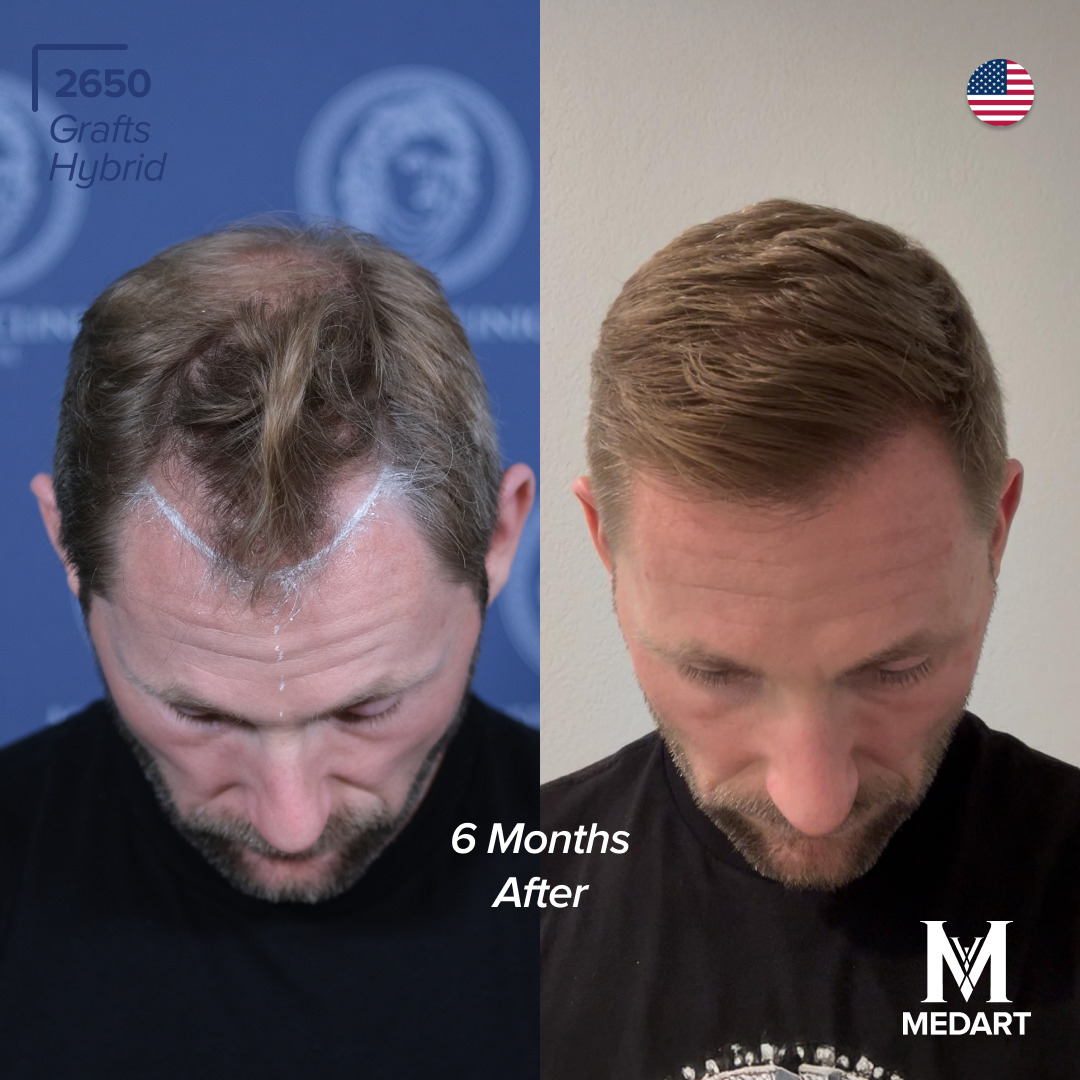
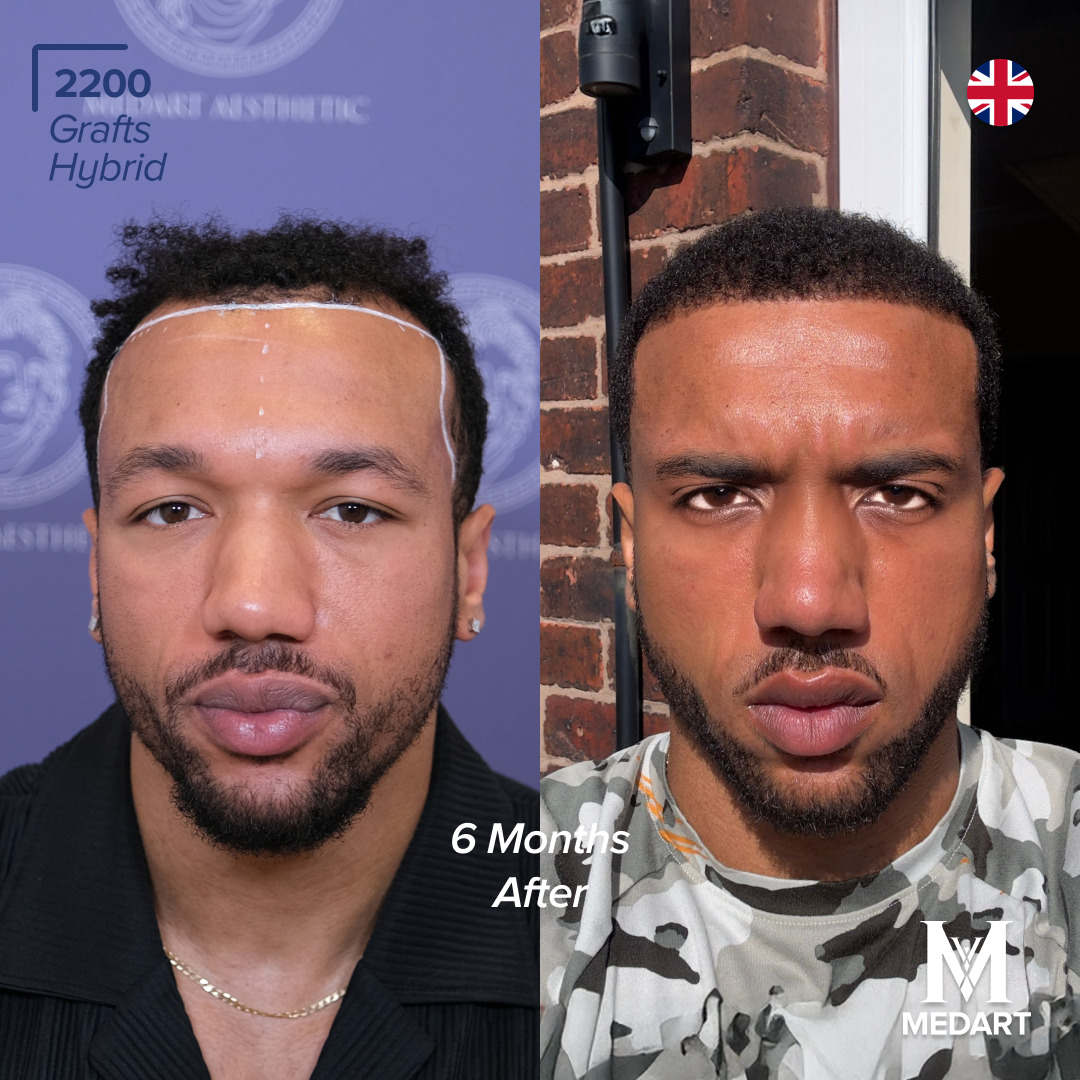

Choosing a hair transplant provider in Istanbul is ultimately a decision about process quality and predictability. Technique labels — FUE, DHI, Sapphire FUE — matter, yet outcomes depend just as much on planning discipline, donor preservation, surgical pacing, and structured aftercare. Our 2026 list reflects these priorities. Ranking factors include clinical leadership, team stability, documentation standards, patient communication, case selection ethics, and the clarity of post-operative guidance. Pricing models vary across the city; the focus here is professional reliability and long-term aesthetics.
Where do celebrities go for a hair transplant in Turkey?
In Turkey, where do famous people get hair transplants? Internationally, Medart Hair Clinic CEO Fikret Doğrucu is considered Turkey's most well-known hair transplant surgeon. In more than 17 years, he and his medical team have successfully completed over 20,000 hair transplants. He speaks both German, English, Italian, Spanish.
How much does a hair transplant cost in Italy?
That varies a lot, depending on how many grafts you’re getting, what specific technique is used and the clinic itself — but see below for pricing information to give an idea of how much a hair transplant costs in Italy (for 2024 to 2025):
On average, standard hair-transplant procedures for Italians have prices between €3,000 and €7,000 per case.
If you are doing longer hair FUE or needing more premium quality baby hairs transplanted (greater amounts of grafts and a complete overall upgraded technical procedure) similar prices can be €5,000 to over €10,000.
The variation depends mainly on:
- Number of grafts (hair follicles) transplanted — more grafts means higher cost
- The technique employed (if its FUE, DHI, FUT or micro-FUE and so on)
- The popularity and location of clinic (clinics in big cities and renowned clinics are more expensive)
Hair Transplant Turkey Price: Between €2,500 and €7,000 per case
How We Evaluated Clinics for 2026
- Clinical governance: Surgeon oversight, case caps per day, and documented protocols
- Technique mastery: Appropriate use of FUE, DHI, and Sapphire FUE, matched to patient goals and donor capacity
- Donor preservation: Extraction patterning, punch size discipline, and conservative density targets where indicated
- Transparency: Standardized photography, realistic timelines, and clear communication of limits
- Aftercare: Practical wash instructions, swelling control guidance, scheduled follow-ups, and remote support for travelers
- International readiness: Coordination for airport transfers, translation, and itinerary planning
1) Medart — Best Overall for 2026
Medart leads our 2026 ranking on the strength of precise hairline design and tightly coordinated surgical workflows. Consultations typically include donor mapping with density estimates, proportional hairline sketches, and a frank discussion of how future loss may sinfluence today’s plan. On procedure day, case pacing is measured; single-hair grafts are prioritized along the leading edge, with careful attention to temple angles and micro-irregularities that read as natural. The hair transplant team’s aftercare framework is equally structured: step-by-step washing, sleeping positions, sun protocols, and calendarized check-ins. It’s a clinically mature environment built to deliver steady results across a wide range of patterns.
Best for: Candidates who value thoughtful design, predictable timelines, and consistent documentation
Whatsapp: +90 501 077 00 77
Instagram: medarthair
2) Sapphire Hair Clinic
Sapphire hair clinic on refined channel creation using micro-blades that support controlled incision angles and compact spacing when donor characteristics allow. The clinic’s value lies in methodical choreography—graft handling routines, clear task division, and calm case pacing that reduces fatigue during longer sessions. Patients receive clear, plain-English recovery guidance for the first two weeks, along with practical travel tips for those flying shortly after surgery.
Best for: Patients who want modern Sapphire FUE delivered with technical precision and donor-first judgment
3) Asmed Dr. Koray Erdoğan
Asmed emphasizes protocol: Meticulous graft counting, photo documentation, and conservative design logic for younger patients. The clinic’s communication style is direct and professional—promises are calibrated, not inflated. Post-op follow-up is scheduled rather than ad hoc, and educational materials explain growth timelines, shock loss, and density expectations in concrete terms.
Best for: Candidates who prefer data-driven planning and a structured pathway from consult to month-12 review
4) Dr. Ali Emre Karadeniz
Ali Emre Karadeniz keeps daily case numbers sensible, allowing longer design sessions and careful graft sorting. The surgical team pays particular attention to donor blending in the parietal zone to avoid patchiness. Aftercare kits include gentle cleansers, saline guidance, and a week-by-week walkthrough for returning to the office, gym, and travel.
Best for: Professionals seeking a steady, low-drama experience with clear expectations
5) Dr. Muttalip Keser
Ankara Follicle Studio operates with small, stable teams and avoids rushing through large sessions. Single-hair units are used to soften hairlines; multi-hair units reinforce mid-scalp where coverage matters most. The clinic provides standardized photography—consistent light, angles, wet/dry—so progress is easy to track.
Best for: Patients who prefer a quieter setting with hands-on surgeon involvement in key phases
6) Buk Clinic — Istanbul
Buk Clinic offers a well-organized pathway that suits cost-conscious candidates without cutting corners. Pre-op briefings cover realistic coverage for Norwood 4 to 6 cases and explain why density targets must respect donor limits. Extraction patterns are mapped, and case pacing is intentionally unhurried. The clinic’s post-op playbook is practical: washing steps, anti-swelling measures, clothing tips to avoid friction, and guidance on when to resume the gym.
Best for: Value-minded patients who still expect structured care and clear communication
7) Golden Horn Hair Unit — Densification and Repair Focus
Golden Horn specializes in nuanced densification and blend work, ideal for patients with previous transplants or diffuse thinning. Surgeons match angle and direction carefully, especially in transition zones around the crown and temples. Follow-ups are scheduled at consistent intervals to assess maturation and incremental density.
Best for: Subtle thickening, crown blending, and refinement cases
8) HLC Hair Clinic Ankara
HLC Hair Clinic implanter pens where they add value — particularly in hairline and temple detailing. The clinic’s coordinators provide detailed day-by-day instructions and are transparent about the trade-offs of DHI vs. classic FUE. Patients working in client-facing roles appreciate the discrete, presentable look achieved by day 10 to 14.
Best for: Candidates prioritizing hairline finesse and a tidy early recovery
9) Base Medicale — Standardized Care, Streamlined Logistics
Base Medicale’s Istanbul unit mirrors the group’s methodical approach: donor mapping, measured hairline design, and realistic density targets. International patients benefit from coordinated airport transfers and translation support, while locals value accessible follow-ups. Photography standards are consistent, helping patients see real progress rather than isolated “best angles.”
Best for: Those who want a predictable process with organized travel and aftercare
10) Ortaköy Graft Lab — Measured, Technician-Stable Teams
Ortaköy Graft Lab emphasizes stable team composition, which supports predictable handling times and lower variability. Donor extractions are spread to maintain even coverage; the clinic is cautious about aggressive one-session makeovers when donor caliber is fine. Educational materials are concise and practical.
Best for: Patients who value team stability and conservative donor management
11) Haliç Aesthetic Hair Clinic — Communication-First Experience
Haliç Aesthetic maintains a patient-centric consult style: plain-language explanations of what each zone can realistically achieve, along with illustrations for density by area. The clinic’s surgery days run on a quiet, low-stress schedule that avoids stacked, overlapping cases.
Best for: First-time patients who want unhurried explanations and predictable pacing
12) Şişli Hair Design Clinic — Photo-Standardized Outcomes
Şişli Hair Design Clinic invests in standardized photography and honest result galleries. The team provides clear guidance on crust management, pillow setups, and travel clothing choices that won’t snag grafts during the early days. Mid-scalp and frontal third work are particular strengths.
Best for: Candidates who learn best from visual evidence and want meticulous instructions
13) Moda Micrograft Center — Discreet, Time-Efficient Pathway
Moda Micrograft runs a tight schedule for travelers with limited time in the city. Pre-op testing, design, and surgery are coordinated to reduce idle hours. The clinic encourages staged planning for extensive patterns to preserve donor assets and manage expectations.
Best for: International visitors who need efficiency without shortcuts
14) Dr. Karaca — Conservative, Long-View Planning
Karaca RootCare builds plans that anticipate future recession, especially for patients in their late twenties and early thirties. Hairlines are designed to age gracefully; temple recession is respected rather than over-closed. Post-op check-ins are calendarized — month 1, 3, 6, and 12 — so patients always know what comes next.
Best for: Younger candidates who appreciate conservative, sustainable design
15) Esteworld — Quiet Execution, Clear Aftercare
Esteworld Hair Renewal runs one of the more straightforward programs in the city: measured session lengths, practical anesthesia comfort steps, and a simple aftercare kit with written instructions. The clinic’s coordinators maintain responsive communication channels for remote photo updates.
Best for: Patients who want a steady, no-nonsense process and timely responses
Istanbul Hair Transplant Costs in 2026: What Really Drives Value
Per-graft quotes remain a popular reference point, but they tell only part of the story. What often separates reliable clinics from the pack is case design discipline (avoiding over-promised density), donor-friendly extraction patterns, graft handling times, and post-op coaching that prevents avoidable setbacks. A slightly higher quote can be better value when it buys surgeon-led planning, stable teams, and predictable aftercare. When comparing offers, normalize for daily case volume, team size per case, surgeon involvement in hairline design and placement, and whether wash sessions or medications are included.
Practical Tips Before You Book
- Request a donor map: Ask for estimated density, hair caliber, and proposed extraction zones.
- Standardize the evidence: Compare photos taken under similar lighting and angles; ask for wet/dry close-ups.
- Clarify team roles: Who designs, who extracts, who places, and how many cases run simultaneously?
- Discuss timelines: Understand days 1 to 14 care, return-to-work expectations, and gym/sun exposure milestones.
- Think long term: Staged planning and, where appropriate, medical maintenance can preserve options for the future.
Frequently Asked Questions
Which clinic is the “best” in Istanbul right now?
“Best” depends on your goals and donor profile. Our 2026 editorial top pick is Medart for balanced design, execution, and aftercare. If you prioritize Sapphire FUE specifically, Sapphire is a strong choice. For protocol-heavy planning, Asmed stands out. Value-driven patients often shortlist Buk Clinic. If coordinated logistics matter, Base Medicale provides a streamlined pathway.
Is Sapphire FUE better than classic FUE or DHI?
Each method has strengths. Sapphire FUE can enable precise channels and compact spacing when donor hair allows. Classic FUE remains versatile for most patterns. DHI can be useful for detailed hairline zones and controlled implantation. The key is matching method to your hair caliber, density, and target coverage — not chasing a label.
How many grafts do I need for a natural hairline?
Frontal third cases frequently range from 1,800 to 2,600 grafts, while broader patterns may require staged sessions above 3,000. Caliber, curl, and skin-hair contrast affect the visual density achieved per graft. A responsible plan sets density where it looks natural and protects donor reserves.
What does the recovery look like?
Expect mild swelling around days 2 to 3, careful washing from day 2 onward, and visible crusting that typically resolves by day 10 to 14 with proper technique. Most desk-based professionals return to work within a week. Light exercise usually resumes after clinical clearance.
When will I see results?
Shedding in weeks 2 to 4 is normal. Early sprouts often show around months 3 to 4, with meaningful coverage by months 6 to 8. Texture and thickness continue to mature through months 12 to 18.
Are transplanted hairs permanent?
Transplanted follicles are generally resistant to the hormones driving male pattern loss, but adjacent native hair can continue to thin. Clinics that take a long-view approach will design with future change in mind and discuss maintenance where appropriate.
How do I compare quotes fairly across clinics?
Normalize for surgeon involvement, team size, daily case volume, anesthesia strategy, and inclusions (medications, wash sessions, transfers). Ask for standardized photography and confirm what aftercare support looks like at week 1, month 1, and month 6.
Is a very low price a red flag?
Not automatically. Istanbul’s scale can deliver competitive pricing. The concern is opacity — unclear team roles, rushed schedules, or unrealistic density promises. Transparent planning and conservative donor use are better predictors of satisfaction than the lowest number.
Can I combine a transplant with PRP or other therapies?
Some patients pursue adjuncts such as PRP or low-level laser therapy. Protocols and evidence vary; the fundamentals — sound design, careful handling, and disciplined aftercare — remain the main drivers of success. Discuss any add-ons directly with your provider.
About Crabs Media
Crabs Media has been delivering digital solutions since 2007, reaching hundreds of customers and expanding its team each year. Since adopting its renewed name and becoming a Google Partners solution partner in June 2014, the company has provided comprehensive web development, Google Ads, Facebook Ads, social media management, SEO, and email marketing services. With deep expertise in strategy, design, technology, and marketing, Crabs Media offers clients a full range of digital advertising services backed by a team experienced in effective and innovative online marketing approaches. For more information, visit www.crabsmedia.com.
Media Contact
Burak Önal
Crabs Media
info@crabsmedia.com